Blog

  • How to Start a Renewable Energy Company in Dubai?

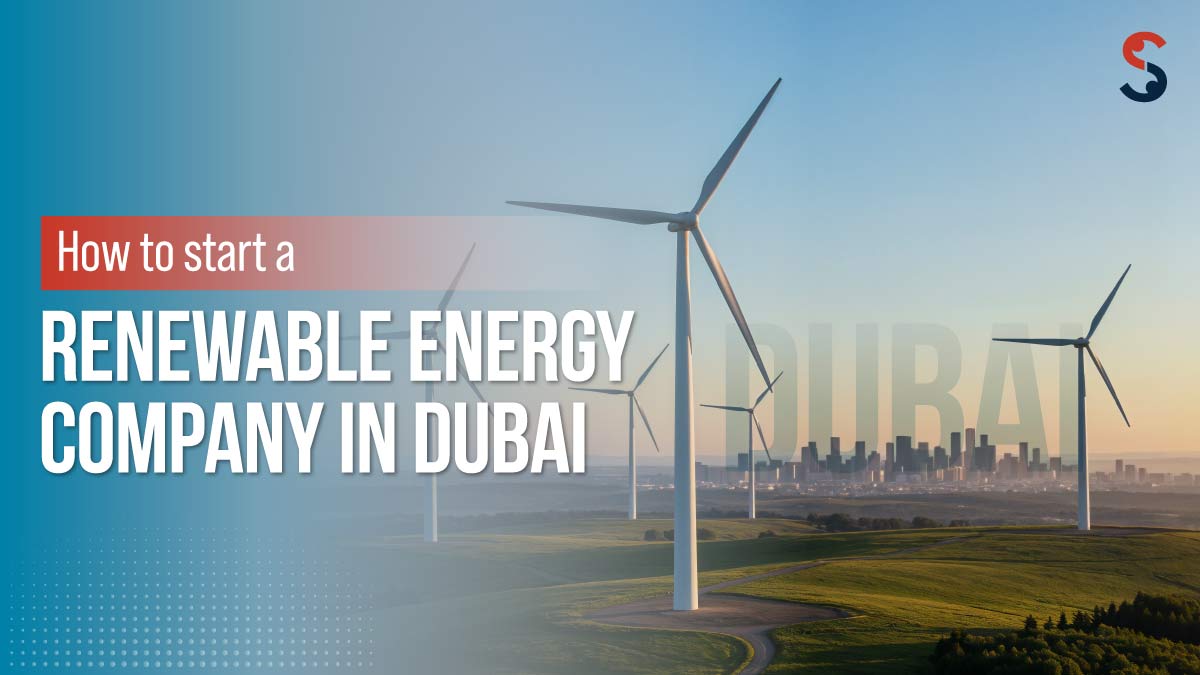
    How to Start a Renewable Energy Company in Dubai?

    Dubai has set its sights on becoming a global hub for clean and renewable energy. Initiative such as Dubai Clean Energy Strategy 2050, the city plans to produce 75% of its total energy from clean sources by 2050. At the national level, the UAE is also working towards its Net Zero by 2050 strategy, which is expected to create more than 200,000 jobs and boost the country’s GDP by 3%. These strong commitments show how serious Dubai and the UAE are about building a sustainable future. 

    One of the best examples of this vision is the Mohammed bin Rashid Al Maktoum Solar Park, which will reach 5 GW of capacity by 2030 (one of the biggest solar projects in the world). 

    For Indian entrepreneurs and investors, this is a golden opportunity. The Indian business community already has a strong presence in Dubai. 

    Add to this Dubai’s investor-friendly policies, such as 100% foreign ownership, tax benefits, and easy company setup in Free Zones, and you can see why it’s a smart move for Indians to start a renewable energy company in Dubai. 

    Why Start a Renewable Energy Company in Dubai? 

    Starting a renewable energy company in Dubai comes with several advantages that make it one of the most promising business opportunities today. 

    1. Growing market opportunities 

    From solar panel installation and maintenance to waste-to-energy technologies, energy efficiency consulting, EV charging networks, and battery storage, there is a wide range of untapped opportunities. 

    2. Indian community advantage  

    The Indian diaspora already plays a major role in Dubai’s economy with 40,000+ SMEs and over $37 billion invested in the UAE. This strong presence gives Indian entrepreneurs a natural edge in building partnerships and growing quickly in a familiar business environment. 

    3. Business-friendly setup environment 

    Dubai offers 100% foreign ownership in many sectors, 0% personal income tax, and a 9% corporate tax (with exemptions for Free Zones and small businesses). Free Zones also provide simplified company setup, repatriation of profits, and cost-effective licensing options. 

    4. Mega projects creating demand 

    The Mohammed bin Rashid Al Maktoum Solar Park, the world’s largest single-site solar park, will generate 5,000 MW (5 GW) by 2030. Large-scale government tenders and private-sector projects in solar and clean energy open direct business opportunities for investors and startups alike. 

    5. High returns with sustainability impact 

    Renewable energy businesses in Dubai enjoy fast-growing demand, stable government support, and global investor interest, which means attractive returns. 

    Types of Renewable Energy Businesses You Can Start in Dubai 

    Dubai’s clean energy push has opened doors for a variety of renewable energy businesses. Here are some promising options you can explore: 

    1. Green Technology & Energy Efficiency Services 

    Companies offering smart energy systems, energy audits, building retrofitting, and IoT-based solutions for energy savings can serve the rising demand from businesses and households to reduce power consumption. 

    2. Solar Energy Companies 

    The UAE is blessed with sunshine all year round, making solar power the most in-demand sector. You can start businesses in solar panel manufacturing, installation, maintenance, or consultancy for residential, commercial, and industrial projects. 

    3. Hydrogen Energy Projects 

    Dubai is also exploring green hydrogen as a fuel of the future. Companies that focus on hydrogen production, storage, and distribution can position themselves early in this high-growth sector. 

    4. Consultancy & Advisory Firms 

    Investors with expertise in renewable energy can start consultancy firms to help businesses and government entities adopt clean energy solutions and ensure compliance with local sustainability regulations. 

    5. Wind Energy Projects 

    Dubai is exploring wind farms in specific areas. Companies offering wind turbine solutions, technology partnerships, and maintenance services have strong future potential. 

    6. Waste-to-Energy Plants 

    With Dubai aiming for a zero-waste strategy, waste-to-energy solutions are gaining momentum. Investors can tap into businesses that convert municipal waste into electricity and heat, a sector backed by government projects. 

    Documents Required to Start a Renewable Energy Business 

    The documents may vary depending on whether you choose a Mainland or Free Zone setup, but the common requirements include: 

    • Passport copies 
    • Visa copies (if applicable) 
    • Passport-sized photographs 
    • Trade name reservation certificate 
    • Initial approval certificate from the relevant authority (e.g., DET or Free Zone authority) 
    • Memorandum of Association (MOA) & Articles of Association (AOA) signed by shareholders 
    • Tenancy contract / Ejari (for office space in Mainland) 
    • No Objection Certificate (NOC) from the current sponsor 
    • DEWA and environmental approvals (specific to renewable energy businesses like solar, waste-to-energy, etc.) 

    Launch your UAE clean energy company — free license plan today

    How to Start a Renewable Energy Company in Dubai, UAE

    Here is a step-by-step guide to starting a renewable energy company in Dubai: 

    1. Decide on your business activity 

    Choose the type of renewable energy business you want to set up (e.g., solar installation, waste-to-energy, EV charging, consultancy, etc.). This will determine the kind of license and approvals you’ll need. 

    2. Choose the right jurisdiction: Mainland or Free Zone 

    • Mainland Company (LLC): This is ideal if you plan to operate and conduct business directly with clients across all of the UAE. Recent reforms now allow for 100% foreign ownership in many business activities. 
    • Free Zone Company: This is a popular choice for businesses that are export-oriented or focused on consultancy and trading. Free zones offer 100% foreign ownership, full profit repatriation, and a tax-free environment. 

    3. Reserve your trade name 

    Apply for and secure a unique company name through the Dubai Department of Economy and Tourism (DET) or the Free Zone authority. 

    4. Get initial approval 

    Obtain a No Objection Certificate (NOC) from the relevant authority, confirming that you can proceed with your business activity. 

    5. Apply for a business license & Obtain Approvals 

    Submit the required documents to DET (for Mainland) or the Free Zone authority to get your renewable energy license. Additional approvals may be required from DEWA (Dubai Electricity and Water Authority) or environmental authorities, depending on your activity. 

    You might also need approvals from: 

    • Dubai Municipality: For building-integrated systems or waste management projects. 
    • Civil Defence: For projects involving large-scale battery storage. 
    • Emirates Authority for Standardisation and Metrology (ESMA): For the import and sale of certain renewable energy equipment. 

    6. Arrange office space 

    Secure a physical office (Ejari for Mainland) or choose a desk/office package in a Free Zone. 

    7. Process Visas and Open a Corporate Bank Account 

    With your trade license in hand, you can now apply for your investor visa and process employment visas for your team. You will need to open a corporate bank account, which is essential for all financial transactions and for securing a loan or investment if needed. 

    We’ve helped 50+ renewable energy businesses set up in UAE — get expert guidance on IRENA, DED & free zone licensing

    What is the Cost of Starting a Sustainable Energy Startup in the UAE?  

    The cost of getting a business license for a renewable energy company in Dubai depends on your chosen business activity and jurisdiction. 

    • Mainland companies: A trade license usually costs between AED 12,000 and AED 20,000 per year. 
    • Free Zones: License fees range from AED 10,000 to AED 30,000 annually, depending on the Free Zone authority, the type of license, and whether visa quotas or office space are included in the package. 

    Many Free Zones also provide startup-friendly packages tailored for renewable energy and technology businesses, which can significantly reduce setup costs in the first year. 

    How Shuraa India Can Help 

    Dubai is moving fast towards clean and renewable energy, which makes it a great time to start your own green energy business here. The demand is growing, and the government is fully supporting this shift with big projects and clear goals. By setting up your company now, you can build a successful business while also being part of Dubai’s sustainable future. 

    With Shuraa India, you don’t have to worry about the setup process. We take care of everything – getting your licenses and approvals from DEWA/DET, handling PRO work and paperwork, arranging office space and banking, and giving you expert advice at every step. 

    Take advantage of the green energy wave today. Get in touch with Shuraa India. 

    Frequently Asked Questions 

    1. How can I start a renewable energy company in Dubai? 

    To start a renewable energy company in Dubai, follow these simple steps: 

    • Decide your business activity (solar, waste-to-energy, EV charging, etc.) 
    • Choose Mainland or Free Zone setup 
    • Reserve a trade name and get initial approval 
    • Prepare MOA/AOA and required documents 
    • Apply for license (with DEWA/DET approvals if needed) 
    • Arrange office space and visas 
    • Open a corporate bank account 

    2. Can foreigners (including Indians) own a renewable energy business in Dubai? 

    Yes, Dubai allows 100% foreign ownership in most sectors, including renewable energy, especially in Free Zones. 

    3. Do I need approval from DEWA to start a renewable energy company? 

    Yes, if your business involves solar installation, power generation, or grid-related services, you will need Dubai Electricity and Water Authority (DEWA) approval. 

    4. What types of renewable energy businesses can I start in the UAE? 

    You can explore solar panel installation, waste-to-energy projects, EV charging stations, green tech consultancy, energy efficiency solutions, hydrogen energy, and more. 

    5. How long does it take to set up a renewable energy company in Dubai? 

    On average, it takes 2–4 weeks, depending on the type of business activity, required approvals, and whether you choose Mainland or Free Zone. 
  • How to Start a Technology Company In Dubai?

    How to Start a Technology Company In Dubai?

    Dubai has quickly grown into one of the world’s top technology hubs because of its forward-looking projects like Smart Dubai, which aims to make it the smartest city on the planet. The city is home to thriving innovation zones such as Dubai Internet City (DIC) and Dubai Silicon Oasis (DSO), both designed to give tech entrepreneurs everything they need – from modern infrastructure and tax benefits to 100% foreign ownership. 

    But what exactly is a technology company? Simply put, it’s a business that builds or delivers technology-driven products and services. This could mean anything from creating apps and cloud-based software to running an e-commerce platform, offering IT services, or even trading in digital electronics. 

    So, why is Dubai the perfect place to start a technology company in Dubai? For one, its strategic location connects you to markets across Europe, Asia, and Africa. On top of that, Dubai offers a very business-friendly environment, with simple licensing processes, investor-friendly free zones, strong legal protection for intellectual property, and plenty of incubators, accelerators, and funding options. 

    Why Dubai is a Perfect Place for Tech Companies? 

    If you’re wondering why so many startups and tech giants are choosing Dubai, here are the key reasons: 

     1. Innovation clusters & free zones 

    Free zones like Dubai Internet City (DIC) and Dubai Silicon Oasis (DSO) are specifically built for tech businesses. They offer benefits like 100% foreign ownership, full profit repatriation, zero customs duty, and modern office spaces. 

    2. Ease of business setup 

    Dubai is known for its streamlined licensing process. Depending on the activity, entrepreneurs can get a trade license in just a few days. Both mainland and free zone options are available, allowing companies to choose based on their target markets (local vs international). 

    3. Investor-friendly environment 

    Entrepreneurs benefit from zero personal income tax, no import/export duties in free zones, and highly competitive corporate tax structures. Many tech activities also qualify for tax exemptions if carried out in free zones. 

    4. Vibrant startup ecosystem 

    Dubai is home to a growing number of accelerators, incubators, and co-working spaces such as in5, AstroLabs, and Dubai Future Accelerators, which provide mentorship, networking, and funding opportunities. 

    5. Smart city infrastructure 

    Dubai is one of the most advanced cities in terms of technology adoption. It has city-wide 5G connectivity, advanced data centers, and IoT-powered services. The government has also implemented blockchain-based systems for public services. 

    What are the Types of Technology Companies You Can Start in Dubai? 

    Depending on your skills, vision, and business goals, here are some of the most popular types of technology companies you can set up: 

    1. Software Development Companies 

    Build custom software, mobile apps, AI solutions, SaaS platforms, or cloud-based tools for businesses and consumers. 

    2. IT Consulting & Managed Services 

    Offer IT support, digital transformation solutions, cybersecurity services, and cloud management to organisations of all sizes. 

    3. E-Commerce & Online Platforms 

    Launch online marketplaces, delivery apps, booking platforms, or niche e-commerce stores that cater to Dubai’s growing digital economy. 

    4. Fintech Companies 

    You can also provide digital payment solutions, blockchain-based platforms, wealth management apps, or crypto services. 

    5. Cybersecurity Firms 

    Deliver solutions to protect businesses from data breaches, cyberattacks, and online threats, an area in high demand across the UAE. 

    6. Artificial Intelligence & Machine Learning Startups 

    Develop AI-powered apps, chatbots, automation tools, or industry-specific AI solutions (like healthcare or logistics). 

    7. Blockchain & Web3 Companies 

    Create blockchain platforms, NFT marketplaces, or decentralised apps (dApps). Dubai has even launched the Dubai Blockchain Strategy, making it a strong space for such ventures. 

    8. Digital Marketing & Tech Solutions 

    Offer services like automation tools, analytics software, or marketing technology platforms to businesses going digital. 

    Launch your Dubai tech company — free zone & cost recommendation

    Documents Required for Technology Company Setup 

    To start a technology business in Dubai, you’ll need to prepare certain documents for approval and licensing. 

    • Passport copies 
    • Passport-size photographs (as per UAE visa standards) 
    • Visa copy or UAE entry stamp (if applicable) 
    • Emirates ID copy (for residents) 
    • Business plan (mandatory in some Free Zones) 
    • Trade name reservation certificate 
    • Tenancy contract / Ejari or office lease agreement 
    • NOC (No Objection Certificate) from the sponsor, if needed 

    How to Start a Technology Company in Dubai, UAE

    Starting a technology company in Dubai is straightforward if you follow the right steps. Here’s a simplified process: 

    1. Define Your Business Activity & Legal Structure 

    Decide precisely what your tech business will offer, whether it’s software development, fintech, AI, IT consultancy, or something else, since this choice determines licensing requirements and jurisdiction options. 

    2. Choose Legal Structure 

    Next, you must choose your legal structure. Common options for a tech company are: 

    • Limited Liability Company (LLC): This is a popular choice for Mainland companies, offering limited liability to shareholders. Recent reforms allow 100% foreign ownership in many sectors. 
    • Free Zone Establishment (FZE) / Free Zone Company (FZC): This is ideal for single-owner (FZE) or multiple-owner (FZC) setups in a free zone. These structures offer 100% foreign ownership, tax benefits, and full profit repatriation. 

    3. Register Your Trade Name & Get Initial Approval 

    Pick a trade name that follows UAE naming laws (no offensive or trademarked terms). Submit the name and documents (passport, business plan) to obtain the initial approval from DET or your chosen Free Zone authority. 

    4. Obtain Your Business License and Office Space 

    Once you have initial approval, you can apply for your trade license. Tech companies typically fall under a Professional License. At this stage, you must also secure a physical address for your business. 

    • Mainland: A physical office space with a registered Ejari contract is generally required. 
    • Free Zone: Many free zones offer flexible solutions, including “Flexi-desks” or co-working spaces, which can significantly reduce setup costs. 

    5. Open a Corporate Bank Account 

    With your trade license and company registration documents in hand, you can open a corporate bank account. This is a vital step for managing your business finances and is a key requirement for most businesses operating in Dubai. 

    6. Apply for Visas 

    Once your company is officially registered, you can apply for your own investor visa and, if needed, visas for your employees and their dependents. The number of visas you are eligible for often depends on the size of your office space and your company’s structure. 

    Shuraa has placed 800+ technology companies in Dubai’s leading tech hubs — get a free sector-specific setup plan

    What is the Cost of Starting a Technology Company in Dubai? 

    The cost of starting a technology company in Dubai depends on several factors, including the type of business activity, the chosen jurisdiction (Mainland or Free Zone), and the office space you select. 

    The business license is one of the main costs when starting a technology company in Dubai. Depending on whether you choose a Free Zone or Mainland setup, the license fee can range from AED 12,000 to AED 25,000. Some Free Zones offer startup-friendly packages that include the license, flexi-desk, and visa quota, making it easier for new entrepreneurs to begin at a lower cost. 

    In addition to licensing fees, you should also consider costs such as visa processing, office rent, and document approvals. 

    For more accurate cost breakdowns, get in touch with experts at Shuraa India. 

    Start Smart with Shuraa India 

    Dubai has opened its doors wide for technology companies, and the opportunities are bigger than ever. At Shuraa India, we make the entire process simple and stress-free. If you’re looking at a Free Zone setup or a Mainland company, our experts guide you every step of the way, from getting your license and visas to arranging office space and banking solutions. 

    All you need is your idea, and we’ll handle the rest. Reach out to Shuraa India today and let’s get your tech business up and running in Dubai.

    Frequently Asked Questions 

    1. What types of technology companies can I start in Dubai? 

    You can start software development, IT consulting, fintech, AI, blockchain, e-commerce, HealthTech, EdTech, and more. Dubai supports a wide range of tech businesses. 

    2. How long does it take to start a tech company in Dubai? 

    Typically, the process takes 2–6 weeks, depending on the jurisdiction, license type, and document approvals. 

    3. Is intellectual property (IP) protected in Dubai? 

    Yes. Dubai has strong IP laws to protect software, patents, trademarks, and digital innovations. 

    4. Can I operate my tech business online only? 

    Yes, depending on the Free Zone, you may use a flexi-desk or virtual office option for online operations. 

    5. Can Shuraa India assist with banking and VAT registration? 

    Yes, Shuraa India helps open corporate bank accounts and guides you through VAT registration and other compliance requirements. 

  • How to Start a Matcha Business in Dubai

    How to Start a Matcha Business in Dubai

    Green, gorgeous, and all over Instagram — matcha is more than just a trendy drink; it’s a lifestyle. And in a buzzing, health-conscious city like Dubai, it’s quickly becoming everyone’s cup of tea. So, if you’ve ever thought, “What if I could turn my love for matcha into a business?” — this is your sign. Whether it’s a cute café corner, an online store, or your bottled matcha brand, the opportunities are as fresh as the tea leaves themselves.  

    Starting a matcha business in Dubai means mixing passion with purpose and blending tradition with a modern twist. In this blog, we’ll walk you through every step to brew up your very own matcha brand in the heart of the UAE.  

    What is Matcha? 

    “Matcha” is a type of finely ground green tea powder that originates from Japan. It’s made from specially grown and processed green tea leaves and is known for its vibrant green colour, smooth texture, and slightly bitter, umami-rich taste. 

    Here’s what makes Matcha special 

    1. Grown Differently 

    Before harvest, matcha tea plants are shade-grown for about 3–4 weeks. This boosts chlorophyll levels, giving the leaves their deep green colour and increasing the amino acid L-theanine, which promotes calm alertness. 

    2. Consumed Whole 

    Unlike regular green tea, where you steep the leaves and throw them away, matcha is consumed whole, meaning you’re drinking the entire leaf, packed with antioxidants, especially catechins (EGCG). 

    3. Health Benefits 

    • Boosts energy and focus (Due to L-theanine + caffeine combo) 
    • Supports metabolism and fat burning 
    • Rich in antioxidants 
    • Promotes a calm, focused mind (why it’s popular with monks and meditators) 

    Used In 

    • Traditional Japanese tea ceremonies 
    • Lattes (matcha latte) 
    • Smoothies, desserts, ice creams, skincare—even noodles! 

    Matcha Business Ideas for Dubai/UAE 

    Here’s a list of matcha business ideas customised specifically for the Dubai/UAE market, including low-investment options and ideas suited to local trends: 

    1. Matcha on the Go (Low-Investment Kiosk/Cart) 

    Start a matcha tea cart at: 

    • Malls (like Dubai Mall, Mall of Emirates) 
    • Fitness studios 
    • Outdoor events / pop-up markets (Ripe Market, Expo City) 

    What to sell: 

    • Iced matcha lattes 
    • Matcha mojitos 
    • Matcha energy shots 

    Investment: AED 15k–30k (kiosk/cart + basic equipment) 

    2. Online Matcha Store for Expats & Health Freaks 

    Sell premium matcha powder + accessories online via: 

    • Shopify store 
    • Noon / Amazon AE / Instashop 

    Add-ons: 

    • Matcha gift boxes for Ramadan, Diwali, or weddings 
    • Arabic-English packaging to appeal to both locals & expats 

    Bonus idea: “Matcha for Beginners” kit with shaker, sifter & guide 

    Matcha Dessert Collaboration (Cloud Kitchen or Bakery Tie-up) 

    Team up with existing cafés or kitchens to co-brand matcha desserts: 

    • Matcha kunafa 
    • Matcha maamoul (Arabic sweets) 
    • Matcha dates stuffed with almond butter 

    Low investment tip: Use someone else’s kitchen or sell through Deliveroo/Talabat. 

    1. Matcha Skincare Line (Natural & Halal) 

    Launch a matcha-infused skincare brand that’s: 

    • Organic 
    • Vegan 
    • Halal-certified 

    Popular products: 

    • Matcha face scrub 
    • Matcha clay mask 
    • Matcha lip balm 

    Sell at: Organic stores, beauty expos, or via Instagram 

    2. Corporate Gifting in Dubai 

    Create luxury matcha gift hampers for: 

    • Eid 
    • National Day 
    • Corporate events 

    Include: Gold-foiled matcha tins, UAE-themed packaging, energy bars, or matcha chocolates. 

    Target clients: Real estate firms, banks, wedding planners, HR teams 

    3. Wellness Events + Matcha 

    Host events combining: 

    • Matcha tastings 
    • Yoga/meditation 
    • Sound healing or breathwork 

    Ideal venues: 

    • Kite Beach 
    • The Green Planet 
    • Hotel rooftops or wellness resorts 

    4. White-Label Matcha Supply 

    Import matcha from Japan or Sri Lanka and sell to UAE brands that want to brand their products. 

    Clients: 

    • Cafés 
    • Fitness clubs 
    • Hotel brands like Jumeirah or Address Hotels 

    Tip: Offer value-added services like Arabic-English packaging or Halal certification support. 

    How to Start a Matcha Business in Dubai, UAE 2026 

    Matcha is more than just a trend; it’s a lifestyle. With growing health consciousness and café culture booming in the Middle East, many entrepreneurs are now exploring how to start a Matcha business in Dubai or anywhere across the UAE. If you’re one of them, this guide is for you. Let’s walk through each step to turn your Matcha dream into a growing business. 

    Step 1: Research the Matcha Market in Dubai, UAE 

    Before diving into investments, get a clear idea of the Matcha market landscape: 

    • Understand your audience: Are you targeting health-conscious individuals, fitness freaks, Instagram foodies, or expats? 
    • Study local trends: Visit top cafés in Dubai and observe how Matcha is marketed and priced. 
    • Evaluate your competitors: Check out businesses already selling Matcha lattes, desserts, or ceremonial Matcha. 

    Tip: Matcha is versatile; you can sell it in cafés, pop-up stalls, as a D2C (direct-to-consumer) brand online, or even as a subscription box. 

    Step 2: Choose Your Matcha Business Model 

    To start a Matcha business in the UAE, decide your niche: 

    • Matcha Café or Kiosk: Serve lattes, smoothies, and desserts. 
    • Online Matcha Store: Sell premium-grade Matcha powder, tools, and kits. 
    • Wholesale Supply: Distribute to cafés, restaurants, and wellness brands. 
    • Subscription Boxes: Curate Matcha wellness kits. 
    • Matcha Desserts Brand: Specialises in cookies, ice creams, and cakes. 

    Step 3: Source Quality Matcha 

    High-quality Matcha is non-negotiable. Customers can taste the difference! 

    • Source directly from trusted Japanese farms (Uji, Nishio, etc.) 
    • Ensure it’s organic, ceremonial or culinary grade, depending on your product 
    • Ask for lab test results, certifications, and shipping options 

    Tip: For better margins, buy in bulk and build long-term supplier relationships. 

    Step 4: Register Your Business in Dubai 

    To start a Matcha business in Dubai, you need to choose the right business setup: 

    Choose Between: 

    • Mainland Company (for operating anywhere in the UAE) 
    • Free Zone Company (ideal for online sales or B2B) 

    Steps: 

    • Choose a trade name 
    • Apply for initial approval with the Dubai Department of Economy and Tourism (DET) or Free Zone Authority 
    • Prepare MOA (Memorandum of Association) if needed 
    • Rent a commercial space (if a physical shop or kitchen is required) 
    • Get the final license and register for VAT if required 

    Step 5: Get Food & Health Approvals 

    If you’re selling food or beverages, you must: 

    • Register with the Dubai Municipality (Food Safety Department) 
    • Ensure your product labeling complies with UAE food regulations 
    • Apply for the necessary food handling permits 
    • If importing Matcha, get import approval from Dubai Municipality and FIRS (Food Import and Re-export System) 

    Step 6: Develop a Brand that Stands Out 

    Dubai loves aesthetic and story-rich brands. 

    • Pick a catchy, health-forward brand name 
    • Design eco-friendly packaging that reflects your Matcha’s quality 
    • Create a story around wellness, mindfulness, or Japanese traditions 
    • Highlight your Matcha’s origin and health benefits 

    Step 7: Set Up an Online Presence 

    To successfully start a Matcha business in the UAE, your digital presence is crucial: 

    • Build an e-commerce website (Shopify, WooCommerce) 
    • Create engaging social media content (recipes, tutorials, reels) 
    • Partner with influencers and wellness bloggers 
    • List your products on local marketplaces like Noon, Amazon.ae, or Deliveroo 

    Step 8: Launch & Market Your Matcha Business 

    Make your launch unforgettable: 

    • Offer opening discounts or limited-time bundles 
    • Host a Matcha-tasting event or pop-up 
    • Collaborate with gyms, yoga studios, or health cafés 
    • Use Google Ads and Instagram to reach targeted audiences 
    • Encourage UGC (user-generated content) and reviews 

    Step 9: Monitor, Optimise & Grow 

    Track what’s working and what’s not: 

    • Use Google Analytics and sales reports 
    • Collect feedback from customers 
    • Introduce new products (Matcha skincare, RTD Matcha drinks, etc.) 
    • Expand to other Emirates or GCC countries 

    To start a Matcha business in Dubai or anywhere in the UAE, you need a mix of passion, planning, and premium quality. Whether you’re opening a cosy café or launching a sleek online store, the market is ripe for innovation. 

    Documents Required to Start a Matcha Business in Dubai 

    Here’s a list of documents required to start a Matcha business in Dubai, whether you’re opening a café, retail shop, or selling online: 

    • Passport Copy 
    • Visa Copy 
    • Emirates ID Copy  
    • Trade Name Reservation Certificate 
    • Initial Approval Certificate 
    • Memorandum of Association (MOA) 
    • Tenancy Contract / Ejari 
    • Business Plan 
    • Food Safety Approvals 
    • Import/Export Code 
    • Label Approval Certificate  
    • FIRS Registration (Food Import & Registration System) 

    Some Free Zones may request fewer documents, while opening a café in the mainland may require more health and safety-related paperwork. 

    Cost of Starting a Matcha Business in the UAE 

    Starting a Matcha business in the UAE is an exciting opportunity, but like any venture, it comes with its financial considerations. On average, the cost of starting a Matcha business in the UAE ranges between AED 25,000* to AED 50,000*. This is the basic startup estimate and includes essential elements like trade license registration, initial setup costs, basic equipment, and minimal inventory. 

    However, the actual cost can vary significantly depending on several factors such as: 

    • Business Model: Are you planning to start a trendy Matcha café, a takeaway kiosk in a mall, or an online Matcha tea brand? Each model has a different cost structure. 
    • Location: Setting up in prime locations like Dubai Marina or Downtown Dubai will cost more compared to suburban or community areas. 
    • Type of License: Mainland or Free Zone? Free Zones offer attractive packages for F&B startups but may have certain restrictions. 
    • Interior Fit-Out and Equipment: Aesthetic interiors, high-end matcha preparation tools, and seating arrangements can impact your budget. 
    • Marketing & Branding: Launch campaigns, packaging design, social media management, and influencer collaborations also add to the cost. 

    Other expenses may include: 

    • Visa & medical costs (if you’re sponsoring yourself or employees) 
    • Staff salaries 
    • Food safety approvals and inspections 
    • Professional consultancy fees 

    Pro Tip: Starting small with a kiosk or cloud kitchen can reduce your initial expenses while still allowing you to build a strong customer base. 

    Getting expert advice can save you time and money in the long run. For a personalised estimate and complete setup assistance, connect with our Shuraa India team. We’re here to help you bring your Matcha dream to life in the UAE! 

    Ready to Brew Your Macha Business with Shuraa India? 

    Starting a Matcha business in Dubai or anywhere in the UAE isn’t just about selling tea; it’s about building a brand that reflects wellness, creativity, and modern lifestyle. From sourcing premium matcha to picking the right business model and navigating all the legal steps, this guide gives you the full recipe. 

    But every great brew needs the proper support. 

    At Shuraa India, we make it easy to start a Matcha business in Dubai by handling everything from trade license registration and business setup to approvals and documentation. Whether you’re launching a cosy café, an online store, or a skincare line, we’ll help you bring your idea to life with zero hassle. 

    So, if you’re serious about turning your Matcha passion into a successful business, this is your moment. Let’s blend tradition with innovation and give Dubai a taste of your brand. 

    Start your Matcha business in the UAE today with Shuraa India by your side, your dream is just a sip away! 

  • How to Claim ILOE Insurance: A Step-by-Step Guide

    How to Claim ILOE Insurance: A Step-by-Step Guide

    Losing your job can be a challenging and uncertain time, but the ILOE Insurance (Involuntary Loss of Employment Insurance) introduced in the UAE is designed to help. It provides financial support to eligible employees who lose their jobs due to reasons beyond their control, such as company downsizing or restructuring.

    If you’ve already registered and are now wondering how to claim your benefits, don’t worry, this guide will make the process simple. 

    In this easy step-by-step guide, we’ll explain everything you need to know about how to claim ILOE Insurance in the UAE, what documents you’ll need, how long it takes, and some common mistakes. Whether you’re applying for the first time or just want to understand the process better, we’ve got you covered. 

    What is ILOE Insurance in the UAE? 

    ILOE stands for Involuntary Loss of Employment. It’s a mandatory unemployment insurance scheme in the United Arab Emirates designed to protect private‑sector and federal government employees in case they lose their job involuntarily (excluding resignations or disciplinary terminations).  

    What is ILOE? 

    • Established under Federal Decree Law No. 13 of 2022, the scheme became operational on January 1, 2023. It’s administered by the Ministry of Human Resources and Emiratisation (MOHRE) and managed through the national Insurance Pool (Dubai Insurance).  
    • The scheme is compulsory for virtually all UAE mainland and free zone private-sector and federal government employees (with a few exemptions such as investors, domestic workers, temporary and under‑18 workers, and retirees). 

    Premiums & Benefit Structure 

    There are two coverage tiers based on your basic monthly salary: 

    Category  Salary Range  Premium (per month)  Max Benefit (60%) 
    Category A  AED ≤ 16,000  AED 5 + VAT  Up to AED 10,000/month 
    Category B  AED > 16,000  AED 10 + VAT  Up to AED 20,000/month 

    Note: Benefits are capped at three consecutive months per claim, and a lifetime maximum of 12 months of benefits across all claims. 

    Benefits of ILOE Insurance in the UAE 

    The Involuntary Loss of Employment (ILOE) Insurance in the UAE is a government-backed initiative designed to support employees who unexpectedly lose their jobs due to reasons beyond their control. Here are the key benefits: 

    Financial Security During Job Loss 

    ILOE Insurance provides a monthly cash benefit for a limited period (usually up to 3 months) if you lose your job involuntarily. This financial support helps you manage essential expenses like rent, bills, and daily needs while you search for a new job. 

    Peace of Mind 

    Knowing you have a financial cushion in case of sudden unemployment offers peace of mind. This reduces stress and allows you to focus on finding the right opportunity without immediate financial pressure. 

    Affordable Premiums 

    The insurance is budget friendly. For most employees, the cost ranges from AED 5 to AED 10 per month, depending on their salary bracket. This makes it an accessible safety net for both UAE nationals and expatriates. 

    Mandatory Yet Beneficial 

    From January 2023, subscribing to ILOE Insurance is mandatory for employees in both the government and private sectors. However, the policy itself is highly beneficial and promotes financial stability across the workforce. 

    Easy Claim Process 

    The claim process is digital and user-friendly through the official ILOE portal or app. Once approved, you can receive your compensation promptly without lengthy delays. 

    Supports UAE’s Economic Vision 

    By reducing unemployment-related financial burdens, ILOE Insurance helps maintain economic stability and supports the UAE’s long-term vision of a secure and resilient workforce. 

    Who is Eligible to Claim ILOE Insurance in the UAE? 

    The Involuntary Loss of Employment (ILOE) Insurance in the UAE is designed to provide financial support to eligible employees who lose their jobs due to reasons beyond their control. However, not everyone qualifies for this benefit. Here’s a breakdown of who is eligible to claim ILOE Insurance: 

    Eligibility Criteria for ILOE Insurance Claim in the UAE: 

    Employment Type: 

    • Must be an employee in the private sector or the federal government sector in the UAE. 
    • Must be registered under the ILOE scheme (via the official ILOE portal or authorised channels).

    Minimum Contribution Period: 

    • Must have been subscribed to the ILOE scheme for at least 12 consecutive months.

    Reason for Job Loss: 

    • The job loss must be involuntary (e.g., company downsizing, financial difficulties). 
    • Voluntary resignation, disciplinary dismissal, or fraud-related termination are not covered.

    Residency Status: 

    • Must hold a valid UAE residence visa at the time of making the claim.

    Claim Submission Time: 

    • The claim must be submitted within 30 days of the date of job loss.

    Other Conditions: 

    • The claimant must not have an existing complaint or dispute with the employer. 
    • The claimant must be legally present in the UAE at the time of the claim. 

    Who Is Not Eligible? 

    • Investors or business owners (not employees) 
    • Temporary or part-time workers not registered with ILOE 
    • Domestic workers 
    • Juveniles under the age of 18 
    • Retirees who are receiving a pension and have joined a new job 

    Need help with your UAE ILOE claim or compliance? Our PRO team handles it for you

    How to Claim ILOE Insurance in the UAE? 

    If you’ve subscribed to the ILOE Insurance scheme in the UAE and recently lost your job due to non-disciplinary reasons, you may be eligible to receive monthly compensation. Here’s how to claim your ILOE Insurance benefits smoothly: 

    Step 1: Check Eligibility Criteria 

    Before initiating the claim, ensure that: 

    • You’ve subscribed to the ILOE Insurance scheme for at least 12 consecutive months. 
    • Your job loss is not due to resignation, disciplinary action, or criminal misconduct. 
    • You are legally residing in the UAE. 

    Step 2: File the Claim Within 30 Days 

    You must submit your ILOE Insurance claim within 30 days from the date of job loss (termination or redundancy). Delays beyond this window can lead to disqualification. 

    Step 3: Log in to the Official Portal 

    Visit the ILOE Insurance website or access it via the ILOE smart app. Use your Emirates ID or UID number to log in and access your profile. 

    Step 4: Submit the Required Documents 

    Upload the following documents while filing the claim: 

    • Emirates ID copy 
    • Passport copy with a valid visa page 
    • Termination letter from the employer 
    • Last payslip or bank statement showing salary 
    • ILOE subscription proof 

    Step 5: Wait for Application Review 

    After submission, your claim will be reviewed by the ILOE Insurance system. If eligible, you’ll receive approval within two weeks. 

    Step 6: Receive Compensation 

    Once approved, compensation will be transferred to your registered bank account. You will receive: 

    • Up to 60% of your basic salary for a maximum of 3 months. 
    • Monthly payouts are subject to the upper limits of your chosen insurance category. 

    Step 7: Actively Look for New Employment 

    To continue receiving benefits, you must actively look for new job opportunities and not leave the country during the claim period unless officially permitted. 

    We manage ongoing UAE employment & compliance requirements for 30,000+ Indian employers

    Need Help with Your ILOE Claim? 

    If you’re facing issues or need assistance in filing your ILOE Insurance claim, contact the support team via www.iloe.ae or reach out to your employer’s HR department. 

    How Much Can You Claim with ILOE Insurance? 

    ILOE Insurance in the UAE is designed to support employees who have lost their jobs due to reasons beyond their control. The amount you can claim depends on your salary and the category under which you’re insured. 

    Claim Amount Based on Salary 

    • Category 1: Employees earning AED 16,000 or less can claim up to AED 10,000 per month. 
    • Category 2: Employees earning more than AED 16,000 can claim up to AED 20,000 per month. 

    The compensation is paid monthly for up to 3 months from the date of unemployment, as long as the claim meets the eligibility requirements of ILOE Insurance. 

    Example Scenarios: 

    Scenario 1:
    Ali works in a logistics company and earns AED 12,000/month. He lost his job unexpectedly.
    → Under Category 1, Ali can claim up to AED 10,000/month for 3 months. 

    Scenario 2:
    Fatima works as a senior marketing executive with a salary of AED 22,000/month. She’s suddenly been made redundant.
    → Under Category 2, she can receive up to AED 20,000/month for 3 months. 

    Important Notes 

    • You must be subscribed to ILOE Insurance for at least 12 consecutive months. 
    • Job loss should be non-disciplinary and non-voluntary. 
    • You must not have left the country or taken on another job while claiming. 

    Deadlines and Timelines for Filing an ILOE Claim 

    Key Deadlines 

    • You must file your claim within 30 days of losing your job. 
    • Claims filed after 30 days may be rejected automatically, even if you meet other eligibility criteria. 

    Timelines for Processing Claims 

    Once your ILOE Insurance claim is submitted correctly: 

    • Claims are typically processed within 2 weeks (14 working days). 
    • Once approved, the first payment is disbursed within 2-3 business days. 
    • Monthly payments follow, continuing for up to 3 months. 

    Common Mistakes to Avoid When Claiming ILOE Insurance 

    • Missing the 30-day deadline to file your claim. 
    • Submitting incomplete or incorrect documents. 
    • Voluntarily resigning makes you ineligible. 
    • Failing to respond to follow-up queries from the insurance provider. 

    Make sure your ILOE Insurance policy is active and that you meet all conditions before applying. 

    What to Do if Your ILOE Claim is Denied? 

    If your ILOE Insurance claim is rejected: 

    1. Review the rejection reason provided by the insurer. 
    2. Gather necessary documents or evidence if the denial was due to a technical issue or misunderstanding. 
    3. Contact the insurance provider’s customer support for clarification or to submit an appeal. 
    4. If unresolved, raise a complaint with the UAE’s Ministry of Human Resources and Emiratisation (MOHRE). 

    ILOE Insurance provides vital financial support in times of job loss, but understanding the process, meeting deadlines, and avoiding common mistakes is key to a successful claim. 

    Claiming ILOE Insurance Made Simple — With Expert Support from Shuraa India 

    Managing a job loss is never easy, but with the UAE’s ILOE Insurance scheme, you have a strong safety net to rely on. As long as you meet the eligibility criteria, submit your documents on time, and follow the step-by-step claim process carefully, you can access valuable financial support during your transition period. From understanding the coverage categories to submitting your claim online and avoiding common mistakes, this guide has outlined everything you need to ensure a smooth and successful experience. 

    However, we understand that even the simplest processes can feel overwhelming, especially during a stressful time. That’s where Shuraa India comes in. 

    How Shuraa India Can Help You 

    At Shuraa India, we specialise in guiding individuals through UAE processes, including ILOE Insurance claims. Whether you need help checking your eligibility, compiling the required documents, or submitting your application without errors, our team is here to make the process stress-free and efficient. 

    • Personalised assistance for ILOE claim filing 
    • Help with documentation and portal navigation 
    • Support in case your claim is delayed or rejected 
    • Guidance on UAE employment laws and next steps after job loss 

    With Shuraa India by your side, you can focus on finding your next opportunity, while we take care of the rest.

  • How to Set Up an Indian Subsidiary Company in Dubai?

    How to Set Up an Indian Subsidiary Company in Dubai?

    So, you’re thinking about growing your business beyond India’s borders? Dubai is quickly becoming the top spot for Indian companies looking to expand, and for good reasons. But what exactly does it mean to set up an Indian subsidiary company in Dubai, and why is this city such a magnet for Indian business owners? 

    A subsidiary is a separate business entity that is owned or controlled by a parent company (in this case, your company in India). It operates under UAE laws but still stays connected to the Indian headquarters. This setup is super useful because it lets businesses jump into new markets, try out different things, and even protect their main company from certain risks. 

    Dubai’s appeal to Indian businesses is huge. It’s not just close by and has strong historical ties; it also offers an incredibly welcoming environment for business. We’re talking about easy setup processes, a reputation for being simple to do business in, and fantastic tax benefits. Dubai has worked hard to create a perfect place for global success. Indian companies are realizing that Dubai isn’t just a way into the Middle East and Africa; it’s a smart move for international trade and innovation. 

    Why Dubai is a Smart Choice for Indian Companies? 

    For Indian companies looking to scale internationally, Dubai is a practical, strategic, and future-ready destination. Here’s why: 

    1. Strong India-UAE Bilateral Relations 

    The political and economic ties between India and the UAE are stronger than ever, especially after the India-UAE CEPA agreement. This trade pact has reduced tariffs, eased customs procedures, and opened up easier access for Indian companies in the UAE market, giving Indian businesses a smoother landing. 

    2. Tax Benefits 

    One of the biggest reasons Indian companies prefer Dubai is the tax advantage. There’s no personal income tax, no capital gains tax, and a 0% corporate tax for qualifying businesses (under certain thresholds or in Free Zones). This means higher profits and lower operating costs. 

    3. A Soft Landing for Indian Startups and SMEs 

    Dubai has startup-friendly hubs like the International Free Zone Authority (IFZA), Ajman Free Zone, Dubai Silicon Oasis (DSO) and Dubai Internet City, which offer accelerator programs, innovation funding, and tech-friendly infrastructure. 

    4. Quick and Simple Banking Access for Indian Companies 

    While banking is strict in most countries, Dubai offers dedicated business banking support for Indian companies, especially those backed by a credible business consultant like Shuraa India. Many Free Zones now work closely with banks to simplify account openings for Indian firms. 

    5. Low Import Duties & Seamless Re-export Opportunities 

    Dubai is built for trading. It offers low customs duties and world-class logistics, making it easier for Indian companies in manufacturing, foodstuff, or trading to import goods from India, store them in Dubai, and re-export them worldwide without a heavy tax burden. 

    6. Reputation & Trust in Global Business 

    Having a presence in Dubai adds to your global brand reputation. Clients and investors often see Dubai-based companies as internationally credible, financially stable, and strategically positioned. 

    Understanding Subsidiary Company Structure in Dubai 

    A subsidiary is a separate legal entity established in Dubai and owned or controlled by a parent company, such as your Indian headquarters. It operates independently in terms of assets, liabilities, profits, and losses. This legal separation offers robust liability protection, limiting risk to the subsidiary’s assets alone. 

    100% Ownership Allowed: 

    As per the recent UAE corporate law reforms, 100% foreign ownership is now permitted for most business activities on the mainland. Furthermore, all Free Zone subsidiaries allow full foreign ownership, with no UAE national shareholder required. 

    Mainland Subsidiary Rules: 

    Setting up a mainland subsidiary in Dubai involves specific rules and processes governed by the Dubai Department of Economy and Tourism (DET). Here’s what you need to know: 

    • Legal Structure: The most common legal structure for a mainland subsidiary is a Limited Liability Company (LLC). This structure offers liability protection to the shareholders, meaning their personal assets are protected from the company’s debts. 
    • Business Activity Approval: You must clearly define your business activities and get them approved by the DET. Some activities may require additional approvals from other government bodies. 
    • Office Space: A physical office space is typically required for a mainland company. You’ll need to provide a lease agreement (Ejari) for your chosen premises. 
    • Licensing and Registration: The process involves obtaining initial approval, reserving a trade name, drafting and notarising the Memorandum of Association (MOA) and Articles of Association (AOA), submitting shareholder information, and finally obtaining the trade license from the DET. Registration with the Chamber of Commerce is also mandatory. 
    • Corporate Tax: Mainland subsidiaries are subject to UAE corporate tax at a standard rate of 9% on taxable income exceeding AED 375,000. However, businesses in free zones can often benefit from significant tax exemptions. 

    Legal Status & Autonomy of the Subsidiary: 

    • A subsidiary is a fully independent legal entity, separate from its parent company; decisions, liabilities, and financial activities are contained within that subsidiary unless otherwise agreed. 
    • The subsidiary can enter into contracts directly in its own name, giving it more credibility and ease of doing business in the local market. 
    • Unlike a branch, which simply replicates the parent’s operations, a subsidiary can pursue different activities suited to the market or strategic goals of the parent company  
    • For tax consolidation, the parent must hold at least 95% ownership and control of the subsidiary to qualify as a consolidated group under UAE corporate tax rules (effective June 1, 2023). 

    Expand your Indian company to Dubai — get a free subsidiary setup plan from our advisors

    What are the Documents Required from the Indian Parent Company? 

    To register a subsidiary company in Dubai, the Indian parent company needs to provide several official documents. 

    • Certificate of Incorporation 
    • Memorandum & Articles of Association (MoA & AoA) 
    • Board Resolution approving the Dubai subsidiary 
    • Passport copies of shareholders and directors 
    • Certificate of Good Standing (if required) 
    • Audited Financial Statements (if applicable) 
    • Notarization and Attestation of all documents by an Indian Notary, the Ministry of External Affairs (India), the UAE Embassy in India, and the UAE Ministry of Foreign Affairs (MoFA) 

    Important Note: The exact list of documents can vary slightly depending on the specific business activity, the chosen jurisdiction (mainland vs. free zone), and the specific requirements of the Dubai Department of Economy and Tourism (DET) or the relevant Free Zone Authority. 

    How to Start an Indian Subsidiary Company in Dubai in 2026

    Subsidiary company registration in Dubai involves a few key steps, from choosing the right jurisdiction to getting licensed and operational. 

    1. Define Your Business Activity 

    Clearly identify the exact nature of your business operations in Dubai. This is crucial as it dictates your license type, the required approvals, and even the best jurisdiction. Dubai Department of Economy and Tourism (DET) for the mainland, and each Free Zone Authority have specific lists of permitted activities. 

    2. Choose Your Jurisdiction 

    Decide whether to establish your subsidiary in: 

    • Mainland, which offers full access to the UAE’s local market. 
    • Free Zone, which allows streamlined setup, 100 % ownership, and tax benefits. 

    3. Select a Legal Structure 

    For an Indian subsidiary, the most common legal structure is a Limited Liability Company (LLC), whether on the mainland or in a Free Zone (often called a Free Zone LLC or FZ-LLC). This protects the parent company’s liability. 

    4. Reserve and Register Trade Name 

    Pick a compliant and unique business name and register it with the DET if mainland, or the relevant Free Zone Authority. 

    5. Prepare Required Documents 

    Collect and legalise all documents from the Indian parent company, including MoA, Board Resolution, PoA, etc. 

    6. Notarise all Documents 

    Ensure all Indian documents are: 

    • Notarised in India 
    • Attested by MEA (India) 
    • Legalised by the UAE Embassy in India 
    • Attested by MoFA in the UAE 

    7. Office Space and Legal Formalities 

    For the mainland, you must have a physical office space. Obtain a tenancy contract (Ejari registration is mandatory). In a Free zone, you might opt for a Flexi-desk, a dedicated office, or a larger commercial unit. 

    8. Draft and Notarise (MOA) / (AOA) for the Dubai Subsidiary 

    For an LLC on the mainland, the MOA will be drafted in Arabic and English, outlining the subsidiary’s details, activities, shareholder information (Indian parent company as 100% shareholder), capital, and management. This MOA needs to be notarised by a Public Notary in Dubai. 

    9. Obtain Trade License 

    Upon successful submission and payment, your subsidiary will be issued its official Trade License. This is your authorisation to legally operate in Dubai. 

    10. Open a Corporate Bank Account 

    Open a bank account in Dubai using the subsidiary’s license, MoA, parent company financials, and passport/KYC documents of directors and shareholders. Many Free Zones have tie-ups with local banks for smoother onboarding. 

    11. Apply for Investor/Employment Visas 

    For the General Manager, shareholders (if they wish to reside in Dubai), and future employees, apply for residency visas. This involves medical fitness tests and Emirates ID registration. 

    We’ve set up 15,000+ Indian subsidiary and branch companies across the UAE

    What is the Cost of Setting Up an Indian Subsidiary in Dubai? 

    For a Mainland subsidiary setup, the trade license and initial approvals may cost around AED 15,000 to 20,000. Whereas, in free zones, a business license and registration typically cost between AED 10,000 and 25,000. Office space (like a flexi-desk) starts at around AED 6,000 per year. Visa-related expenses, including medical and Emirates ID, range from AED 3,000 to 7,000 per person. 

    Let Shuraa India Help You Expand Seamlessly 

    Setting up an Indian company branch in the UAE is a smart move, and now is the perfect time to do it. At Shuraa India, we make the entire process simple and stress-free. We help you register your subsidiary, take care of all the paperwork, get your documents attested, and handle licensing. We also assist with finding office space, opening a business bank account, getting visas, and staying compliant with UAE tax rules. 

    So, if you’re thinking about taking the next big step, let Shuraa be your trusted partner in Dubai. Reach out to us today! 

    Frequently Asked Questions 

    1. Can an Indian company own 100% of a subsidiary in Dubai? 

    Yes, Indian companies can fully own a subsidiary in both mainland (for most activities) and free zone areas in Dubai. 

    2. What is the difference between a branch and a subsidiary? 

    A subsidiary is a separate legal entity from the parent company, while a branch is an extension of the parent and not legally independent. 

    3. How long does it take to set up a subsidiary in Dubai? 

    It usually takes 7 to 15 working days, depending on the jurisdiction, document readiness, and approvals. 

    4. Can the subsidiary open a bank account in Dubai? 

    Yes, once your company is licensed, you can open a corporate bank account. Shuraa can assist with the process. 

    5. Which is better for a subsidiary: Free Zone or Mainland? 

    It depends on your goals. Free Zones offer 100% ownership and lower costs, while the mainland allows access to the UAE market and more flexibility. 

  • Best Location to Setup Business in Dubai

    Best Location to Setup Business in Dubai

    If you walk through Dubai today, you’ll hear Hindi, Malayalam, Gujarati, Bengali, and Punjabi almost everywhere. That’s not a coincidence. Over 3.5 million Indians now live in the UAE, and with bilateral trade crossing USD 100 billion under the CEPA agreement, Dubai has truly become a second business home for Indian entrepreneurs. 

    But here’s the real question: What is the best location to setup business in Dubai for Indians? 

    Because in Dubai, where you register your company matters just as much as what business you start. Some locations are perfect for trading. Some are ideal for IT startups. Some are built for manufacturing. Some also provide direct access to the local UAE market. 

    Let’s explore the best locations to set up a business in Dubai for Indians. 

    Best Location to Setup Business in Dubai, UAE

    The emirate offers multiple free zones, mainland options, and specialised industry hubs. Each of these is designed for specific business activities and growth goals. Selecting the right location has a direct impact on licensing costs, visa allocation, market reach, and operational flexibility. 

    1. Dubai Multi Commodities Centre (DMCC) 

    The Dubai Multi Commodities Centre (DMCC) is considered one of the strongest Dubai free zones for Indians in trading. DMCC is located in the Jumeirah Lakes Towers district and hosts over 20,000 registered companies. 

    • Best for: Trading, commodities, crypto, import-export 
    • Industry Focus: Gold, diamonds, tea, coffee, metals, crypto, general trading. 

    Its proximity to major ports and airports strengthens cross-border logistics, while its structured regulatory framework enhances international trust. The USP of DMCC lies in its reputation, global networking environment, and industry-focused clusters that connect businesses directly to international markets. 

    Why Indian Businesses Choose DMCC: 

    • 100% foreign ownership 
    • Strong Indian trading community 
    • Globally respected free zone 
    • Easy bank account opening 

    Cost Structure: 

    • License packages typically cost around AED 50,000 (depending on activity and facility type) 
    • Flexi-desk, serviced offices, and full commercial office options available 
    • Visa eligibility linked to office space selection 
    • Additional costs may apply for approvals, activity expansion, and facility upgrades 

    2. International Free Zone Authority (IFZA) 

    The International Free Zone Authority (IFZA) is one of the fastest growing and most cost-effective Dubai free zones for Indians. Headquartered in Dubai, IFZA is known for its flexible licensing structure, streamlined incorporation process, and startup-friendly packages. 

    • Best for: Consultants, marketing agencies, IT services, management firms, small trading businesses, freelancers 
    • Industry Focus: Consultancy, professional services, general trading, e-commerce, digital businesses 

    IFZA’s key strength lies in its affordability and operational flexibility. It offers a wide range of business activities under a single license. This makes it ideal for Indian entrepreneurs who want scalability without excessive initial investment. The incorporation process is relatively fast, with simplified documentation requirements. 

    Why Indian Businesses Choose IFZA: 

    • 100% foreign ownership 
    • Cost-effective license packages 
    • Multiple business activities under one license 
    • Flexible office solutions (including flexi-desk options) 

    3. Dubai Silicon Oasis (DSO) 

    Dubai Silicon Oasis (DSO) is a technology-focused free zone designed to support innovation-driven businesses. It offers a fully integrated tech ecosystem, including office spaces, R&D facilities, and residential communities. 

    • Best for: IT, AI startups, software developers, tech companies 
    • Indian IT Presence: Indian IT founders, SaaS startups, and software consultants operate here. 

    The zone supports both startups and growing tech companies planning long-term expansion. Licensing options in DSO include technology, consultancy, trading, and industrial activities. 

    Why Indian Businesses Choose DSO: 

    • 100% foreign ownership 
    • Growing Indian tech community 
    • Flexible tech licenses 
    • Competitive setup costs 

    If you’re building a tech company, DSO is one of the smartest choices for Dubai business setup for Indians. 

    4. Jebel Ali Free Zone (JAFZA) 

    The Jebel Ali Free Zone (JAFZA) is strategically positioned next to Jebel Ali Port (one of the busiest ports in the Middle East). This makes it a logistics and manufacturing powerhouse. It is home to thousands of international companies and plays a central role in regional trade flows between Asia, Africa, and Europe. 

    • Best for: Manufacturing, logistics, large-scale trading 
    • Industry Focus: Industrial production, warehousing, export-import, heavy trading 

    Its direct integration with sea, air, and land transport networks gives businesses unmatched supply chain efficiency. JAFZA is powerful for Indian exporters leveraging India–UAE trade under CEPA. 

    Why Indian Businesses Choose JAFZA: 

    • 100% foreign ownership 
    • Direct access to Jebel Ali Port 
    • Large-scale warehousing options 
    • CEPA trade advantages 

    5. Dubai International Financial Centre (DIFC) 

    The Dubai International Financial Centre (DIFC) stands as the financial capital of the Middle East, Africa, and South Asia (MEASA) region. It operates under an independent legal framework based on English common law.  

    • Best for: Finance, fintech, investment firms 
    • Financial Focus: Wealth management, Investment advisory, Fintech startups 

    Located in the premium location of central Dubai with a global corporate presence, DIFC is an ideal choice for serious financial entrepreneurs targeting global markets. 

    Why Indian Businesses Choose DIFC: 

    • 100% foreign ownership 
    • High trust among global investors and banks 
    • Easier access to international clients 
    • Strong legal protection for shareholders 

    6. Dubai Mainland 

    Dubai Mainland is the most flexible business jurisdiction in the UAE. It allows companies to operate freely across the local market without geographic restrictions. Businesses established under mainland licensing can trade anywhere in the UAE and directly serve government and private sector clients. 

    • Best for: Restaurants, retail, consultancy, real estate, and local services 
    • Industry Focus: Retail trade, hospitality, professional services, contracting, consumer businesses 

    Its biggest strength lies in unrestricted market access and physical storefront opportunities in high-footfall commercial areas. Earlier, mainland companies required a UAE national sponsor holding 51% ownership. However, following regulatory reforms introduced by the UAE Ministry of Economy, 100% foreign ownership is now permitted for most commercial and professional activities. 

    Why Indian Businesses Choose Dubai Mainland: 

    • 100% ownership in most activities 
    • Direct access to the UAE local market 
    • No location-based trade restrictions 
    • Strong Indian business presence in key area 

    Popular Areas for Indian Businesses: 

    • Deira – Traditional trading hub, ideal for retail and wholesale 
    • Bur Dubai – Strong Indian community presence, restaurants, textile and service businesses 
    • Business Bay – Modern commercial offices 
    • Al Quoz – Warehousing and industrial units 

    If your target audience is local consumers, the Dubai Mainland often becomes the most practical choice when deciding between the Dubai Mainland and free zones. 

    7. Dubai CommerCity 

    Dubai CommerCity is the first free zone in the Middle East dedicated exclusively to e-commerce and digital trade. It is strategically developed to support cross-border online businesses. Dubai CommerCity offers a fully integrated ecosystem that combines licensing, warehousing, fulfillment, and logistics under one platform. 

    • Best for: E-commerce businesses, Amazon sellers, D2C brands, digital retailers 
    • Industry Focus: Online retail, cross-border trade, digital commerce, marketplace sellers 

    The USP of Dubai CommerCity lies in its end-to-end e-commerce infrastructure. It is designed specifically to support fast-moving digital brands and scalable online operations. 

    Why Indian Businesses Choose Dubai CommerCity: 

    • 100% foreign ownership 
    • Dedicated e-commerce infrastructure 
    • Integrated warehousing & fulfillment 
    • Customs and logistics support 
    • Ideal for GCC expansion 

    For Indian Amazon sellers and D2C brands trying to expand into the Middle East, Dubai CommerCity offers a specialised and future-ready platform for Dubai business setup for Indians. 

    Our advisors have placed 1,00,000+ businesses in every major Dubai location and free zone

    Factors to Consider When Choosing a Location 

    Selecting the best location to setup business in Dubai for Indians is not just about cost or popularity. It requires evaluating multiple operational, financial, and strategic factors that directly impact long-term success. Before finalising your jurisdiction, consider the following key elements carefully. 

    Business Type & Industry 

    The ideal location depends largely on your business activity. Trading businesses benefit from logistics-focused zones. Manufacturing companies require industrial infrastructure. Whereas consultancy and IT firms prioritise flexibility and cost efficiency. 

    Technology startups may prefer innovation ecosystems like DSO, whereas consultancy firms often opt for flexible free zones such as IFZA or RAKEZ due to streamlined setup procedures and competitive cost structures. 

    Budget Considerations 

    The cost of business setup in Dubai varies depending on the location. Key cost components include license fees, office rental, registration charges, and visa allocations. 

    Premium zones such as DIFC and DMCC generally have higher costs. Cost-effective options like IFZA and RAKEZ are popular among startups and SMEs seeking flexibility. 

    (The comparison table provided below.) 

    Visa Requirements 

    Investor visas, employee visas, and residence visas are linked to your chosen license and office space. Different zones allocate visas based on facility type and office size. 

    Indian entrepreneurs planning team expansion should carefully evaluate visa quotas before finalising the location. 

    Proximity to Target Market 

    B2B companies often prefer business hubs like DMCC or DIFC. B2C businesses targeting retail customers may choose mainland areas with strong footfall. Locations like Deira and Bur Dubai remain culturally familiar areas for Indian entrepreneurs. 

    Legal & Regulatory Framework 

    Free zones allow 100% foreign ownership and profit repatriation. Mainland businesses provide a wider operational scope within the UAE market. Repatriation of profits is permitted across most structures. All these factors make Dubai highly attractive for Indian investors. 

    Comparison Table 

    Location  Best For  Cost Level  Visa Flexibility  Setup Timeline 
    DMCC  Trading & Commodities  Premium  Moderate to High  Moderate 
    DSO  Tech Startups  Mid to High  Flexible  Moderate 
    JAFZA  Manufacturing & Logistics  High  High  Moderate 
    DIFC  Financial Services  Premium  Limited  Moderate 
    IFZA  Consultancy & SMEs  Cost-Effective  Flexible  Fast 
    RAKEZ  Startups & Manufacturing  Cost-Effective  Flexible  Fast 
    Mainland  Retail & Local Trade  Variable  Flexible  Moderate 

    Best Locations by Business Type 

    The best location to setup business in Dubai for Indians depends heavily on the nature of your operations, target market, and scalability plans. Below is a simplified breakdown of recommended locations based on different business types to help you make a more strategic decision. 

    For Consultancy Services 

    IFZA (International Free Zone Authority) is increasingly popular among Indian consultants, management advisors, marketing agencies, and professional service providers due to its cost-effectiveness and streamlined licensing. 

    RAKEZ (Ras Al Khaimah Economic Zone) is another strategic alternative offering competitive setup packages, especially for startups seeking lower operational costs while maintaining access to UAE markets.  

    DMCC also remains a reputable option for established consultancy firms. 

    For Trading Businesses 

    DMCC and JAFZA remain strong choices for large-scale trading operations. For smaller trading firms targeting local markets, mainland areas like Deira are practical and accessible. 

    For IT & Technology 

    Dubai Silicon Oasis, Dubai Internet City, and Dubai Knowledge Park support innovation-driven businesses with strong infrastructure and ecosystem advantages. 

    For Manufacturing 

    JAFZA, Dubai Industrial City, and Dubai South are suitable for manufacturing and industrial operations due to warehousing, industrial land availability, and port connectivity. 

    For Food & Beverage 

    Mainland locations with high foot traffic, Dubai Food Park for food-related manufacturing, and Al Quoz Industrial Area for production facilities are popular options. 

    Tell us your business — we’ll recommend the best Dubai location and free zone for you, free

    Advantages for Indian Entrepreneurs 

    Dubai offers cultural familiarity, a strong Indian community, and business-friendly policies. The India–UAE CEPA agreement has enhanced trade cooperation, reduced tariffs on various goods, and strengthened bilateral economic ties. 

    The UAE’s tax-efficient structure, absence of personal income tax, and growing financial ecosystem further simplify expansion for Indian founders. 

    Step-by-Step Setup Process 

    Setting up a company in Dubai follows a structured regulatory framework. While the process is streamlined, each step must be executed correctly to avoid delays or compliance issues. Below is a simplified overview of the key stages involved in a typical Dubai business setup for Indians. 

    Step 1: Choose a Business Activity 

    Identify the exact nature of your operations (trading, consultancy, manufacturing, e-commerce, etc.). Your chosen activity determines the license type, approvals required, and eligibility for specific zones. 

    Step 2: Select a Suitable Location 

    Decide between Dubai mainland vs free zone based on your target market (local or international), budget, visa needs, and operational flexibility. 

    Step 3: Reserve Trade Name 

    Submit and reserve your company name in compliance with UAE naming guidelines. The name must align with your selected activity and legal structure. 

    Step 4: Apply for a Business License 

    Submit the required documents, shareholder details, and required approvals to the relevant authority (mainland or free zone). 

    Step 5: Secure Office or Facility 

    Lease an office space, flexi-desk, warehouse, or retail unit depending on your license requirements. Visa quotas are typically linked to office size. 

    Step 6: Obtain Necessary Approvals 

    Certain regulated activities (food, finance, healthcare, industrial, etc.) may require external approvals from government departments before license issuance. 

    Step 7: Receive License and Process Visas 

    Once the license is issued, you can apply for investor and employee visas, an Emirates ID, and bank account opening to operationalise your Dubai business setup for Indians. 

    Expert Tips for Indians 

    Beyond choosing the best location to setup business in Dubai for Indians, understanding compliance, banking expectations, and market dynamics is essential for long-term stability and growth. Here are some expert insights to help you avoid common pitfalls and build a strong foundation. 

    • Documentation requirements: Ensure passport copies, visa status, NOC (if applicable), business plan, and shareholder documents are properly attested where required. Missing or incorrect paperwork is one of the most common delay factors. 
    • Networking opportunities: Engage with Indian business councils, trade associations, and industry meetups in Dubai to build partnerships and accelerate market entry. 
    • Banking recommendations: Select banks that are familiar with cross-border Indian founders. Maintain clean KYC documentation and prepare a clear source-of-funds trail to ease account approval. 
    • Professional service providers: Work with experienced consultants, tax advisors, and compliance experts to ensure long-term regulatory alignment, not just initial incorporation. 

    Common mistakes to avoid:  

    • Choosing the wrong license activity 
    • Underestimating office space requirements for visa quotas  
    • Ignoring substance requirements 
    • Selecting a structure purely based on cost 

    Working with experienced business setup consultants like Shuraa India ensures regulatory compliance and smooth incorporation from start to finish. 

    Final Thoughts: Making the Right Business Move in Dubai 

    Choosing the best location to set up a business in Dubai for Indians depends on your business activity, budget, and long-term expansion goals. Whether you opt for a globally reputed hub like DMCC, a technology-driven ecosystem like DSO, a logistics powerhouse like JAFZA, or cost-effective zones such as IFZA and RAKEZ, Dubai offers diverse options tailored to every entrepreneur. 

    With the right strategic guidance, Indian entrepreneurs can establish, expand, and scale confidently in one of the world’s most dynamic business environments. If you are planning your Dubai business setup, Shuraa India can help you choose the ideal location and streamline the entire incorporation process. 

    With over 26+ years of experience and 100,640+ businesses assisted across UAE jurisdictions, Shuraa India brings deep expertise across both the Indian and UAE regulatory landscapes. 

    Start Your Dubai Business Journey Today 

    📧 enquire@shuraa.in 

    Get in touch with our advisors for a FREE personalised consultation and receive a customised business setup roadmap designed for your business goals. 

    FAQs 

    Q1) Can Indians own 100% business in Dubai? 

    Yes. Indians can own 100% of a business in most Dubai free zones and in many mainland activities as well. UAE regulations now permit full foreign ownership across a wide range of sectors, though certain strategic activities may still have specific requirements. 

    Q2) What is the minimum investment required? 

    There is no fixed “one-size-fits-all” minimum investment. The cost depends on the business activity, chosen location, office requirement, and number of visas needed. Setup costs can vary significantly between premium zones and cost-effective options like IFZA or RAKEZ. 

    Q3) Which is cheaper – Free Zone or Mainland? 

    In general, some free zones offer more cost-effective startup packages compared to mainland setups. However, the total cost depends on license type, office space, visa allocation, and operational needs. The right choice should be based on your business model rather than just initial cost. 

    Q4) How long does setup take? 

    Business setup in Dubai can take anywhere from a few days to a few weeks, depending on the jurisdiction, business activity, and approvals required. Free zone setups are often faster compared to more regulated activities. 

    Q5) Can I get a family visa? 

    Yes. Once you obtain your investor or employment visa, you can sponsor your spouse and children, subject to meeting the UAE’s visa eligibility criteria and minimum income requirements. 

    Q6) What are the tax implications? 

    The UAE does not levy personal income tax. Corporate tax is applicable under current UAE regulations. It depends on business structure and profit thresholds. Many free zones also offer tax advantages subject to compliance conditions. It is advisable to consult tax experts at Shuraa India for clarity on cross-border taxation between India and the UAE. 

    Q7) Which location is best for a small budget? 

    Cost-effective free zones such as IFZA and RAKEZ are often preferred by startups and small businesses due to flexible licensing options and lower operational costs. The ideal location depends on your activity and long-term goals. 

    Q8) Do I need a local partner to register a company in Dubai? 

    For most free zone companies, no local partner is required. Many mainland activities also allow 100% foreign ownership today. However, certain regulated sectors may still have specific requirements depending on the activity. 

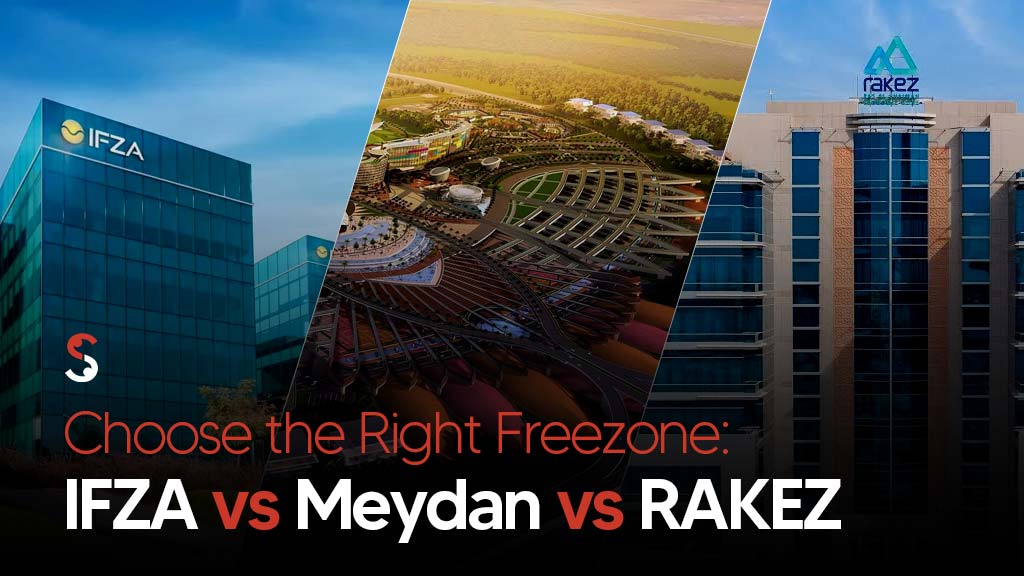
  • Choose the Right Free Zone: IFZA vs Meydan vs RAKEZ

    Choose the Right Free Zone: IFZA vs Meydan vs RAKEZ

    When it comes to Freezone company setup in Dubai, choosing the proper jurisdiction can make all the difference to your business success. With over 42 free zones across the UAE, each offering its own set of benefits, incentives, and industries, the decision can feel overwhelming.  

    Among the most sought-after options are IFZA (International Free Zone Authority), Meydan Free Zone, and RAKEZ (Ras Al Khaimah Economic Zone) — each known for its flexible setup options, competitive pricing, and investor-friendly policies. 

    Whether you’re a freelancer, a startup, or an established company looking to expand into the UAE market, understanding the core differences between these three free zones is essential. From license types and office solutions to visa eligibility, business activity approvals, and ease of doing business, this blog will break down everything you need to know. Let’s dive into the features and cost of IFZA, Meydan, and RAKEZ to help you choose the best free zone for your Dubai free zone company setup. 

    Understanding Free Zones in the UAE 

    The United Arab Emirates (UAE) is a global hub for business and entrepreneurship, mainly due to its extensive network of free zones. These designated economic areas offer foreign investors 100% ownership, tax exemptions, and simplified business setup processes.  

    If you’re planning a Freezone company setup in Dubai, understanding your options is crucial. In this section, we’ll explore three popular choices: IFZA, Meydan, and RAKEZ, and help you compare them. 

    IFZA Free Zone (Dubai Silicon Oasis) 

    The International Free Zone Authority (IFZA) is one of the most popular and affordable free zones in Dubai. It’s located in Dubai Silicon Oasis, a tech-focused business hub, giving your company a prestigious address while keeping costs low. 

    Key Benefits of IFZA 

    Here are the main benefits of setting up your business in the IFZA Free Zone: 

    • Low-Cost Setup: Business license packages start at just AED 14,900, making it one of the best options in Dubai. 
    • Quick Setup: Your company can be registered in just 2–3 working days, making it ideal if you need a fast launch. 
    • Flexible Licensing: IFZA allows a wide range of business activities under one license, so you don’t have to choose just one niche. 
    • Dubai Location, Lower Costs: You enjoy the benefits of being based in Dubai, including access to infrastructure and global markets, while also benefiting from the affordability of a free zone. 
    • Full Ownership: As a foreigner, you receive 100% ownership of your company, along with full rights to receive all profits and capital. 

    IFZA is a wise choice for startups, entrepreneurs, and SMEs looking for an affordable yet professional setup in Dubai. 

    MEYDAN Free Zone (Dubai) 

    Meydan Free Zone is a premium business setup option situated in the heart of Dubai, near the renowned Meydan Hotel and Racecourse. It’s a great fit for entrepreneurs, consultants, digital startups, and e-commerce businesses who want a Dubai presence without the high cost. 

    Key Benefits of Meydan Free Zone 

    • Prime Dubai Location: Enjoy a prestigious address in the heart of the city, which adds credibility to your business. 
    • Flexible & Affordable Licenses: Select from competitive packages that are easily upgradeable as your business expands. 
    • No Audit or Bookkeeping Hassles: Unlike many other zones, Meydan does not require annual audits or bookkeeping, saving you time and costs. 
    • 100% Foreign Ownership: You have complete control of your company, with no local sponsor required. 
    • Mix & Match Business Activities: Start multiple services or product lines under a single license, providing business flexibility. 

    Meydan Free Zone is ideal for professionals and digital entrepreneurs seeking a central Dubai location, low compliance requirements, and complete business freedom. 

    RAKEZ Free Zone (Ras Al Khaimah) 

    Ras Al Khaimah Economic Zone (RAKEZ) is one of the most affordable and versatile free zones in the UAE. Located in the northern emirate of Ras Al Khaimah, it serves a wide variety of businesses, from freelancers and small startups to industrial manufacturers. 

    Key Benefits of RAKEZ Free Zone 

    • Ultra-Low-Cost Setup: Start your business for just AED 12,000*, making RAKEZ perfect for budget-conscious entrepreneurs. 
    • Industrial & Warehousing Facilities: RAKEZ offers ready-to-use warehouses, land for development, and industrial zones, all of which are ideal for manufacturing and logistics businesses. 
    • Excellent Connectivity: Get easy access to major ports, highways, and airports, making it a strong choice for import/export and supply chain operations. 
    • Support for All Business Sizes: Whether you’re a freelancer, an SME, or a full-scale factory owner, RAKEZ has customizable packages to suit your business model. 
    • Customised Solutions: Choose from a wide range of license types and facility options depending on your goals — whether it’s trading, services, or production. 

    RAKEZ is ideal for entrepreneurs seeking a low-cost, flexible, and scalable business setup, particularly in sectors such as logistics, manufacturing, and services. 

    Cost Comparison: IFZA vs MEYDAN vs RAKEZ Freezone 

    Free Zone  Starting License Cost  Location  Best For 
    IFZA  AED 14,900*  Dubai Silicon Oasis  SMEs, consultants, tech startups 
    Meydan  AED 16,500*  Downtown Dubai  Freelancers, digital businesses 
    RAKEZ  AED 12,000*  Ras Al Khaimah  Budget startups, industrial units 

    Note: Prices are approximate and may vary depending on license type and business activity. 

    Not sure which free zone fits? Get our advisor’s top pick — free.

    How to Choose the Right Free Zone for Your Dubai Company Setup 

    When you’re starting a business in the UAE, setting up a free zone can be a wise choice. Free zones offer benefits like 100% foreign ownership, easy setup, and tax advantages. However, not all free zones are the same; each one is designed for a specific type of business, budget, and needs. Here’s what you should think about before choosing one: 

    1. Type of Business 

    Different free zones are more suitable for various industries. 

    • If your business is in the tech, online services, freelancing, or consulting sector, then IFZA or Meydan Free Zone are good choices. They’re modern, flexible, and business-friendly. 
    • If you’re involved in manufacturing, trading large volumes, or logistics, then RAKEZ (Ras Al Khaimah Economic Zone) is an ideal choice. It features large industrial spaces and offers improved access to ports and highways. 

    2. Budget 

    How much money can you spend to start? 

    • IFZA and RAKEZ are known for being more affordable, especially for startups and small businesses. 
    • Meydan is slightly more premium but offers a prestigious Dubai address and flexible office plans. 

    3. Location Preference 

    Do you want your business registered in Dubai, or are you okay with being in another Emirate? 

    • A Dubai-based free zone (like Meydan or IFZA) might give you a better image and trust with clients. 
    • RAKEZ, based in Ras Al Khaimah, is more cost-friendly and still offers many good facilities. 

    4. Business Growth 

    Can the free zone support your growth? 

    • Choose a free zone that allows you to add more business activities, hire additional staff, or upgrade your license easily in the future, without incurring excessive paperwork or costs. 

    5. Access to Transport & Markets 

    Are you dealing with goods, exports, or shipments? 

    • Then, pick a zone like RAKEZ, which is well-connected to ports, airports, and highways, making it easier and more cost-effective to move products. 

    Pro Tip: 

    There’s no one-size-fits-all. Think about: 

    • What your business needs right now 
    • What do you want to do in the future

    Then match your plan with a free zone that supports your goals. 

    Which Free Zone Should You Choose? 

    Choosing the correct free zone depends on your business type, budget, and growth plans. Here’s a quick comparison to help you decide: 

    Choose IFZA (Dubai Silicon Oasis) if you want: 

    • Affordable startup cost (starting from AED 12,900) 
    • Quick registration (2–3 working days) 
    • A wide range of activities under one license 
    • A Dubai address with lower setup costs 

    Best for: Freelancers, startups, consultants, online businesses 

    Choose MEYDAN Free Zone (Dubai) if you want: 

    • A prestigious central Dubai location 
    • No audit or bookkeeping requirements 
    • The ability to combine multiple business activities 

    Best for: E-commerce, digital services, influencers, professionals 

    Choose RAKEZ (Ras Al Khaimah) if you want: 

    • Ultra-low-cost setup (starting from AED 5,750*) 
    • Warehousing or industrial space 
    • Excellent connectivity to ports and airports 
    • Packages customised for SMEs, freelancers, and manufacturers 

    Best for: Manufacturing, logistics, trading, industrial businesses 

    Still Confused? Ask Yourself: 

    • What is my business model? 
    • Do I need a Dubai location, or can I save by choosing another Emirate? 
    • How much am I ready to spend upfront? 
    • Will I need a warehouse or an office? 
    • Do I want fast growth and expansion options? 

    Final Tip: If you want affordability with a Dubai address, IFZA is a great option. For a more prestigious image, Meydan wins. For large-scale or cost-sensitive operations, RAKEZ is the ideal choice. 

    Recommended Free Zones Based on Business Type 

    To help you choose the right Free Zone for your company setup in Dubai or the UAE, here’s a breakdown of which Free Zone works best for specific types of businesses: 

    For Tech Startups, IT Services & Digital Businesses 

    Recommended: IFZA or Meydan Free Zone (Dubai) 

    • Virtual license options 
    • Fast setup and low paperwork 
    • Suitable for software, app development, digital marketing, etc. 

    For E-commerce & Online Stores 

    Recommended: Meydan Free Zone 

    • Located in central Dubai with a prestigious business address 
    • Virtual office solutions are ideal for online sellers 
    • Combine multiple activities under one license 

    For Trading, Import/Export & Logistics 

    Recommended: RAKEZ Free Zone 

    • Easy access to ports, highways, and airports 
    • Cost-effective licenses and warehousing options 
    • Ideal for physical goods, supply chain, and distribution 

    For Consultants, Freelancers & Coaches 

    Recommended: IFZA or RAKEZ 

    • Low-cost licenses 
    • A wide range of professional activities supported 

    For Manufacturing & Industrial Businesses 

    Recommended: RAKEZ 

    • Access to large land plots, warehouses, and labour facilities 
    • Industrial zone infrastructure 
    • Close to transport hubs for easy shipping 

    For SMEs & General Services Businesses 

    Recommended: IFZA or RAKEZ 

    • Affordable and flexible packages 
    • Suitable for various business activities 
    • Scalable license structures as your business grows 

    For High-Image or Prestige-Driven Brands 

    Recommended: Meydan Free Zone 

    • Located next to the Meydan Hotel and the Racecourse 
    • Professional image and central Dubai location 
    • Great for consultants, media firms, or luxury service providers 

    Tip: Match your business goals, activity type, and growth plan with the Free Zone’s strengths to make the most cost-effective and strategic decisions. 

    Compare 40+ UAE free zones with expert guidance — Shuraa India advisors have placed companies in every major UAE free zone.

    Make the Smart Move with Shuraa India!  

    Choosing between IFZA, Meydan, and RAKEZ depends on your business model, budget, and long-term goals — but one thing is certain: the right Freezone company setup in Dubai can be a game-changer for your business. Whether you prioritize affordability, prestige, location, or industrial support, each of these free zones brings something unique to the table. 

    But navigating through all these options can still feel overwhelming. That’s where Shuraa India comes in. With years of experience in UAE business setups, Shuraa India acts as your trusted partner — helping you select the ideal free zone, handle all legal paperwork, register your company quickly, and ensure full compliance, all while saving you time, money, and effort. 

    So, if you’re planning a Freezone company setup in Dubai, let Shuraa India simplify the process and guide you toward success — whether it’s in IFZA, Meydan, or RAKEZ.  Your vision, our expertise — let’s build your UAE business together. 

  • UAE Golden Visa Salary Requirement

    UAE Golden Visa Salary Requirement

    Offering long-term residency, the UAE Golden Visa is designed for investors, talented professionals, and outstanding individuals across various fields. It is a highly sought-after option for individuals aiming to build a future in the Emirates. Income is one of the primary eligibility factors for obtaining the UAE Golden Visa.

    Understanding the Salary Requirements for the Golden Visa in the UAE is essential for applicants, especially those employed in the private or public sectors. This blog breaks down the Salary Requirements for Golden Visa Dubai, helping you determine whether your current earnings qualify you for this prestigious visa. 

    What is a Golden Visa in the UAE? 

    A Golden Visa in the UAE grants long-term residency to foreign nationals, enabling them to reside, work, and study without the requirement of a local sponsor. It is typically given for 5 or 10 years, depending on the applicant’s eligibility, and is automatically renewable. 

    Key Features of the UAE Golden Visa: 

    • Long-term residency (5 or 10 years) 
    • No need for a local sponsor 
    • Full ownership of a mainland business 
    • Ability to sponsor family members, including spouse, children, and even domestic help 
    • Multiple entries are allowed during the visa issuance process 
    • Renewable as long as the eligibility criteria are met 

    Who Is Eligible? 

    Eligibility for the UAE Golden Visa is limited to specific categories of individuals, such as: 

    • Investors (in real estate or business) 
    • Entrepreneurs 
    • Skilled professionals (doctors, engineers, scientists, etc.) 
    • Outstanding students and graduates 
    • Creative individuals in culture and art 
    • Frontline workers 
    • Humanitarian pioneers 

    Its purpose is to attract and retain skilled individuals and investors who actively contribute to the growth and development of the UAE. 

    What is the new rule for the UAE Golden Visa?

    The UAE introduced new updates to the Golden Visa program in 2026, making long-term residency more accessible for property investors. Here’s what’s new: 

    1. Simplified Eligibility 

    To secure a Golden Visa, individuals must own property worth AED 2 million or more, regardless of whether it’s off-plan, completed, mortgaged, or unmortgaged. The emphasis is now on overall property value, not payment structure. 

    2. No More Minimum Down Payment 

    The previous requirement of a minimum AED 1 million down payment has been scrapped. Investors can now qualify without needing to pay a fixed upfront amount. 

    3. 10-Year Renewable Residency 

    Successful applicants receive a 10-year residency visa, which is renewable under the same conditions, offering long-term stability and peace of mind. 

    4. Wider Property Inclusions 

    The new rules allow applicants to choose from a broader selection of real estate assets that meet the AED 2 million threshold. This provides investors with greater flexibility to align their residency goals with their property choices. 

    These revisions reflect the UAE’s commitment to attracting global investors and fostering a more inclusive, investment-friendly environment for long-term residents. 

    What is the Minimum Salary Requirement for a Golden Visa in the UAE? 

    As of 2026, the minimum monthly salary required to apply for the UAE Golden Visa under the skilled worker category is AED 30,000. 

    This applies to professionals classified under the first or second occupational level by the Ministry of Human Resources and Emiratisation (MOHRE). These typically include doctors, engineers, executives, IT professionals, and other highly specialised professionals. 

    However, Dubai’s immigration and free zone authorities may request additional documentation, such as: 

    • Attested employment contracts 
    • Proof of salary through bank statements or pay slips 
    • Academic qualification certificates (bachelor’s degree or higher) 

    Golden Visa Categories and Salary Criteria 

    Here’s a quick look at how salary factors into different Golden Visa categories: 

    Category  Salary Requirement 
    Skilled Professionals  AED 30,000/month 
    Real Estate Investors  No salary requirement 
    Entrepreneurs  No fixed salary, but business revenue may be evaluated 
    Outstanding Students/Graduates  No salary requirement 
    Scientists & Researchers  No salary requirement 

    Can I Apply If I Earn Less Than AED 30,000? 

    If your salary is below AED 30,000, you may not qualify under the skilled professional route, but you can explore alternative Golden Visa categories, such as: 

    • Property investment (minimum property value AED 2 million) 
    • Business establishment and ownership 
    • Exceptional talent (subject to recommendations or endorsements)

    Understanding the salary requirements for Golden Visa UAE is crucial if you’re applying under the skilled employment route. Dubai, being a global hub, offers a streamlined process, but it’s essential to meet the eligibility benchmarks to maximise your chances. 

    To ensure a smooth application, consult with business setup or immigration professionals who can help align your salary documents and qualifications with the current Golden Visa guidelines in Dubai and the wider UAE. 

    UAE Golden Visa Requirements: Eligibility Criteria 

    The UAE Golden Visa provides long-term residency to individuals who make significant contributions to the country’s economy and development.  

    The requirements vary based on the applicant’s category: investor, entrepreneur, exceptional talent, student, or humanitarian contributor. Below is a detailed breakdown of eligibility criteria for each category. 

    1. Investors in Public Investments (10-Year Visa) 

    Eligibility may apply if you invest in a UAE-approved investment fund and provide the following documents: 

    • A letter from a certified investment fund confirming a deposit of at least AED 2 million, or 
    • A commercial or industrial license accompanied by a memorandum of association that reflects a capital of at least AED 2 million, and 
    • A letter from the Federal Tax Authority proving an annual tax contribution of AED 250,000 or more. 

    Additional Conditions: 

    • You must fully own the invested capital (not financed by a loan). 
    • Proof of valid medical insurance for yourself and dependents. 

    2. Real Estate Investors (5-Year Visa, Renewable) 

    You may qualify if: 

    • You own property or properties worth AED 2 million or more (verified by a letter from the relevant emirate’s Land Department). 
    • The property can be financed, but only through specific local banks that local authorities have approved. 

    3. Entrepreneurs (5-Year Visa) 

    Eligibility is granted if you own a project of a technical or future-oriented nature based on innovation and risk-taking. Required documents include: 

    • An auditor’s confirmation that the project is valued at AED 500,000 or more. 
    • An approval letter from local authorities confirming the project’s future or technical nature. 
    • An endorsement from a certified UAE business incubator. 

    4. Outstanding Specialised Talents (10-Year Visa) 

    Eligible categories include doctors, scientists, inventors, creatives, executives, athletes, and specialists in key scientific fields. 

    Requirements by Talent Type: 

    • Doctors: Approval from the UAE Ministry of Health and Prevention. 
    • Scientists: Recommendation from the Emirates Council of Scientists or the Mohammed bin Rashid Medal for Scientific Excellence. 
    • Inventors: Patent recognised by the Ministry of Economy with proven economic value. 
    • Artists & Cultural Figures: Approval from the relevant emirate’s Department of Culture and Arts. 
    • Executives: 
    • Accredited bachelor’s degree or higher. 
    • Minimum 5 years’ experience in a similar role. 
    • Salary certificate (minimum AED 50,000). 
    • Valid employment contract.
    • Athletes: Recommendation from the General Sports Authority or local sports council. 
    • Engineering & Science Specialists: Bachelor’s/Master’s degree (certified) + valid employment contract. 

    Engineering/Science Fields Include: 

    • AI, big data, software/electronics/computer engineering 
    • Epidemiology & virology 
    • Electrical engineering 
    • Genetics & biotechnology 

    5. Outstanding Students 

    High School Students (5-Year Visa, Renewable) 

    Eligibility is: 

    • UAE national topper with 95%+ in public/private school. 
    • Recommendation from the Ministry of Education. 

    University Students (10-Year Visa) 

    • Enrolled in a UAE university rated A or B class by the Ministry of Education. 
    • GPA ≥ 3.5 (A class) or ≥ 3.8 (B class). 
    • Must apply within 2 years of graduation. 

    Students from Foreign Universities (10-Year Visa) 

    • Graduated from a top 100 university (as per MoE-approved rankings). 
    • GPA ≥ 3.5. 
    • Graduation must be within the past 2 years. 
    • The certificate must be MoE-accredited. 

    6. Pioneers of Humanitarian Work (10-Year Visa) 

    You must meet at least one of the following: 

    • Worked with international or regional humanitarian organisations for 5+ years. 
    • Served in civil/public interest institutions for 5+ years. 
    • Received an award from a recognised humanitarian body. 
    • Donated/supported humanitarian work worth AED 2 million or more. 

    7. Frontline Heroes 

    Frontline professionals who served during crises like COVID-19 are eligible upon: 

    • Recommendation from the Frontline Heroes Office. 
    • Applicable to nurses, lab techs, pharmacologists, and similar medical personnel. 

    How much does a UAE Golden Visa cost?

    The cost of obtaining a UAE Golden Visa in 2026 typically starts from around AED 5,000* to AED 35,000, but the final amount can vary based on several factors. These include the applicant’s category, such as investor, skilled professional, entrepreneur, or student, as well as whether the application is being made from inside or outside the UAE.  

    Additional expenses may include medical examination fees, Emirates ID application charges for a 10-year period, and other administrative or typing service costs. Applicants applying from within the UAE may also need to pay visa status adjustment fees. 

    While the government sets the base fee, optional costs such as document translation, legal attestation, property valuation (for investors), and professional service charges can increase the overall cost. It’s always advisable to consult with an authorised business setup firm, such as Shuraa India, to obtain a customised estimate and ensure that all documents and procedures are handled correctly. 

    Get Your UAE Golden Visa with Shuraa India! 

    The UAE Golden Visa is more than just a long-term residency; it’s a gateway to a stable and prosperous future in one of the world’s most dynamic regions. Understanding the Salary Requirements for Golden Visa UAE is vital, especially for skilled professionals and executives seeking to secure their place in the Emirates.

    Whether you’re applying through employment, investment, or exceptional talent, meeting the eligibility benchmarks, such as the Salary Requirements for the Golden Visa in Dubai, is the first step to unlocking this opportunity. 

    To avoid errors and delays, it’s strongly recommended to work with a trusted advisory firm. Shuraa India offers expert guidance customised to your profile, helping you get through the application process with clarity and confidence. From assessing your salary eligibility to aligning your documentation, Shuraa ensures your Golden Visa journey is smooth and successful. 

  • How to Start a Company in Dubai from the Netherlands?

    How to Start a Company in Dubai from the Netherlands?

    Thinking about expanding your business horizons? If you’re based in the Netherlands and looking to get into the booming Middle Eastern market, Dubai offers an ideal gateway. With its investor-friendly policies, tax benefits, and top infrastructure, Dubai is a top destination for international entrepreneurs.  

    Start a company in Dubai from the Netherlands with ease by understanding the legal procedures, choosing the right business structure, and navigating the local regulations. This guide covers everything you need to know for a smooth business setup in Dubai from the Netherlands, helping you turn your global vision into reality. 

    Is it Profitable to Start a Company in Dubai from the Netherlands?  

    Yes, starting a company in Dubai from the Netherlands can indeed be profitable, given the emirate’s strategic policies, booming economy, and favourable business environment. Here’s an updated snapshot with 2025 and forecasted trends: 

    Key Advantages & Economic Drivers 

    1. Foreign Ownership & Free Zones

    • 100% foreign ownership is now permitted in most sectors, including those on the mainland, eliminating the need for a local partner. 
    • Free zones (e.g., DIFC, DMCC, Dubai Internet City) offer 0% corporate tax, full profit return, and no personal income tax.  

    2. Tax Structure

    • Corporate tax is 0% on profits up to AED 375K, then a competitive 9%; free zone profits can remain tax-free. 
    • No personal income tax, low VAT (5%), and low import duties—all enhancing net profitability. 

    3. Infrastructure & Location

    • Dubai is a gateway to Asia, Africa, and Europe, boasting world-class airports, ports, logistics, and telecommunications infrastructure that make it an ideal hub for international trade and travel. 
    • DIFC and tech parks offer legal certainty (common-law court system, English contracts) and a trusted environment for financial and tech firms. 

    2024–2025 Stats & Trends 

    1. Foreign Direct Investment (FDI) 

    • 1,117 FDI projects worth AED 52.3 billion (~US$14.2 billion), a 33% year-over-year increase.  
    • 801 greenfield projects valued AED 21.85 billion (~US$5.9 billion) — top globally for greenfield investment. 

    2. Economic Growth 

    • Non-oil GDP is projected to grow by +4% in 2024 and +5.1% in 2025. 
    • The non-oil sector now accounts for ~75% of GDP, with rising investments in technology, finance, logistics, green energy, and healthcare.

    3. Tourism & Real Estate 

    • 18.7 million tourists in 2024 (+9%) with 78% hotel occupancy—vital revenue for retail and services. 
    • Property prices up 75% since 2021 (~AED 1,750/sq ft); rental yields between 7–9% in prime areas expected to hold through 2025.

    4. Aviation & Logistics 

    • Emirates Airlines’ profit rose ~20% to Dh 21.2 billion (~US$5.8 billion) for FY ending March 2025 — aviation is 15% of Dubai’s GDP. 
    • Dubai International Airport handled ~92 million passengers in 2024, with a $35 billion new airport project underway. 

    5. Business Confidence & Tech 

    • 90% of GCC CEOs expect revenue growth in 2025; 70% believe GenAI will boost profits within 12 months. 
    • Startup funding in the UAE is accelerating, especially in AI, fintech, climate tech, and health tech.  

    Outlook: 2025–2027 

    Metric/Trend  2025 Forecast  2026–2027 Projection 
    GDP Growth  4%–5.1% annual growth  Continued 4–5% growth 
    FDI Inflows  AED 240 billion annually target by 2031  Sustained high inflows 
    Real Estate  Price stabilisation from 2025–26; rental yield stable  More supply easing prices 
    Tech Sector  Continued in AI, fintech, and green tech  Support via free zones & incentives 
    Corporate Tax  9% standard, free zone 0% + Pillar 2 top-up 15% from 2025  Compliance is aligned with the OECD 

    From the Netherlands: Benefits 

    • Tax efficiency: Netherlands–UAE double-tax treaty allows for return of profits tax-free. 
    • Sector alignment: Dutch strengths in technology, logistics, renewable energy, and finance align with Dubai’s priorities. 
    • Market access: Dubai-based unlocks MENA, Africa, South Asia markets—ideal for trade and services. 
    • Operational ease: Free zone incorporation is fast; many support services cater to European firms. 

    Final Verdict 

    • Profitability potential: Powerful, thanks to tax benefits, infrastructure, FDI inflows, and sector alignment. 
    • 2025–27 outlook: Sustained economic growth, robust investment climate, thriving real estate & tourism. 
    • Dutch entrepreneurs are well-positioned to gain, particularly in fintech, green energy, logistics, and the creative industries. 

    Benefits of Starting a Business in the UAE 

    Starting a business in the UAE offers several compelling benefits, making it a prime destination for entrepreneurs, investors, and global companies. Here’s a breakdown of the key benefits of starting a business in the UAE: 

    1. Prime Global Connectivity 

    The UAE’s geographic position makes it a gateway between Europe, Asia, and Africa. This strategic location enhances trade, logistics, and global connectivity, making it an ideal base for companies looking to access international markets efficiently. 

    2. Attractive Tax regime 

    The UAE offers a beautiful tax environment. There’s a 0% corporate tax rate on profits up to AED 375,000 and a 9% rate on income exceeding that threshold. Individuals benefit from zero personal income tax, and many free zones offer full tax exemptions for a specified period. 

    3. 100% Foreign Ownership 

    Foreign investors can now entirely own companies in most sectors, both in the mainland UAE and in free zones, without the need for a local sponsor or partner. This provides greater control and flexibility for business operations. 

    4. Strong and Diversified Economy 

    With a well-diversified economy, the UAE thrives beyond its oil sector. Industries such as tourism, real estate, finance, technology, and healthcare are experiencing significant growth, and GDP is expected to remain strong in the coming years, creating a stable environment for long-term investments. 

    5. Advanced Business Infrastructure 

    From ultramodern airports and ports to advanced road networks and smart cities, the UAE boasts infrastructure. High-speed internet, efficient public services, and premium office spaces support seamless business operations. 

    6. Easy Company Setup Process 

    Setting up a business in the UAE is a fast and streamlined process. Entrepreneurs can complete registrations, licensing, and visa applications through digital government platforms or with the support of business consultants, with minimal paperwork and delays. 

    7. Free Zones and Incentives 

    The UAE offers over 42+ free zones that serve various industries, including technology, media, logistics, and finance. These zones provide significant incentives, including 100% foreign ownership, profit repatriation, customs duty exemptions, and no currency restrictions. 

    8. Political and Economic Stability 

    The UAE has a stable political system, a strong legal framework, and strong financial institutions. It is considered one of the safest countries in the world, which boosts investor confidence and ensures long-term business continuity. 

    9. High Quality of Life 

    Business owners and employees in the UAE enjoy a high standard of living. With modern housing, world-class healthcare, international schools, and vibrant entertainment options, the country offers an exceptional lifestyle for expats and their families. 

    10. Access to Global Talent 

    The UAE attracts a diverse and skilled workforce from around the world. Visa reforms, such as the Golden Visa, facilitate the hiring and retention of top international talent across various sectors, including technology, finance, and creative industries. 

    How to Start a Company in Dubai from the Netherlands? 

    Expanding your business horizon to Dubai can be a strategic move for Dutch entrepreneurs seeking to enter a thriving international market. With its investor-friendly policies, top-notch infrastructure, and prime location, Dubai provides a lucrative environment for Dutch entrepreneurs. This guide outlines the essential steps for a successful business setup in Dubai from the Netherlands. 

    Step 1: Define Your Business Activity 

    Before initiating the setup process, clearly define your intended business activity. Dubai Department of Economy and Tourism (DET) categorises thousands of commercial, industrial, and professional activities. This step determines: 

    Step 2: Choose a Legal Structure 

    Select the most suitable legal structure for your business. Common options include: 

    For Dutch entrepreneurs, Free Zone companies are popular due to the benefits of 100% foreign ownership and tax incentives. 

    Step 3: Select the Right Jurisdiction 

    Dubai offers three main jurisdictions: 

    • Mainland: Ideal for businesses targeting the UAE market directly. 
    • Free Zone: Offers complete ownership and tax benefits. 
    • Offshore: Best for international business operations without a physical presence.

    Choosing the right jurisdiction is crucial for setting up your business in Dubai from the Netherlands, depending on your specific goals and operational needs. 

    Step 4: Register Your Company Name 

    Reserve a unique trade name through the DET or the relevant Free Zone Authority. Make sure your name: 

    • Reflects your business activity 
    • It is not offensive or religious 
    • Is not already registered 

    Step 5: Apply for Initial Approval 

    Obtain initial approval from the relevant authorities to proceed with setting up your company. This step ensures the UAE government has no objection to your business activity or identity. 

    Step 6: Lease an Office Space or Use Flexi-Desk Option 

    To start a company in Dubai from the Netherlands, you need a physical address. Free Zones offer Flexi-desk or innovative office solutions for remote operations. For mainland businesses, a tenancy contract is required. 

    Step 7: Get Approvals & Licenses 

    Depending on your activity and jurisdiction, you’ll need specific approvals: 

    • DET license for mainland companies 
    • Free Zone license (e.g., DMCC, IFZA, Dubai South, etc.) 
    • External approvals from municipalities or ministries (if applicable) 

    Once approved, your business license will be issued. 

    Step 8: Open a UAE Corporate Bank Account 

    To operate in the UAE, open a business bank account with a local or international bank. Requirements may include: 

    • Trade license copy 
    • Shareholder documents 
    • Proof of business activity 
    • Business plan and invoices 

    Some banks may require your physical presence, while others offer remote onboarding with the help of business setup consultants. 

    Step 9: Apply for Visas 

    As a business owner, you can apply for a UAE investor visa. You can also sponsor employees or family members. The visa process involves: 

    • Medical tests 
    • Emirates ID application 
    • Residency stamping 

    Step 10: Work with a Business Setup Consultant 

    Given the complexities of cross-border incorporation, it’s advisable to work with a business setup expert in Dubai who is familiar with the Netherlands. They can: 

    • Assist with documentation and approvals 
    • Help choose the right Free Zone or jurisdiction 
    • Offer banking and PRO services 
    • Speed up your license process remotely   

    Starting a company in Dubai from the Netherlands offers a gateway to the Middle Eastern, African, and Asian markets. With the proper guidance and preparation, Dutch entrepreneurs can set up a profitable and compliant business entity in the UAE — all without leaving their home country. Collaborating with experienced consultants, such as Shuraa, ensures a hassle-free experience, allowing you to focus on business growth. 

    Documents Required to Start a Business in Dubai, UAE 

    To start a company in Dubai from the Netherlands, you’ll need to prepare and submit several essential documents. These are required by UAE authorities to verify your identity, business purpose, and legal compliance. Below is a detailed list of documents typically required for business setup in Dubai:  

    1. Passport Copies 
    2. Passport-size Photographs 
    3. Residence Proof in the Netherlands 
    4. UAE Entry Stamp/Visa Copy (if you have visited the UAE before) 
    5. Certificate of Incorporation (attested) 
    6. Memorandum & Articles of Association (MOA & AOA) 
    7. Power of Attorney (PoA) 
    8. Initial Approval Certificate 
    9. Office Lease Agreement / Tenancy Contract (Ejari) 
    10. Draft Memorandum of Association (MOA) 

    All corporate documents must be attested by: 

    1. Netherlands Ministry of Foreign Affairs 
    2. UAE Embassy in the Netherlands 
    3. UAE Ministry of Foreign Affairs (MOFA) 

    Cost of Starting a Business in Dubai, UAE 

    Starting a business in Dubai can cost anywhere between AED 10,000 to AED 50,000* for Netherlands citizens. The final amount depends on various factors such as the type of business license, company size, and whether you choose a mainland or free zone setup. For an accurate quote, please feel free to contact our experts at Shuraa Business Setup. 

    Start a Company in Dubai with Shuraa! 

    Starting a company in Dubai from the Netherlands is more than just a strategic expansion — it’s a high-potential move into a thriving, innovation-led economy. With 100% foreign ownership, investor-friendly tax structures, and access to global markets, Dubai offers unmatched advantages for Dutch businesses. 

    The business setup in Dubai from the Netherlands is streamlined, especially with the support of free zones, double-taxation treaties, and digitized procedures. Whether you’re in fintech, logistics, renewable energy, or professional services, the UAE provides the infrastructure, policy environment, and profitability to scale your business efficiently. 

    Partnering with experts like Shuraa India can make your business setup journey even more seamless — from documentation and approvals to licensing, banking, and visa processing. With their deep understanding of UAE regulations and support customised for Dutch entrepreneurs, you can confidently launch and grow your venture without leaving your home country. 

  • Start a Building Materials Trading Company in Dubai

    Start a Building Materials Trading Company in Dubai

    Dubai’s skyline continues to grow, showcasing the strength of the construction industry. In 2024, the UAE’s construction market was valued at $69.5 billion and is projected to reach $108.7 billion by 2033. The demand for construction materials alone is set to grow from $16.2 billion in 2024 to $16.7 billion in 2025. 

    This growth is an excellent time for anyone considering setting up a building materials trading business in Dubai. It’s a viable business opportunity that can be incorporated into a general trading license. With proper planning, now is an ideal time to start a trading business in the UAE and capitalise on the growing construction industry. 

    Is It Profitable to Start a Building Materials Trading in the UAE?  

    Yes, starting a trading business in the UAE can be highly profitable, especially for those looking to start a Building Materials Trading Company in Dubai. The UAE’s strong, diversified, and fast-growing economy—particularly in non-oil sectors—creates a high demand for construction materials.

    Key Reasons  

    • Record-Breaking Trade: In recent years, the UAE’s non-oil foreign trade reached a record AED 3 trillion (approximately $817 billion), representing a 14.6% increase from 2023. This growth is much higher than the global average of just 2.4%.  
    • Trade Agreements Boost Business: The UAE has signed special trade deals called Comprehensive Economic Partnership Agreements (CEPAs). In 2024, trade with CEPA partner countries grew by 42.3%, adding AED 135 billion to the economy.  

    Other Economic Highlights  

    • Green Energy Growth: UAE company Masdar bought Greece’s Terna Energy to expand its clean energy projects, aiming for 100 gigawatts of capacity by 2030.  
    • Strong Financial Sector: Dubai’s financial sector is experiencing rapid growth. The Dubai Financial Services Authority (DFSA) is hiring skilled professionals worldwide.  
    • Stable Market Conditions: Gulf stock markets have remained stable despite global challenges. For example, Saudi Arabia’s stock index rose 0.4% in April 2025.  

    With strong trade growth, supportive trade agreements, and a stable economy, the UAE presents an excellent opportunity for individuals seeking to establish a trading business.  

    Benefits of Setting up a Building Materials Trading

    Dubai’s rapid development and constant construction activity make it a prime location for the trading of building materials. With easy market access, business-friendly policies, and strong demand, establishing a presence in Dubai offers significant growth potential and long-term opportunities. 

    1. Perfect Location for Business 

    Dubai is known as a global trading hub. Its location connects the East and West, making it ideal for importing building materials from manufacturers in Asia and exporting them to Africa, Europe, or the rest of the Gulf Cooperation Council (GCC). With world-class ports like Jebel Ali Port and Al Maktoum Airport, shipping and logistics are fast and reliable. 

    2. High Demand from Construction Projects 

    Dubai’s construction sector never sleeps. From luxury villas and high-rise towers to government infrastructure and smart cities, there’s always something being built. The UAE Vision 2031 and projects like Dubai’s 2040 Urban Master Plan ensure that demand for building materials, such as steel, cement, tiles, wood, aluminium, and paint, will continue for years to come. 

    3. Lots of Buyers in the Market 

    In Dubai, your potential customers are everywhere. You can supply: 

    • Construction companies 
    • Renovation contractors 
    • Interior designers 
    • Real estate developers 
    • Individual homeowners and retail shops 

    This broad target audience helps your business maintain steady sales and grow faster. 

    4. Easy Business Setup 

    Starting a building materials trading company is straightforward, either through the Dubai Department of Economy and Tourism (DET) or in a free zone. You can now enjoy:

    • 100% foreign ownership (in mainland and free zones) 
    • No personal income tax 
    • Fast license processing 
    • Access to investor visas, residence visas, and corporate bank accounts 

    5. Free Zone Options for Extra Perks 

    If you want complete control over your business and additional benefits, free zones like JAFZA, IFZA, or RAKEZ are ideal. These zones offer: 

    • Full profit return 
    • Custom-built storage and warehouse units 
    • Easy import/export process 
    • Affordable leasing options 
    • Freedom to hire international talent

    6. World-Class Storage & Transport 

    Dubai offers premium warehousing facilities equipped with temperature control, automation, and 24/7 security. You can also rely on a solid road network, air cargo services, and port connections to deliver materials within the UAE or export them quickly. 

    7. Great Networking Opportunities 

    Dubai hosts regular industry events and exhibitions, like: 

    • The Big 5 Dubai 
    • Middle East Concrete 
    • Cityscape Global 

    These platforms enable you to establish partnerships, connect with suppliers, discover new customers, and stay informed about global trends in the construction and building materials industries. 

    8. Trend Toward Eco-Friendly Materials 

    Dubai is serious about sustainability. Green Building Regulations and initiatives by Dubai Municipality encourage the use of: 

    • Solar energy systems 
    • Recycled or locally sourced materials 
    • Low-VOC paints 
    • Energy-efficient insulation 

    You can become a preferred supplier by stocking eco-certified or sustainable materials, which are increasingly being used in government and private sector projects. 

    9. Go Online and Grow 

    Digital presence matters. Launching an e-commerce platform or online catalogue can help you reach customers across the UAE and GCC. You can: 

    • Take online orders for bulk or wholesale purchases 
    • Offer delivery tracking 
    • Provide livestock availability 
    • Offer B2B invoicing and payment terms 

    10. Skilled Workers Available 

    Hiring staff is easier in Dubai. You can find professionals in: 

    • Sales and customer service 
    • Inventory and warehouse management 
    • Procurement and sourcing
    • Transport and delivery

    The multicultural workforce also brings expertise from different countries, adding value to your business. 

    Get your building materials trading license — free cost estimate

    Steps to Start a Building Materials Trading Company in Dubai

    Dubai’s rapid development and thriving construction sector offer strong opportunities for entrepreneurs looking to start a Building Materials Trading Company in Dubai. The city’s ongoing real estate projects, world-class infrastructure, and pro-business environment make it an ideal market for trading essential construction supplies.

    Below is a clear, step-by-step breakdown of the process to start a building materials trading business in Dubai, helping you understand the requirements.

    Step 1: Market Research and Business Planning 

    Begin thorough market research to understand the types of building materials in demand, such as steel, timber, cement, bricks, tiles, and insulation. Identify your customer base, whether they are contractors, construction firms, or wholesalers.  

    Decide whether you will operate as a distributor, wholesaler, or retailer. A clear and practical business plan that outlines your financial goals, operational setup, and logistics will lay the foundation for a successful business. 

    Step 2: Choose the Jurisdiction: Mainland or Free Zone 

    The next step in setting up a Building Materials Trading business in Dubai is selecting the right jurisdiction. If you want the freedom to trade directly across the UAE market and take on government projects, a Dubai Mainland license is recommended.  

    Alternatively, Free Zones such as RAKEZ, IFZA, or DAFZA offer benefits including full ownership, tax exemptions, and simplified processes. Still, they may limit onshore trading unless you appoint a local distributor. 

    Step 3: Select a Legal Structure 

    Choose a legal structure that aligns with your business vision. Most entrepreneurs opt for a Limited Liability Company (LLC), especially for mainland setups, as it allows multiple shareholders. You could also consider a sole establishment if you’re the only investor or open a branch of an existing foreign company if you’re expanding internationally. 

    Step 4: Pick the Right Business Activity 

    One of the most critical steps in setting up a Building Materials Trading in Dubai is choosing the correct business activity as per the official list provided by the Dubai Department of Economy and Tourism (DET) or your chosen free zone.  

    For a Building Materials Trading License in Dubai, you must select an activity that accurately reflects your core offerings, such as trading in construction materials, sanitary products, insulation materials, wood, or heavy equipment.  

    Step 5: Reserve Your Trade Name 

    Choose a unique business name that reflects your services. Make sure it adheres to Dubai’s naming guidelines, avoiding religious, political, or offensive terms. After approval, proceed to reserve it through the DET or the respective free zone authority.  

    Step 6: Apply for Initial Approval 

    Submit your initial approval request to get a no-objection certificate from the authorities. This allows you to proceed with the incorporation process. Required documents typically include copies of passports for all shareholders, visa pages, a trade name reservation certificate, and a certificate confirming the chosen business activity. 

    Step 7: Draft the MOA and Secure a Business Location 

    For mainland setups, draft the Memorandum of Association (MOA) that defines the roles of each partner and the nature of the business. This document must be signed in front of a notary public in Dubai. 

    Simultaneously, you must lease a physical office or warehouse space and obtain an Ejari tenancy contract. Free zone companies often offer flexible workspace options, including shared desks and virtual offices. 

    Step 8: Apply for the Building Materials Trading License in Dubai 

    Compile and submit all required documents—MOA, passport copies, initial approval, and trade name reservation—to the DET (for mainland) or the respective free zone authority. Once everything is approved, you’ll receive your Building Materials Trading License in Dubai, enabling you to commence operations officially. 

    Step 9: Get Additional Approvals if Required 

    Depending on the specific materials you plan to trade, additional approvals may be necessary. For example, if you’re dealing with chemicals, adhesives, or fire-rated materials, you might need clearance from Dubai Municipality, Civil Defence, or the Environment Department. 

    Step 10: Open a Corporate Bank Account 

    After your license is issued, open a corporate bank account in Dubai. Select a reputable bank and submit the required documents, including your license, Memorandum of Association (MOA), passport copies, and a copy of your tenancy contract. Most banks will conduct due diligence checks, so ensure your paperwork is complete and precise. 

    Step 11: Apply for Visas and Hire Employees 

    You can now apply for your investor visa, followed by employment visas for your team. Set up your company’s labour file, obtain an establishment card, and register with the Ministry of Labour and Immigration to facilitate smooth employee onboarding. 

    Step 12: Set Up Accounting and Operations 

    Ensure your business complies with UAE tax laws by registering for VAT with the Federal Tax Authority (FTA) if your turnover exceeds the threshold. Invest in accounting software or hire a local accountant to manage finances. At the same time, arrange logistics for importing and storing materials, whether through owned or third-party warehousing and transportation services. 

    Step 13: Launch and Scale Your Business 

    Once all formalities are complete, focus on expanding your network, establishing B2B partnerships, and exploring marketing strategies to enhance your brand visibility. You can also explore e-commerce platforms for bulk sales and consider exporting to other countries in the region. 

    Get Expert Support 

    While starting a Building Materials Trading Company in Dubai is a promising venture, it can be complex without expert help. Business setup consultants, such as Shuraa India, provide comprehensive support—from documentation and licensing to visa processing and bank account opening—ensuring a smooth, compliant, and efficient setup process. 

    Documents Required for Building Materials Trading

    If you’re planning to start a building materials trading company in Dubai, you must prepare and submit several key documents. Whether you’re setting up a building materials trading in Dubai on the mainland, in a free zone, or offshore, here’s a general list of the required documents: 

    • Passport copies 
    • Visa copies 
    • Emirates ID 
    • Passport-sized photographs with a white background 
    • Initial trade name reservation certificate 
    • Initial approval from DET (for mainland) or the Free Zone Authority 
    • Memorandum of Association (MoA) 
    • Lease Agreement / Tenancy Contract (E-office for mainland) 
    • No Objection Certificate (NOC) 
    • Business Plan 

    These documents are essential for establishing legal and operational compliance when you start a building materials trading company in Dubai. Proper documentation ensures a smoother process when setting up a building materials trading business in Dubai. 

    Cost of Building Materials Trading License in Dubai 

    The Cost of obtaining a Building Materials Trading License in Dubai typically costs between AED 15,000 to AED 50,000 (approximately), depending on several factors, including the business location, warehouse, and office space. Whether you’re setting up a Building Materials Trading in Dubai or expanding an existing venture, getting an accurate estimate customised to your needs is crucial.  

    For this, consulting with Shuraa India is highly recommended. If you’re ready to start your Building Materials Trading Company in Dubai, the proper guidance will ensure a smooth and cost-effective setup process. 

    We’ve licensed 300+ construction material & trading companies in Dubai — get a free setup plan in INR today

    Start your Building Materials Trading Company with Shuraa India! 

    Dubai is experiencing rapid growth, particularly in the construction sector. This creates a massive demand for essential supplies. If you’re planning to start a building materials trading company in Dubai, now is the perfect time to enter the market. 

    Setting up a general trading business in Dubai is simple and rewarding. The city offers countless benefits, like a strong economy, global connectivity, and a business-friendly environment. With the right support from Shuraa India, you can smoothly start your trading company and take advantage of this growing demand in the construction sector.