Blog

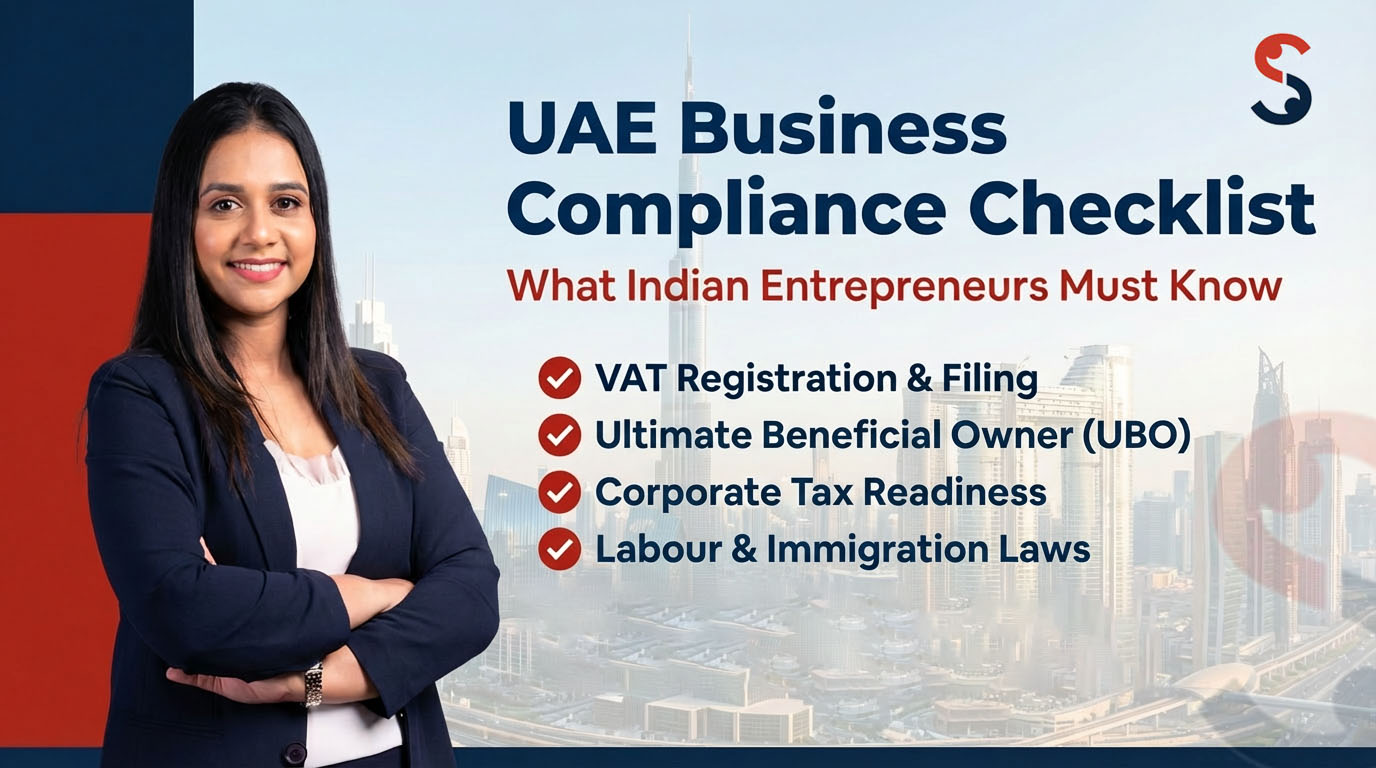
  • How to Become a Non-Resident in India (NRI)

    How to Become a Non-Resident in India (NRI)

    Lately, it seems like everyone in the Indian business world is talking about Dubai. And it’s not hard to see why. From high-growth startups to seasoned investors, thousands of Indians are making the move to the UAE. They are drawn by the promise of a tax-friendly environment, world-class lifestyle, and the chance to take their business global. 

    However, moving out of India also comes with some important financial and tax considerations. One of the biggest is understanding how to become a Non-Resident in India. Your residential status affects how your income is taxed in India, how your bank accounts are managed, and what compliance you need to follow. 

    If you don’t get the timing right, or if you don’t understand the ‘182-day rule’, you might find yourself paying taxes in India on money you earned in Dubai. 

    At Shuraa India, we’ve helped countless entrepreneurs make this move successfully. We handle the heavy lifting of setting up your business in Dubai, but we also make sure you understand the rules of leaving India correctly. 

    What Does “Non-Resident in India” Mean? 

    Your residential status in India is decided based on how many days you stay in the country during a financial year. It has nothing to do with your citizenship. Even if you are an Indian citizen, you can still be treated as a Non-Resident in India (NRI) for tax purposes. 

    The Indian Income Tax Department looks at a calendar and counts the days you’ve spent on Indian soil to decide whether you are a Resident or a Non-Resident (NRI) for that specific financial year. 

    Resident vs. Non-Resident: The Simple Breakdown 

    For most people, the rule is straightforward: 

    Resident: If you spend 182 days or more in India during a financial year (April 1 to March 31), you are a Resident. You are taxed on your global income (including what you earn in Dubai). 

    Non-Resident (NRI): If you spend less than 182 days in India, you generally qualify as an NRI. In this case, India only taxes the income you earn inside India (like rent from an Indian property). Your Dubai business profits stay yours. 

    Who Is Considered an NRI? 

    An NRI is an Indian citizen or a Person of Indian Origin (PIO) who lives outside India for: 

    • Employment or carrying out a business/vocation. 
    • Any other purpose indicating an intention to stay abroad for an uncertain period. 

    Basically, if you move to Dubai to start a company or take a job with the intention of staying there, you are on your way to becoming an NRI. 

    Why Does Residential Status Matter? 

    Your residential status plays a big role in your financial planning: 

    • Your Taxes: Residents pay tax in India on everything they earn worldwide. NRIs only pay tax on Indian-sourced income. 
    • Your Investments: As an NRI, you can’t keep a regular savings account; you’ll need to switch to NRE (Non-Resident External) or NRO (Non-Resident Ordinary) accounts. 
    • Business Growth: By becoming a Non-Resident, you can fully enjoy the 0% to 9% corporate tax rates in the UAE without the Indian government asking for a slice of those foreign profits. 

    Residential Status Under the Indian Income Tax Act 

    In India, you don’t just become an NRI the moment you land at DXB. The Income Tax Act categorizes you into one of three buckets based on your physical presence and history: 

    1. Resident (ROR – Resident and Ordinarily Resident) 

    This is likely your current status if you’ve been living and working in India. 

    • The Rule: You are here for 182 days or more in a year, or you’ve been here for 60 days this year + 365 days over the last 4 year. 
    • The Tax Impact: This is the Full Tax bucket. India taxes your global income. If you have a business in Dubai or investments in the US while being a Resident, the Indian government will want a share of those profits. 

    2. Non-Resident (NRI) 

    This is the goal for most Indians relocating to the UAE for business. 

    • The Rule: You spend less than 182 days in India during the financial year. (Note: If your Indian-sourced income is over ₹15 lakh, this limit might drop to 120 days). 
    • The Tax Impact: You only pay tax on what you earn inside India (like rent from a flat in Mumbai or interest on an NRO account). Your Dubai salary and business profits are 100% tax-free in India. 

    If you stay between 120 and 181 days, you will be classified as RNOR (Resident but Not Ordinarily Resident). You’ll still be taxed like an NRI on your foreign income, but you must be careful not to cross that 182-day line. 

    3. Resident but Not Ordinarily Resident (RNOR) 

    It is a special transitional status for people moving back to India or those who have just left. 

    • The Rule: You are technically a “Resident,” but you’ve been an NRI for 9 out of the last 10 years, or you’ve spent 729 days or less in India over the last 7 years. 
    • The Tax Impact: Even though you are a “Resident,” you get treated like an NRI for tax purposes. Your foreign income stays tax-free in India. 

    Why Most Indians in Dubai Fall Under NRI or RNOR? 

    If you are moving to Dubai to start a business, these two categories are your best friends. Here’s why: 

    • The Leaving Phase (NRI): Most entrepreneurs move to Dubai and ensure they stay in India for less than 182 days. This officially grants them NRI status, allowing them to grow their Dubai wealth without sending a portion back to the Indian tax authorities. 
    • The Deemed Resident Catch: Since the UAE has no personal income tax, India has a rule: if you earn more than ₹15 lakh in India and aren’t taxed anywhere else, you might be deemed a resident of India. However, and this is the good news, you are classified as RNOR, not a full resident. This means your Dubai income still stays protected from Indian tax. 
    • The Returning Buffer (RNOR): If you ever decide to move back to India after years in Dubai, the RNOR status allows you to keep your foreign earnings tax-free for up to 3 years while you settle back in. 

    Important Notes for UAE Movers from India 

    If you’re planning your move to Dubai or the UAE, keep these three points in mind to ensure your paperwork stays as clean as your tax record: 

    1. Track Your Travel Days 

    The day you leave India and the day you arrive back, both count as ‘days in India.’ We recommend using a simple tracker or app to ensure you don’t accidentally spend day 182 on Indian soil. 

    2. Intention Matters (FEMA Rules) 

    Under FEMA (which governs your bank accounts), you become a “person resident outside India” the moment you leave with the intention of staying abroad for business or employment. This is why you should update your bank accounts to NRE/NRO status as soon as you get your UAE residency visa. 

    3. The Tax-Free Advantage 

    The UAE is a “no personal income tax” jurisdiction. However, India has a “Deemed Residency” rule. If you aren’t a tax resident anywhere else and earn over ₹15 Lakh in India, India might claim you as a resident. The Solution? Obtaining a UAE Tax Residency Certificate after you’ve spent 183 days in the UAE, this is your ultimate proof of residency. 

    What is the Process to Become a Non-Resident in India? 

    Becoming a Non-Resident in India (NRI) is not something you apply for formally. It happens automatically when you meet certain conditions. Here’s how the process usually works, step by step- especially for those moving to Dubai or the UAE. 

    Step 1: Move Abroad for Work, Business, or Long-Term Stay 

    The first step is relocating outside India for employment, business, or long-term professional reasons. Many Indians move to Dubai to take up jobs, start a company, or manage overseas operations. This intention to live and work abroad is important because it forms the basis of your Non-Resident status under Indian tax laws. 

    Step 2: Manage Your Time Spent in India Carefully 

    Before you even leave, look at the calendar. To qualify as an NRI for the financial year (April to March): 

    • Plan your departure: If you leave early in the financial year (e.g., May or June), you’ll easily stay under the 182-day limit. 
    • Monitor your return visits: If you frequently fly back to India for business meetings or family, keep a log. Remember, if your Indian income is over ₹15 Lakh, you may need to stay under 120 days to avoid complex tax categories. 

    Step 3: Secure a Valid UAE Residence Visa 

    Having a valid UAE residence visa (whether it is an employment visa, investor visa, partner visa, or Golden Visa) supports your status as someone living abroad. While the visa alone does not decide your NRI status, it clearly shows that your primary base is outside India and that you are legally residing in the UAE. 

    Step 4: Update Your Residency Status on the Income Tax Portal 

    Don’t wait until tax season. You can proactively update your profile: 

    1. Log in to the Income Tax e-Filing portal. 
    2. Go to ‘My Profile’ and edit your residential status to ‘Non-Resident.’ 

    This ensures your PAN remains active as an NRI and helps avoid higher TDS (Tax Deducted at Source) on your Indian investments. 

    Step 5: Convert Your Bank Accounts (The FEMA Requirement) 

    Under FEMA rules, it is actually illegal for an NRI to hold a regular resident savings account. You must: 

    • Convert to NRO (Non-Resident Ordinary): This account holds the money you already have in India or income you continue to earn there (like rent). 
    • Open an NRE (Non-Resident External): This is where you will send your Dubai dirhams. The best part? Money in an NRE account is tax-free in India and can be moved back to Dubai anytime. 

    Note: Your account number usually stays the same, but the bank updates the status of the account. 

    Step 6: Obtain a UAE Tax Residency Certificate (TRC) 

    Once you have lived in Dubai for at least 183 days, you can apply for a TRC from the UAE Federal Tax Authority. 

    Why you need it: If the Indian tax authorities ever question your status, the TRC proves you are a tax resident of the UAE, allowing you to claim benefits under the Double Taxation Avoidance Agreement (DTAA). 

    Want NRI status via Dubai? Get a free eligibility check from our advisors — takes 5 minutes

    How Moving to Dubai or the UAE Helps You Qualify as an NRI 

    You might wonder: “Can’t I just stay in London or New York to become an NRI?” While the day-count rules are the same, the UAE offers a strategic shortcut that most other countries don’t. Here is how moving to Dubai specifically helps you lock in that Non-Resident status: 

    The Intention Advantage (FEMA): 

    Under Indian law (FEMA), you become a “person resident outside India” the moment you leave for business or employment with the intention of staying for an uncertain period. 

    Obtaining a UAE Residence Visa or setting up a company in a Free Zone (like Meydan or IFZA) provides the ultimate paper trail. It proves your intention to live abroad from Day 1, allowing you to convert your bank accounts to NRI status immediately. 

    Protecting Your Global Income: 

    In most countries, you leave Indian taxes only to pay high taxes in your new home. Since the UAE has 0% personal income tax, your salary or business dividends remain entirely in your pocket. Because of the India-UAE Double Taxation Avoidance Agreement (DTAA), India cannot tax that income as long as you meet the NRI day-count criteria. 

    Business Setup in Dubai Keeps You Based Abroad: 

    For Indian entrepreneurs, setting up a business in Dubai often means spending more time in the UAE to manage operations, clients, and compliance. This ongoing presence helps maintain Non-Resident or RNOR status and reduces the chances of accidentally becoming a Resident in India. 

    At Shuraa India, we specialise in this transition. We don’t just help with the paperwork; we help you build a new life in Dubai. 

    Legal Requirements to Become a Resident in the UAE 

    While you are managing your exit from India, you also need to ensure your entry into the UAE is legally sound. In 2026, the UAE will offer several pathways for Indian entrepreneurs and investors to gain residency. 

    1. Choose Your Residency Pathway 

    Most Indian movers fall into one of these three popular categories: 

    • The Investor/Partner Visa (2-Year): This is the most common route for business owners. By setting up a company in a Free Zone or on the Mainland, you qualify for a residency visa as a shareholder or partner. 
    • The Green Visa (5-Year): Aimed at skilled professionals, freelancers, and investors. It allows you to sponsor yourself without needing a local employer, provided you meet specific investment or income thresholds (typically AED 1 million for investors). 
    • The Golden Visa (10-Year): Available for investors who put AED 2 million into property or a UAE business. It offers long-term stability and doesn’t require you to visit the UAE every 6 months to keep it active. 

    2. The Legal To-Do List 

    Once you’ve chosen your visa type, the legal process follows these standard steps: 

    • Entry Permit: You first receive a temporary permit to enter the UAE specifically for residency purposes. 
    • Medical Fitness Test: All residency applicants (over 18) must pass a health screening (blood test and X-ray) at a government-approved centre in the UAE. 
    • Biometrics (Emirates ID): You will visit an ICP centre to provide your fingerprints and photo. Your Emirates ID is your most important legal document; it’s your key to opening bank accounts, renting an apartment, and getting a driving license. 
    • Visa Stamping/E-Visa: Once approved, your residency is officially granted. In 2026, most of this is digital, linked directly to your passport and Emirates ID. 

    3. Mandatory Compliance for Residents 

    To stay on the right side of the law as a new UAE resident: 

    • Health Insurance: It is legally mandatory for all residents to have a basic health insurance policy. 
    • Corporate Tax Registration: If you’ve started a business, you must register for UAE Corporate Tax (even if your business qualifies for a 0% rate). 
    • Address Proof: You’ll need a certified tenancy contract (Ejari) to prove where you live, especially when sponsoring your family. 

    Planning to become an NRI? Get a free UAE residency & business setup plan tailored for Indian entrepreneurs

    How Shuraa India Helps Indians Move & Set Up Business in Dubai 

    Dubai has steadily emerged as a long-term and reliable destination for Indian entrepreneurs, professionals, and investors. When paired with the right planning around your Non-Resident status in India, the move can be both strategic and rewarding. 

    At Shuraa India, we take the stress out of the transition. From setting up your company and securing your residency to making sure your move out of the Indian tax net is smooth and legal, we’ve got your back. Our goal is to make sure you spend less time worrying about paperwork and more time growing your business in Dubai. 

    Ready to Start Your Dubai Journey? 

    The 2026 business season is moving fast. Don’t wait until the last minute to plan your residency – let’s get your roadmap ready today. 

  • GDRFA Dubai: Services, Procedures, and Application Status

    GDRFA Dubai: Services, Procedures, and Application Status

    The General Directorate of Residency and Foreigners Affairs (GDRFA) plays a crucial role in the lives of residents and visitors in Dubai. This authoritative government entity is entrusted with overseeing visa and residency services, ensuring the smooth integration of individuals from around the world. 

    From visa regulations to residency permits, the GDRFA Dubai is responsible for overseeing all matters related to immigration and ensuring the smooth flow of individuals in and out of Dubai. 

    Therefore, understanding the GDRFA’s functions and services is essential for anyone seeking to visit, work, or reside in Dubai. 

    What is GDRFA?

    The General Directorate of Residency and Foreigners Affairs – Dubai (GDRFA) is a government agency responsible for regulating the entry, exit, and residency of foreign nationals in Dubai, United Arab Emirates.  

    It manages visa issuance, residency permit applications, and other services related to foreigners living in or visiting Dubai. The Dubai GDRFA plays a crucial role in ensuring the smooth movement of people across Dubai’s borders and maintaining a secure and orderly immigration system. 

    Its headquarters are located in Al Jafliya, near Burj Khalifa, the tallest building in the world. The GDRFA is committed to providing efficient and effective services to its customers, both individuals and businesses. It operates through a network of offices and service centres across Dubai, making its services accessible to the public. 

    What Does GDRFA Dubai Do? 

    The GDRFA Dubai offers a wide range of services to foreign nationals, including: 

    • Processing visa applications for visitors, residents, and investors 
    • Issuing residency permits for foreign nationals living in Dubai 
    • Regulating the entry and exit of foreign nationals through Dubai’s airports and seaports 
    • Monitoring the status of foreign nationals residing in Dubai 
    • Enforcing immigration laws and regulations 
    • Providing support services to businesses employing foreign workers 

    Popular GDRFA Services 

    The GDRFA Dubai offers a range of popular services that cater to the needs of residents, visitors, and businesses. Here are some of the most sought-after GDRFA services: 

    1. Visa Services

    GDRFA facilitates various visa categories, including tourist visas, employment visas, and long-term residency visas. The simplicity and accessibility of the visa application process make it a popular choice for individuals seeking entry into Dubai. 

    2. Residency Services

    GDRFA plays a central role in establishing and managing residency status for expatriates in Dubai. The services include initial residency permits, renewals, and cancellations, providing a comprehensive framework for individuals to navigate their legal status within the city. 

    3. Entry permit/visa cancellation

    This service allows foreign nationals to cancel their entry permits or visas before they depart from Dubai. 

    4. E-Services

    The introduction of online platforms and digital tools by GDRFA has transformed the way individuals interact with immigration processes. E-services allow users to submit visa applications, renew residency permits, and conduct various transactions seamlessly, reducing the need for physical visits to government offices. 

    5. Amer Centers

    GDRFA operates Amer Centers, which serve as one-stop service centres providing a range of immigration-related services. These centres have become popular among residents and businesses for their efficiency and convenience. 

    6. Smart Applications & GDRFA Visa Status

    GDRFA has developed smart applications to enhance user experience. The use of mobile applications allows individuals to track visa and residency status, receive notifications, and access essential information on the go. 

    7. Port services

    The GDRFA provides immigration services at Dubai’s ports, including visa issuance, clearance, and inspection. 

    8. Legal services

    The GDRFA provides legal services to foreign nationals who are involved in legal disputes or require legal assistance. 

    9. Customer Happiness Centers

    GDRFA places a strong emphasis on customer satisfaction. Customer Happiness Centers provide a dedicated space for individuals to seek assistance, provide feedback, and address any concerns they may have regarding immigration services. 

    10. VIP Services

    For individuals seeking a premium and expedited experience, GDRFA offers VIP services. These services may include personalized assistance, fast-track processing, and additional amenities to enhance the overall service experience. 

    How to Apply for GDRFA Services 

    Applying for General Directorate of Residency and Foreigners Affairs – Dubai (GDRFA) services can be done through two channels: online or in person at an Amer Center. 

    1. Online Application

    • Go to the GDRFA website
    • Create an account by clicking on the “Register” button. 
    • Enter your personal information, such as your name, email address, and password. 
    • Once you have created an account, you can log in and select the service you want to apply for. 
    • Fill out the application form and upload the required documents. 
    • Pay the service fee. 
    • You will receive a confirmation email once your application has been submitted. 
    • You can track the status of your application online. 

    The processing time for GDRFA services varies depending on the type of service being requested. However, most applications are processed within a few days. 

    Here are some additional tips for applying for GDRFA services: 

    • Make sure you have all of the required documents before you start the application process. 
    • Complete the application form carefully and accurately. 
    • Pay the applicable fees online or in person. 
    • Keep a copy of your application form and any supporting documents. 
    • Track the status of your application online or by calling the GDRFA. 

    GDRFA Fees 

    The GDRFA in Dubai charges various fees for its services, including visa issuance, residency permits, and passport processing. These fees cover the administrative costs associated with providing these services and help to ensure that the GDRFA can continue to operate effectively.

    GDRFA Dubai fees are as follows: For individuals, a fee of 190 AED is required, along with the Amer Center fees. GDRFA Dubai fees can be paid online using a credit card or debit card. Payment can also be made in person at a GDRFA Amer Center using cash or a card.

    Moving to Dubai Made Easy with Shuraa Business Setup

    GDRFA emerges as the cornerstone of Dubai’s commitment to inclusivity, supporting economic growth, and facilitating the seamless movement of people. 

    For those seeking to explore Dubai’s boundless opportunities, the GDRFA serves as a welcoming guide, issuing visas and permits that unlock the doors to this vibrant metropolis. For entrepreneurs envisioning groundbreaking ventures, the GDRFA acts as a steadfast ally, streamlining business setup processes and fostering an environment conducive to innovation. 

    And if you’re looking to move to Dubai and establish your business there but are worried about the laws and regulations and the process of setting up a business in Dubai, then worry not. Shuraa Business Setup is here to help. 

    Shuraa India stands as a reliable partner, offering comprehensive solutions from company registration to visa assistance. With a team of expert consultants, lawyers, and PRO executives, Shuraa ensures a smooth and hassle-free journey, empowering individuals and businesses.  

    So, let Shuraa India be your trusted partner in shaping your success story in Dubai. 

  • How to Start a Digital Marketing Agency in Dubai?

    How to Start a Digital Marketing Agency in Dubai?

    The UAE is quickly becoming one of the best places in the world for digital businesses. With over 99% internet usage and more than 10.7 million active social media users in 2025, the country is fully embracing the digital age. As more businesses go online, the demand for digital marketing services in the UAE is growing fast. 

    Social media usage is particularly noteworthy. The UAE has over 10.73 million social media users, equating to 112% of the total population. Platforms like Instagram and LinkedIn have significant reach, with Instagram’s ad audience increasing by 2.1 million (+41.4%) between January 2023 and January 2025. The UAE’s digital media market is also on an upward trajectory, expected to reach USD 18.48 billion by 2030. 

    For Indian entrepreneurs and marketing professionals, this is a golden opportunity. The UAE offers a business-friendly environment, zero income tax, a growing digital economy, and easy access to both local and international markets. No doubt, there’s a wide range of clients looking for digital marketing support. 

    But the question comes – How to start a digital marketing agency in Dubai? We’ve got all the answers for you here. 

    Why Start a Digital Marketing Agency in the UAE? 

    Starting a digital marketing agency in the UAE offers many advantages, especially for Indian entrepreneurs seeking to expand their business horizons. Here’s why the UAE stands out as an ideal location: 

    1. Booming Digital Landscape 

    The UAE has a high internet penetration rate, with over 99% of the population online. This digital-savvy environment creates a substantial demand for online marketing services. 

    2. Proximity to Emerging Markets 

    The UAE’s strategic location offers Indian entrepreneurs easy access to emerging markets in the Middle East, Africa, and Europe. This geographical advantage enables agencies to expand their services beyond the UAE. 

    3. Business-Friendly Environment 

    The UAE offers a conducive business climate with benefits such as: 

    • Zero personal income tax and very limited corporate tax. 
    • 100% foreign ownership allowed. 
    • Streamlined licensing processes. 

    4. Supportive Infrastructure 

    The UAE’s advanced infrastructure, including high-speed internet, modern office spaces, and state-of-the-art technology, supports the efficient operation of digital businesses. 

    5. Growing Demand for Digital Services 

    With the UAE’s emphasis on digital transformation, there’s an increasing demand for digital marketing services across various sectors. Indian entrepreneurs can leverage their expertise to meet this demand, offering services like SEO, social media marketing, and content creation to businesses aiming to enhance their online presence. 

    Key Sectors Demanding Digital Marketing Services in UAE 

    The UAE’s e-commerce market is projected to grow by 12.77% annually, reaching $34.6 billion in 2025. This surge is driven by increased online shopping and digital payment adoption. Therefore, several industries in the UAE are increasingly investing in digital marketing to enhance their online presence: 

    Real Estate 

    With a 35.5% increase in property transactions in early 2025, the real estate sector is leveraging digital marketing to reach potential buyers and investors. 

    Tourism 

    As a global tourist destination, the UAE’s hospitality and tourism sectors rely heavily on digital campaigns to attract visitors. 

    Retail 

    The rise of online shopping has prompted retailers to invest in digital marketing to enhance their online presence and sales. 

    Education 

    Educational institutions are expanding their digital footprint to reach prospective students and offer online learning solutions. 

    Healthcare 

    Medical institutions are utilising digital platforms to provide information, book appointments, and offer telehealth services. 

    Documents Required to Start a Digital Marketing Agency in UAE

    To start a digital marketing agency in the UAE, you need to submit several key documents, including: 

    • Passport Copies  
    • Visa Copy or Entry Stamp (if the applicant is already in the UAE) 
    • Emirates ID (if applicable) 
    • Passport-size Photographs (with white background) 
    • Proof of Residential Address (may be required in some free zones) 
    • Trade Name Reservation Certificate 
    • Lease Agreement / Ejari (for mainland) 

    How to Start a Digital Marketing Agency in Dubai, UAE

    Starting a digital marketing agency in the UAE is easier than you think. Here’s a step-by-step process: 

    Step 1: Define Your Business Activities 

    Identify the services you will offer: SEO, SEM, content marketing, social media marketing, email marketing, PPC, etc. This helps in selecting the correct business activity during the license application. 

    Step 2: Choose a Jurisdiction: Mainland vs Free Zone 

    Decide on the type of entity you want to operate as. Options include: 

    Mainland (via DET – Department of Economic Development): 

    • Operate across the UAE without restriction. 
    • Work with UAE-based government or private clients. 

    Free Zone (like Dubai Internet City, IFZA, Dubai Media City, Fujairah Creative City): 

    • 100% ownership. 
    • Lower setup costs and simpler processes. 
    • Limited to international or within free zone clients unless using a distributor or branch. 

    Consult with a business setup expert at Shuraa India to determine the best fit for your agency. 

    Step 3: Register a Trade Name 

    Select a unique and appropriate name for your agency, ensuring it complies with the UAE’s naming conventions. Avoid names that are offensive or blasphemous. Reserve your trade name through the relevant authority, such as the DET or the specific Free Zone authority. 

    Step 4: Apply for a Business License 

    Obtain a digital marketing license by submitting the required documents to the chosen jurisdiction’s authority. The license type will depend on your business activities, such as digital marketing, advertising, or graphic design. 

    Step 5: Secure Office Space 

    Depending on your chosen jurisdiction, you’ll need to lease office space: 

    • Mainland: Rent an office and sign a tenancy agreement. 
    • Free Zone: Lease an office from the respective Free Zone Authority. Some free zones offer virtual office solutions, which can be acceptable depending on the jurisdiction. 

    Step 6: Open a Corporate Bank Account 

    After obtaining your business license, open a corporate bank account in the UAE. Choose a bank that aligns with your business needs and provides the necessary services for your operations 

    Step 7: Apply for UAE Residency Visas 

    Apply for residency visas for yourself, your employees, and any dependents. The number of visas you can apply for may depend on your office space and the jurisdiction’s regulations. 

    Step 8: Develop Your Brand and Online Presence 

    Create a professional brand identity, including a logo, website, and social media profiles. Your online presence should reflect your expertise in digital marketing and showcase your services effectively. 

    Step 9: Build a Portfolio 

    To attract clients, demonstrate your capabilities by building a portfolio of your work. Start by offering services to friends, family, or businesses in your chosen niche at a discounted rate. Use these projects to showcase your success stories and results. 

    Cost of Starting a Digital Marketing Agency in the UAE

    The digital marketing license fees in Dubai are a major expense, with mainland licenses ranging from AED 10,000 to AED 25,000 and free zone licenses costing AED 12,900 to AED 20,000. Office space is another consideration – virtual offices in free zones are more affordable, while physical offices can range from AED 15,000 to AED 50,000 annually, depending on location.  

    Visa costs for the investor and employees typically range from AED 3,000 to AED 5,000 each. Additional costs include software tools for SEO, social media, and analytics, as well as marketing and branding expenses. 

    Make Your Move with Shuraa India

    The UAE is growing fast in the digital world. From online shopping to smart services, everything is going digital, and that means more businesses need help with marketing online. For Indian entrepreneurs, this is a great time to start a digital marketing agency in a place where demand is high and opportunities are real. 

    At Shuraa India, we’re here to make things simple for you. We help you with everything, getting your business license, handling documents, dealing with government approvals, and even finding an office. You don’t have to worry about the process; we’ll guide you from start to finish. So if you’re ready to turn your digital skills into a successful business in the UAE, let’s do it together. Reach out to Shuraa and let’s get started! 

    Frequently Asked Questions 

    1. Do I need a license to start a digital marketing agency in the UAE? 

    Yes, you need a professional business license, which you can get through either a mainland or free zone authority. 

    2. How do I get an advertising agency license in Dubai? 

    You can apply through the Dubai Department of Economy and Tourism (DET) for a mainland license or through a relevant free zone. You’ll need to choose the right activity, submit documents, and pay the necessary fees. 

    3. Can I offer freelancing services under the same license? 

    Yes, a professional license allows you to provide freelance digital marketing services legally in the UAE. 

    4. Can I sponsor employees or family with my agency license? 

    Yes, once your digital marketing license in Dubai is active, you can apply for visas to sponsor employees or family members, depending on your visa quota and business setup. 

  • How to Obtain a Consultancy License in Dubai?

    How to Obtain a Consultancy License in Dubai?

    Get your Consultancy License in Dubai with ease. Learn the steps, costs, and benefits of a hassle-free business setup. Dubai is the economic powerhouse of the United Arab Emirates (UAE). It has emerged as the global hub for business and innovation. The city’s rapid growth and dynamic business environment have created a significant demand for consultancy services, as businesses seek expert guidance to get through the complexities of the local market and achieve their objectives. 

    Consultancy services play a crucial role in supporting Dubai’s economic development. Consultants provide businesses with specialized expertise, strategic insights, and practical solutions to address various challenges and opportunities. 

    Therefore, we are here to discuss the essential steps and information you need to obtain a consultancy license in Dubai, and understand the vital role it plays in this bustling hub of commerce. 

    Why do You Need a Consultancy License in Dubai? 

    There are several reasons why you need a consultancy license in Dubai:

    1. Legality

    Operating as a consultant in Dubai without a license is illegal. The Dubai Department of Economy and Tourism (DET) enforces strict regulations on consultancy businesses, and only licensed consultants are authorized to provide professional services.

    2. Professional Recognition

    A consultancy license serves as a mark of professionalism and credibility. It demonstrates to potential clients that you have met the Dubai Department of Economy and Tourism (DET) standards and are qualified to provide expert advice. 

    3. Liability protection

    A consultancy license protects you from liability in case of negligence. If you provide negligent advice, your clients may sue you for damages. However, if you have a consultancy license, you are less likely to be held liable. 

    4. Access to opportunities

    A consultancy license allows you to apply for government contracts and other opportunities that are only open to licensed consultants. 

    5. Tax Benefits

    Consultancy businesses with a license may be eligible for tax exemptions or reductions, depending on their activities and location. 

    6. 100% Business Ownership

    Dubai allows foreign investors to own 100% of their businesses, which is a significant advantage over many other countries in the region. This flexibility allows you to have complete control over your company’s operations and profits. 

    7. Ease of Business

    Dubai is ranked as one of the easiest places to do business in the world. The government has streamlined the business registration process and made it easier to obtain visas and work permits. 

    8. Opportunity to Expand Internationally

    Dubai’s strategic location and strong international connections make it an ideal base for businesses that want to expand internationally. You can easily reach clients in other parts of the world from your Dubai office. 

    Documents required for a Consultancy license in Dubai

    The following documents are required for applying for a Dubai consultancy license:
    • Completed application form.
    • Copies of the passport and visa of the business owner/partner.
    • Two colored passport-size photos.
    • Copies of approvals.
    • No Objection Certificate (NOC) from the sponsors.

    How to get a Management Consultancy Licence in Dubai?

    Obtaining a Management Consultancy License in Dubai is a structured process that involves several steps to ensure that your consultancy business complies with local regulations. Step-by-step process to get a Dubai consultancy license.

    Step 1: Choose your Business activity 

    Determine the specific management consultancy activities you plan to offer. These may include strategy consulting, financial consulting, HR consulting, or any other specialized service. 

    Step 2: Register Your Company’s Name

    Check the availability of your desired business name and reserve it with the Dubai Department of Economy and Tourism (DET) or the respective free zone authority where you plan to establish your business. 

    Submit the completed application form, along with the required documents, to the DET. Once the payment is processed, you’ll receive your management consultancy trade license, which officially authorizes you to operate as a management consultant in Dubai. 

    Step 3: Open a bank account

    Open a business bank account in a reputable bank in Dubai to facilitate financial transactions. 

    Step 4: Visa Applications 

    Apply for employment or investor visas for yourself and any employees. The number of visas and eligibility criteria may vary depending on your business’s legal structure and location. 

    Step 5: Compliance with Regulations 

    Ensure that your consultancy business complies with all local laws and regulations, including any industry-specific requirements. 

    Remember that the specific steps and requirements may vary depending on your chosen business structure and location within Dubai. It’s advisable to consult with a business setup consultant like Shuraa India to ensure a smooth application for your management consultancy license. 

    Cost of a Consultancy License in Dubai

    Getting a management consultancy license in Dubai starts from AED 15,000 to AED 25,000, depending on several factors, including the type of license, the number of visas required, and the specific requirements of the Dubai Department of Economy and Tourism (DET).

    In addition to the license cost, you will also need to pay for ongoing expenses such as office rent, utilities, and salaries. 

    We recommend getting an expert consultation from Shuraa India to know all the updated legal requirements and costs of establishing a Consultancy Business in Dubai. 

    Start Your Consultancy Firm with Shuraa India

    The process of obtaining a consultancy license in Dubai might seem like a daunting task, but in fact, can be pretty straightforward. All you need is attention to detail and proper guidance from a business setup expert in Dubai.  

    If you’re ready to take the leap and start your own consultancy business in Dubai, Shuraa India is here to support you every step of the way. With over 26+ years of experience and a proven track record of helping over 100,000 entrepreneurs establish their businesses in Dubai and the UAE, Shuraa India is the trusted partner you need to sail through the complexities of the licensing process and ensure a smooth transition into your new venture. 

    Our team of experts will guide you through each step, from choosing a suitable business structure to securing the necessary approvals and obtaining your license, and even PRO services. So, what are you waiting for? Get in touch today! 

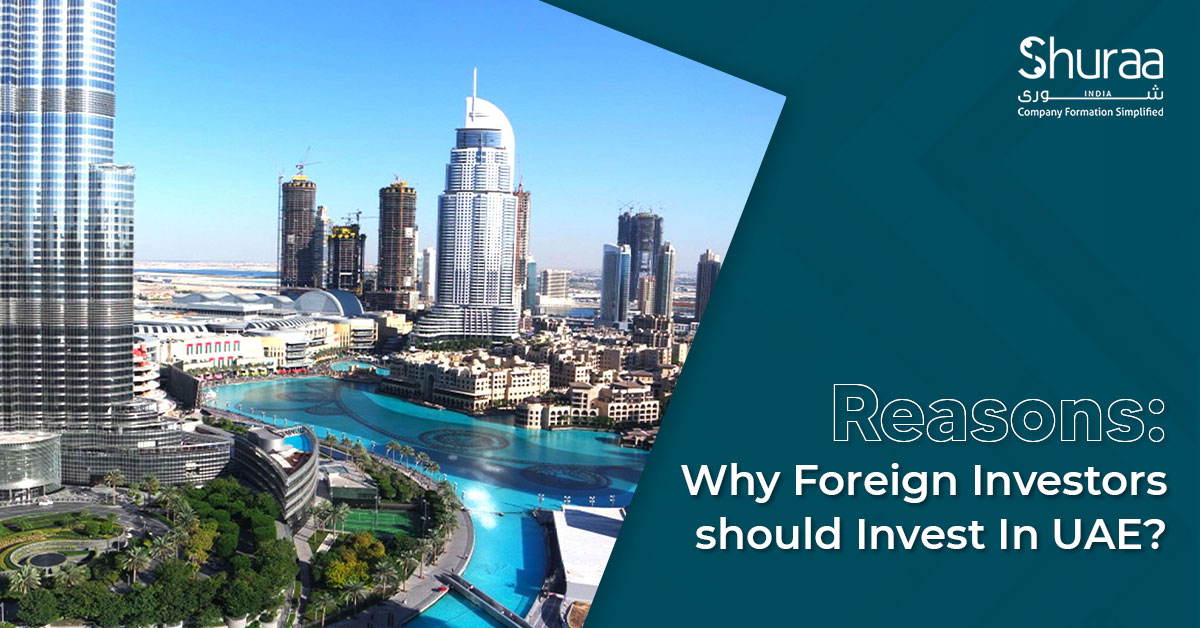
  • Why Invest in the UAE: 8 Key Benefits

    Why Invest in the UAE: 8 Key Benefits

    The United Arab Emirates has rapidly emerged as one of the most attractive global destinations for investors seeking growth, stability, and innovation. With its strategic location, world-class infrastructure, investor-friendly regulations, and diversified economy, the UAE offers unparalleled opportunities across various sectors, including real estate, technology, finance, and renewable energy.  

    Whether you’re an experienced entrepreneur or a first-time investor, choosing to invest in the UAE opens the door to high returns and long-term success. From Dubai’s dynamic business hubs to Abu Dhabi’s innovation-driven economy, the best investment in the UAE is not just profitable; it’s future-proof. Explore why investment in the UAE is gaining global attention and how a wise UAE investment can reshape your financial future. 

    Why the UAE is a Global Investment Hub

    The United Arab Emirates (UAE) has emerged as a top destination for foreign investment. Its strategic advantages, economic resilience, and pro-business policies make it an ideal place to invest in the UAE. Here’s a closer look at what makes UAE investment so attractive in today’s global market.

    1. Strategic Crossroads for Global Trade

    The UAE’s location at the intersection of Europe, Asia, and Africa gives investors seamless access to over 2.5 billion consumers within a four-hour flight radius. This geographic edge makes investment in the UAE a wise choice for businesses looking to enter global markets efficiently.

    Key Trade Advantages:

    • Direct access to emerging markets in MENA, South Asia, and East Africa
    • Jebel Ali Port—the world’s 9th largest container port, handling 15+ million TEUs annually
    • Dubai International Airport—3rd busiest international airport globally with 240+ destinations
    • Over 130 free trade agreements provide duty-free access to key markets
    • Strategic time zone (GMT+4) enabling same-day business with Asian and European markets

    Investment Impact: Companies that invest in the UAE benefit from reduced logistics costs, faster market entry, and access to regional distribution networks that would otherwise require multiple country setups.

    2. Tax Incentives that Maximize Profit

    With zero personal income tax and favorable corporate tax rates, the UAE offers one of the most attractive tax environments in the world. Free zones also provide benefits such as 100% foreign ownership and duty-free imports, which are key reasons many choose to invest in the UAE.

    Comprehensive Tax Benefits:

    Personal Taxation:

    • 0% income tax on salaries and wages (all income levels)
    • 0% capital gains tax on property and stock investments
    • 0% dividend tax on corporate distributions
    • 0% wealth tax on net worth
    • 0% inheritance tax on estate transfers

    Corporate Taxation:

    • 9% corporate tax on mainland business profits exceeding AED 375,000 (from June 2023)
    • 0% corporate tax for free zone companies meeting qualifying conditions
    • 0% withholding tax on cross-border payments
    • Small business relief for companies earning under AED 3 million

    Free Zone Benefits:

    • 100% repatriation of capital and profits
    • 100% exemption from import and export duties
    • No currency restrictions or capital controls
    • 15-50 year renewable tax holidays in most free zones

    3. Political Stability and Economic Resilience

    The UAE’s consistent governance and economic diversification make it a safe and stable investment destination. From real estate to renewable energy, the country’s broad economic base supports sustainable investment in the UAE.

    Stability Indicators:

    Political Framework:

    • 50+ years of stable leadership and clear succession planning
    • Consistent pro-business policies since 1971
    • Strong federal-emirate governance balance
    • Long-term vision strategies (UAE Vision 2031, Abu Dhabi Economic Vision 2030)
    • Neutral foreign policy, maintaining strong global relationships

    Economic Resilience:

    • GDP growth: 3.9% in 2023, projected 4.2% for 2024-2026
    • Successfully navigated 2008 financial crisis, oil price volatility, and COVID-19 pandemic
    • Diversified economy: Oil contributes less than 30% of GDP (down from 60%+ in 1980s)
    • Foreign reserves exceeding $150 billion providing economic cushion
    • Strong sovereign credit ratings (AA/Aa2 from major agencies)

    Safety Rankings:

    • #1 in MENA region for safety and security
    • Top 10 globally for personal safety (World Economic Forum)
    • Extremely low crime rates—violent crime is almost non-existent
    • strict rule of law with an investor-friendly legal framework
    • An efficient judicial system with specialized commercial courts

    Investment Security: Political stability translates to a predictable business environment, protection of property rights, contract enforcement, and long-term investment planning confidence—all essential when you invest in the UAE.

    4. Investor-Friendly Policies and Progressive Reforms

    Forward-thinking laws and initiatives—like long-term investor visas and 100% business ownership outside free zones—underscore the government’s commitment to encouraging investment in the UAE.

    Major Policy Reforms (2018-2026):

    Ownership Liberalization:

    • 100% foreign ownership permitted in 122 economic activities across 13 sectors on the mainland (since 2021)
    • Removal of the mandatory 51% UAE national partner requirement
    • Full control over business decisions and profits
    • Simplified business structures reduce compliance costs

    Golden Visa Program:

    • 10-year renewable residency for investors, entrepreneurs, and specialized talents
    • Independent of employment or sponsorship
    • Family inclusion (spouse, children, parents)
    • Multiple entries with extended stay abroad permitted
    • Pathways: AED 2M+ property investment, AED 2M business investment, or specialized skills

    Long-Term Residence Schemes:

    • Green Visa (5 years) for skilled professionals and freelancers
    • Virtual Working Visa for remote workers
    • Retirement Visa for retirees with financial security
    • No sponsor requirement for any category

    Startup and SME Support:

    • UAE Entrepreneurial Nation initiative providing funding, mentorship, and incubation
    • Government-backed venture capital funds totaling $10+ billion
    • Startup visas with fast-track company formation
    • Regulatory sandboxes for fintech, AI, and blockchain innovations
    • Public-private partnerships encouraging entrepreneurship

    Digital Transformation:

    • 95%+ government services available online
    • Digital ID and blockchain integration across services
    • E-residency programs for international entrepreneurs
    • Smart government apps are reducing bureaucracy
    • Paperless transactions are becoming standard

    Ease of Doing Business:

    • Company formation in 2-5 days in most free zones
    • Online business licensing and registration
    • Simplified visa processing (48-72 hours)
    • Dedicated investor service centers
    • Transparent fee structures

    Investment Incentive: These reforms make it easier than ever to invest in the UAE, whether through real estate, business formation, or capital markets, with the government actively removing barriers to entry.

    5. World-Class Infrastructure and Connectivity

    From world-class airports and ports to smart cities and digital hubs, the UAE’s infrastructure ranks among the best globally. This strong foundation supports efficient operations and logistics for any UAE investment project.

    Transportation Infrastructure:

    Aviation Excellence:

    • Dubai International Airport: World’s busiest for international passengers (88M+ annually)
    • Abu Dhabi International Airport: Rapidly expanding hub (24M+ passengers)
    • Al Maktoum International: Under expansion to become the world’s largest airport (220M capacity planned)
    • Emirates and Etihad Airways connect to 150+ countries
    • Over 100 airlines operate from UAE airports
    • Average flight time to 80% of the world population: Under 8 hours

    Maritime Leadership:

    • Jebel Ali Port: 9th largest container port globally, largest in the Middle East
    • Khalifa Port: Semi-automated, state-of-the-art facility in Abu Dhabi
    • DP World: Global port operator headquartered in Dubai
    • Strategic position on major Europe-Asia shipping routes
    • Free zones integrated with ports for seamless logistics

    Road and Rail:

    • 4,000+ km of modern highway network
    • Dubai Metro: World’s longest driverless metro system (90+ km)
    • Abu Dhabi Metro: Under development
    • Etihad Rail: National railway connecting all seven emirates (under construction)
    • Well-maintained roads with advanced traffic management

    Digital Infrastructure:

    Connectivity:

    • 100% fiber optic coverage in major urban areas
    • 5G network deployed across all emirates
    • Internet speeds averaging 200+ Mbps (among the world’s fastest)
    • Multiple submarine cable systems connecting to global networks
    • 99.99% uptime for telecommunications

    Smart City Initiatives:

    • Dubai Smart City Strategy: AI, IoT, blockchain integration across government services
    • Masdar City: World’s most sustainable urban development
    • Smart buildings with energy management systems
    • Autonomous vehicles are being tested and deployed
    • Digital payment systems are widely adopted

    Data Centers:

    • Multiple tier-3 and tier-4 certified data centers
    • Cloud service providers (AWS, Microsoft Azure, Google Cloud) have a regional presence
    • Data privacy laws compliant with international standards
    • Growing cybersecurity infrastructure

    Real Estate and Business Facilities:

    Business Districts:

    • DIFC (Dubai International Financial Centre): Leading MENA financial hub with an independent legal system
    • ADGM (Abu Dhabi Global Market): A competing financial free zone
    • Downtown Dubai, Business Bay, Dubai Marina: Premium commercial and residential areas
    • Masdar City: Renewable energy and sustainability hub
    • Dubai Internet City, Media City, Knowledge Park: Specialized technology and education zones

    Quality Construction:

    • International building standards (LEED, Estidama)
    • World-class developers (Emaar, Nakheel, Aldar, Damac)
    • Smart building technologies
    • Sustainable design principles
    • Rigorous quality control and inspection

    Amenities and Quality of Life:

    • 70+ shopping malls, including the world’s largest (Dubai Mall)
    • Theme parks, entertainment venues, and cultural institutions
    • 700+ km of beaches
    • World-class healthcare facilities
    • International schools follow various curricula
    • Recreation and sports facilities

    Infrastructure Investment Impact: When you invest in the UAE, you’re not just buying an asset, you’re gaining access to infrastructure that enhances asset value, operational efficiency, and quality of life, all critical for long-term investment success.

    6. Opportunities Across Diverse Economic Sectors

    Whether it’s fintech, tourism, logistics, or clean energy, the UAE offers a wide range of high-growth industries to explore. Strategic initiatives like the UAE Vision 2031 are further opening new opportunities to invest in the UAE.

    High-Growth Sectors:

    Financial Services (29.1% of FDI in 2024):

    • Banking and Islamic finance
    • Asset management and wealth services
    • Insurance and reinsurance
    • Fintech and digital banking
    • 60 hedge funds in DIFC, 44 managing $1B+ each
    • Cryptocurrency and blockchain regulations are attracting digital finance

    Technology and Innovation:

    • Artificial Intelligence: UAE AI Strategy 2031 targeting global leadership
    • Blockchain: 50% of government transactions on blockchain by 2025
    • 5G and telecommunications: Advanced network infrastructure
    • Cybersecurity: Growing demand for security solutions
    • Smart city technologies: IoT, sensors, automation
    • E-commerce platforms and digital marketplaces

    Healthcare ($30.7B market by 2027):

    • Private hospitals and specialized clinics
    • Medical tourism (attracting patients from across the region)
    • Telemedicine and healthtech startups
    • Pharmaceuticals and medical devices
    • Wellness and preventive care
    • Elder care and chronic disease management
    • CAGR of 7.4%, creating substantial opportunities

    Renewable Energy:

    • $1 billion green hydrogen plant at Khalifa Industrial Zone
    • Mohammed bin Rashid Al Maktoum Solar Park: World’s largest single-site solar park
    • Masdar: Leading clean energy company with global projects
    • Target: 50% clean energy by 2050
    • Electric vehicle infrastructure expansion
    • Energy storage and battery technologies

    Tourism and Hospitality (12% of GDP):

    • 800,000+ employees in the sector
    • Luxury hotels and boutique properties
    • Cultural attractions (Louvre Abu Dhabi, Museum of the Future)
    • Entertainment (theme parks, sports events, concerts)
    • MICE (Meetings, Incentives, Conferences, Exhibitions)
    • Desert safaris, adventure tourism, wellness retreats
    • Projected growth: 6-8% annually through 2030

    Real Estate and Construction:

    • Residential property (apartments, villas, townhouses)
    • Commercial offices and retail spaces
    • Logistics and warehousing facilities
    • Hospitality (hotels, serviced apartments)
    • Mixed-use developments
    • Dubai 2040 Urban Master Plan: Doubling green spaces, expanding urban areas
    • Sustainable and smart building projects

    Logistics and Supply Chain:

    • Freight forwarding and distribution
    • E-commerce fulfillment centers
    • Cold chain and specialized logistics
    • Last-mile delivery services
    • Warehousing and inventory management
    • Regional distribution hubs

    Education and EdTech:

    • Private schools and universities
    • Early childhood education centers
    • Vocational training and professional development
    • E-learning platforms and content
    • Corporate training services
    • Educational technology solutions

    Food and Agriculture:

    • Vertical farming and hydroponics
    • Aquaculture and sustainable fishing
    • Food processing and packaging
    • AgriTech with AI and IoT integration
    • Organic and specialty foods
    • Food security initiatives

    Creative Industries:

    • Al Quoz Creative Zone: Hub for design, gaming, media
    • Film and video production
    • Digital content creation
    • Gaming and esports
    • Fashion and luxury goods
    • Art galleries and auction houses

    Government Priority Sectors: UAE Vision 2031 and individual emirate strategies identify advanced manufacturing, space technology, biotechnology, and circular economy as future growth areas—all prime for early-stage investment in the UAE.

    7. Access to Global Talent and Skilled Professionals

    With a multicultural, highly educated workforce, the UAE makes it easy for businesses to recruit top talent. This talent advantage strengthens every investment in the UAE across sectors.

    Workforce Characteristics:

    Demographics:

    • Population: 10+ million (88% expatriates, 12% nationals)
    • 200+ nationalities creating a truly global workforce
    • Median age: 33 years (young and dynamic)
    • Literacy rate: 95%+ (one of the highest in the region)
    • Multilingual: English is widely spoken in business, plus Arabic, Hindi, Urdu, Tagalog, and many others

    Education and Skills:

    • 100+ international universities with branch campuses
    • Local institutions: UAE University, Khalifa University, American University of Dubai
    • Strong STEM education focus
    • Vocational training aligned with industry needs
    • Continuous professional development culture

    Talent Attraction:

    Ease of Hiring:

    • Visa processing: 48-72 hours for skilled workers
    • Employment visa quotas: Generous allocations for companies
    • No restrictions on hiring expatriates in most sectors
    • Labor law protections for both employers and employees
    • WPS (Wage Protection System) ensures timely salary payments

    Competitive Compensation:

    • Tax-free salaries attract global talent
    • Competitive packages compared to home countries
    • Housing allowances, transportation, and education support are common
    • Health insurance is mandatory (comprehensive coverage)
    • End-of-service benefits (gratuity) incentivize retention

    Quality of Life:

    • Safe environment for families
    • International schools follow various curricula
    • World-class healthcare facilities
    • Diverse entertainment and cultural options
    • Modern housing and amenities
    • Year-round sunshine and outdoor lifestyle

    Sector-Specific Talent Pools:

    • Finance: Professionals from London, Singapore, Hong Kong
    • Technology: Engineers from India, the US, and Europe
    • Healthcare: Doctors and specialists from various countries
    • Hospitality: Experienced hoteliers and service staff
    • Construction: Engineers and project managers globally
    • Education: Teachers from the UK, the US, Australia, and the Philippines

    Emiratization and Local Talent:

    • Growing pool of educated Emirati professionals
    • Government incentives for hiring nationals
    • Emirati talent in leadership positions
    • Cultural insights and local market knowledge
    • Government relations and business development strengths

    Remote Work and Flexibility:

    • Virtual Working Visa: Attracts digital nomads
    • Flexible work arrangements are increasingly accepted
    • Co-working spaces and business centers are abundant
    • Time zone advantage for global teams

    Investment Advantage: Access to diverse, skilled talent means businesses that invest in the UAE can build teams quickly, operate efficiently, and scale without the talent constraints faced in many other markets.

    8. Transparent Legal and Financial Systems

    A reliable legal framework, robust financial institutions, and strong investor protections make the UAE a secure environment for long-term investment.

    Legal Framework:

    Dual Legal System:

    • Civil law based on Sharia and international principles for the mainland
    • Common law in financial free zones (DIFC, ADGM) is based on English law
    • Choice of jurisdiction for business transactions
    • Specialized courts for different needs

    Commercial Courts:

    • Fast-track commercial dispute resolution
    • Experienced judges, including international jurists
    • English language proceedings available
    • Enforcement of domestic and foreign judgments
    • Average case resolution: 6-18 months

    Arbitration Centers:

    • DIAC (Dubai International Arbitration Centre)
    • ADCCAC (Abu Dhabi Commercial Conciliation and Arbitration Centre)
    • International arbitration recognition and enforcement
    • Alternative to traditional litigation
    • Confidential proceedings

    Investor Protection:

    Property Rights:

    • Clear title registration systems (DLD in Dubai, TAMM in Abu Dhabi)
    • Foreign freehold ownership in designated areas
    • Escrow account protection for off-plan purchases
    • RERA (Real Estate Regulatory Agency) oversight
    • Rental dispute resolution centers

    Business Ownership:

    • Shareholder rights are protected by company law
    • Minority shareholder protections
    • Corporate governance standards
    • Bankruptcy and insolvency laws enabling business restructuring
    • Intellectual property registration and enforcement

    Bilateral Investment Treaties:

    • 100+ BITs with countries worldwide
    • Protection against expropriation
    • Fair and equitable treatment guarantees
    • Free transfer of capital and profits
    • International dispute settlement mechanisms

    Double Taxation Avoidance:

    • 130+ DTAAs globally
    • Prevents double taxation on income
    • Facilitates cross-border investment
    • Particularly beneficial for investors from India, the UK, the US, and Europe

    Financial System:

    Banking Sector:

    • 50+ local and international banks
    • Strong capitalization and liquidity
    • Advanced digital banking platforms
    • Multi-currency accounts are widely available
    • Islamic banking options
    • Deposit protection schemes

    Capital Markets:

    • Dubai Financial Market (DFM)
    • Abu Dhabi Securities Exchange (ADX)
    • NASDAQ Dubai for international listings
    • Growing liquidity and market depth
    • Regulatory oversight by SCA (Securities and Commodities Authority)
    • Investor protection regulations

    Financial Regulation:

    • Central Bank of UAE: Prudent monetary policy and banking supervision
    • SCA: Capital markets regulation
    • DFSA (DIFC) and FSRA (ADGM): Independent financial regulators
    • Anti-money laundering (AML) compliance
    • Know-your-customer (KYC) standards
    • Alignment with international financial standards

    Payment Systems:

    • UAE Funds Transfer System (UAEFTS): Real-time gross settlement
    • Instant Payment Platform (IPP): 24/7 instant transfers
    • International payment gateways
    • Digital wallets and fintech solutions
    • Secure, efficient, reliable infrastructure

    Intellectual Property:

    • Patent, trademark, copyright registration
    • Enforcement through customs and courts
    • UAE IP Office streamlined processes
    • WIPO member with international treaty compliance
    • Growing respect for IP rights

    Transparency and Reporting:

    • IFRS (International Financial Reporting Standards) adoption
    • Audit requirements for companies
    • Corporate disclosure standards
    • Anti-corruption measures
    • Whistleblower protection frameworks

    Currency Stability:

    • AED (Dirham) pegged to USD since 1997 (1 USD = 3.6725 AED)
    • Stable, predictable currency
    • No capital controls or restrictions
    • Free repatriation of profits and capital
    • Minimal forex risk

    Investment Security: Transparent legal and financial systems mean that when you invest in the UAE, your capital is protected, contracts are enforceable, and you have recourse through multiple channels if disputes arise, providing the security essential for major investments.

    Explore UAE investment opportunities — free investor consultation.

    What are the Profitable Investment Opportunities for Indian Investors? 

    The United Arab Emirates (UAE) has emerged as a premier destination for foreign investors, offering a blend of prime location, business-friendly policies, and strong economic growth.  

    In recent years, the UAE attracted foreign direct investment (FDI) inflows of $30.7 billion, representing a 35% year-over-year increase and positioning it as the second-largest recipient of greenfield FDI projects globally, after the United States. 

    Key Sectors for Profitable Investment 

    1. Financial Services 

    • Leading the FDI landscape, financial services accounted for 29.1% of total foreign direct investment (FDI) in 2024. 
    • Dubai International Financial Centre (DIFC) now hosts 60 hedge funds, with 44 managing assets exceeding $1 billion each.

    2. Technology and Innovation 

    • The UAE has identified fintech, e-commerce, agritech, and information and communications technology as high-potential sectors. 
    • Initiatives like the UAE’s Strategy for Artificial Intelligence aim to position the country as a global leader in AI by 2031.

    3. Healthcare 

    Healthcare spending in the UAE is projected to reach $30.7 billion by 2027, growing at a compound annual growth rate of 7.4%. 

    4. Renewable Energy 

    The UAE is investing heavily in renewable energy, with projects such as a $1 billion green hydrogen plant at the Khalifa Industrial Zone in Abu Dhabi.

    5. Tourism and Real Estate 

    • Tourism contributed 12% to the UAE’s GDP in 2023, employing over 800,000 people. 
    • Dubai attracted $14.2 billion in foreign direct investment (FDI) across 1,117 projects in 2024, with significant investments in hotels, tourism, and real estate.

    6. Creative Industries 

    • The Al Quoz Creative Zone in Dubai is transforming into a global hub for creative sectors, including design, gaming, and media. 

    Advantages for Foreign Investors 

    • 100% Foreign Ownership: Allowed in 122 economic activities across 13 sectors. 
    • Tax Incentives: No personal income tax and a competitive 9% corporate tax rate, with exemptions for small businesses. 
    • Prime Location: Serving as a gateway between East and West, facilitating access to emerging markets. 
    • Strong Infrastructure: Over 42 specialised free zones and a top-ranked logistics network. 
    • Efficient Business Setup: Streamlined processes for company formation and visa acquisition.

    With its growing economy and supportive investment environment, the UAE offers diverse and profitable opportunities for foreign investors across multiple sectors. 

    Indian investors trust Shuraa to structure UAE companies, investments & Golden Visa applications — 25 years of expertise.

    Best Investment Opportunities in the UAE (2026)

    The United Arab Emirates (UAE) offers a dynamic and business-friendly environment, making it one of the most attractive destinations for both local and foreign investors.  

    It’s mainly due to its location, stable political climate, and infrastructure that the UAE has developed diversified investment avenues across various sectors. Here’s a comprehensive guide to the best investment opportunities in the UAE for 2026 and beyond: 

    1. Real Estate Investment 

    The UAE’s real estate sector, especially in Dubai and Abu Dhabi, continues to thrive due to high demand from residents, tourists, and investors. 

    Top Areas to Invest 

    • Dubai Marina: High-rise apartments, waterfront living, strong rental demand
    • Downtown Dubai: Premium location, Burj Khalifa area, high capital values
    • Jumeirah Village Circle (JVC): Affordable family community, good rental yields
    • Business Bay: Commercial hub, high-rise residential, growing area
    • Palm Jumeirah: Ultra-luxury, beachfront villas and apartments, prestige location
    • Dubai Hills Estate: Master-planned community, golf course, family-oriented
    • Dubai South (near Expo site): Emerging area, long-term growth, affordable entry
    • Dubai Creek Harbour: New development, waterfront, future-oriented

    Abu Dhabi:

    • Al Reem Island: Modern high-rise towers, young professionals, good amenities
    • Saadiyat Island: Cultural district (Louvre Abu Dhabi), luxury properties, beach lifestyle
    • Yas Island: Entertainment hub (Ferrari World, Yas Marina), family-friendly
    • Al Maryah Island: Financial district, premium offices and residences

    Emerging Markets:

    • Sharjah: More affordable, growing demand, proximity to Dubai
    • Ajman: Budget-friendly, developing infrastructure
    • Ras Al Khaimah: Natural beauty, tourism growth, lower prices

    2. Stock Market & ETFs 

    The UAE has a strong financial market, supported by two major stock exchanges: the Dubai Financial Market (DFM) and the Abu Dhabi Securities Exchange (ADX). 

    Top Investment Options 

    • Blue-chip stocks (e.g., Emaar, Etisalat, First Abu Dhabi Bank) 
    • ETFs and REITs 
    • IPOs (frequent in the region) 

    3. Cryptocurrency & Blockchain Startups 

    Dubai aims to be a global leader in blockchain and digital finance, offering favourable conditions for crypto entrepreneurs and investors. 

    Investment Opportunities:

    Cryptocurrency Trading:

    • Buy and hold major cryptocurrencies (Bitcoin, Ethereum, etc.)
    • Active trading on licensed exchanges
    • DeFi (Decentralized Finance) protocols
    • Staking for passive income (earning rewards)
    • High volatility, high risk, high potential reward

    Blockchain Startups:

    • Early-stage investments in blockchain companies
    • Tokenized assets (real estate, commodities)
    • NFT (Non-Fungible Token) marketplaces
    • Web3 applications and metaverse platforms
    • Supply chain blockchain solutions

    Crypto Businesses:

    • Start a licensed crypto exchange
    • Custody service provider
    • Blockchain development company
    • Crypto education and training
    • Mining operations (though less common due to the climate)

    Licensed Exchanges in UAE:

    • BitOasis
    • Rain
    • CoinMENA
    • Binance FZE (licensed in Dubai)

    How to Invest:

    1. Open an account with a licensed UAE crypto exchange
    2. Complete KYC verification
    3. Fund account (bank transfer or credit card)
    4. Purchase cryptocurrencies
    5. Store securely (exchange wallet or private hardware wallet)
    6. Monitor market and portfolio

    4. Tourism and Hospitality 

    The UAE remains a tourism powerhouse, with massive investments in entertainment, luxury hotels, and events, such as Expo City Dubai and Formula 1 in Abu Dhabi. 

    Key Investment Areas:

    Boutique Hotels and Resorts:

    • Small luxury hotels (10-50 rooms)
    • Unique themes (eco-lodge, heritage, wellness)
    • Personalized service differentiator
    • Higher margins than budget properties
    • Investment: AED 5M-50M depending on size

    Desert Safari & Cultural Tours:

    • Established business model with proven demand
    • Equipment investment (4×4 vehicles, camps)
    • Licensing through tourism authorities
    • Competition requires differentiation (private tours, luxury experiences)
    • Investment: AED 500K-2M

    Luxury Concierge Services:

    • VIP airport services
    • Yacht and jet charters
    • Personal shopping and experiences
    • Corporate and UHNW clientele
    • Low capital, high margin
    • Investment: AED 100K-500K

    Event Planning and Management:

    • Weddings and social events
    • Corporate conferences and exhibitions
    • Concerts and entertainment events
    • Sports events coordination
    • Scalable business model
    • Investment: AED 200K-1M

    Travel Tech:

    • Booking platforms and aggregators
    • Tour customization apps
    • Virtual tour experiences
    • Travel concierge apps

    Food Tourism:

    • Food tours and culinary experiences
    • Cooking classes
    • Food delivery from heritage restaurants
    • Pop-up dining experiences

    Entry Requirements:

    • Tourism license from DTCM (Dubai) or equivalent in other emirates
    • Trade license for tour operators
    • Hotel classification based on facilities
    • Insurance (liability, property)
    • Compliance with safety and quality standards

    Profitability Factors:

    • Strong domestic and international demand
    • Premium pricing for luxury and unique experiences
    • Repeat business and referrals
    • Seasonal peaks can drive high revenues
    • Government marketing support (Visit Dubai campaigns)

    5. Franchise Businesses 

    Franchising is a low-risk way to start a business in the UAE, particularly in the food and beverage, retail, and services sectors. 

    Popular Franchise Sectors:

    Cafes and QSRs (Quick Service Restaurants):

    • International brands: Subway, Tim Hortons, Costa Coffee, Krispy Kreme
    • Regional concepts: Arabian Tea House, Zaatar w Zeit, Operation Falafel
    • Investment: AED 500K-2M, depending on brand
    • ROI: 3-5 years typically
    • High foot traffic locations are essential

    Fitness Centers:

    • Gyms: Fitness First, Gold’s Gym, Vogue Fitness
    • Boutique studios: Barry’s Bootcamp, F45 Training, yoga studios
    • Investment: AED 1M-5M
    • Growing health and wellness trend
    • Membership-based recurring revenue

    Education and Training Centers:

    • Early childhood education: Gymboree, Little Gym
    • Tutoring centers: Kumon, Mathnasium
    • Professional training: coding bootcamps, language schools
    • Investment: AED 300K-1.5M
    • Stable demand, education-focused culture

    Laundry and Cleaning Services:

    • Laundry franchises: The Laundry, Pressto
    • Home cleaning: Justmop, The Maids
    • Car wash and detailing
    • Investment: AED 200K-800K
    • Essential services, repeat business

    Retail:

    • Fashion and accessories
    • Health and beauty products
    • Convenience stores
    • Electronics and gadgets
    • Investment: AED 500K-3M

    6. E-commerce & Online Businesses 

    Online retail and digital services are booming across the Gulf region. 

    Investment Opportunities 

    • Launching niche e-commerce stores 
    • Dropshipping or private label brands 
    • Logistics and fulfilment centres 
    • Marketplaces and SaaS platforms  

    7. Healthcare & Wellness 

    The UAE is a hub for medical tourism and wellness, offering opportunities in specialised healthcare and lifestyle services. 

    Key Opportunities 

    Private Clinics and Dental Centers:

    • Multi-specialty clinics (general practice, specialists)
    • Dental clinics (general and cosmetic dentistry)
    • Specialist centers (orthopedics, cardiology, dermatology)
    • Investment: AED 1M-10M depending on size and specialties
    • Licensing: DHA (Dubai Health Authority) or equivalent in other emirates
    • Medical staff must be licensed and credentialed

    Cosmetic and Dermatology Clinics:

    • Aesthetic treatments (Botox, fillers, laser)
    • Dermatology (acne, skin conditions, anti-aging)
    • Hair restoration
    • High margins, growing demand
    • Investment: AED 1M-3M

    Wellness Centers, Spas, and Fitness Apps:

    • Day spas and wellness retreats
    • Massage and physiotherapy centers
    • Yoga and meditation studios
    • Mental health and counseling services
    • Holistic and integrative medicine
    • Investment: AED 300K-2M

    Telemedicine Startups:

    • Virtual consultation platforms
    • Remote monitoring for chronic conditions
    • Mental health apps
    • Medication delivery integration
    • Investment: AED 500K-3M for platform development and launch

    Home Healthcare:

    • Nursing and post-operative care at home
    • Elderly care services
    • Medical equipment rental
    • Physiotherapy and rehabilitation at home
    • Investment: AED 200K-1M

    Diagnostic and Imaging Centers:

    • Radiology (X-ray, CT, MRI)
    • Pathology labs
    • Genetic testing
    • Investment: AED 2M-10M (high equipment costs)

    Entry Requirements:

    • Healthcare licenses from health authorities
    • Medical staff credentials and licensing
    • Facility standards compliance
    • Insurance (malpractice, liability)
    • Ongoing regulatory compliance and inspections

    Profitability Factors:

    • Health insurance coverage (most residents have insurance)
    • Premium pricing for quality and convenience
    • Medical tourism premium rates
    • Recurring patients for chronic conditions
    • Corporate wellness contracts

    8. Education & EdTech 

    With a focus on quality education and digital transformation, the education sector in the UAE offers strong long-term returns. 

    Investment Options 

    Investment Options:

    Nurseries and Early Education Centers:

    • Daycare and preschool (ages 0-5)
    • Montessori, Reggio Emilia, play-based approaches
    • Investment: AED 500K-2M
    • Licensing: KHDA (Dubai) or equivalent
    • Stable demand, recurring revenue

    Private Schools:

    • K-12 education following various curricula (British, American, IB, Indian)
    • Investment: AED 10M-100M+ (very capital intensive)
    • Long-term returns, stable business
    • Regulatory approvals complex
    • Usually partnership or acquisition of existing school

    Tutoring and Enrichment Centers:

    • After-school tutoring (math, science, languages)
    • Test prep (SAT, IELTS, TOEFL)
    • Enrichment (coding, robotics, arts, music)
    • Investment: AED 200K-800K
    • Flexible, scalable model

    E-Learning Platforms and Mobile Apps:

    • Online courses and skill development
    • K-12 supplement and homework help
    • Language learning apps
    • Professional certification and training
    • Investment: AED 300K-2M for platform development

    Corporate Training and Upskilling Centers:

    • Professional development courses
    • Technical skills training (IT, engineering)
    • Soft skills and leadership programs
    • Certifications (PMP, Six Sigma, etc.)
    • Investment: AED 300K-1.5M

    International University Branch Campuses:

    • Partnership with established universities
    • Degree programs in UAE
    • Very high investment (AED 50M+)
    • Government approvals required
    • Long-term strategic investment

    9. Green Energy & Sustainability 

    The UAE is shifting toward sustainability with major government initiatives in solar energy, waste management, and green building. 

    Key Investment Sectors:

    Solar Energy Farms:

    • Utility-scale solar projects (requires government partnerships)
    • Rooftop solar installations (commercial, residential)
    • Solar panel distribution and sales
    • Investment: AED 1M-100M+ depending on scale
    • Government incentives and long-term PPAs

    Electric Vehicle Infrastructure:

    • EV charging stations: Public and private installations
    • EV charging networks (subscription models)
    • Battery swapping stations
    • Fleet electrification consulting
    • Investment: AED 500K-5M

    Sustainable Construction Materials:

    • Manufacturing green building materials
    • Distribution of sustainable products
    • LEED/Estidama certification consulting
    • Investment: AED 1M-10M

    Recycling and Waste-to-Energy Technologies:

    • Recycling facilities (plastic, metal, paper, e-waste)
    • Waste collection and sorting services
    • Organic waste composting
    • Waste-to-energy plants (large-scale, PPP typically)
    • Investment: AED 2M-50M+

    Energy Efficiency Services:

    • Energy audits for buildings
    • Retrofitting services (lighting, HVAC, insulation)
    • Smart building automation
    • Energy management consulting
    • Investment: AED 200K-2M

    Water Technologies:

    • Desalination innovations
    • Water recycling systems
    • Smart water meters and leak detection
    • Irrigation efficiency solutions
    • Investment: AED 500K-10M

    Entry Opportunities:

    • Masdar City: Renewable energy hub, specialized free zone
    • Dubai Clean Energy Strategy partnerships: PPP opportunities
    • Free zones for green manufacturing
    • Government tenders for renewable projects

    Profitability Drivers:

    • Government mandates (solar panels on new buildings, etc.)
    • Rising energy costs making renewables competitive
    • Corporate sustainability commitments
    • International funding for green projects
    • Long-term contracts and stable revenue streams

    10. Agriculture & Food Security (AgriTech) 

    With rising food import costs, the UAE is investing heavily in local food production and agricultural technology. 

    Investment Opportunities:

    Hydroponic and Vertical Farming:

    • Soilless growing systems
    • Climate-controlled environments
    • Water-efficient (90% less than traditional)
    • Year-round production
    • Investment: AED 500K-10M depending on scale
    • Crops: Leafy greens, herbs, tomatoes, strawberries

    Aquaculture (Fish and Seafood Farming):

    • Fish farming (tilapia, barramundi, sea bass)
    • Shrimp farming
    • Recirculating aquaculture systems (RAS)
    • Investment: AED 1M-20M
    • Growing demand for local seafood

    Food Processing and Packaging:

    • Processing local agricultural produce
    • Packaging for retail distribution
    • Value-added products (sauces, preserves, dried fruits)
    • Investment: AED 1M-10M

    AgriTech Startups:

    • AI and IoT: Smart farming sensors, automation
    • Blockchain: Supply chain traceability
    • Drones: Crop monitoring, precision agriculture
    • Biotechnology: Crop improvement, pest management
    • Investment: AED 300K-5M for tech development and deployment

    Urban Farming:

    • Community gardens
    • Rooftop farms on buildings
    • Farms integrated into retail (farm-to-table restaurants)
    • Investment: AED 200K-2M

    Organic and Specialty Foods:

    • Organic farming (certified)
    • Exotic fruits and vegetables
    • Microgreens and sprouts
    • Investment: AED 300K-3M

    Entry Points:

    • Agricultural free zones
    • Government grants and subsidies for food production
    • Technology parks (Dubai Silicon Oasis for AgriTech)
    • Partnership with research institutions

    Profitability Drivers:

    • Premium pricing for local, fresh produce
    • Government procurement contracts
    • Growing consumer demand for organic and local
    • Reduced logistics costs (no long-distance imports)
    • Year-round production capability

    The UAE offers a unique mix of traditional and modern investment avenues backed by economic diversification, tax-friendly laws, and a globally connected marketplace. Whether you’re a conservative investor or an innovative entrepreneur, there’s a growing opportunity in the Emirates customised to your strategy. 

    How to Start Investing in the UAE?

    The United Arab Emirates (UAE) has become a top destination for investors worldwide. With its tax-friendly environment, infrastructure, and strong economic stability, many people are looking to invest in the UAE.  

    Whether you’re a resident or a foreign investor, getting started with investment in the UAE is easier than you might think. Below are the essential steps to begin your UAE investment journey. 

    Step 1: Understand the Investment Landscape 

    First and foremost, it’s important to understand the various options available for investment in the UAE. These include: 

    • Real estate (both residential and commercial) 
    • Stock markets (DFM, ADX, and NASDAQ Dubai) 
    • Mutual funds and ETFs 
    • Business investments and startups 
    • Cryptocurrencies and digital assets
    • Government bonds and Sukuk

     By identifying your interests and risk appetite, you can choose the right sector to invest in the UAE efficiently. 

    Step 2: Set Clear Investment Goals 

    Next, determine your financial goals. Are you investing for short-term returns, long-term wealth building, or retirement planning? Setting clear goals will help guide your UAE investment decisions and keep your strategy focused. 

    Step 3: Choose the Right Investment Channel 

    Now that your goals are clear, it’s time to choose the right platform or method for investment in the UAE. For example: 

    • For real estate, consider working with a certified real estate agent. 
    • For stocks and bonds, open a brokerage account with a licensed provider. 
    • For mutual funds or ETFs, explore investment options through banks or asset management firms.  

    Additionally, many investors choose to invest in the UAE through robo-advisors or digital platforms due to ease of access and lower fees. 

    Step 4: Get Your Finances in Order 

    Before diving into any UAE investment, ensure that your finances are stable. This includes: 

    • Paying off high-interest debt 
    • Having an emergency fund 
    • Budgeting how much you can realistically invest 

    This step is crucial to avoid unnecessary risks and ensure a smooth investment experience. 

    Step 5: Understand the Legal Framework 

    It is also vital to understand the legal and regulatory framework surrounding investment in the UAE. The UAE government provides a transparent legal structure, but you must comply with: 

    • Licensing regulations (especially for business investments) 
    • Tax implications (like VAT and corporate tax) 
    • Ownership restrictions (in some sectors for foreign investors)  

    Consulting with a financial advisor or legal expert will help ensure your UAE investment is compliant and secure. 

    Step 6: Open a Local Bank and Brokerage Account 

    To invest in the UAE, you’ll need a local bank account. Most banks offer investment services or can connect you with trusted advisors. Moreover, opening a brokerage account is essential if you plan to trade stocks, bonds, or ETFs within the UAE markets. 

    Step 7: Start Small and Diversify 

    Rather than investing all your capital at once, start small. This allows you to test the waters and gain confidence. Moreover, always diversify your UAE investment portfolio to minimize risk—mix real estate, equities, and funds based on your goals. 

    Step 8: Monitor and Adjust Your Investments 

    Finally, regularly review your investment portfolio. Economic conditions can change, and so should your strategies. Rebalancing your portfolio ensures your investment in the UAE continues to align with your financial goals. 

    Starting to invest in the UAE is a smart move if done with careful planning and research. From real estate to stocks and mutual funds, the country offers a wide range of opportunities for both beginners and seasoned investors. 

    By following the steps above and staying informed, your UAE investment can be both profitable and secure. If you’re ready to explore financial freedom, there’s no better time to invest in the UAE than now! 

    Start Investing in the UAE With Shuraa India  

    Do you still wonder why foreigners want to open a business or invest in the UAE? Consult the professionals at Shuraa India to learn why it is beneficial for foreign investors to invest in Dubai 2026 and other emirates.   

    Our experienced legal corporate advisors will guide you through the procedure, help you understand your alternatives, and advise you on the best business structure and the most suitable jurisdiction. Reach out to us right away!
  • Benefits Of General Trading License in Dubai, UAE

    Benefits Of General Trading License in Dubai, UAE

    Hey there, if you’re an Indian entrepreneur staring at the ceiling, wondering how to break free from saturated markets back home, you’re not alone. I’ve been there myself – running a trading firm in Mumbai for years before making the leap to Dubai. The red tape, high competition, and limited scope in India can feel suffocating when you’re dreaming big about global trade. That’s where a general trading license in Dubai comes in as a game-changer.

    This isn’t just another business permit; it’s your passport to importing, exporting, and dealing in a vast array of goods without being boxed into one niche. Whether you’re dealing in electronics, textiles, or foodstuffs, this license opens doors to the UAE’s booming economy and beyond.

    In this post, I’ll walk you through the real benefits based on my hands-on experience helping dozens of Indian clients set up shop here. We’ll cover everything from the flexibility it offers to the tax advantages, setup process, and even some pitfalls to avoid. By the end, you’ll see why Dubai isn’t just a desert mirage – it’s a thriving hub for ambitious traders like you. Stick around; this could be the nudge your business needs to go international.

    What is a General Trading License?

    Let’s start with the basics. A general trading license, issued by Dubai’s Department of Economy and Tourism (DET), is essentially a broad commercial permit. It allows you to import, export, store, and distribute a wide range of products – think everything from consumer goods to machinery, excluding restricted items like pharmaceuticals or weapons.

    Unlike specialized licenses that lock you into one activity, this one gives you the freedom to pivot. For instance, if you’re an Indian trader in spices but spot an opportunity in electronics, you don’t need a new license. It’s all covered under one umbrella.

    In Dubai, you can set this up in mainland areas for full local market access or in free zones like Jebel Ali for export perks. From my experience, the mainland is ideal if you’re targeting UAE consumers, while free zones suit an international focus.

    This license aligns with UAE’s vision to be a global trade hub, especially post the India-UAE Comprehensive Economic Partnership Agreement (CEPA) in 2022, which slashed tariffs for Indian goods.

    Top 20 Benefits Of General Trading License in Dubai

    For a general trade corporation, the Department of Economy and Tourism (DET) now provides speedy license processing. The following actions must be taken during business registration in order to receive a general trading license in Dubai: 

    1. Trade in Unlimited Product Categories

    A general trading license allows businesses to deal in over 1,000 different product categories without restrictions. From electronics to textiles, food items to construction materials, furniture to cosmetics – everything falls under one license. This eliminates the need to obtain separate licenses for each product line.

    Example: Start with electrJonics, expand into home appliances next month, add furniture the following quarter, and introduce food items whenever opportunity arises – all under the same license.

    2. Complete Import and Export Freedom

    Holders enjoy unrestricted rights to import goods from any country and export to global markets. This includes direct imports from manufacturing hubs like China and India, and exports to high-demand markets across GCC, Africa, and beyond.

    Key advantage: Source products globally at competitive prices and serve international markets without limitations.

    3. Zero Personal Income Tax

    Dubai imposes no personal income tax on individuals. Salaries, dividends, and personal earnings remain completely tax-free. Business owners keep 100% of their personal income.

    Financial impact: Someone earning AED 50,000 monthly saves approximately AED 600,000 annually compared to high-tax jurisdictions.

    4. Minimal Corporate Tax Burden

    The UAE introduced a 9% corporate tax in June 2023, but only on profits exceeding AED 375,000. The first AED 375,000 remains tax-free.

    Calculation example: On AED 1 million profit, tax applies only to AED 625,000 (the amount above threshold), resulting in AED 56,250 tax – an effective rate of just 5.6%.

    5. Complete Foreign Ownership

    Since the 2021 amendments to UAE commercial laws, foreign entrepreneurs can own 100% of their mainland business. No local sponsor or UAE partner is required anymore.

    Business control: Make all decisions independently, retain full profits, and run operations without external interference.

    6. Strategic Geographic Position

    Dubai sits at the crossroads of Europe, Asia, and Africa. Within an 8-hour flight radius, businesses can reach markets containing over 3 billion consumers.

    Logistics advantage:

    • Mumbai: 3 hours
    • Nairobi: 5 hours
    • London: 7 hours
    • Beijing: 8 hours

    7. World-Class Infrastructure Access

    Businesses benefit from Jebel Ali Port (among the world’s top 10 busiest ports), two major international airports, and extensive road networks connecting to neighboring countries.

    Operational efficiency: 24-hour port operations, rapid customs clearance (24-48 hours), and direct shipping routes to 180+ global ports.

    8. Business Diversification Capability

    Market conditions change. Consumer preferences shift. Having flexibility to pivot quickly becomes crucial. General trading licenses allow businesses to test new products, enter different sectors, and diversify revenue streams instantly.

    Risk management: When one product category faces decline, businesses immediately shift focus to other profitable items without regulatory delays.

    9. Quick and Simple Setup Process

    License approval typically takes 10-15 working days. The process involves straightforward steps: name reservation, initial approval, office agreement, and license issuance.

    Time comparison:

    • Dubai: 10-15 days
    • India: 1-2 months
    • Saudi Arabia: 1-2 months

    10. Straightforward Visa Procedures

    Business owners receive investor visas valid for 2-3 years. Additional employment visas depend on office size – roughly one visa per 100 square feet of office space.

    Family benefits: Sponsor spouse, children, and even parents (if income exceeds AED 20,000 monthly or owning property worth AED 1 million).

    11. Unrestricted Fund Movement

    The UAE imposes zero currency controls. Transfer 100% of profits to any country without restrictions. Receive payments in any currency and maintain multi-currency accounts.

    Financial flexibility: Repatriate earnings to home country, invest internationally, or maintain funds across multiple jurisdictions freely.

    12. Access to Double Taxation Avoidance Agreements

    The UAE has signed tax treaties with over 130 countries, including India, UK, USA, China, and Germany. These prevent double taxation on the same income.

    Tax efficiency: Pay minimal tax in UAE, avoid additional taxation in home country, and benefit from reduced withholding taxes on cross-border transactions.

    13. India-UAE CEPA Benefits

    The 2022 Comprehensive Economic Partnership Agreement between India and UAE offers significant tariff reductions. About 80% of tariff lines now benefit from duty elimination or reduction.

    Cost savings: Import Indian products with reduced or zero duties, making them more competitive in UAE and re-export markets.

    14. Gateway to GCC Markets

    The six GCC countries (UAE, Saudi Arabia, Kuwait, Qatar, Bahrain, Oman) form a combined market of 57 million people with GDP exceeding $1.6 trillion.

    Market access: Use Dubai as a distribution hub to supply Saudi Arabia (6-hour drive), Qatar (1-hour flight), and other wealthy GCC markets with minimal barriers.

    15. Product Testing Without Additional Costs

    Spot a trending product? Test it immediately. See declining demand? Stop that line and try something else. No license amendments required, no fees, no waiting periods.

    Entrepreneurial advantage: Experiment with new product lines risk-free, respond to market trends instantly, and adapt to consumer demands without bureaucratic hurdles.

    16. Enhanced Supplier Negotiation Power

    Purchasing multiple product categories from the same supplier region creates leverage. Larger combined orders typically secure better prices, payment terms, and priority service.

    Example: Ordering both electronics and home appliances from a Chinese supplier (total AED 150,000) gets better discounts than ordering electronics alone (AED 100,000).

    17. Cross-Selling Opportunities

    Build deeper customer relationships by serving multiple needs. A client buying office electronics might also need furniture, stationery, or pantry supplies.

    Revenue multiplication: Average transaction value increases when offering complementary products, and customer retention improves significantly.

    18. Seasonal Trading Flexibility

    Different products peak at different times. Air conditioners sell in summer, heaters in winter, school supplies in August, festive items in November-December.

    Year-round optimization: Rotate inventory based on seasonal demand patterns, maintaining steady revenue across all twelve months instead of seasonal peaks and valleys.

    19. E-Commerce Integration

    General trading licenses cover both physical and online sales. List products on Amazon.ae, Noon.com, create proprietary websites, or sell through social media platforms.

    Omnichannel approach: Reach customers through retail outlets, wholesale distribution, online marketplaces, and direct e-commerce simultaneously.

    20. Unlimited Growth and Scalability

    Start small with 2-3 products and minimal investment. Expand gradually into dozens of categories as business grows. No license modifications needed as operations scale.

    Long-term vision: Build a multi-million dirham diversified trading empire over 5-10 years on the same license obtained on day one.

    Conclusion 

    Shuraa India specializes in the formation of LLC companies in the UAE’s free zones and on the mainland. Your General Trading License in the UAE will be obtained as smoothly as possible with the help of our knowledgeable Business Consultants, who will guide you through the company creation procedure. 

    Depending on your business needs, we will provide you with the appropriate company formation package. We will register the business for you remotely when you send us the required paperwork online. For more details about Company Formation and Getting a General Trading License in the UAE, get in touch with us. 

    To learn more about company formation in UAE, contact our specialists. 

  • Start a Project Management Company in Dubai, UAE

    Start a Project Management Company in Dubai, UAE

    Starting a project management company in Dubai offers exciting opportunities in one of the world’s fastest-growing business hubs. With constant demand for expert project planning and execution across sectors like construction, IT, and real estate, the market is ripe for growth. To begin, entrepreneurs must secure a Project Management License in Dubai, which ensures legal compliance and builds trust with clients.  

    Whether you’re an experienced professional or a new business owner, understanding the setup process is crucial to launching your business successfully. This blog will guide you through everything you need to start a project management company in Dubai the right way. 

    What Exactly is a Project Management Company in Dubai?

    A Project Management Company in Dubai, UAE, is a licensed business entity responsible for planning, executing, and supervising projects, particularly in sectors like construction, real estate development, infrastructure, and engineering. These companies act on behalf of clients to manage all phases of a project, encompassing feasibility studies, design coordination, procurement, construction oversight, and final delivery.  

    Their role ensures that projects are completed within the defined scope, timeline, and budget, while adhering to local regulations and international standards. They often collaborate with contractors, consultants, and government authorities to streamline operations, mitigate risks, and ensure successful project outcomes. 

    Most popular activity codes on licenses:

    • 7020-01 – Management & Administration Consultancy
    • 7499-03 – Project Management Services
    • 8299-09 – Technical & Feasibility Studies Services

    Is it Profitable to Start a Management Company in the UAE?  

    Yes, starting a project management company in the UAE can be profitable, especially with the country’s ongoing infrastructure, construction, and real estate developments. However, profitability depends on your niche, execution strategy, and network. 

    Profitable Sectors: 

    • Construction, oil & gas, IT, healthcare, and renewable energy projects require expert management. 
    • EXPO 2020 legacy projects and Saudi Vision 2030 (via UAE ties) generate long-term demand. 

    Government Support: 

    • UAE offers free zones like DMCC, IFZA, and DAFZA that support consulting and project management firms. 
    • Business setup is streamlined, especially with entities like Shuraa Business Setup guiding the process. 

    High-Value Clients: 

    • The UAE is home to multinationals, large developers, and government-linked companies with deep pockets. 

    Diverse Opportunities: 

    • You can specialise in construction, IT projects, event management, sustainability, education tech, etc. 

    8 High-Demand Project Management Services You Can Offer in Dubai

    Dubai, UAE, is a hub for innovation and growth, making project management consulting services in Dubai essential for businesses aiming to succeed. These services help companies navigate complex projects with efficiency and precision. Below, we explore the key types available. 

    1. Project Planning and Scheduling 

    Practical project planning sets the foundation for success. Project management consulting services in Dubai offer expert guidance in creating detailed timelines and schedules. Consultants assess goals, allocate resources, and ensure deadlines are realistic. 

    This service minimises delays and keeps projects on track. Businesses benefit from clear roadmaps customised to their unique needs. It’s a proactive step toward achieving timely results. 

    2. Cost Management and Budgeting 

    Managing finances is critical in any project. Consultants in Dubai provide cost estimation, budgeting, and cash flow monitoring to prevent overspending. They identify cost-saving opportunities without compromising quality. 

    This ensures projects stay within financial limits. Companies gain transparency and control over expenses. It’s ideal for firms balancing ambition with fiscal responsibility. 

    3. Risk Assessment and Mitigation 

    Every project carries risks, but preparation makes a difference. Project management consulting services in Dubai include thorough risk analysis to spot potential challenges early. Experts then craft strategies to reduce disruptions. 

    This proactive approach protects timelines and budgets. Businesses can proceed confidently, knowing pitfalls are addressed. It serves as a safeguard for smooth execution. 

    4. Resource Allocation and Optimisation 

    Using resources wisely boosts efficiency. Consultants evaluate manpower, equipment, and materials to ensure optimal use across various tasks. They align resources with project demands in Dubai’s fast-paced market. 

    This prevents shortages or waste, enhancing productivity. Firms maximise output with minimal strain. It’s a smart way to streamline operations. 

    5. Quality Assurance and Control 

    Delivering excellence is non-negotiable. Project management consulting services in Dubai focus on maintaining high standards through regular checks and benchmarks. Consultants ensure every phase meets predefined quality goals. 

    This builds trust with clients and stakeholders. Companies achieve consistent, top-tier results. It’s a commitment to lasting success. 

    6. Procurement and Vendor Management 

    Sourcing the right suppliers can make or break a project. Consultants handle procurement, negotiate contracts, and oversee vendor performance to ensure optimal results. They ensure the timely delivery of goods and services in Dubai’s competitive landscape. 

    This reduces logistical headaches. Businesses enjoy seamless supply chains. It’s a practical solution for complex needs. 

    7. Program Management for Multiple Projects 

    Handling multiple projects simultaneously requires effective coordination. Experts in Dubai offer program management to align multiple initiatives with overarching goals. They prioritise tasks and unify efforts across teams. 

    This keeps everything cohesive and efficient. Companies scale operations without losing focus. It’s perfect for ambitious enterprises. 

    8. Technical Due Diligence 

    Before starting, understanding a project’s feasibility is key. Project management consulting services in Dubai provide technical assessments of sites, systems, and infrastructure. They highlight strengths and limitations. 

    This informs more intelligent decision-making. Firms avoid costly oversights and plan effectively. It’s a foundation for informed investments. 

    Benefits of Starting a Project Management Company in Dubai 

    Dubai’s dynamic economy, rapid infrastructure development, and investor-friendly policies make it an ideal location to establish a project management company. With ambitious real estate, construction, and tech developments constantly underway, there’s a growing demand for skilled project managers across various sectors. 

    Here are some key benefits of launching your Project Management Business in Dubai: 

    1. High Market Demand 

    The UAE is constantly developing mega-projects, creating consistent opportunities for experienced project management firms. 

    2. Access to Global Clients 

    Dubai is a business hub that attracts global investors, providing your company with exposure to international projects and partnerships. 

    3. 100% Business Ownership 

    In free zones, you can own your Project Management Business in Dubai completely without needing a local sponsor. 

    4. Tax Advantages 

    Companies enjoy zero personal income tax and low corporate tax rates, making Dubai a financially attractive destination. 

    5. Easy Business Setup Process 

    The government offers streamlined licensing procedures and business-friendly regulations, making it more straightforward to start a Project Management Company in Dubai. 

    6. Access to Skilled Workforce 

    Dubai attracts professionals from around the world, making it easy for your company to hire top talent, including project managers, engineers, and consultants. 

    7. Networking Opportunities 

    With frequent expos, trade shows, and business events, Dubai is a hotspot for building strong B2B connections. 

    Documents Required for Project Management Company

    Here’s a curated list of documents you must submit to the governing bodies in the UAE to launch your project management firm: 

    • Copies of passports for directors and shareholders. 
    • Trade Name ( At Least 3 name choices) 
    • Entry stamp or Visa page. 
    • Two colored passport-size photos of directors and shareholders. 

    How to Get a Project Management License in Dubai?

    Starting a Project Management Business in Dubai is a strategic move, especially given the city’s booming construction, real estate, and IT sectors. If you’re planning to start a Project Management Company in Dubai, you’ll need to follow a well-defined process to secure the required license. Here’s a comprehensive guide: 

    Step 1: Define Your Business Activities 

    Before applying for a Project Management License in Dubai, identify the exact nature of services your company will provide. This could include: 

    • Construction project management 
    • IT project management 
    • Event and operations project management 
    • Engineering and infrastructure management 

    Ensure that your activities align with the permitted scope as outlined by the Dubai Department of Economy and Tourism (DET) or the relevant Free Zone authority. 

    Step 2: Choose a Jurisdiction (Mainland or Free Zone) 

    You can start a Project Management Company in Dubai in two major jurisdictions: 

    • Mainland Dubai: Allows you to serve clients anywhere in the United Arab Emirates (UAE). Licensing is done through the DET. 
    • Free Zones (e.g., IFZA, RAKEZ, Dubai Internet City, Dubai South): Ideal for 100% foreign ownership, tax benefits, and industry-specific ecosystems. However, external trade may require a local distributor. 

    Choose based on your business goals, client base, and ownership preferences. 

    Step 3: Reserve a Trade Name 

    Select a unique trade name that reflects your Project Management Business in Dubai. The name must comply with UAE naming conventions: 

    • No offensive or religious words 
    • Must not duplicate existing business names 
    • Must include the legal form (e.g., LLC, FZE) 

    Register the name with the Dubai Department of Economy and Tourism (DET) or the Free Zone authority. 

    Step 4: Apply for Initial Approval 

    Apply for initial approval from the relevant authority. This indicates that the UAE government has no objection to you starting a Project Management Company in Dubai. 

    Step 5: Prepare a Business Plan 

    For Free Zones, in particular, a solid business plan is often required when applying for a Project Management License in Dubai. Your business plan should outline: 

    • Market analysis 
    • Scope of services 
    • Investment and revenue projections 
    • Operational structure 

    Step 6: Lease an Office Space 

    Based on your chosen jurisdiction: 

    • Mainland: Must rent a physical office space in Dubai 
    • Free Zone: Can opt for flexi-desks, shared spaces, or full-fledged offices 

    The lease agreement (Ejari for Mainland) is essential to proceed with license issuance. 

    Step 7: Finalise Legal Structure and Submit Documents 

    Set up your company’s legal structure (e.g., LLC, Sole Establishment, Free Zone Company) and submit final documentation: 

    • Memorandum of Association (MoA) 
    • Lease agreement 
    • Passport and visa copies 
    • Initial approval certificate 
    • Shareholder details and NOC (if applicable) 

    Step 8: Pay the License Fees and Collect Your License 

    Pay the applicable fees for obtaining your Project Management License in Dubai. Fees vary depending on jurisdiction, business activities, and office size. 

    Once processed, you will receive your trade license, which will enable you to operate legally in Dubai. 

    Step 9: Apply for Visas and Corporate Bank Account 

    After licensing: 

    • Apply for investor/partner visas for business owners 
    • Hire employees and sponsor their visas 
    • Open a corporate bank account with a UAE-based bank 

    To streamline the process of setting up your Project Management Business in Dubai, consider working with Shuraa India. Shuraa Experts can guide you through documentation, compliance, and legal requirements efficiently. 

    Project Management License Cost in Dubai 

    The cost of a project management license in Dubai ranges from AED 13,900 to AED 50,000 but may vary depending on factors such as business structure and activities. You can contact the legal advisors at Shuraa India to discuss your business requirements and receive tailored cost estimates. 

    Start Your Project Management Company with Shuraa India! 

    You can help businesses prosper via your optimised project management services in various industries. It’s a lucrative business opportunity, and the best part is that the supportive government continues to introduce reforms beneficial for investors. Now, all you need to do is connect with the business experts at Shuraa India and set up your dream venture today. 

  • How to get Investment Business License in Dubai?

    How to get Investment Business License in Dubai?

    A favorable legal environment, government support, and the purchasing power of the populace have all contributed to a thriving financial and investment environment. About financial risks, they have elevated the UAE to the rank of one of the safest nations in the world. If you have a license and tax resident status, you can issue loans, manage, advise, and collect commissions and rewards while managing securities and finances in the UAE and abroad without paying taxes or disclosing tax information. Let us understand the process of getting an Investment License in Dubai. 

    Licensing in UAE: Financial Actions You Can Take 

    The type of License you select will affect your business development strategy, so make an informed decision and proceed with caution. You can get help from Shuraa in understanding the Dubai investment license and Finance Business license concerns and details. 

    1. Commercial Endeavors: Management, hiring, and financial investment in business projects and assets. 
    2. Securities exchanges: Financial instruments, investments, and client (intermediary) operations can all be found in the financial markets. 
    3. Monetary Products: Providing direct and trade financing, as well as issuing credit cards and financial products. 
    4. Service Provider for Payments: A license for payment service providers (PSPs) is required for activities like accepting and processing payments from third parties. 
    5. Consulting for Investments: Offering a range of services for asset optimization, attracting investment, and placing. 
    6. FinTech License: The term “fintech” describes financial services that use cutting-edge technologies like blockchain, artificial intelligence, and big data. 

    Two Types of Insurance: Insurance and Reinsurance

    Products and services related to insurance and reinsurance can be advantageous to both people and businesses. Investment Funds are gathered from both private individuals and legal entities for joint investment. 

    • Insurance: Individuals and businesses purchase policies to protect against potential financial losses from risks like health, property, or liability.
    • Reinsurance: Insurance companies buy reinsurance to transfer risk, ensuring stability and financial security by sharing liabilities with other insurers.

    How to open an investment company in Dubai?

    Discover the essential steps to obtain an investment license in Dubai, from research and documentation to approvals and compliance. Start your journey today!

    1. Get your business model ready

    We will identify the ideal course of action for achieving your goals, the best license, and the most appropriate entity type. 

    2. Organize your company

    We work closely with the appropriate authorities, which allows us to provide services quickly. 

    3. High-profile Business Address

    Our clients can rent an office from Shuraa Business Center in order to complete the necessary licensing processes. 

    4. Establishing Bank Accounts

    We are familiar with the UAE banks’ compliance procedures, and we offer assistance in completing KYC. 

    5. Outsourcing Business Operations

    We offer comprehensive business support along with integrated legal, tax, accounting, and administrative services. 

    Benefits of Investment Company License in Dubai

    Explore the advantages of establishing an Investment Company License in Dubai, including full foreign ownership, profit repatriation, strategic locations, and streamlined registration.

    1. Full Foreign Ownership

    Enjoy 100% ownership without the need for a local partner, enhancing control over your investment business.

    2. Full Repatriation of Profits

    Easily transfer all profits abroad, maximizing your returns and minimizing financial constraints.

    3. Strategically Placed

    Benefit from prime locations that facilitate access to key markets in the Middle East and beyond.

    4. Worldwide Connectivity

    Leverage excellent transport links and infrastructure, connecting your business to global clients and partners.

    5. Variety of Commercial Pursuits

    Explore diverse business activities and industries, allowing flexibility and growth opportunities in your investment ventures.

    6. Efficient in Terms of Time

    Streamlined processes ensure quick setup and minimal delays in establishing your investment business.

    7. Convenient Registration

    Simplified registration procedures make starting your investment company hassle-free and user-friendly.

    8. No Restrictions on Currency

    Operate without currency limitations, providing financial freedom and flexibility for your investment transactions.

    Investment Business License in the UAE

    Generally speaking, investing refers to the distribution of funds with the expectation of a future gain; examples include investments in durable goods, service sector real estate, manufacturing factory investments, product development, and R&D. However, the investment of financial assets is the main topic of this article. 

    The benefit from an investment is referred to as a return in finance. A profit from the sale of real estate or an investment, investment income like dividends, interest, rental income, etc., or a combination of the two may make up the return. The appropriately discounted value of the anticipated economic returns is the projected economic return. 

    Riskier investments typically yield higher returns, according to investors. A low-risk investment typically yields a low return. 

    Investors, especially novices, are frequently advised to diversify their portfolio and adopt a specific investment strategy. 

    This nation attracts businesspeople and investors from a wide variety of nations. One benefit of the UAE is the ability to register different kinds of businesses that can choose tax exemptions. 

    A company designed for international trade and investments that is registered in the free trade zone of the IFZA would be the best choice for such purposes if investments are related to foreign investments or if a company is to become a shareholder of a UAE mainland company. 

    Cost of an Investment Business License in Dubai

    The cost of an Investment Business License in Dubai typically ranges from AED 15,000 to AED 50,000 depending on several factors, including the type of license, chosen free zone (if applicable), and specific business activity. For instance, general trading licenses, commonly used for investment-related ventures, typically range from AED 18,000 to AED 50,000.

    If you’re opting for a free zone setup, such as through DMCC, IFZA, or RAKEZ, registration fees can start at AED 9,000, while annual license fees generally fall between AED 10,000 and AED 50,000.

    Shuraa India Makes Dubai Investment Setup Easy

    Shuraa India is the leading consultant for obtaining an investment license in Dubai. Specializing in helping entrepreneurs and investors, we offer comprehensive support to open an investment company in Dubai. With our extensive experience and deep understanding of the local market, we streamline the entire process, ensuring a successful business establishment. Trust Shuraa to guide you through every step of obtaining your investment license in Dubai.

    Due to excessive legal requirements, obtaining an investment and financial license in the mainland UAE can be difficult. However, our experts at Shuraa India make the process simple for you thanks to their relevant expertise. Connect with our professionals to learn more about the procedure and help. 

    With the assistance of our qualified team of consultants, we offer business setup and company formation services in Dubai, United Arab Emirates. Faster and easier company formation in the UAE’s Freezone and Mainland. Shuraa offers Investment Business License in UAE that are quick, simple, and require little paperwork. 

  • How to Start a Software Company in Dubai?

    How to Start a Software Company in Dubai?

    With the rapid growth of the global digital economy and the rising demand for advanced technology solutions, starting a software company in Dubai has become more beneficial than ever. The UAE SaaS market is projected to grow at a CAGR of 27.93% between 2023 and 2029, reaching an estimated value of USD 30.52 billion by 2029, making Dubai a prime destination for software entrepreneurs.

    Dubai is also making substantial investments in artificial intelligence (AI), cloud computing, blockchain, and smart technologies, further accelerating the demand for software development services. Backed by a tech-savvy population, high internet penetration, and strong government support, the software sector in Dubai continues to thrive in 2026.

    Setting up a software company in Dubai is a sustainable and highly profitable business opportunity for today’s generation. If you’re wondering how to start a software company in Dubai or how to obtain a software company license in Dubai, this guide covers everything you need to know.

    Why Start a Software Company in Dubai in 2026?

    Here are some key reasons why starting a software company in Dubai is advantageous: 

    1. Emerging Technology Trends

    Dubai is at the forefront of emerging technologies such as artificial intelligence (AI), blockchain, and the Internet of Things (IoT). These technologies are driving innovation and creating new opportunities for software development companies.    

    2. Favorable Business Environment 

    Dubai’s business-friendly policies, including tax incentives, streamlined regulations, and a strong infrastructure, have made it an attractive destination for technology companies. This has led to increased foreign direct investment (FDI) in the software industry. 

    3. Growing Talent Pool

    Dubai has a growing pool of skilled software developers and IT professionals. This talent base is supporting the industry’s expansion. 

    4. Rapid E-commerce Growth 

    The e-commerce market in Dubai is rapidly expanding which offers opportunities for software companies to develop e-commerce platforms, 

    5. Smart City & Digital Government Initiatives

    Dubai’s ambitious smart city projects, such as Dubai Future Foundation’s initiatives, require advanced software solutions. This presents opportunities for companies specializing in areas like IoT, AI, and data analytics. 

    6. Regional & Global Market Access

    Dubai’s strategic location makes it an ideal hub for software companies serving the Middle East and North Africa (MENA) region. The growing economies in the region offer significant market potential. 

    Documents Required to Start a Software Company in Dubai

    To start a software company in Dubai, you’ll need to submit a range of documents to the relevant government authorities. This may include: 

    • Application form 
    • Memorandum of Association (MOA) 
    • Copies of the passports of all shareholders and directors 
    • Proof of address 
    • Passport-size photograph 
    • Business plan 
    • Office space lease agreement 

    Which License Is Required to Open a Software Company in Dubai?

    A commercial license is the most common type of license for software companies. It allows you to engage in a wide range of commercial activities, including software development, IT consulting, and system integration. However, if your company primarily provides professional services such as IT consulting or software development, a professional license might be suitable.  

    It’s essential to consult with a local business setup specialist like Shuraa India to determine the most suitable license for your software company. 

    Types of Software Companies You Can Start in Dubai

    Dubai offers a thriving environment for various types of software companies. Here are some popular options: 

    1. Software Development Company 

    This broader category includes companies that develop software for various industries and purposes. You can specialize in enterprise software, custom software, embedded systems, or software as a service (SaaS). 

    2. Mobile App Development 

    Create mobile applications for iOS and Android platforms. Focus on various categories like gaming, productivity, social networking, and e-commerce. 

    3. Web Development Company 

    Websites are essential for businesses of all sizes. A web development company can create and maintain websites, including e-commerce platforms, corporate websites, and content management systems. 

    4. IT Consulting Company 

    IT consulting companies provide expert advice and solutions to businesses on various technology-related matters. You can offer services such as IT strategy, system integration, cybersecurity, and cloud computing. 

    5. Game Development Company 

    Dubai’s growing gaming industry offers opportunities for game developers. You can create games for various platforms, including mobile, PC, and consoles. 

    6. Artificial Intelligence (AI) Company 

    AI is a rapidly growing field with many applications. You can develop AI solutions for various industries, such as healthcare, finance, and customer service. 

    7. Data Analytics Company 

    Data analytics companies help businesses extract valuable insights from their data. You can offer services such as data mining, data visualization, and predictive analytics. 

    8. Blockchain Company 

    Blockchain technology has the potential to revolutionize many industries. You can develop blockchain solutions for various purposes, such as supply chain management, finance, and healthcare. 

    9. Cybersecurity Company 

    With the increasing threat of cyberattacks, cybersecurity companies are in high demand. You can offer services such as vulnerability assessments, penetration testing, and cybersecurity consulting. 

    10. Internet of Things (IoT) Solutions 

    Develop software for IoT devices and platforms, connecting physical objects to the internet. For example, smart homes, smart cities, and industrial automation. 

    How to Start a Software Company in Dubai, UAE

    Considering the growth in the software department in Dubai, the authorities have established a quick and hassle-free process for starting a software company in Dubai. The process generally includes: 

    1. Choose a Business Location 

    Mainland allows you to operate throughout Dubai and the UAE. Whereas, Free Zone offers 100% ownership, tax benefits, and simpler setup processes. Dubai Internet City, Dubai Techno Park, Dubai Knowledge Village, Dubai Media City, and Dubai Silicon Oasis are some of the well-known locations for setting up a Software Company in Dubai. 

    2. Register Your Company Name and Get Initial Approvals 

    Choose a unique company name that complies with Dubai’s naming conventions (no offensive language, religious references, or abbreviations of names). Submit an application to the relevant authorities Dubai Department of Economy and Tourism (DET) for mainland or specific free zone authority) for initial approval.  

    3. Obtain a Business License 

    Determine the appropriate license based on your business activities (e.g., commercial, professional, IT services). Provide the necessary documents and initial approval certificates to the DET. Obtain any required permits or approvals from relevant government agencies. License fees will vary depending on the type of license and the jurisdiction (mainland or free zone). 

    4. Rent Office Space 

    Depending on your license and business needs, select an office space. Free zones may require a minimum office size, you can also opt for co-working spaces or virtual offices. Obtain a lease agreement and register your office address with the authorities. 

    5. Open a Corporate Bank Account 

    Open a corporate bank account at a local or international bank operating in Dubai. Consider factors like service fees, minimum balance requirements, and online banking facilities. 

    6. Obtain Visas and Hire Staff 

    Recruit qualified software developers, engineers, and other professionals based on your business requirements. Depending on your license, apply for an investor visa for yourself and employment visas for your staff.  

    Remember to consult with our business setup specialist or a legal advisor in Dubai to ensure you follow the correct procedures and comply with all regulations. 

    Cost of Software Company License in Dubai (2026)

    Generally, the cost of a software company license in Dubai ranges from AED 12,500 to AED 50,000. However, this is just an estimate, and the actual cost may be higher or lower depending on several factors, including: 

    • Type of license (Mainland or free zone) 
    • Size of the company 
    • Specific business activities 
    • Business Location 
    • Visa requirements 

    Many entrepreneurs opt for free zones for starting a software company in Dubai due to their attractive benefits, such as 100% foreign ownership, tax exemptions, and streamlined procedures. However, the specific costs and requirements can vary between different free zones. 

    Start Your Software Company in Dubai with Shuraa India

    Starting a software company in Dubai is a fantastic opportunity for anyone looking to break into the tech industry. The city’s great location, strong infrastructure, and supportive government make it an ideal place to launch and grow your software business, both now and in the future. 

    If you’re thinking about starting a software company in Dubai, there’s no better time to take advantage of the growing demand for digital solutions. With the right planning and support, you can easily set up your business and start making an impact. 

    To make the process even easier, get in touch with Shuraa India. Our experienced consultants can guide you through all the steps, from handling paperwork to getting the necessary approvals and your trade license — all at a reasonable price. Just give us a call and tell us what you need. 

  • UAE Business Compliance Checklist for Indian

    UAE Business Compliance Checklist for Indian

    Moving to the UAE is a dream for many Indian entrepreneurs, and for good reason, it’s close to home, tax-friendly, and a gateway to the rest of the world. But here’s the reality: the UAE’s business world has grown up fast. The days of “set it and forget it” paperwork are gone. In 2026, staying on the right side of the law is just as important as finding your first customer. This is where a UAE business compliance checklist becomes extremely useful, especially if you’re new to the local regulations.

    For an Indian founder used to the GST and MCA systems back home, the UAE’s rules might look simpler on the surface, but they have their own set of unique “must-dos” that can catch you off guard if you aren’t careful.

    You need to follow visa and immigration rules, register for VAT or Corporate Tax if applicable, maintain proper accounts, and renew licenses and visas on time. Delayed renewals, overlooked tax registrations, or mixing personal and business transactions are common mistakes. The good news is that most of these issues are easy to avoid with the right guidance.

    Understanding Business Compliance in the UAE

    Business compliance in the UAE means following all the legal, financial, and regulatory rules set by government authorities to run your business smoothly and legally. It’s not a one-time task completed during company setup, it’s an ongoing responsibility.

    This includes:

    • Holding a valid trade license that matches your business activity
    • Following visa and immigration rules for owners and employees
    • Registering and filing taxes (VAT and Corporate Tax, if applicable)
    • Maintaining proper accounts and records
    • Renewing licenses, visas, and permits on time

    Key Authorities Involved in UAE Business Compliance

    Multiple government bodies oversee different areas of compliance. Here are the main ones every Indian entrepreneur should know:

    • Department of Economy & Tourism (DET/DED): If you are on the Mainland, they issue your license and decide which activities you can legally perform.
    • Free Zone Authorities (e.g., IFZA, DMCC): If you are in a Free Zone, these authorities act as your landlord and regulator all in one. They issue your license and your visas.
    • Federal Tax Authority (FTA): They handle Corporate Tax (9%) and VAT (5%). Even if you don’t owe tax, you usually still have to register with them.
    • Ministry of Human Resources & Emiratisation (MOHRE): They manage your employee contracts and the Wage Protection System (WPS), which ensures salaries are paid on time.
    • Federal Authority for Identity, Citizenship, Customs & Port Security (ICP): Formerly known as Immigration. They handle your Emirates ID and residency visas.

    Mainland vs Free Zone vs Offshore: Compliance Differences

    Compliance rules vary depending on where your company is registered. Understanding this early helps you choose the right structure.

    Mainland Companies

    Must follow DED regulations and UAE federal laws. They have broader market access but usually come with more compliance and reporting requirements.

    Free Zone Companies

    Regulated by their respective free zone authorities. Compliance is often simpler, but business activities may be limited to the free zone or international markets unless additional approvals are obtained.

    Offshore Companies

    Mainly used for holding assets or international business. They have minimal operational compliance but cannot conduct business within the UAE market or issue visas.

    Pre-Setup Compliance Checklist

    Before you officially register a business in the UAE, there are a few important compliance checks you need to take care of. Getting these right at the start can save you time, money, and unnecessary back-and-forth with authorities later.

    1. Finalise the Right Business Activity

    Every UAE trade license is linked to specific business activities. You must clearly define what your business will do and ensure the activity is approved by the relevant authority.

    • Pick the Right Code: You must choose an activity code from the official list (DET for Mainland or your specific Free Zone list).
    • Check for External Approvals: If you are in healthcare, education, or food, you need a No Objection Certificate (NOC) from specialized ministries (like the Ministry of Health or Dubai Municipality) before you get your license.

    2. Legal Structure & Ownership

    • Decide on 100% Ownership: Most activities now allow 100% foreign ownership. However, for strategic impact activities (like defence or certain heavy industries), you may still need a UAE National partner.
    • UBO (Ultimate Beneficial Owner) Prep: You must identify who actually owns the company (usually anyone with 25% or more shares). You are required to submit this info within 60 days of starting.

    3. Identity & Document Readiness

    Passport Validity: Ensure all partners’ passports are valid for at least 6 months.

    Indian Document Attestation: If you are setting up a branch of your Indian company, your Indian incorporation papers must be:

    1. Notarized in India.
    2. Attested by the Ministry of External Affairs (MEA) in India.
    3. Attested by the UAE Embassy in Delhi/Mumbai.
    4. Finally, attested by the Ministry of Foreign Affairs (MOFA) in the UAE.

    4. Trade Name Approval

    Your company name must follow UAE naming rules. It should not include offensive words, religious references, or names of countries or authorities unless approved. Getting the trade name approved is a mandatory step before moving forward with registration.

    5. MOA/AOA Preparation

    The Memorandum of Association (MOA) and Articles of Association (AOA) outline how your company will operate. These documents must be drafted correctly and, in some cases, notarised. Errors here can create compliance issues later.

    6. Office Space (Ejari vs. Flexi-Desk)

    • Mainland: You must have a physical office with a registered lease (Ejari).
    • Free Zone: You can often start with a Flexi-desk or virtual office.

    Note: In 2026, if you want to be a Qualifying Free Zone Person (to get 0% tax), you must prove you have Adequate Substance (a physical presence and staff) in that zone.

    Business Licensing & Registration Compliance

    Once your business is set up, maintaining proper licensing and registration compliance is critical. Your UAE trade license is the legal backbone of your business, any mismatch or delay can quickly lead to penalties or operational issues.

    1. Obtain the Correct Trade License

    Your business must hold the right trade license based on your activity – commercial, professional, or industrial. The activity mentioned on the license should accurately reflect what your business actually does. Operating outside the approved scope is considered non-compliance.

    2. The Annual Renewal Ritual

    UAE trade licenses are generally valid for one year. You must renew them annually to stay legal.

    • The 30-Day Rule: Most authorities (like the Dubai DED) allow you to start the renewal process 30 days before expiry.
    • The Penalty: If you miss the deadline by even one day, you can face fines ranging from AED 250 to AED 2,000, and in some cases, your business could be blacklisted from further activities.

    Unlike India, where some licenses might roll over, in the UAE, you must have a valid office lease (Ejari for Mainland) to renew your license.

    3. Ensure Activity–License Match

    The UAE is very specific about what your business can and cannot do. If your license says “Software Consultancy,” but you start selling “Computer Hardware,” you are technically in violation. Operating outside your licensed activity can lead to fines starting from AED 5,000 up to AED 50,000. If you want to add a new service, you must formally amend your license first.

    4. The UBO (Ultimate Beneficial Owner) Declaration

    This is a relatively new but critical requirement in 2026. You must tell the government who really owns and controls the company. This applies to everyone, whether you are on the Mainland or in a Free Zone. You must register your UBO details within 60 days of getting your license. Failing to update this when a partner joins or leaves can lead to massive fines (up to AED 100,000).

    5. Establishment Card & E-Channel

    Once your license is issued, you need an Establishment Card (from the Immigration department). Without this card, you cannot sponsor any visas for yourself or your employees. It also needs to be renewed regularly (usually every 1-3 years depending on the jurisdiction).

    Visa & Immigration Compliance

    Visa and immigration compliance is a crucial part of running a business in the UAE, especially for Indian entrepreneurs who need residency visas to live and work here.

    1. Investor/Partner Visa Requirements

    Business owners and shareholders can apply for an Investor or Partner Visa based on their company license. The visa is linked to your business and must remain valid at all times. Medical fitness tests, Emirates ID registration, and visa stamping are all mandatory steps in this process.

    2. The 2026 Residency Rules

    As of 2026, the UAE has introduced more flexible options, but the rules for maintaining them have become stricter:

    • The 180-Day Rule: For standard 2 or 3-year employment/investor visas, if you stay outside the UAE for more than 180 days (6 months) in a row, your visa is automatically cancelled.
    • The Golden Visa Exception: If you hold a 10-year Golden Visa, you can stay outside the UAE for as long as you like without losing your residency.
    • Passport Validity: Your passport must have at least 6 months of validity at all times. In 2026, a new rule requires you to submit your passport’s external cover page for all new entry permit applications to improve identity verification.

    3. Sponsoring Family & Employees

    For Indian founders bringing their family or hiring staff from home, your salary threshold is the most important compliance factor:

    • Family Sponsorship: To sponsor immediate family (spouse/children), you must earn a minimum of AED 4,000 per month. If you want to sponsor extended family (parents/siblings), the threshold jumps to AED 8,000.
    • WPS (Wage Protection System): If you hire employees, you must pay their salaries through the WPS. This is a digital system that reports to the Ministry of Human Resources (MOHRE). Failing to pay via WPS will lead to a block on your company’s ability to issue new visas.

    4. The Medical & Biometrics

    Every residency visa (new or renewal) requires two physical steps in the UAE:

    • Medical Fitness Test: You must be screened for communicable diseases (like TB and HIV) at a government-approved centre.
    • Emirates ID Biometrics: You must visit a centre to provide fingerprints and an eye scan. Your Emirates ID is your most important document in the UAE, you’ll need it for everything from getting a SIM card to paying your DEWA (electricity) bill.

    5. Cancellation & Grace Periods

    If you decide to close your business or change your visa type, you must follow the formal cancellation process:

    • The 60-Day Grace Period: Once your residence visa is cancelled or expires, the UAE typically grants you 60 days to either get a new visa or leave the country without fines.
    • Overstay Fines: If you stay past the grace period, fines start at AED 50 per day.

    Corporate Bank Account Compliance

    Here is the essential checklist for Corporate Bank Account Compliance:

    1. Corporate Bank Account Opening Requirements

    To open a business bank account, you’ll need approved company documents such as your trade license, MOA/AOA, shareholder details, and visa documents. Banks may also ask for a clear business profile explaining your activities, clients, and source of funds.

    2. KYC & Due Diligence Compliance

    UAE banks follow strict Know Your Customer (KYC) and anti-money laundering (AML) rules. This means shareholders and authorised signatories must provide complete and accurate information. Any mismatch or unclear details can delay or even reject your application.

    3. Transactional Compliance

    Once your account is open, the bank’s AI systems monitor every dirham. To avoid having your account frozen:

    • Support Your Invoices: For large or unusual transfers, have your contracts and invoices ready.
    • Avoid Third-Party Payments: Do not use your business account to pay for your personal groceries or your kids’ school fees. Mixing personal and business funds is the fastest way to get your account closed.
    • High-Risk Jurisdictions: Be cautious when dealing with countries on the FATF Grey List. As of 2026, the UAE has very strict rules about funds moving to or from high-risk regions.

    Tax & Financial Compliance in the UAE

    With the introduction of VAT and Corporate Tax, businesses must be more careful than ever about registrations, filings, and record-keeping.

    1. Corporate Tax (The 9% Rule)

    The UAE’s Federal Corporate Tax is now in full swing. You pay 0% tax on taxable profits up to AED 375,000. Anything above that is taxed at 9%. Every business (Mainland or Free Zone) must register for Corporate Tax with the Federal Tax Authority (FTA). If you miss the registration deadline, there is a flat AED 10,000 penalty.

    Small Business Relief (SBR): If your annual revenue is below AED 3 million, you can elect for Small Business Relief until the end of 2026. This allows you to be treated as having zero taxable income, but you still must file a tax return.

    2. Value Added Tax (VAT)

    VAT has been around since 2018, but the 2026 focus is on Digital Compliance (E-invoicing).

    • Registration Thresholds: If your taxable turnover exceeds AED 375,000 in a 12-month period.
    • Voluntary: If your turnover is between AED 187,500 and AED 375,000. (Many Indian startups do this to claim back the VAT they pay on setup costs).
    • The 30-Day Rule: Once you hit the AED 375,000 mark, you have exactly 30 days to apply for registration. Missing this results in an AED 10,000 fine.
    • E-Invoicing: In 2026, the UAE is phasing in a national e-invoicing system. Your invoices must be in a specific digital format to be legally valid.

    3. Accounting & Bookkeeping Requirements

    All UAE businesses are required to maintain proper books of accounts. This includes recording income, expenses, invoices, and bank transactions. Accurate bookkeeping is essential not just for tax filings, but also for audits, bank reviews, and license renewals.

    You must follow IFRS (International Financial Reporting Standards). For Indian entrepreneurs, this is very similar to the Ind AS standards used by large Indian companies.

    Employment & Labour Law Compliance

    Here is the 2026 Employment & Labour Law Compliance checklist for Indian entrepreneurs:

    1. The WPS (Wage Protection System)

    This is the most critical system for any business owner with employees. You cannot pay your staff in cash or from your personal Indian bank account. Salaries must be paid through the WPS, an electronic system that links your UAE bank to the Ministry of Human Resources (MOHRE).

    You must pay at least 90% of your total workforce their full salaries within 15 days of the due date. If you fail to pay on time, the system automatically blocks your company from issuing new visas, and fines can range from AED 5,000 to AED 50,000 per employee.

    2. Mandatory Health Insurance

    As the sponsor, you are legally required to provide health insurance for every employee you hire. For employees earning less than AED 4,000, you can opt for the Basic Essential Plan, which usually costs between AED 600 to AED 900 per year.

    3. ILOE (Unemployment Insurance)

    This is a relatively new but mandatory requirement for almost all employees (both expats and nationals). While the employee pays the premium (starting at just AED 5/month), the employer must ensure the staff is aware and registered. If an employee isn’t registered, they face a AED 400 fine, which can prevent them from renewing their residency.

    4. Emiratisation

    If your business grows quickly, keep an eye on your headcount. Private companies with 50 or more skilled employees must increase their number of Emirati employees by 2% every year.

    Small Business Expansion: Even if you have 20–49 employees, you may be required to hire at least one UAE National if you operate in specific fast-growing sectors.

    Ongoing & Annual Compliance Checklist

    Once your business is up and running in the UAE, compliance doesn’t stop there. Many obligations are ongoing or annual, and missing even one can lead to fines, visa issues, or business disruptions.

    • Trade License Renewal (Every 12 Months): Start this process 30 days before your license expires. You’ll need a valid Ejari (lease) for Mainland or a renewed Flexi-desk contract for Free Zones.
    • Corporate Tax Return (Annual): You must file your return and pay any tax due within 9 months of the end of your financial year. (Example: If your year ends Dec 31, 2025, your deadline is Sept 30, 2026).
    • UBO Register Confirmation: While you only report once, it is a best practice to confirm your Beneficial Ownership details with your licensing authority during your annual license renewal.
    • Updating Business & Shareholder Details: Any change in shareholders, directors, business activities, office address, or contact details must be officially updated with the authorities. Operating with outdated records is considered non-compliance.

    Common UAE Business Compliance Mistakes Indian Entrepreneurs Should Avoid

    To help you stay ahead, here are the most common compliance mistakes and how you can avoid them:

    1. Personal vs. Business Finances

    One of the most frequent errors is using personal Indian bank accounts or credit cards to pay for UAE business expenses (like office rent or software subscriptions). UAE banks are extremely strict about Anti-Money Laundering (AML). Mixing funds makes it impossible to provide a clean audit trail, often leading to your corporate account being frozen.

    2. Assuming Free Zone Means Tax-Free

    Many Indian founders choose Free Zones believing they are 100% exempt from all taxes and filings. However, Corporate Tax registration is mandatory for everyone, including Free Zone companies. While you might qualify for a 0% rate, you only get it if you register and file your returns. Don’t skip tax registration. Even if you owe zero tax, you still have to tell the FTA why you owe zero.

    3. Operating Outside Your License

    In India, a General Trading company often covers a wide umbrella. In the UAE, the Department of Economy (DED) is much more specific. If your license says “IT Consultancy” but you start selling “Computer Hardware,” you are in violation. Review your trade license activities every quarter. If your business model has shifted, pay the fee to add the new activity to your license officially.

    4. Ignoring Accounting & Record-Keeping

    Not maintaining proper books of accounts is a common mistake, especially among small businesses. Poor records make tax filings difficult and can cause issues during audits or bank reviews.

    5. Ignoring the UBO Deadline

    The Ultimate Beneficial Owner (UBO) reporting is often forgotten after the initial setup. If your shareholding changes (e.g., you bring in a new partner) and you don’t update the authorities within 15 days, you can face an automatic fine of AED 15,000. Make UBO Updates a standard part of your shareholder meetings.

    How Shuraa India Can Help Indian Entrepreneurs Stay Compliant

    Compliance is the backbone of any successful business in the UAE, especially for Indian entrepreneurs entering a new regulatory environment. Understanding and following the right rules helps you avoid penalties, maintain smooth operations, and build trust with banks and authorities.

    Shuraa India simplifies this entire process for you. With end-to-end support across business setup, regulatory approvals, taxation, and ongoing compliance, we help ensure your UAE business stays compliant at all times. Our goal is simple – to let you focus on expansion while we take care of the paperwork and regulations.