Blog

  • How to Start Dry Fruit Business in Dubai

    How to Start Dry Fruit Business in Dubai

    If you’re an Indian investor planning to start a dry fruit business in Dubai, the timing couldn’t be better. Dubai’s diverse population, comprising locals and a large expatriate community, has a strong appetite for premium food products, and dry fruits are a staple across cultures. As the city continues to grow with improved living standards and business-friendly policies, demand for high-quality, long-lasting food items is rising steadily. 

    Another key advantage is Dubai’s high per capita income. Consumers are willing to pay a premium for premium and imported dry fruits such as almonds, pistachios, cashews, dates, and berries, creating a Profitable market for investors. While fresh fruits face challenges due to Dubai’s hot climate and storage requirements, dry fruits are far more practical. They have a longer shelf life, require minimal refrigeration, and are well-suited to the region’s weather conditions. 

    This makes dry fruits an innovative and sustainable choice for entrepreneurs. By completing the required dry fruit registration and licensing, Indian investors can enter a high-demand market with lower spoilage risk and consistent year-round sales. If you’re exploring how to start a dry fruit business in Dubai in 2026, understanding the process, costs, and regulations will help you set up smoothly and profitably. 

    Understanding the Dry Fruit Market in Dubai, UAE 

    Dubai has emerged as one of the most attractive destinations for food trading, and dry fruits play a significant role in this sector. Due to a diverse population, high disposable income, and a growing preference for healthy foods.  

    The city offers consistent demand for both every day and premium dry fruit products. For entrepreneurs and investors, this makes Dubai a prime location for building a sustainable, scalable dry fruit trading business. 

    • Strong and consistent demand: Dry fruits are a daily staple in Middle Eastern households and are also widely consumed by Dubai’s large expat community, ensuring year-round sales rather than seasonal dependence. 
    • High purchasing power: With a strong economy and high per capita income, consumers are willing to spend more on quality, branded, and imported dry fruits, creating opportunities for premium pricing. 
    • Strategic global trading hub: Dubai links major dry fruit–producing countries such as India, Iran, Turkey, Afghanistan, and the US with markets across the GCC, Africa, and Europe. 
    • Suitable for the local climate: Dry fruits have a long shelf life and a low risk of spoilage. It makes them far more practical to store and distribute in Dubai’s warm climate than fresh produce. 
    • Advanced logistics and storage: The city’s ports, free zones, warehouses, and cold storage facilities support smooth import, storage, and distribution, especially bulk traders. 
    • Wholesale and B2B demand: Supermarkets, hotels, restaurants, gifting companies, and food processors create strong opportunities for a Dry Fruit Wholesale Business in Dubai, with reliable bulk orders. 
    • Import-export flexibility: Obtaining a Dubai Dry Fruit Import-Export License allows businesses to import dry fruits in bulk, sell them within the UAE, and re-export them to international markets. 
    • Low wastage, higher margins: Minimal spoilage and better inventory control help reduce losses and improve profit margins. 
    • Rising health awareness: Increased focus on fitness and nutrition has boosted demand for nuts and dried fruits as healthy snack alternatives. 
    • Long-term growth outlook: With population growth, tourism expansion, and steady food consumption, the dry fruit market in Dubai offers strong long-term business potential. 

    Licensing Requirements for Dry Fruit Business in Dubai 

    Starting a dry fruit venture in Dubai is straightforward, but obtaining the necessary approvals is essential. Whether you plan to import, export, or sell locally, proper licensing ensures your business runs smoothly and stays compliant with UAE regulations.  

    If you’re planning to start a dry fruit business in Dubai, here’s a clear snapshot of what you need to know. 

    Key Licensing Requirements 

    1. Trade License 

    To legally Start Dry Fruit Trading in Dubai, you must apply for a commercial trade license. This is issued by the Department of Economy and Tourism (DET) for mainland companies or by the respective free zone authority. 

    2. Dubai Dry Fruit Import Export License 

    If your business involves sourcing dry fruits from abroad or exporting them to other countries, an import-export code is mandatory. This license allows you to trade internationally through  

    Dubai’s ports and airports. 

    3. Food Trading Activity Approval 

    Dry fruits fall under food products, so your license must clearly mention foodstuff or dry fruit trading as an approved activity. 

    4. Municipality & Food Safety Approval 

    For storage, packaging, or distribution, approval from Dubai Municipality and compliance with food safety standards are required, especially for a Dry Fruit Wholesale Business in Dubai. 

    5. Customs Registration 

    Importers must register with Dubai Customs to clear consignments smoothly and avoid port delays. 

    6. Warehouse & Storage Compliance 

    If you plan to store in bulk, your warehouse must meet the hygiene, temperature-control, and safety norms set by local authorities. 

    Top Dry Fruit Stores & Businesses in Dubai  

    Here’s a list of top dry fruit businesses and stores in Dubai, perfect whether you’re a buyer, retailer, wholesaler, or looking for quality dry fruits for retail or personal use.  

    Dubai’s market combines well-established wholesalers and popular retail outlets in key areas like Deira, Bur Dubai, Karama, and Al Quoz: 

    • AL Wadi Al Ahmar Nuts and Sweets 
    • Choc & Nuts 
    • Ubees Roastery LLC  
    • Walnuts General Trading LLC 
    • Palm Tree – Bur Dubai  
    • Mr Walnuts Trading  
    • Al Rifai Dubai Mall  
    • Royal Nabeel Foodstuff  
    • Fresh & Organic Dry Fruits In Dubai – Dryfruits.ae  
    • Zaatar spices & dry fruits  
    • Yathrib Trading Co. Deira Br. 
    • Dates Shop  
    • Zeyaratjah General Trading l.l.c  

    Benefits of Starting a Dry Fruit Business 

    The profit margin for opening a dry fruit business in Dubai is 5 to 10%. However, apart from money-based earnings, there are many other special benefits you can enjoy when starting a dry fruit business in Dubai. 

    1. Majority of the Population Prefer Dry Fruits Over Fresh Fruits  

    Since fresh fruits are hard to keep for long periods, people in Dubai prefer dry fruits. Among the common population, Sokari, Madjool, and Khidri are the most liked dry fruits in Dubai. So, if you are an Indian entrepreneur wishing to start a dry-fruit business in Dubai, you can consider selling these common & profitable dried fruits in your industry.  

    2. Vibrant & Fast-Growing Economy 

    Among all Emirates, Dubai leads in economic development, and many people here are rich and like to buy expensive food items, such as dry fruits. Moreover, sectors such as logistics, tourism, transportation, and trade contribute approximately 60% of Dubai’s GDP.  

    3. Supportive Government 

    The Dubai Department of Economy and Tourism (DET) is responsible for shaping the economic agenda of Dubai. It helps create a favourable atmosphere for Indian entrepreneurs and investors in the local dry fruit business.  

    4. Comfortable & Quality Lifestyle  

    People in Dubai live with people from different religions, cultures, and communities. Residing in such a diverse location allows you to learn about different rituals and cultures. Moreover, people here are always happy to shop for the best quality food and dry fruits. Therefore, if you start a dry fruit business in Dubai, you will ultimately enjoy a comfortable living and growing here. 

    5. Free Zones  

    The free zone in Dubai is a unique economic area established to offer customs and tax duty benefits to Indian investors and business owners. You can easily open a dry fruit business here and earn profits.  

    How to Start a Dry Fruit Business in Dubai, UAE

    Starting a dry fruit venture in Dubai is straightforward when you plan the activity, secure the necessary licenses, and establish the supply chain properly. Here are the detailed steps to start a dry fruit business in Dubai the right way: 

    Step 1: Finalise your business model (retail, wholesale, import-export, or all) 

    Decide what you want to do before licensing: 

    • Dry Fruit Wholesale Business Dubai (selling in bulk to groceries, supermarkets, cafés, hotels) 
    • Retail store/kiosk (selling directly to customers) 
    • Online + delivery model (website + marketplaces) 
    • Import-export trading (bringing goods into the UAE and/or exporting to other countries) 

    This decision impacts your trade license activity and approvals. 

    Step 2: List the products you’ll sell (SKU planning) 

    Dry fruits can be wide-ranging, so shortlist categories early: 

    • Dates, figs, apricots, raisins, prunes 
    • Almonds, cashews, pistachios, walnuts, pine nuts 
    • Seeds (pumpkin, sunflower, flax, chia) 
    • Mixed packs, premium gift boxes, corporate hampers 
    • Flavoured/roasted/salted items (if you plan value-added packaging) 

    Tip: Clearly decide if you’ll repack/label in Dubai or sell in original imported packaging—this can affect approvals and facility needs. 

    Step 3: Choose the best jurisdiction 

    Your location choice decides how and where you can trade: 

    Mainland 

    • Sell anywhere in Dubai/UAE directly (B2B + retail + e-commerce) 
    • Easier if you plan local distribution and multiple channels 

    Free Zone 

    • Great for warehousing, trading, and international distribution 
    • Often preferred for import-export setups and logistics 
    • If you want to sell in the mainland UAE, you may need a local distributor/channel arrangement, depending on the setup 

    Step 4: Reserve your trade name and select business activities 

    Next, register: 

    • Trade name (as per UAE naming rules) 
    • Business activity (e.g., foodstuff trading, nuts/dry fruits trading, general trading, import-export, etc.) 

    This is the legal foundation for Start Dry Fruit Trading in Dubai. 

    Step 5: Apply for the trade license and import-export setup 

    To import and trade dry fruits, you typically need: 

    • Trade license approved under your selected activity 
    • If you’re importing/exporting, apply for the Dubai Dry Fruit Import Export License route (i.e., trading license + customs importer/exporter setup) 

    This is where your paperwork and approvals begin to align with customs and food regulations. 

    Step 6: Arrange food-related approvals (crucial for dry fruits) 

    Because dry fruits are food products, compliance matters. You may need: 

    • Food trading approvals (depending on your activity and location) 
    • Product documentation from suppliers (ingredient info, country of origin, shelf life, packing details) 
    • Label compliance (especially if you repack or sell under your brand) 

    If you plan to repack, private labelling, or make gift boxes, you’ll likely need additional facility/label requirements. 

    Step 7: Secure your business premises (shop, office, or warehouse) 

    Choose a space based on your model: 

    • Wholesale model: warehouse + small office (best for bulk storage and dispatch) 
    • Retail model: shop/kiosk in a high-footfall area 
    • Online model: warehouse + packing area (even a small one to start) 

    Make sure the storage area is clean, dry, pest-free, and suitable for food items. 

    Step 8: Build your supplier network and sourcing plan 

    Shortlist reliable suppliers and compare: 

    • India, Iran, Afghanistan, Turkey, USA (common sourcing markets depending on product) 
    • Pricing tiers (standard vs premium grades) 
    • Minimum order quantities (MOQs) 
    • Shelf life, packaging quality, and documentation readiness 

    Always get samples and confirm consistency before you scale. 

    Step 9: Set up importing logistics and customs clearance 

    To bring stock into Dubai smoothly: 

    • Register as an importer/exporter with customs (linked to your license setup) 
    • Finalise freight method: air (faster) vs sea (cheaper for bulk) 
    • Work with a clearing agent for smoother customs clearance 
    • Plan insurance, storage, and delivery timelines 

    This step is directly tied to your Dubai Dry Fruit Import Export License operations. 

    Step 10: Create pricing, packaging, and compliance-ready labels 

    Your margins depend on smart pricing: 

    • Bulk wholesale price slabs (5kg, 10kg, 25kg cartons) 
    • Retail SKUs (100g, 250g, 500g, 1kg) 
    • Premium gift boxes (higher margin) 

    If you’re branding your products, ensure that labels include key details such as weight, origin, expiry/best-before, storage instructions, and importer details, as required. 

    Step 11: Open a corporate bank account and set up accounting/VAT 

    Operational must-haves: 

    • Corporate bank account 
    • Basic bookkeeping system 
    • VAT registration (if/when you cross the required threshold) 
    • Proper invoices for B2B clients (especially for Dry Fruit Wholesale Business Dubai) 

    Step 12: Launch sales channels and start distribution 

    Go-to-market options: 

    • B2B sales to supermarkets, cafeterias, hotels, and corporate pantry suppliers 
    • Marketplaces + quick commerce (if applicable) 
    • Instagram/WhatsApp ordering + delivery partners 
    • Seasonal campaigns (Ramadan, Eid, Diwali, wedding season, corporate gifting) 

    Step 13: Build relationships and scale smartly 

    Once your basics are stable: 

    • Add higher-margin lines (premium nuts, gift hampers, mixed packs) 
    • Expand to more regions (other emirates) 
    • Explore export routes if you’re fully set for international trade 
    • Improve supply chain with stronger contracts and better MOQs 

    Documents Required to Start a Dry Fruit Business in Dubai 

    To legally operate a dry fruit business in Dubai, you must obtain a trade/commercial license under the relevant food trading activity. This is usually done through the Department of Economy & Tourism (DET, formerly DED) for mainland companies or through a Free Zone Authority (if set up in a free zone). 

    • Passport copy of owner(s)/shareholder(s) 
    • Visa copy (if applicable) 
    • Emirates ID copy (if available) 
    • Trade name reservation certificate 
    • Initial approval from the Dubai Department of Economy and Tourism (or relevant Free Zone Authority) 
    • Memorandum of Association (MOA) / Shareholder agreement 
    • Tenancy contract / Ejari (shop, office, or warehouse) 
    • Trade (Commercial) License 
    • Food trading approval from the Dubai Municipality 
    • Food handler health certificates (if staff involved) 
    • Product list & packaging/label details 
    • Customs registration & Importer Code from Dubai Customs (for import/export) 
    • Certificates of origin & health certificates (for imported dry fruits) 
    • Corporate bank account documents 

    Cost of Opening a Dry Fruit Business in Dubai 

    Starting a dry fruit business in Dubai can range from AED 22,000* to AED 50,000* or more, depending on factors like business type, location, size, and whether you’re operating a retail shop or a larger operation. 

    After avoiding detailed costing for the individual components, outlined as they change as per the lease value, licensing authority, and supplies used. However, the average pricing to start a dry fruit business varies depending on the size of your business unit and rental costs.  

    Start a Dry Fruit Business with Shuraa India 

    All across Dubai, the demand for dry fruits is steadily rising due to a high standard of living and growing health consciousness. As dry fruits have become a staple in most households, the market continues to expand, making it an ideal time to start a dry fruit business in Dubai. For Indian investors, entrepreneurs, and business owners, the UAE offers strong opportunities to Start Dry Fruit Trading in Dubai, whether in retail, wholesale, or import-export. 

    At Shuraa India, we actively support Indian entrepreneurs looking to enter this profitable sector. From choosing the correct business location to securing a Dubai Dry Fruit Import Export License, our experienced consultants guide you through every step. Whether you plan to launch a retail outlet or a Dry Fruit Wholesale Business in Dubai, we ensure smooth registration, compliance, and setup at cost-effective prices and complete transparency. 

  • How To Start a Perfume Business in Dubai

    How To Start a Perfume Business in Dubai

    Dubai is one of the world’s leading luxury markets, known for its high-end shopping, glamorous lifestyle, and selective consumers. For entrepreneurs in the fragrance industry, this makes the city a prime destination to launch a perfume business. With a growing demand for niche, luxury, and personalised fragrances, Dubai offers immense opportunities for brands looking to serve a sophisticated clientele. 

    In this guide, we’ll explore how to start a perfume business in Dubai, the costs involved, and how Shuraa India can simplify the entire setup process, helping you turn your fragrance dreams into reality. 

    Why Start a Perfume Business in Dubai? 

    Dubai is the world’s most attractive destination for entrepreneurs, particularly in the luxury sector. If you’re considering starting a Perfume Business in Dubai, there are several compelling reasons to take the plunge. 

    1. Global Hub for Luxury Products 

    Dubai is synonymous with luxury, high-end shopping, and premium lifestyles. From luxury malls to exclusive boutiques, the city offers an ideal market for niche and high-quality perfumes. It attracts both locals and tourists willing to spend on premium fragrances. 

    2. Rising Demand for Niche and Personalised Perfumes 

    The UAE has witnessed a surge in interest in niche, artisanal, and personalised perfumes. Consumers increasingly prefer unique scents over generic options, creating a growing opportunity for innovative perfume brands. 

    3. Tax-Friendly Business Environment 

    Dubai’s favourable tax policies make it a hotspot for business owners. Entrepreneurs benefit from minimal taxation, zero personal income tax, and, in many free zones, the ability to enjoy 100% business ownership. It makes the Perfume Business in Dubai financially attractive.

    4. Proximity to Suppliers and International Markets 

    Dubai’s prime location connects Asia, Europe, and Africa. For a perfume business, this means easier access to raw materials, essential oils, and packaging suppliers. It also facilitates exporting your products to global markets with minimal logistical hurdles. 

    5. High Tourist Footfall 

    Dubai attracts millions of tourists each year, who are often drawn to luxury shopping, including perfumes. This constant influx of international customers offers a ready market for both retail and online perfume sales. 

    6. Supportive Regulatory Framework 

    Dubai provides entrepreneur-friendly regulations, streamlined licensing procedures, and specialised support through various free zones. With guidance from business setup experts, launching a perfume venture in Dubai can be a straightforward and efficient process. 

    7. Brand Visibility and Prestige 

    Launching a perfume brand in Dubai gives instant credibility and prestige. Associating your business with the luxury lifestyle of Dubai enhances brand recognition and opens doors to collaborations with other high-end brands.

    Starting a Perfume Business in Dubai combines luxury market potential, tax benefits, global connectivity, and strong consumer demand. It’s one of the most intelligent investment choices for entrepreneurs looking to enter the fragrance industry. 

    Types of Perfume Businesses You Can Start in the UAE 

    Starting a Perfume Business in Dubai offers multiple opportunities depending on your investment capacity, target audience, and business model. Here are some popular types of perfume businesses you can consider: 

    • Retail Perfume Stores 
    • Online Perfume Store / E-Commerce 
    • Private Label Perfume Business 
    • Custom / Bespoke Perfume Business 
    • Perfume Wholesale Business 
    • Perfume Subscription Service 
    • Fragrance Workshops and Experiences 
    • Organic / Natural Perfume Business 

    Each type of perfume business has its own advantages and target audience. Choosing the right model depends on your vision, resources, and market positioning in Dubai’s luxury fragrance industry. 

    Legal Requirements to Start a Perfume Business in Dubai 

    Starting a Perfume Business in Dubai requires understanding and complying with local regulations to ensure smooth operations. Here’s a breakdown of the key legal requirements and steps for business setup: 

    1. Choosing the Right Business Structure 

    Selecting the correct business structure is crucial. In Dubai, you can opt for: 

    • Mainland: Allows you to trade across Dubai and the UAE freely; In many activities, you require a local sponsor or partner. 
    • Free Zone: Offers 100% foreign ownership, tax benefits, and simplified setup procedures. Ideal for export-focused businesses. 
    • Offshore: Best suited for holding companies or international trade without a physical presence in Dubai. 

    2. Obtaining Trade Licenses 

    To legally operate, you must obtain a trade license: 

    • Mainland License: Issued by the Dubai Department of Economy and Tourism (DET).
    • Free Zone License: Issued by the relevant Free Zone authority. The license type depends on your business activity, such as trading, manufacturing, or e-commerce.

    3. Health and Safety Certifications 

    If you plan to manufacture perfumes locally, obtaining the necessary health and safety certifications is mandatory. This ensures your products comply with UAE regulations for cosmetics and personal care items. 

    4. Additional Compliance Steps 

    • Registering for VAT if your annual turnover exceeds the threshold. 
    • Protecting your brand through trademark registration. 
    • Ensuring proper labelling and packaging in line with UAE regulations. 

    By understanding these legal requirements and selecting the right setup, entrepreneurs can launch a Perfume Business in Dubai efficiently while avoiding regulatory issues. 

    How To Start a Perfume Business in Dubai, UAE

    Starting a perfume business in the UAE can be a profitable venture, due to the region’s love for fragrances and its position as a global hub for trade. Here’s a step-by-step breakdown to get you started: 

    Step 1: Conduct Market Research 

    Before diving in, understand the UAE fragrance market: 

    • Identify Your Niche: Decide whether you’ll sell luxury perfumes, niche fragrances, attars (oil-based perfumes), or affordable mass-market options. 
    • Analyse Competition: Study popular perfume brands in the UAE and their pricing strategies. 
    • Understand Customer Preferences: The UAE market is unique, strong, long-lasting oriental fragrances and oud-based perfumes are very popular. 
    • Estimate Demand & Budget: Get an idea of how much you’ll need to invest based on the type of business (manufacturing, retail, or trading). 

    Step 2: Choose the Right Business Model 

    You can set up your perfume business in three main ways: 

    • Retail Store: Open a perfume shop in malls or commercial areas to sell directly to customers. 
    • Online Perfume Store: Lower overhead costs and wider reach; you can operate via a website or social media. 
    • Manufacturing / Private Label: Create your own brand, design custom fragrances, and produce them locally or internationally. 

    Step 3: Select the Business Jurisdiction 

    You need to choose where to register your company: 

    • Mainland: Allows you to trade directly within the UAE market without restrictions. It is best if you want a physical retail shop. 
    • Free Zone: Offers 100% foreign ownership, tax benefits, and a straightforward setup process. Ideal for those focusing on export or online trading. 
    • Offshore: Mostly for international trading with no physical store in the UAE. 

    Step 4: Decide on a Trade Name & Activity 

    • Choose a Trade Name: The name must comply with the UAE naming guidelines (no offensive words, no religious references, etc.). 
    • Define Business Activity: Your activity must clearly state that you are involved in “Perfume Trading” or “Perfume Manufacturing,” depending on your business type. 

    Step 5: Get Your Trade License 

    A trade license is mandatory to operate legally. 

    • For Mainland Setup: Apply through the Dubai Department of Economy and Tourism (DET) or the respective emirate’s economic department. 
    • For Free Zone Setup: Apply through the relevant Free Zone authority. 

    Step 6: Secure Approvals & Certifications 

    Since perfumes are considered cosmetic products, you need: 

    • Product Registration: Register each perfume product with the Dubai Municipality or other relevant authorities. 
    • Health & Safety Approvals: Ensures your perfumes meet the UAE’s safety standards and are free of banned substances. 
    • Labelling Compliance: All labels must include ingredients, expiry date, manufacturer details, and country of origin. 

    Step 7: Choose Your Location 

    • Retail Shop: Choose a prime location with high foot traffic (malls, markets, tourist areas). 
    • Office/Warehouse: Required for business license issuance, even for online businesses (you can opt for a flexi-desk in Free Zones). 

    Step 8: Source Your Products & Packaging 

    • Suppliers: Choose reliable suppliers for essential oils, alcohol, packaging bottles, and branding materials. 
    • Customisation: Decide whether you want to create signature scents or sell pre-manufactured perfumes. 
    • Packaging Design: Invest in premium packaging, presentation is crucial in the perfume market. 

    Step 9: Hire Staff (If Needed) 

    If you plan to run a physical store or manufacturing facility: 

    • Recruit trained sales staff who can assist customers. 
    • Hire skilled perfume makers (noses) if you are creating your own blends. 

    Step 10: Set Up Marketing & Branding 

    • Build a Brand Identity: Logo, theme, and brand story matter in the perfume industry. 
    • Marketing Channels: Utilise social media, influencer marketing, and online advertising to attract customers. 
    • Loyalty Programs: Offer memberships or special deals to encourage repeat purchases. 

    Step 11: Open a Business Bank Account 

    A corporate bank account is crucial for seamless financial operations and efficient payment processing. 

    Step 12: Comply with Ongoing Legal Requirements 

    • Renew your trade license annually. 
    • Keep up with product re-registrations and safety compliance. 
    • Maintain proper accounting records (especially for VAT compliance if your turnover exceeds AED 375,000).

    Documents Required to Start a Perfume Business 

    Starting a perfume business in the UAE requires several key approvals and documentation steps to comply with local regulations. Here’s what you typically need: 

    • Passport copies 
    • Visa copies 
    • Emirates ID copies 
    • Passport-sized photographs 
    • Trade Name Reservation Certificate 
    • Initial Approval Certificate 
    • Memorandum of Association (MoA)  
    • Tenancy Contract / Ejari 
    • Product Registration 

    Cost of Starting a Perfume Business in Dubai 

    The cost of starting a Perfume Business in Dubai typically begins at AED 40,000* and can increase depending on your business size, location (Mainland or Free Zone), and operational model.  

    Foreign investors should carefully assess expenses like fragrance development, manufacturing, bottling, design, and packaging before launching their perfume brand. 

    Here’s a detailed breakdown of the typical expenses: 

    • Trade License & Registration Fees: This depends entirely on the nature of your business.  
    • Office or Retail Space Rental: Costs vary based on location and size, from a small mall kiosk to a luxury boutique in a prime area. 
    • Initial Inventory & Raw Materials: Includes fragrance oils, alcohol, bottles, caps, and packaging. When creating a signature scent, consider adding R&D and formulation costs. 
    • Marketing & Branding: Budget for logo design, website development, social media ads, influencer partnerships, and promotional campaigns. 
    • Staff Salaries: Salaries, visas, and other employee-related costs for sales staff, managers, and perfume experts. 
    • Miscellaneous Costs: Insurance, utilities, professional consultation, and logistics. 

    Free Zone setups often offer cost advantages, such as 100% ownership and tax benefits, while Mainland companies enjoy more flexibility for local retail and distribution. 

    How Shuraa India Can Help? 

    Starting a perfume business in Dubai can feel overwhelming due to the numerous legalities, approvals, and planning involved, but it doesn’t have to be. Shuraa India offers end-to-end business setup support, helping you navigate every step of the process with ease. 

    Our services include: 

    • Business Setup & Licensing: We handle company registration, trade license acquisition, and liaise with relevant authorities on your behalf. 
    • Legal Documentation & Approvals: From drafting MoA to securing health and safety permits, we ensure all your documents are in order. 
    • Strategic Guidance: Our experts advise you on the proper business structure, cost optimisation, and market entry strategies. 

    Start your Perfume Business today!  

    Dubai is a global hub for luxury products, making it an ideal location to launch a perfume business. With its tax benefits, international connectivity, and growing demand for niche fragrances, the opportunities are endless. 

    To succeed, plan carefully, focus on quality, and seek expert guidance to avoid common setup pitfalls. Partnering with Shuraa India ensures your business journey is smooth, compliant, and strategically sound, allowing you to focus on creating fragrances that your customers will love. 

  • How to Start a Crypto Business in Dubai

    How to Start a Crypto Business in Dubai

    Dubai is quickly becoming one of the top places in the world for crypto and blockchain businesses. The city hosted the 2025 TOKEN2049 conference, which brought in over 15,000 attendees from around the world, proof of how fast the crypto scene is growing here. What’s more, major global players like Binance, Crypto.com, Ripple, OKX, and Bybit have already secured licenses to operate in Dubai. 

    The UAE government is also playing a big role in supporting this growth. With clear rules and dedicated regulators like VARA (Virtual Assets Regulatory Authority), businesses now have a proper legal pathway to operate in the crypto space. This has boosted investor confidence, including among Indian entrepreneurs and investors who are already very active in the UAE market. In fact, more than 40,000 Indian-owned businesses are already thriving in the UAE across various sectors, including tech and finance. 

    Here, we’ll walk you through everything you need to know to set up a crypto business in Dubai. 

    Why Start a Crypto Business in Dubai? 

    For Indian entrepreneurs looking to build a future in crypto, Dubai offers the perfect mix of opportunity, support, and freedom that’s often hard to find back home. 

    1. Pro‑Innovation Regulations 

    Dubai was one of the first to create a dedicated crypto regulator, VARA (Virtual Assets Regulatory Authority), back in 2022, with clear rules around everything from custody and exchanges to DeFi and token offerings. Meanwhile, DIFC’s DFSA offers its own well‑structured framework under English common law. 

    2. Very Low Tax Burden 

    0% corporate & personal income tax, as well as no capital gains on crypto profits, inside many free zones. UAE permits 100% repatriation of profits and no foreign exchange controls. 

    Note: mainland corporate tax of 9% only applies above AED 375,000. 

    3. Strong Indian Business Community 

    Dubai is already home to over 3.5 million Indians and 40,000+ Indian-owned businesses. This built-in network offers a sense of familiarity and trust, making it easier to collaborate, find talent, and grow. 

     4. Easy Scaling Into International Markets 

    With Dubai as your base, it’s easier to expand to markets like Europe, MENA, and Southeast Asia. Plus, the UAE’s over 100 tax treaties (including with India) simplify cross-border operations. 

    5. Crypto-Friendly Banking Options 

    While India’s traditional banks remain cautious about crypto, Dubai offers access to crypto-supportive banks, multi-currency accounts, and digital payment gateways. 

    6. Simplified Regulatory Framework Compared to India 

    Unlike India, where crypto laws are still evolving, and taxation is complex (30% tax on gains + 1% TDS), Dubai offers clearer rules, faster approvals, and dedicated authorities like VARA that understand the crypto space. 

    Types of Crypto Businesses You Can Start in Dubai

    Here are some of the most promising types of crypto businesses you can start in the city: 

    1. Crypto Exchange Platforms 

    Build a centralized or decentralized platform where users can buy, sell, and trade cryptocurrencies. You’ll need licensing from VARA (Virtual Assets Regulatory Authority) and robust AML/KYC compliance systems. 

    Examples: Binance, BitOasis, OKX 

    2. Crypto Wallet Services 

    Offer secure digital wallets where users can store their cryptocurrencies. These can be hot wallets (online) or cold wallets (offline storage), and may be custodial or non-custodial. 

    Examples: Ledger, Trust Wallet 

    3. NFT Marketplaces 

    Create a platform to mint, buy, sell, or trade non-fungible tokens (NFTs), including art, music, collectibles, and more. Dubai’s art and luxury markets are growing fast, creating a great fit for NFT ventures. 

    Examples: OpenSea-style platforms, localized digital art hubs 

    4. Crypto Trading or Investment Advisory 

    Launch a consultancy that offers crypto investment advice, technical analysis, trading strategies, or portfolio management services. Make sure to stay compliant with SCA or DFSA if you deal with securities. 

    5. Blockchain Development & Solutions 

    If you’re tech-savvy, offer blockchain-as-a-service (BaaS) to businesses looking to implement smart contracts, dApps, supply chain tracking, or decentralized finance solutions. 

    Popular Use Cases: Real estate, healthcare, logistics, government 

    6. Crypto Payment Gateways 

    Enable businesses to accept crypto payments through plug-ins, APIs, or POS systems. This is a rising sector, especially in e-commerce, hospitality, and real estate. 

    Examples: BitPay-style services for UAE merchants 

    7. Mining or Staking Operations 

    Although mining is energy-intensive and may require special permits, Dubai Free Zones allow cloud mining and staking services, provided you meet sustainability and legal standards. 

    8. Crypto Education & Training Platforms 

    Educate others about blockchain, DeFi, NFTs, and crypto safety through workshops, e-courses, or academies. This is in demand, especially among businesses and new investors. 

    9. Metaverse & Web3 Startups 

    Create virtual experiences, real estate, or services within metaverse platforms using tokens and blockchain infrastructure. Dubai’s Metaverse Strategy aims to attract over 1,000 companies in this space. 

    Examples: Virtual malls, avatars, events, gaming 

    Where to Set Up Your Crypto Business: Mainland vs Free Zone

    One of the most important decisions when starting a crypto business in Dubai is choosing where to register your company: Mainland or Free Zone. 

    1. Mainland Dubai 

    Setting up in the mainland means your business is licensed by the Dubai Department of Economy and Tourism (DET). You can operate anywhere in the UAE and work directly with clients in the local market. 

    Pros: 

    • Can trade and offer services directly within the UAE 
    • Access to wider customer base, including government contracts 
    • Eligible to open branches across the UAE 
    • Easier access to local UAE banks 

    2. Free Zones in Dubai 

    Free Zones are special economic areas that offer attractive benefits like 100% foreign ownership, tax exemptions, and simplified licensing. Many Free Zones have crypto-specific frameworks and partnerships with regulators. 

    Popular Crypto-Friendly Free Zones: 

    • DMCC Crypto Centre – Ideal for crypto trading, blockchain development, NFT platforms 
    • DIFC (Dubai International Financial Centre) – For financial services, crypto asset management, and fintech 
    • IFZA (International Free Zone Authority) – Offers a cost-effective setup for tech consultancies and blockchain businesses 
    • Meydan Free Zone – Great for Web3, e-commerce, and digital token services 
    • Dubai Silicon Oasis – Known for tech startups and innovation 

    Documents Required to Set Up a Crypto Business in Dubai

    While requirements may slightly vary depending on the Free Zone or regulatory authority (like VARA, DMCC, or DIFC), here are the most required documents: 

    • Passport copies 
    • UAE residence visa and Emirates ID (if applicable) 
    • Proof of address (e.g., utility bill or bank statement) 
    • Detailed business plan 
    • Memorandum of Association (MOA) / Articles of Association (AOA) 
    • Proof of capital (if required by the authority) 
    • AML (Anti-Money Laundering) and KYC (Know Your Customer) policies 
    • No Objection Certificate (NOC) from current sponsor/employer (if applicable) 
    • Office lease agreement or tenancy contract (Ejari) 
    • Completed company application forms 
    • Bank reference letter (optional) 

    How to Start a Crypto Business in Dubai, UAE

    Starting a crypto business in Dubai may seem complex, but with the right guidance and preparation, you can smoothly navigate the process and get your business up and running in no time. 

    1. Define Your Business Activity & Model 

    Decide if you’re launching an exchange, wallet, NFT platform, advisory service, staking operation, or blockchain development firm. The nature of your activity determines the license type and jurisdiction required. 

    2. Choose the Right Jurisdiction 

    Select between the Mainland and the Free Zone based on your needs: 

    • Free Zones like Dubai Multi Commodities Centre (DMCC) or Dubai International Financial Centre (DIFC) are preferred for crypto businesses. 
    • Mainland (VARA license), allows UAE-wide operations 

    3. Choose Legal Structure & Reserve Trade Name 

    Set up your entity (e.g., FZE, FZ‑LLC, or mainland LLC), register a compliant trade name, and submit initial documents to the Free Zone or DET. 

    4. Prepare Documentation & Obtain Initial Approvals 

    Gather required documents and apply for pre-approval or NOC from VARA or the relevant Free Zone regulator. 

    5. Incorporate and Apply for Dubai Crypto License 

    Finalize company incorporation, including MOA/AOA, pay licensing fees, and submit your crypto license application (VARA, DFSA, FSRA, SCA, or Free Zone authority). This includes due diligence checks on team members. 

    6. Secure Office and Get Visas 

    Lease office space – virtual desk or physical. Apply for investor and employee visas based on setup. 

    7. Open a Crypto-Friendly Bank Account 

    With your Dubai crypto license and corporate documents, open an account in UAE banks or fintechs that support virtual asset businesses. 

    8. Undergo Platform Audit & Regulatory Checks 

    Some regulators (e.g., VARA) may audit your platform or wallet system before granting the final license. You’ll also need to submit regular compliance and financial reports. 

    Cost of Starting a Crypto Business in Dubai

    If you go the Free Zone route (like DMCC, IFZA, or DWTC), the overall setup is simpler and more budget-friendly. Crypto license and registration fees usually range from AED 15,000 to AED 40,000. Visa and immigration services may add another AED 5,000–8,000 per person. For more advanced businesses like crypto exchanges or custodial wallets that require a VARA license, the costs are significantly higher. Application fees start at around AED 36,000. You may also need to show minimum capital, depending on the business type. 

    On top of that, factor in high compliance expenses, cybersecurity audits, and salaries for key roles like Money Laundering Reporting Officer (MLRO) or CTO. 

    If you’re just getting started with a consultancy, wallet service, or NFT platform, Free Zone is your best bet. But if you’re building a large-scale exchange or token platform targeting UAE customers, a VARA license is a must. 

    Things to Consider Before Launching a Cryptocurrency Company in the UAE 

    Different crypto activities require different licenses. Exchanges and custody services must get approval from VARA (Virtual Assets Regulatory Authority), while advisory or blockchain development may only need a Free Zone license. Always align your business activity with the right authority. 

    Crypto businesses in the UAE must follow strict anti-money laundering (AML) and know-your-customer (KYC) policies. Be ready to invest in compliance systems and hire qualified officers to manage regulatory obligations. Also, UAE’s crypto laws are evolving. Keep track of updates from VARA, SCA, DFSA, and the Central Bank to avoid non-compliance or license issues in the future. 

    Working with consultants like Shuraa India helps you avoid legal errors, speed up licensing, and handle compliance and documentation professionally. 

    How Shuraa India Can Help 

    Dubai is one of the best places in the world to start a crypto business. With clear rules, supportive government, and huge growth potential, it’s a smart choice, especially for Indian entrepreneurs and investors looking to go global. 

    If you’re planning to launch your crypto venture, Shuraa India is here to help you. We make the process easy by guiding you through everything—from choosing the right setup, applying for a VARA license, registering in a Free Zone, to getting all your documents ready and staying legally compliant. 

    Get in touch with Shuraa for a free consultation, and let’s build your crypto business in Dubai – step by step, the right way. 

  • How to Start a Supermarket Business in Dubai

    How to Start a Supermarket Business in Dubai

    Supermarkets remain one of the most in-demand and profitable retail businesses in Dubai. With the city’s growing population, diverse expatriate community, and strong consumer spending power, the demand for convenient grocery shopping continues to rise. If you’re considering launching a supermarket business in Dubai but don’t know where to begin, this comprehensive guide will walk you through everything you need to know.

    Starting a supermarket business requires substantial capital investment and careful planning. However, with the right approach and understanding of Dubai’s regulatory framework under the Department of Economy and Tourism (DET), you can establish a successful retail venture in one of the world’s most dynamic markets.

    Why Start a Supermarket Business in Dubai?

    Before diving into the process, let’s explore why Dubai presents an excellent opportunity for supermarket entrepreneurs:

    High Demand and Consumer Base

    Dubai’s population exceeds 3.5 million residents, including a diverse mix of nationalities with varying shopping preferences. This creates consistent demand for grocery retail services across different neighborhoods and price segments.

    Strategic Location

    Dubai serves as a regional hub connecting Asia, Europe, and Africa. This strategic position provides access to diverse suppliers and competitive pricing on international products, allowing supermarket owners to offer variety while maintaining healthy profit margins.

    Simple Registration Process

    The Dubai Department of Economy and Tourism has streamlined business setup procedures, making it relatively straightforward to obtain the necessary licenses and approvals to operate a supermarket.

    Strong Supplier Network

    Businesses across the UAE actively seek retail partnerships. As a supermarket owner, you’ll find suppliers eager to stock their products on your shelves, simplifying your procurement process.

    Government Support

    Dubai’s government actively encourages entrepreneurship and retail development through business-friendly policies, infrastructure development, and consumer protection regulations that create a stable operating environment.

    Year-Round Business

    Unlike seasonal businesses, supermarkets generate consistent revenue throughout the year, providing stable cash flow and predictable income streams.

    How to Start a Supermarket Business in Dubai, UAE

    Follow these detailed steps to successfully register and launch your supermarket business in Dubai:

    Step 1: Develop a Comprehensive Business Plan

    Before any official registration, create a detailed business plan that outlines:

    • Market Analysis: Research your target location, customer demographics, and competitor landscape
    • Product Range: Define what categories you’ll stock (groceries, fresh produce, household items, etc.)
    • Financial Projections: Estimate startup costs, operational expenses, and revenue forecasts
    • Marketing Strategy: Plan how you’ll attract and retain customers
    • Operational Model: Decide on store size, staffing requirements, and service offerings

    This business plan will be crucial when applying for your license and securing financing if needed.

    Step 2: Choose Your Business Structure and Jurisdiction

    Dubai offers several options for setting up your supermarket:

    • Mainland License: Issued by the Department of Economy and Tourism, this allows you to trade anywhere in Dubai and the UAE, conduct business directly with the local market, and bid for government contracts.
    • Free Zone License: Available in various free zones, offering 100% foreign ownership and tax benefits, but with restrictions on trading directly with the UAE mainland market.

    For supermarket businesses targeting local consumers, a mainland commercial license from DET is typically the most appropriate choice.

    Step 3: Select and Register Your Trade Name

    Your supermarket’s name is your brand identity. When choosing a name, ensure it complies with DET’s trade name regulations:

    • Avoid religious references or words related to God
    • Don’t use abbreviations without full form
    • Exclude profanity, slang, or offensive language
    • If using a person’s name, include the full name
    • Ensure the name isn’t already registered
    • Make it relevant to your business activity

    Once you’ve selected a compliant name, register it through DET’s online portal or with the assistance of a business setup consultant.

    Step 4: Determine Your Business Activities

    Clearly define the commercial activities you plan to conduct. For a supermarket, this typically includes:

    • Retail sale of food products and beverages
    • Retail sale of household goods
    • Retail sale of cosmetics and personal care products
    • Retail sale of stationery items
    • Any other specific product categories

    Important: Your license will list specific activities. You cannot legally sell products outside these approved categories without amending your license. For example, if cosmetics aren’t listed, you cannot sell them even if you have a general grocery license.

    Restricted Items: Note that selling alcohol, tobacco (in some jurisdictions), medicines, and certain controlled substances requires special permits beyond a standard commercial license.

    Step 5: Secure a Suitable Location

    Location is critical for supermarket success. Consider these factors when choosing your premises:

    • Size Requirements: The Department of Economy and Tourism has minimum space requirements based on your business activity. For supermarkets, this typically ranges from 200 to 500+ square meters, depending on your planned inventory and employee count.
    • Zoning Compliance: Ensure the location is zoned for retail/commercial use and approved for food retail operations.
    • Accessibility: Choose locations with adequate parking, foot traffic, and accessibility for suppliers and customers.
    • Lease Agreement: Secure a formal tenancy contract and register it with Ejari, Dubai’s online rental registration system. The Ejari certificate with its unique code is mandatory for license applications.
    • Facilities: Ensure the space meets health and safety standards, including proper ventilation, storage areas, refrigeration facilities, and compliance with Dubai Municipality regulations.

    Step 6: Obtain Initial Approvals

    Before submitting your final license application, obtain necessary preliminary approvals:

    • Dubai Municipality Approval: For any business handling food products, you need approval from Dubai Municipality’s Food Safety Department. They will inspect your premises to ensure compliance with food safety standards.
    • Civil Defense Approval: Your premises must meet fire safety requirements and receive Civil Defense approval.
    • Building Permits: If you plan any renovations or modifications, obtain the necessary building permits before construction.

    Step 7: Submit Your License Application to DET

    With all preparations complete, submit your commercial license application to the Department of Economy and Tourism with the following documents:

    • Completed application form
    • Passport copies of all partners/shareholders
    • Visa copies (if applicable)
    • Entry stamp or Emirates ID
    • Trade name reservation certificate
    • Tenancy contract (Ejari registered)
    • Initial approval from Dubai Municipality
    • Initial approval from Civil Defense
    • Business plan (may be requested)
    • NOC (No Objection Certificate) from sponsor if applicable
    • Memorandum of Association (for companies)

    Processing Time: DET typically processes commercial license applications within 3-5 working days, provided all documents are in order.

    Step 8: Pay License Fees

    Upon approval, you’ll receive payment notification from DET. License fees vary based on:

    • Business activity and classification
    • Number of activities listed
    • Office/retail space size
    • License validity period

    Payment Deadline: Complete payment within the specified timeframe (typically 24-48 hours) to avoid application cancellation. Payments can be made online through DET’s portal or at approved payment centers.

    Step 9: Obtain Your Commercial License

    After payment confirmation, DET will issue your commercial license. This official document authorizes you to conduct business in Dubai and includes:

    • License number
    • Trade name
    • Legal form
    • Approved business activities
    • License issue and expiry dates
    • Business address

    Step 10: Complete Post-License Requirements

    With your license in hand, complete these additional registrations:

    • Chamber of Commerce Membership: Register with Dubai Chamber of Commerce and Industry for networking opportunities and business support.
    • Tax Registration: Register for VAT with the Federal Tax Authority if your expected revenue exceeds AED 375,000 annually.
    • Immigration Card: Obtain an immigration establishment card from the General Directorate of Residency and Foreigners Affairs (GDRFA) to sponsor employee visas.

    Step 11: Apply for Residence Visas

    As a business owner, you can sponsor residence visas for yourself, family members, and employees:

    Visa Quota: Your visa allocation depends on your office/retail space size, business activity, and license type.

    Required Documents:

    • Valid passport (minimum 6 months validity)
    • Recent passport-sized photographs
    • Completed application forms
    • Copy of commercial license
    • Tenancy contract
    • Health insurance certificate

    Medical Fitness Test: All visa applicants must undergo medical screening at DHA-approved centers.

    Emirates ID: After visa stamping, apply for Emirates ID, the official identification document for UAE residents.

    Step 12: Open a Corporate Bank Account

    Establish a business bank account in Dubai to:

    • Manage business finances separately from personal funds
    • Process payments from customers and suppliers
    • Build business credit history
    • Access business banking services and facilities

    Required Documents:

    • Commercial license
    • Memorandum and Articles of Association
    • Passport copies of shareholders and authorized signatories
    • Emirates ID copies
    • Business plan
    • Initial deposit (varies by bank)

    Different banks offer various benefits for commercial license holders, including preferential rates, credit facilities, and business support services. Research options before selecting your banking partner.

    Cost of Starting a Supermarket Business in Dubai

    The supermarket license cost in Dubai typically ranges from AED 50,000 to AED 80,000, depending on your store’s size, location, and business model. There are a lot of costs involved when you want to open a supermarket in Dubai. So, it isn’t straightforward to give you a final amount.  Additionally, you will need to pay for the premises, equipment, marketing, staffing, etc.

    For a full breakdown of all costs involved in the process of starting a supermarket business in Dubai, get in touch with the experts at Shuraa India.

    Set Up Your Supermarket in Dubai With the Help of Shuraa India

    Now that you are aware of the benefits, registration process, and costs involved in setting up a supermarket business in Dubai, think no more! Reach out to the business set-up experts at Shuraa India to guide you at each step, help you gather the necessary papers, get approvals and acquire your supermarket license in Dubai quickly and at a very nominal cost. All you have to do is give us a call and we will get it done.

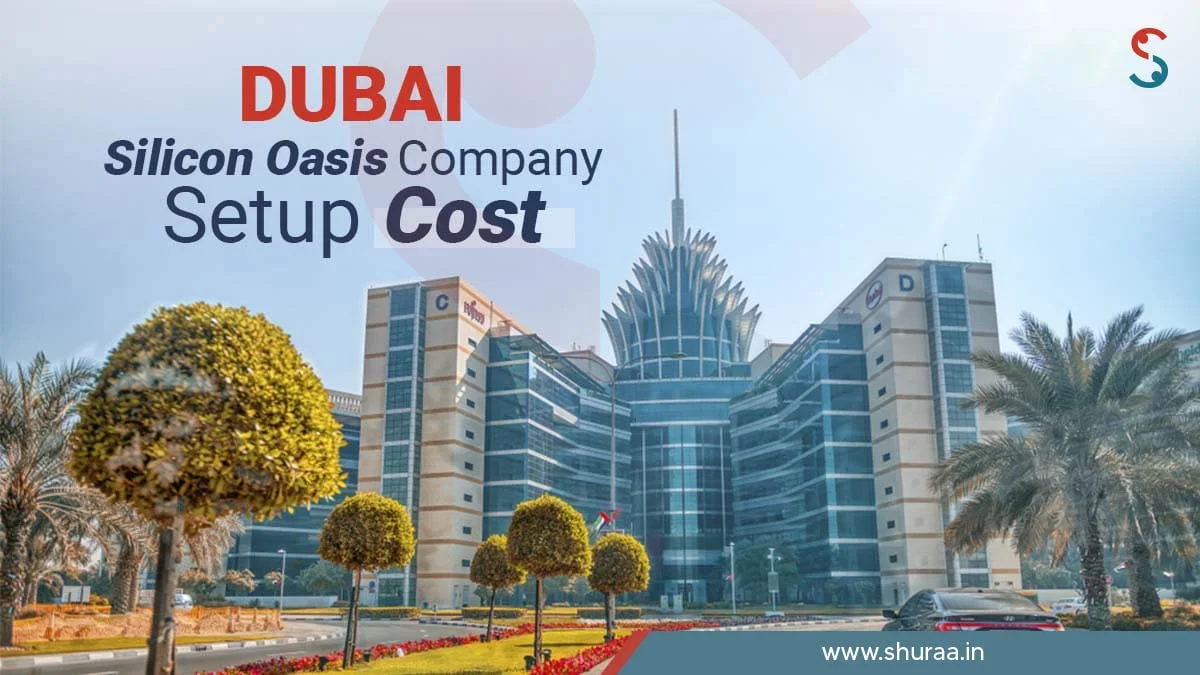
  • Dubai Silicon Oasis Company Setup Cost

    Dubai Silicon Oasis Company Setup Cost

    Are you dreaming of starting a tech business, growing an innovative company, or finding the perfect home for your enterprise in the Middle East? Then you absolutely need to know about the Dubai Silicon Oasis (DSO). 

    DSO is a massive, carefully planned, and government-owned integrated technology park that has quickly become a premier destination for business. Spanning over 7 square kilometres, this vibrant area brings together offices, universities, residential spaces, and lifestyle facilities, making it one of the most convenient and connected places to start a business in Dubai. 

    From 100% foreign ownership and zero corporate tax on qualifying income to state-of-the-art infrastructure and easy access to global markets, everything here supports business success. 

    But what really sets DSO apart is its complete ecosystem – where businesses, research centres, and entrepreneurs come together to collaborate and innovate. 

    About Dubai Silicon Oasis (DSO) 

    Dubai Silicon Oasis (DSO) is a government-owned free zone established and managed by the Dubai Integrated Economic Zones Authority (DIEZ). It was created with a vision to make Dubai a global hub for innovation, technology, and smart business solutions. Over the years, DSO has successfully built a name for itself as a vibrant community that blends business, technology, and modern living in one place. 

    One of DSO’s biggest advantages is its location. It’s conveniently situated just a short drive from Dubai International Airport, Downtown Dubai, and major highways like Sheikh Mohammed Bin Zayed Road which offers easy access to both local and international markets. 

    The area is also known for its world-class infrastructure. From high-tech office buildings and modern warehouses to residential apartments, retail outlets, schools, and leisure facilities, everything you need is right within reach. It’s home to tech parks, innovation centres, and startup incubators that encourage collaboration and creativity. 

    Business Activities Permitted in DSO 

    Dubai Silicon Oasis offers a wide range of business activities, especially for companies focusing on technology, innovation, and modern services. Here are some of the main business activities you can carry out in DSO: 

    • Technology and IT Services: Software development, app creation, web design, IT support, and cloud solutions. 
    • Electronics and Engineering: Research, design, testing, and trading of electronic equipment and engineering products. 
    • Consultancy Services: Business management, marketing, HR, or IT consulting services for local and international clients. 
    • E-Commerce and Digital Marketing: Online trading, digital marketing agencies, and social media management firms. 
    • Education and Training: Technical training centres, educational consultancies, and e-learning platforms. 
    • Light Industrial and Assembly Activities: Small-scale manufacturing, product assembly, and packaging operations. 
    • Import and Export: Trading goods and technology-related equipment regionally and globally. 

    Dubai Silicon Oasis License Types 

    To cater to different kinds of businesses, DSO offers several types of licenses. Each license is designed to support specific activities. Here’s a quick look at the main license types available in DSO: 

    1. Professional License 

    A professional license allows you to provide professional or consultancy-based services. It’s ideal for businesses such as IT consultancies, marketing agencies, educational services, accounting firms, and other service-oriented activities. 

    2. Trading (Commercial) License 

    A trading or commercial license permits the import, export, and distribution of goods and products within the free zone or outside the UAE. It’s suitable for companies involved in e-commerce, wholesale, or retail trading. 

    3. Industrial License 

    This license is required for businesses involved in light manufacturing, product assembly, or packaging. DSO provides ready-to-use industrial units and warehouses for companies that need production or storage facilities. 

    Each license type comes with flexible options for office spaces, visa quotas, and activity combinations, allowing entrepreneurs to choose what best fits their business model. 

    Special Permit: Business Operation Permit 

    For companies already established outside of the free zone (i.e., licensed by the Dubai Department of Economy and Tourism), DSO offers a Business Operation Permit. This allows them to operate from private properties within the designated DSO administrative zone while retaining their existing DET license. 

    Types of Companies You Can Form in DSO 

    DSO offers flexible company structures to suit different kinds of businesses. Depending on the ownership and business goals, you can choose from the following types of companies: 

    • Free Zone Establishment (FZE): An FZE is a company with a single shareholder, which can be an individual or a corporate entity. This structure is ideal for solo entrepreneurs or small business owners who want full control and 100% ownership of their business. 
    • Free Zone Company (FZCO): An FZCO allows multiple shareholders (up to 50). This option is suitable for partnerships or businesses with several investors looking to collaborate under one entity within the free zone. 
    • Branch Office: A branch office can be set up by an existing UAE or foreign company that wants to expand its operations into DSO. It functions as an extension of the parent company and performs the same business activities. 
    • Dubai Integrated Economic Zones (DIEZ) Licensed Entities: Since DSO operates under DIEZ (Dubai Integrated Economic Zones Authority), businesses can also form licensed entities that enjoy unified benefits across DIEZ’s managed zones, including Dubai Airport Free Zone (DAFZ) and Dubai CommerCity. 

    Documents Required for DSO Company Setup 

    Here are the commonly required documents for your Dubai Silicon Oasis company formation: 

    • Passport copies of all shareholders, directors, and the appointed manager 
    • Passport-size photographs of shareholders and the manager 
    • Proof of address 
    • Business plan (for certain activities like technology or consultancy services) 
    • Memorandum and Articles of Association (MOA/AOA) 
    • Application form issued by the DSO Authority 
    • Trade name reservation certificate 
    • No Objection Certificate (NOC) from the current sponsor (if the shareholder is a UAE resident) 

    Once all the documents are ready, they must be submitted to the Dubai Silicon Oasis Authority for review and approval. After verification, you’ll receive the initial approval to proceed with your office lease and license issuance. 

    Dubai Silicon Oasis Company Formation Process 

    Dubai Silicon Oasis company setup is a smooth and transparent process. The DSO Authority has made it easy for entrepreneurs to register their company and start operating quickly. Here’s how the process works: 

    1. Choose Your Business Activity 

    Start by selecting the business activity you want to carry out such as IT services, trading, consultancy, or manufacturing. The type of activity determines your license type and legal structure. 

    2. Define Your Legal Structure 

    After you finalise business activity, decide whether you want to register as a Free Zone Establishment (FZE), Free Zone Company (FZCO), or a Branch Office of an existing company. 

    3. Reserve a Company Name 

    Pick a unique trade name that follows DSO’s naming guidelines. The name should reflect your business nature and must be approved by the DSO Authority. 

    4. Choose Your Office Space 

    Every company in DSO must have a physical presence. Depending on your business size and requirements, you can choose from a range of options such as flexi-desks and co-working spaces for startups to private offices, commercial units, or light industrial spaces for larger businesses. Your office lease agreement is an essential step before license issuance. 

    5. Receive Your Business License 

    After submitting documents, completing all approvals and lease formalities, you’ll receive your official Dubai Silicon Oasis business license. This document legally authorises you to start business operations within the free zone. The license is valid for one year and can be renewed annually. 

    6. Open a Corporate Bank Account 

    After license issuance, you can open a corporate bank account with any leading bank in the UAE. DSO companies are eligible to open accounts with both local and international banks, depending on their business nature and requirements. 

    7. Apply for Residence Visas 

    Finally, you can apply for residence visas for shareholders, employees, and dependents under your company’s sponsorship. The number of visas you can obtain depends on your office size and license type. 

    Dubai Silicon Oasis Company Setup Cost 

    The license fees in DSO are very competitive. For most businesses, a service, trading, or industrial license starts from around AED 12,000 per year, while a general trading license can cost approximately AED 18,750 annually. If you plan to carry out additional business activities, extra fees may apply. 

    Another significant expense is the office space – Flexi-desks or co-working spaces are the most affordable option, starting from about AED 10,000 per year, while private offices typically cost between AED 150–300 per square metre annually. Industrial units and warehouses are also available, with prices depending on size and purpose. 

    Visa costs are another important part of the setup. An investor visa usually costs around AED 3,260, while employee visas range from approximately AED 3,500 to 5,000. These fees can vary depending on the applicant’s nationality and other factors. 

    Naturally, the cost increases if you add more business activities, require a larger office, or need additional visas. To get an accurate estimate for your specific business, it’s always best to consult a business setup expert at Shuraa India. 

    Benefits of Dubai Silicon Oasis Company Setup 

    Business setup in DSO offers a range of advantages that make it one of the most attractive free zones in the UAE. 

    1. 100% Foreign Ownership 

    Entrepreneurs and investors can fully own their business without needing a local partner, giving full control over operations and profits. 

    2. Zero Corporate and Personal Tax 

    DSO offers tax-free business income for qualifying activities, allowing companies to retain more of their earnings. This reduces overhead costs and increases financial flexibility. 

    3. Support for Technology and Innovation 

    DSO is tailored for tech and innovation-driven businesses. It offers access to high-speed internet, smart city infrastructure, and digital business services. 

    4. Credibility and Recognition 

    Being registered in DSO adds credibility with clients, investors, and international partners. Free zone registration signals stability, compliance, and a commitment to professional standards. 

    5. Integrated Live-Work-Play Environment 

    Residential areas, schools, shopping centres, and leisure facilities make DSO a self-contained community. Employees and business owners benefit from shorter commutes and a better work-life balance, which improves productivity and employee satisfaction. 

    Ready to Start Your Business in DSO? 

    Dubai Silicon Oasis company setup offers a unique mix of business opportunities, innovation, and modern infrastructure, making it one of the most attractive free zones in the UAE. Getting started is easier with the right support. Shuraa India offers complete guidance, handling everything from licenses, visas, and PRO services to office space and bank account assistance. We also provide personalized advice to help you choose the best business activity and company structure for your goals. 

    Don’t wait, contact Shuraa India today and get your Dubai Silicon Oasis company up and running quickly. 

  • How Canadian Citizens Can Start a Business in Dubai?

    How Canadian Citizens Can Start a Business in Dubai?

    Are you a Canadian entrepreneur considering setting up a business in Dubai for Canadian citizens? If yes, then now is the perfect time to establish your presence in one of the world’s most dynamic business hubs. The United Arab Emirates is a federation of seven emirates, with Dubai standing out as the most famous and economically vibrant destination for international business ventures.

    Dubai has transformed into a leading business hub in the Middle East, attracting thousands of Canadian entrepreneurs annually. Company registration in Dubai offers a remarkable range of benefits, from significant tax advantages to access to diverse and lucrative markets spanning the Middle East, Africa, and Asia.

    Dubai has consistently ranked high in global competitiveness indices, and its non-oil economy has experienced remarkable growth of over 50% in the last decade. The emirate’s strategic vision for economic diversification has created unprecedented opportunities for Canadian businesses across various sectors including technology, healthcare, tourism, real estate, and professional services.

    Now, if you’re wondering whether it is easy to set up a business in Dubai or not, the answer is a resounding yes. The UAE government has implemented comprehensive reforms to streamline the business registration and setup process, making it straightforward and hassle-free for international investors, particularly from countries like Canada.

    From selecting the right business structure to obtaining the necessary licenses and permits, this comprehensive guide will cover everything Canadian citizens need to know to successfully establish their business in Dubai.

    Why Should Canadian Citizens Set Up a Business in Dubai?

    Setting up a business in Dubai offers a wealth of benefits and opportunities that make it an exceptionally attractive destination for Canadian entrepreneurs and investors. Here’s why company setup in Dubai could be strategically advantageous:

    1. Strategic Geographic Location

    Dubai serves as a gateway between East and West, providing Canadian businesses with unparalleled access to markets in the Middle East, Africa, and Asia. With over 2 billion consumers within a four-hour flight radius, your Dubai-based business can tap into some of the world’s fastest-growing markets.

    2. Streamlined Business Setup Process

    The business setup process in Dubai has been significantly simplified in recent years. With various options like mainland, free zones, and offshore companies, Canadian entrepreneurs can efficiently establish their presence. The entire process can be completed in as little as a few days to a few weeks, depending on the business type and structure chosen.

    3. Expat-Friendly Environment

    Dubai is globally renowned for its welcoming atmosphere for expatriates, making it exceptionally easy for Canadian citizens to relocate and establish businesses. The emirate boasts a large Canadian expat community, offering networking opportunities and familiar social environments. English is widely spoken, and the city offers excellent international schools, healthcare facilities, and lifestyle amenities that make the transition seamless for Canadian families.

    4. Strong Government Support and Stability

    The Dubai government provides robust support to businesses through innovative initiatives, attractive incentives, and a proactive approach to regulatory frameworks. Political stability, safety, and world-class infrastructure further enhance Dubai’s appeal as a business destination for Canadian investors.

    5. Attractive Tax Environment

    While the UAE government introduced a federal corporate tax of 9% effective from June 1, 2023, this only applies to taxable profits exceeding AED 375,000 (approximately CAD 137,000). This favorable threshold means that many small and medium-sized Canadian businesses will continue to enjoy tax-free status or minimal taxation.

    Additionally, there is:

    • No personal income tax
    • No withholding tax on dividends
    • No capital gains tax
    • VAT of only 5% on goods and services (with numerous exemptions)

    For Canadian citizens accustomed to significantly higher tax rates, this represents substantial savings and improved profitability.

    6. 100% Foreign Ownership

    One of the most significant advantages for Canadian citizens setting up a business in Dubai is the ability to own 100% of their businesses in most sectors. Previously, foreign investors required a local partner holding 51% ownership for mainland companies, but this restriction has been largely eliminated, providing complete control over your business operations.

    7. Diversified Economy Beyond Oil

    Dubai has successfully diversified its economy, reducing dependency on oil revenues to less than 5% of GDP. This economic transformation has created exceptional opportunities in sectors highly relevant to Canadian entrepreneurs, including:

    • Technology and innovation
    • Financial services
    • Tourism and hospitality
    • Healthcare and pharmaceuticals
    • Education
    • Renewable energy
    • Real estate and construction
    • E-commerce and digital services

    8. Growing and Affluent Consumer Market

    With a population exceeding 3.5 million residents and over 15 million annual tourists, Dubai provides a strong, affluent consumer base for Canadian businesses. The high purchasing power and cosmopolitan nature of Dubai’s population create demand for quality products and services that Canadian companies excel at providing.

    9. World-Class Infrastructure

    Dubai boasts exceptional infrastructure, including:

    • State-of-the-art telecommunications and digital connectivity
    • Award-winning airports and seaports
    • Modern road networks and public transportation
    • Advanced logistics and supply chain facilities
    • Cutting-edge business centers and commercial districts

    This infrastructure excellence facilitates efficient business operations and enables Canadian companies to compete globally.

    10. Access to Free Trade Agreements

    The UAE has established numerous free trade agreements and bilateral investment treaties that Canadian businesses can leverage to access preferential markets and reduce trade barriers across the region and beyond.

    Process of Setting Up a Business in Dubai for Canadian Citizens

    Setting up a business in Dubai for Canadian citizens involves several key steps and requirements. While specific details can vary depending on the type of business and chosen jurisdiction (mainland, free zone, or offshore), here’s a comprehensive overview of the process:

    Step 1: Develop a Comprehensive Business Plan

    The first critical step is to prepare a detailed business plan tailored to the Dubai market. This should include:

    • Market research identifying your target audience and competitors
    • Analysis of the competitive landscape
    • Clear definition of your value proposition
    • Financial projections and funding requirements
    • Marketing and operational strategies

    Additionally, decide on the nature of your business and select your specific business activities. The Department of Economic Development provides over 2,000 business activities to choose from. Carefully select the activities that align with your business objectives and submit them along with your business registration application.

    Step 2: Choose Your Business Structure

    The next crucial decision is selecting the appropriate business structure for your Canadian-owned enterprise. Dubai offers several options:

    • Mainland Company: Operates within the UAE, engaging in trade with both local and international markets. 100% foreign ownership is now permitted for most business activities. Mainland companies can bid for government contracts and trade directly with the local market without restrictions.
    • Free Zone Company: Operates within a designated free zone, enjoying comprehensive tax benefits and guaranteed 100% foreign ownership. Dubai has over 30 specialized free zones catering to different industries, from technology and media to healthcare and logistics. Free zone companies benefit from streamlined setup processes, no currency restrictions, and full repatriation of profits.
    • Offshore Company: Primarily designed for holding assets, international business operations, and tax planning, with limited operational activities within the UAE. Offshore companies cannot conduct business directly within the UAE but are excellent for Canadian citizens managing international investments and operations.

    The location you choose depends entirely on your business activities, target market, and operational requirements. If you choose to set up in a free zone, you may face restrictions on trading directly with the UAE mainland market. However, mainland companies can operate anywhere in the country and internationally without limitations.

    Step 3: Choose a Compliant Business Name

    Select a unique and memorable name for your business that complies with Dubai’s naming conventions. The name must:

    • Not contain offensive or culturally inappropriate words
    • Not infringe on existing trademarks
    • Follow specific guidelines regarding words requiring special approval
    • Reflect your business activities appropriately

    Ensure the name is available for registration by checking with the relevant authorities.

    Step 4: Obtain Initial Approval

    Apply to the Dubai Department of Economy and Tourism (DET) or the relevant free zone authority. You’ll need to provide required documents, including:

    • Passport copies of all shareholders and directors
    • Visa copies (if applicable)
    • Detailed business plan
    • Initial approval application forms

    This initial approval confirms that your proposed business activity and structure are acceptable to the authorities.

    Step 5: Secure Office Space

    You need to arrange appropriate office space to carry out your business activities. Depending on your business type and chosen jurisdiction, this could be:

    • Physical office space in a business center
    • Flexi-desk arrangements in co-working facilities
    • Virtual office solutions (for certain business types)

    Ensure the space meets all regulatory requirements regarding dimensions and specifications. Once you secure the space, you’ll need to:

    • Obtain the tenancy contract
    • Register the contract with Ejari (the official tenancy registration system)
    • Secure property documentation and location maps

    Free zones typically provide various office space options within their designated areas, often with flexible packages suitable for startups and established Canadian businesses alike.

    Step 6: Obtain Your Business License

    The Dubai government offers different types of business licenses based on your activities:

    Apply for the appropriate license based on your registered business activity. The process may involve coordination with multiple government departments and can take anywhere from a few days to several weeks, depending on the complexity of your business.

    Some business activities may require additional permits and approvals from specialized regulatory bodies.

    Step 7: Open a Corporate Bank Account

    Opening a corporate bank account is essential for Canadian citizens setting up a business in Dubai. Select a reputable bank in Dubai and prepare the necessary documentation, which typically includes:

    • Trade license copy
    • Memorandum of Association
    • Passport copies of shareholders and authorized signatories
    • Proof of address
    • Business plan and financial projections
    • Bank reference letters from Canadian banks

    The account opening process can take several weeks, so it’s advisable to start early and maintain clear communication with your chosen bank.

    Step 8: Arrange Visa and Residency Permits

    Once your company is registered, you can sponsor residency visas for yourself and your employees. The process involves:

    • Determining the number of visas your license permits
    • Submitting visa applications with required documentation
    • Completing medical fitness tests
    • Obtaining Emirates ID cards
    • Finalizing residency permits

    The UAE offers various visa options, including investor visas, employment visas, and the innovative Golden Visa program for long-term residency.

    Step 9: Ensure Compliance with Legal and Regulatory Requirements

    Ongoing compliance is critical for Canadian businesses operating in Dubai. This includes:

    • Adhering to UAE labor laws regarding employment contracts, working hours, and employee rights
    • Maintaining proper accounting records and financial statements
    • Filing annual audits and renewals on time
    • Complying with VAT regulations (if applicable)
    • Following sector-specific regulations
    • Maintaining proper corporate governance

    It is highly recommended that Canadian entrepreneurs consult with experienced business setup experts like Shuraa for accurate, up-to-date information and ongoing compliance support.

    Documents Required for Business Setup in Dubai for Canadian Citizens

    Here’s a comprehensive list of essential documents required for Canadian citizens setting up a business in Dubai:

    For Initial Business Setup:

    • Valid passport copies of all shareholders and directors (with at least 6 months validity)
    • Recent passport-size photographs
    • Visa copies (if currently in the UAE)
    • Comprehensive business plan outlining objectives, operations, and financial projections
    • Proof of address (utility bill or bank statement from Canada)
    • Memorandum of Association (MOA) detailing company structure
    • No Objection Certificate (NOC) from current sponsor (if applicable)
    • Bank reference letters from Canadian financial institutions

    For License Application:

    • Completed application forms (specific to your chosen jurisdiction)
    • Detailed business plan
    • Passport copies and photographs of all shareholders and managers
    • Lease agreement for office space or Ejari certificate
    • Initial deposit as required by the licensing authority
    • Approval certificates from relevant regulatory bodies (if required for specific activities)

    Post-Setup Documents:

    • Emirates ID for all shareholders and managers
    • Establishment card
    • Trade license certificate
    • Tax Registration Number (TRN) for VAT purposes (if applicable)
    • Immigration cards and residency permits
    • Labor cards for employees

    Professional business setup consultants can provide invaluable assistance in gathering, preparing, and processing all required documents efficiently, ensuring accuracy and compliance.

    Cost of Setting Up a Business in Dubai for Canadian Citizens

    Understanding the financial investment required is crucial when setting up a business in Dubai for Canadian citizens. The costs vary significantly based on several factors:

    Base License Costs

    The base license cost for setting up a company in Dubai typically ranges from AED 12,900 to AED 30,000 (approximately CAD 4,700 to CAD 11,000). This represents the fundamental licensing fees but doesn’t include additional costs.

    Factors Affecting Total Setup Costs:

    • Type of Business Structure: Mainland companies, free zone entities, and offshore companies each have different fee structures. Free zones often offer package deals that include licensing, office space, and visas.
    • Business Activity: The specific license type and number of activities you register will influence costs. Certain specialized activities may require higher fees or additional approvals.
    • Office Location: Prime locations in prestigious business districts command higher rental rates. However, flexi-desk and virtual office solutions offer more affordable alternatives for Canadian startups.
    • Number of Visas: Each employment or investor visa adds to the overall cost. Visa packages typically include medical tests, an Emirates ID, and processing fees.
    • Professional Services: Engaging business setup consultants, legal advisors, and PRO (Public Relations Officer) services adds to costs but significantly streamlines the process and ensures compliance.

    Canadian entrepreneurs should consult with business setup experts at Shuraa for accurate, customized estimates tailored to their specific business requirements and objectives.

    Key Considerations for Canadian Citizens Setting Up Business in Dubai

    Cultural Awareness

    While Dubai is highly cosmopolitan and business-friendly, understanding and respecting local culture and customs is important for long-term success. Canadian entrepreneurs should familiarize themselves with business etiquette, appropriate dress codes, and cultural sensitivities.

    Banking Relationships

    Establishing strong banking relationships is crucial. Canadian citizens should prepare comprehensive documentation and be ready for detailed due diligence processes when opening corporate accounts.

    Professional Networks

    Joining Canadian business associations in Dubai, chambers of commerce, and industry-specific networks can provide valuable connections, market insights, and business development opportunities.

    Long-term Planning

    Consider long-term strategies including succession planning, expansion possibilities, and exit strategies when establishing your Dubai business structure.

    Let’s Build Your Dubai Business Together

    Setting up a business in Dubai represents an exciting opportunity with numerous compelling benefits for Canadian entrepreneurs. From its strategic geographic location and attractive tax environment to its world-class infrastructure and business-friendly ecosystem, Dubai offers the perfect platform for Canadian businesses to expand, grow, and thrive in international markets.

    However, navigating the business setup process can be complex, particularly if you’re unfamiliar with local regulations, procedures, and cultural nuances. That’s why partnering with an experienced business setup consultant like Shuraa India is a strategic investment that pays dividends in time saved, compliance assured, and peace of mind achieved.

    With over 26 years of specialized experience in UAE business formation, Shuraa India has successfully helped thousands of international entrepreneurs, including numerous Canadian citizens, establish thriving businesses in Dubai. Their comprehensive approach handles all aspects of business setup, making the process smooth, efficient, and stress-free at every step.

    At Shuraa India, dedicated experts take complete care of everything for you, including:

    • Company registration and structuring advice
    • License applications and approvals
    • Visa processing for investors and employees
    • Office space solutions tailored to your needs
    • Complete documentation and government liaison
    • Banking introduction and account opening support
    • Ongoing compliance and renewal services

    Don’t let the challenges of business setup in Dubai hold back your entrepreneurial ambitions. The time to establish your presence in this dynamic market is now. Take the first step today and contact Shuraa India to transform your vision of operating a successful business in Dubai into reality.

    Your journey to business success in Dubai starts here—let Shuraa India be your trusted partner every step of the way.

  • Corporate Tax in the UAE

    Corporate Tax in the UAE

    The UAE, well known for its record economic growth, has announced plans to impose a federal corporate tax on business (net) profits. The UAE Ministry of Finance will establish a corporation tax in Dubai on the net profit of multinationals from June 1, 2023, as part of a comprehensive tax overhaul. 

    The Ministry of Finance declared that net profits up to Dh 375,00 (INR 75,96,910 Lakh) would be tax-free. This is in keeping with a big initiative aimed at assisting small & medium enterprises. Furthermore, the government will levy a 9% corporate tax on businesses for net profits over $102,000 (INR 75,96,910 Lakh). And 0 percent for net profits below that amount.

    These substantial improvements will open a new window of financial growth for businesses and in coming years, this reform can prove to be a big advantage for Indian entrepreneurs. 

    The 9% corporate tax on businesses is the lowest across the globe. Thus, big multinational companies should prioritize the UAE to open their new branch. Also, according to a Fundera survey, the average small business owner earns INR 53,85,975 per year. As a result, this announcement is a big boon for small and medium enterprises too as they can continue to take advantage of 0% TAX

    What Are the Highlights of New UAE Corporate Tax

    Due to favorable tax regimes in most GCC nations, the Gulf Cooperation Council remains an attractive jurisdiction for foreign investment. However, several reforms are in the works to generate new revenue streams while lowering the region’s reliance on traditional revenue sources. Below are the highlights of the new tax regime in the UAE.

    1. Individual Earnings

    Individuals will continue to be exempt from taxation on earnings from work, real estate, equity investments, and other sources of personal income not tied to a UAE trade or business. Therefore, the personal income tax rate in the UAE still stands at 0 percent. Foreign investors who do not conduct business in the country will also be exempt from the corporate tax in Dubai.

    2. Regulations on Loss Utilization

    Loss utilization regulations will be generous in the UAE’s corporate tax framework. Furthermore, UAE groups will be taxed as a single entity. They can also use collective relief for losses, intra-group transactions, and reorganizations.

    3. UAE Corporate Tax on Net Profits

    In terms of profit, corporate tax on business in the UAE will be applied to the business’s adjusted accounting net profit. For instance, a business’s turnover is AED 1 Million ( INR two crores). after all deductions (e.g. REntal, Salary). the company’s net profit comes out to be AED 3,00,000 ( INR 60 lakhs ). The enterprise will be exempt from taxation in the UAE.

    4. Tax Incentives

    In the case of free zones, the 9% tax will be applied to enterprises within the free zones that gain commercially from the mainland. The current advantages for free zone enterprises will be honored for businesses that comply with all regulatory standards – and do not conduct business with the mainland.

    5. Minimal Compliance Costs

    The corporate tax in UAE will ensure that compliance costs are kept to a minimum for multinationals that develop as well as maintain appropriate financial records. The corporate tax will be levied on the earnings of UAE companies as reported in their financial statements. Moreover, the reports should be prepared by internationally accepted accounting standards, with exceptions and adjustments.

    Moreover, the administrative burden to businesses to file corporate tax returns will be significantly less. Thanks to the digitalisation of government services over the last few years

    6. Business Activities

    Except for the extraction of natural resources, which will continue to be subject to emirate-level corporate taxation, the UAE corporate tax will apply to all enterprises and commercial activities.

    7. Assessment Year

    Multinationals would only have to file one corporate tax return every fiscal year. Furthermore, they will no longer have to make advance tax payments or prepare provisional tax filings. With reference to the OECD Transfer Pricing Guidelines, UAE enterprises will be subject to transfer pricing and documentation requirements.

    How Will The UAE Tax Regime Benefit Small Businesses?

    Many people consider small businesses an essential source of employment creation and technical innovation.  Small company owners have long been lauded for their contributions to the economy in the UAE. Their impact on employment growth and innovation, in particular. As a result, the new federal income tax policy will benefit small businesses and startups. 

    Here are some ways the UAE corporate tax on multinational companies will boost small businesses.

    1. Reducing Corporate Concentration

    Corporate concentration is the reason for the slowing of productivity growth and the economy’s slowing in general. Net income, revenues, assets, and market capitalization are distributed more evenly among the largest firms. The rising concentration reveals that big companies raise prices while decreasing salaries, offering lower-quality goods and services, and limiting output. Large enterprises and multinationals will be impacted by UAE taxation, but startups and small businesses will benefit from the expanding economy. 

    2. Promoting Healthy Competition

    Corporate concentration links to rising inequality and large businesses’ increasing political weight, in addition to suffocating competition. The concentration of wealth and power in the hands of a few large corporations can instill a sense of discontent among small enterprises. As a result, the UAE is introducing a business tax to line with worldwide efforts to promote healthy competition amongst global investors.

    3. Combating Tax Evasion

    Corporates are given credit for increasing competition and improving customer welfare due to their ability to utilize economies of scale. Large firms’ increasing efficiencies in comparison to their smaller counterparts are well-known. The tax for Indian entrepreneurs who are planning to do business in Dubai is only when their net earnings go beyond INR 75.96 Lakh. This new tax regime will help small businesses to stand out in the market while keeping a check on the issue of corporate tax evasion.

    4. Transparent System of Corporate Taxation

    It makes sense for the government to take action as the UAE’s economy grows and it assumes a larger position on the world stage. Tax transparency allows a high-level understanding of an MNE’s business activities through tax data. The UAE corporate tax is a reasonable price to pay for the benefit of conducting business as a corporation.

    It can fund the costs of public services that benefit businesses in particular, as well as to capture a portion of large corporations’ revenues. Hence, the new tax regime will also meet issues posed by the global economy’s digitisation.

    5. Prevent Harmful Tax Practices

    The new corporate tax regime takes the UAE several steps to meet international standards on ‘tax transparency’ and prevent ‘harmful’ practices. The administration will pave the way for the UAE to handle the problems posed by the global economy’s digitization and other issues. Furthermore, put its support for creating a worldwide minimum tax rate into action by applying a different corporation tax rate to large multinationals that meet specified criteria laid forth in the plan above.

    UAE Corporate Tax Rate in 2026

    As per the Ministry of Finance, CT rates are:

    • 0 percent for taxable income up to AED 375,000.
    • 9 percent for taxable income above AED 375,000.

    Get a free UAE corporate tax compliance check for your business

    Ready to Launch Your Business in The UAE?

    The new tax regime lays the groundwork for a robust economic recovery in the UAE, allowing the country to return to pre-pandemic levels. As a result, it is a perfect moment to start a business in the UAE. Speak to Shuraa specialists now if you’re still unsure whether Dubai is the right place for your company. 

    Shuraa India is a pioneer in Dubai business setup services. We have branch offices across the globe in major cities like London, Delhi, and Mumbai. 

    From guiding you on the right path to transforming your entrepreneurial idea into a successful firm, we do it all. You can connect with any of our nearest offices for a consultation. Thus, leverage the UAE’s cutting-edge infrastructure, strategic location, outstanding connectivity, and supportive workforce and start a business in Dubai today.  

    Shuraa’s tax advisors manage corporate tax registration & filings for 40,000+ UAE businesses — transparent, expert-led service

  • How to Start a Healthcare Business in Dubai

    How to Start a Healthcare Business in Dubai

    The UAE is well known for its healthcare facilities. Medical and healthcare technologies are so advanced that people from across the globe visit the country for various treatments. When it comes to investing in this industry, it is one of the most promising sectors in the country. The capital city Dubai boasts of offering prime medical services, private or public healthcare systems. This makes many foreign investors wonder how to start a healthcare business in Dubai. 

    If you would also like to explore a healthcare business setup in Dubai or set up clinics or hospitals, the Dubai Healthcare City can empower you. But before starting to plan anything, it’s essential to understand the types of healthcare business registration in the UAE and how to get a private clinic license in Dubai. 

    Is the Healthcare Sector in Dubai Worth Investing in 2026?   

    Yes. Entering Dubai’s healthcare sector in 2026 remains highly attractive due to sustained demand, digital transformation, policy reforms, and the expansion of medical free zones and PPP projects.

    Market Growth & Investment Potential 

    • Healthcare Infrastructure Expansion: Between 2019 and 2023, the number of healthcare facilities in Dubai grew from 3,431 to 4,922. 
    • Workforce Development: The healthcare workforce increased from 39,548 in 2019 to 58,788 in 2023, indicating a strong emphasis on human capital in the sector. 
    • Economic Contribution: Dubai Healthcare City contributed AED 2.8 billion to Dubai’s GDP in 2021, underscoring the sector’s economic significance.  

    Digital Health & Innovation 

    • Digital Health Market: The UAE’s digital health market was valued at USD 619.3 million in 2023 and is projected to grow at a CAGR of 23.3% from 2024 to 2030. 
    • Telemedicine Growth: The telemedicine market in the UAE is expected to reach USD 1.21 billion by 2029, growing at a CAGR of 19.25% 
    • mHealth Expansion: The UAE’s mHealth market is projected to grow from USD 186.3 million in 2024 to USD 858.8 million by 2033, at a CAGR of 17.6%. 

    Medical Tourism & Wellness 

    • Medical Tourism Revenue: In 2021, medical tourism sales in the UAE were estimated at AED 8.4 billion (USD 2.3 billion), with a projected CAGR of 17.1% between 2021 and 2025. 
    • Global Ranking: Dubai ranks first in the Middle East and North Africa and sixth globally for medical tourism, reflecting its appeal to international patients. 

    Government Initiatives & Policy Support 

    • Increased Health Funding: The UAE’s 2025 federal budget allocates AED 5.74 billion (USD 1.56 billion) for healthcare and community prevention services, a 10.4% increase from 2024. 
    • Mandatory Health Insurance: Effective January 1, 2025, private sector employers in all emirates must provide health insurance coverage to their employees, expanding the addressable market for healthcare services. 

    Investment Opportunities 

    • Private Sector Participation: Private sector spending in the UAE’s healthcare market is expected to grow at a CAGR of 9.5%, outpacing public sector spending. 
    • Public-Private Partnerships (PPPs): Dubai is promoting PPPs in new hospital projects to address future healthcare needs and offer avenues for private investment. 
    • Healthcare Free Zones: Dubai Healthcare City and Dubai Science Park offer incentives such as tax benefits and advanced infrastructure to attract healthcare companies and investors.

    In summary, Dubai’s healthcare sector in 2025 offers a dynamic and promising investment landscape, characterised by significant growth, technological innovation, and supportive government policies. 

    Investors can explore opportunities across various segments, including digital health, medical tourism, and public-private partnerships, to capitalise on the sector’s upward trajectory. 

    Why Start a Healthcare Business in Dubai? 

    Dubai has emerged as a global hub for healthcare innovation, offering top infrastructure, a prime location, and supportive government policies. If you’re considering setting up a healthcare clinic in the UAE, particularly in Dubai, the city offers fertile ground for growth and success. 

    Here’s why starting a healthcare business in Dubai makes sense:

    1. Dedicated Free Zones Like Dubai Healthcare City 

    One of the most attractive aspects of a business setup in Dubai Healthcare City (DHCC) is the access to a specialised ecosystem customised for medical professionals and organisations.  

    DHCC offers 100% foreign ownership, tax benefits, and a streamlined licensing process, making it ideal for clinics, hospitals, and wellness centres. 

    2. Strong Government Support & Regulations 

    Dubai’s Health Authority (DHA) ensures high healthcare standards, attracting international trust. The regulatory framework also makes setting up a healthcare clinic in the UAE straightforward, with clear guidelines and support for new entrants. 

    3. Rising Demand for Quality Healthcare 

    The demand for specialised healthcare services is escalating with a growing population, increased medical tourism, and higher lifestyle expectations. Dubai provides a profitable market for general practitioners, specialists, dental clinics, wellness centres, and diagnostic labs. 

    4. Advanced Infrastructure and Technology 

    Dubai encourages the integration of digital health solutions, AI, telemedicine, and innovative health devices. This creates a future-ready environment for healthcare entrepreneurs who wish to innovate. 

    5. Access to Skilled Talent 

    As an international city, Dubai attracts top-tier medical professionals and support staff worldwide, helping new clinics offer high-quality care from day one. 

    6. Medical Tourism Potential 

    Dubai is already a top destination for medical tourism, especially for cosmetic, dental, orthopaedic, and wellness treatments. Starting a clinic here will allow you to reach local and international patient markets.

    In conclusion, whether you’re a doctor or investor, setting up a healthcare clinic in UAE, offers unmatched advantages. From supportive infrastructure to growing demand, Dubai is a prime choice for healthcare entrepreneurs. 

    Types of Healthcare Business Setups in Dubai 

    People can invest in several types of healthcare and medical areas in Dubai. If you are willing to start a healthcare business in Dubai, below is a list of such healthcare fields you can choose to invest in: 

    1. Ambulatory Centres 

    These are often referred to as outpatient clinics. This type of medical facility provides services that do not require overnight stays at the clinic or hospital, such as minor surgery, wound care, and physical therapy.  

    2. Healthcare Investment Management 

    You can also consider starting a healthcare investment management firm in Dubai. You could manage the financial assets and investments of healthcare providers, hospitals, and clinics.  

    3. Professional Development Training 

    It is critical to have a professional and skilled staff to ensure the quality of services provided by hospitals, clinics, or any medical facility. You can consider starting a company to provide short-term courses related to human resource training, social and behavioural training, professional development training, clinical skill development, etc.  

    4. Higher Education Providers 

    The education sector is booming worldwide, and when it comes to education for the medical or healthcare sectors, the possibilities are endless. You can start a junior medical college, a technical healthcare education firm, or a medical university in Dubai. 

    5. Medical Publishing 

    This industry targets both healthcare professionals and students. The medical publishing market encompasses various formats such as medical journals, clinical research papers, databases, online content, and medical books.  

    6. Non-Profit Healthcare Organisation 

    You can also plan to establish a non-profit organisation in Dubai to help disadvantaged people or those in need nationwide.  

    7. Private Clinics and Hospitals 

    Private clinics and hospitals are usually preferred because patients get quality services and individual care. Given that Dubai’s population is particular about the quality of everything, be it lifestyle, education, career, or medical facilities, this type of healthcare business setup in Dubai will be very profitable. However, you will need the required approvals, permission, and a private clinic license in Dubai.  

    8. Healthcare Consultancy 

    The medical and healthcare industry is rapidly evolving and advancing every day. The competition is high, and that’s where healthcare consultancy comes in. The experienced consultants in your firm can help these medical facility providers to stay a step ahead and achieve their goals.  

    The DHCC mainly invests in two categories: 

    • Wellness community that is spread over an area of nineteen million square feet. 
    • A medical community that is spread over an area of fourteen million square feet includes outpatient clinics, commercial and retail offices, and hospitals. 

    How to Start a Healthcare Business in Dubai, UAE

    Starting a healthcare business in Dubai requires following a series of regulatory and administrative steps, depending on the type of facility (clinic, hospital, wellness centre, etc.) and the business jurisdiction (mainland, free zone, or offshore).  

    Below is a detailed step-by-step guide for healthcare business setup in Dubai, including Dubai Healthcare City (DHCC) and general UAE regulations. 

    Step 1: Define the Type of Healthcare Business 

    Decide on the specific healthcare service you want to provide. Options include: 

    • General clinic or specialised medical clinic (e.g., dental, dermatology, pediatrics) 
    • Hospital 
    • Diagnostic and laboratory services 
    • Day surgical center 
    • Physiotherapy or rehabilitation centre 
    • Alternative medicine (homoeopathy, ayurveda, TCM) 
    • Telemedicine or mobile healthcare services 
    • Wellness centers or medical spas 

    Each category has unique licensing requirements and facility standards. 

    Step 2: Choose the Business Jurisdiction 

    You can choose between: 

    Mainland Dubai (via Dubai Health Authority – DHA)

    • For businesses that want to operate across the UAE. 
    • Requires license from Dubai Department of Economy and Tourism (DET) and Dubai Health Authority (DHA). 

    Free Zone (e.g., Dubai Healthcare City – DHCC) 

    • 100% foreign ownership allowed. 
    • Regulated by the Dubai Healthcare City Authority (DHCA). 
    • Ideal for international healthcare investors, clinics, and research institutions. 

    Step 3: Get Initial Approval from Regulatory Authority 

    For Mainland: 

    DHA Initial Approval is required before you can proceed with business registration. 

    For DHCC: 

    Apply for a Clinical Operating License from DHCA – Regulatory (CPQ: Centre for Planning & Quality). 

    Step 4: Choose a Trade Name and Register the Business 

    • Reserve your business name through the Dubai Department of Economy and Tourism (DET) or the free zone authority (e.g., DHCC). 
    • Ensure the name complies with UAE naming conventions and reflects the medical nature of the business. 
    • Register the business entity (LLC, sole proprietorship, branch, etc.) 

    Step 5: Get Professional License and Healthcare Activity Approval 

    For Mainland 

    • DET issues the commercial license (e.g., “Clinic License”) with approval from DHA. 
    • DHA grants facility and healthcare professional licenses (for doctors, nurses, etc.) 

    For DHCC 

    • DHCC issues a Professional License and a Facility License after inspection and compliance. 

    Step 6: Location and Facility Setup 

    • Lease or buy a facility approved by the health authority. 
    • Layout and interiors must meet healthcare facility standards, including hygiene, accessibility, waste disposal, patient safety, and fire safety. 
    • Submit blueprints for approval before construction/fit-out. 
    • Obtain Civil Defence Certificate, Municipality Approval, and Ejari (tenancy contract registration). 

    Step 7: Facility Inspection & Final Licensing 

    • DHA or DHCA will inspect the facility to ensure it complies with medical safety and operational standards. 
    • After a successful inspection, you will receive: 
    • Final Clinic License / Hospital License 
    • Permit to Operate 
    • Professional Licenses for all medical staff 

    Step 8: Hire Qualified Medical Staff 

    • All healthcare professionals must be licensed by: 
    • DHA (for mainland) 
    • DHCA (for DHCC) 
    • Each staff member must pass exams or credentialing requirements through the relevant licensing system (Sheryan for DHA, MASAAR for DHCC). 

    Step 9: Register with the Relevant Authorities 

    • Ministry of Health and Prevention (MOHAP) (if applicable) 
    • Emirates ID Authority for staff 
    • VAT Registration (if turnover exceeds AED 375,000/year) 

    Step 10: Go Live & Market Your Healthcare Business 

    • Set up systems for Electronic Medical Records (EMR) 
    • Implement medical waste management and safety protocols 
    • Promote your clinic/hospital with a compliant digital marketing strategy 

    Documents Required for Setting Up a Healthcare Clinic in Dubai 

    To start a healthcare business in Dubai, you will need a license, and to get one for yourself, you must keep the following documents handy. Remember, the paperwork differs according to the business entity you choose. 

    • Trade name reservation proof. 
    • Certificate of initial approval for the activities. 
    • Passport copies of all the shareholders and the manager. 
    • Copy of the manager’s resume. 
    • Personal information documents of each shareholder and the manager. 
    • Lease agreement proof. 
    • Notarised Memorandum of Association 
    • Power of attorney to appoint a business advisor. 
    • Articles of Association from the UAE Embassy at the current location. 
    • The physical address of your medical facility. 

    Cost of Opening a Healthcare Business in Dubai 

    Understanding the healthcare business setup cost in Dubai is crucial for investors and medical professionals aiming to establish a presence in the region. The cost of obtaining a healthcare business license typically ranges from AED 13,500 to AED 50,000, depending on the nature and scale of the facility. 

    Key components of the setup cost include: 

    • Initial approval: AED 235* 
    • Trade name registration: AED 735* 
    • Memorandum of Association (MoA) fee: AED 800* 

    These are the mandatory steps and associated fees for legally establishing a healthcare business in Dubai. For the exact cost, contact Shuraa India. They will help you with the cost and other business setup details.  

    Set up your Healthcare business with Shuraa India! 

    Now that you have proper information about starting a healthcare business in Dubai, you can start making a proper business plan. The process from planning to acquiring permissions and approvals, to obtaining your license, can be overwhelming. You can get help from expert business setup consultants in Shuraa India. They will assist you in obtaining a private clinic license in Dubai at a low cost. 

  • How to Start a Hotel Business in Dubai

    How to Start a Hotel Business in Dubai

    Dubai is the hub for various types of businesses. It offers a very prime location, strong infrastructure, and a profitable business environment that attracts entrepreneurs from across the globe. Among the most promising sectors is hospitality, which plays a significant role in driving creativity, innovation, and tourism. For investors seeking high returns, starting a hotel business in Dubai presents a lucrative opportunity. 

    Before starting a hotel business in Dubai, we recommend reading this blog thoroughly. We’ve compiled all the essential information you need to know in 2026, including how to obtain a hotel license in Dubai, the cost of a hotel license in Dubai, and step-by-step guidance on setting up your hospitality venture successfully. 

    Benefits of Starting a Hotel Business in Dubai 

    Dubai is renowned for its tourism, making it a prime location for entrepreneurs seeking to establish a hotel business in the city. With millions of tourists, business travellers, and event attendees visiting the city every year, the hotel business in Dubai offers significant growth opportunities. Here are some of the top benefits if you’re planning to start a hotel in Dubai: 

    1. Growing Tourism Industry 

    Dubai welcomes over 17 million tourists annually, ensuring a steady demand for hospitality services. This makes it profitable to open a hotel in Dubai, particularly in popular areas such as Downtown, Palm Jumeirah, or Dubai Marina. 

    2. High Return on Investment 

    The occupancy rates in Dubai hotels remain consistently high, offering investors attractive ROI. Whether you’re setting up a boutique hotel or a luxury resort, the potential to earn big is high when you start a hotel business in Dubai. 

    3. Government Support and Business-Friendly Policies 

    Dubai’s government offers substantial support for investors in the hospitality sector. The process of obtaining a Dubai hotel license is streamlined, especially when working with business setup consultants for a hospitality business setup in the UAE. 

    4. Prime Global Location 

    Dubai’s location connects Asia, Europe, and Africa, making it a travel hub. This positioning gives your hotel access to global travellers all year round, a massive advantage if you want to start a hotel in Dubai. 

    5. Modern Infrastructure and Amenities 

    The city boasts infrastructure, transportation, and technology that support the growth of the hotel business in Dubai. From smart city features to luxury shopping and entertainment venues, everything adds value to your hospitality venture. 

    6. Diverse Market and International Events 

    Dubai hosts countless international expos, business summits, and festivals, ensuring a diverse clientele. Opening a hotel here allows you to get into both leisure and business travel markets, a key reason many choose to open a hotel in Dubai. 

    7. Flexible Business Setup Options 

    Whether you opt for a mainland license or establish a presence in a free zone, Dubai offers flexible options for setting up a hospitality business in the UAE. The city accommodates both small-scale entrepreneurs and large investors in the hospitality industry. 

    Types of Hotel Business Setup in Dubai 

    Dubai’s thriving tourism industry, strong infrastructure, and investor-friendly policies make it a hotspot for the hospitality sector. If you’re planning to start a hotel business in Dubai, understanding the different types of hotel setups is the first step to success.  

    Whether you aim to run a boutique hotel or a luxury resort, selecting the right model will have a significant impact on your investment, operations, and profitability. 

    1. Hotel Establishment (Standard Hotels) 

    These are full-service accommodations offering a variety of room types, dining options, and recreational services. They’re ideal if you want to start a hotel in Dubai that serves both tourists and business travellers. 

    2. Resorts 

    Perfect for beachfront or desert locations, resorts provide luxurious stays with spa services, water sports, and fine dining. It’s a great model for those who wish to open a hotel in Dubai that targets high-end international guests. 

    3. Hotel Apartments 

    This model combines hospitality and real estate. Guests get home-like amenities with the benefits of hotel services. It’s a growing trend in the hotel business in Dubai, especially among long-term business travellers and families. 

    4. Boutique Hotels 

    Smaller, stylish, and often theme-based, boutique hotels offer personalised experiences. If you want to start a hotel business in Dubai with a unique concept, this setup is perfect for niche tourism. 

    5. Luxury Hotels / 5-Star Hotels 

    Known for premium services, exclusive locations, and elite clientele, luxury hotels are capital-intensive but highly profitable. They require a valid Dubai hotel license and compliance with the strict standards outlined in the guidelines for setting up a hospitality business. 

    6. Eco-Friendly or Sustainable Hotels 

    Catering eco-conscious travellers, these hotels follow sustainable practices. They are increasingly popular as Dubai promotes green business practices in line with global tourism trends. 

    The opportunities to start a hotel business in Dubai are vast and varied. Whether you aim to open a hotel in Dubai targeting budget travellers or luxury seekers, understanding these business models is vital. With the correct setup, proper licensing, and a prime location, your hotel venture in Dubai can thrive in this dynamic and competitive market. 

    Rules and Regulations to Start a Hotel Business in Dubai 

    To obtain a hotel license in Dubai, specific rules and regulations have been established by the Department of Tourism and Commerce Marketing (DTCM). You must adhere to the following rules: 

    • You are required to provide a bank guarantee for the issuance of a hotel license in Dubai. 
    • The minimum size of a hotel room must be at least 30 square meters. 
    • You must securely store every guest’s data. 
    • The packages and prices you offer must be displayed. 
    • The manager of your hotel must have a “Certificate of good conduct”. 

    How to Start a Hotel Business in Dubai, UAE

    Starting a hotel business in Dubai offers tremendous potential, due to the city’s booming tourism and hospitality industry.  

    However, unlike most other companies that require only a trade license, setting up a hotel in Dubai requires a tourism license and compliance with regulations specific to the hospitality sector. Here are the key steps to successfully start a hotel in Dubai: 

    Step 1: Choose the Right Location 

    To open a hotel in Dubai, selecting the ideal location is crucial. You can establish your hotel either in the Dubai mainland or a Free Zone, depending on your business goals and target clientele. 

    • Conduct market research on different areas and their demographics. 
    • Consider proximity to tourist attractions, transport, and commercial hubs. 
    • Consult with experienced hospitality business setup consultants in the UAE for location planning. 

    Step 2: Appoint a Qualified Hotel Manager 

    As part of the hotel setup process, it is mandatory to hire a certified hotel manager with relevant qualifications and experience. 

    • Ensure the manager holds recognised hospitality certifications. 
    • The manager will oversee operations, including hygiene, food service, staff management, and guest satisfaction. 
    • Their credentials (education and experience) must be submitted during the licensing process. 

    Step 3: Obtain Initial Approvals 

    Before applying for a license, you must secure preliminary approval from the Dubai Department of Economy and Tourism (DET).

    Prepare the following documents: 

    • Completed application form signed by all partners. 
    • Passport copies of all owners, partners, and hotel staff. 
    • Plot plan, building layout, and completion certificate for the property. 
    • Classification card (obtained from the Department of Tourism and Commerce Marketing – DTCM). 
    • Manager’s educational certificates, experience letter, and passport copy. 
    • Certificate of Conduct for the hotel (issued by DTCM). 
    • Approval from Dubai Police General Headquarters. 

    Step 4: Apply for a Dubai Hotel License 

    To officially start a hotel business in Dubai, you must obtain a tourism license, not just a trade license. Follow these steps: 

    • Submit proof of initial approval and pay the applicable fees. 
    • Provide your trade name certificate and payment receipts. 
    • If part of an international hotel chain, obtain a No Objection Certificate (NOC) from the parent company. 
    • Register your tenancy contract on the Ejari platform and acquire a unique Ejari number. 
    • The tenancy contract must be for a minimum of 90 days and approved by the landlord. 
    • Secure approvals from the Dubai Municipality (DM) and other authorities for waste management, sanitation, public health, and related compliance. 

    Setting up a hotel business in Dubai is a rewarding venture, but it requires careful planning, regulatory compliance, and proper support. Partnering with an expert like Shuraa Business Setup can help simplify the process of setting up a hospitality business in the UAE and ensure a smooth launch for your hotel. 

    Hotel License Cost in Dubai 

    To start a hotel business in Dubai, one of the primary legal requirements is obtaining a Tourism License, issued by the Department of Tourism and Commerce Marketing (DTCM). This license is essential for operating any hospitality-related establishment, including hotels, resorts, boutique hotels, and guesthouses. 

    The cost of a Hotel license in Dubai generally ranges between AED 35,000* to AED 45,000. This estimate typically includes various components such as: 

    • License issuance fee 
    • Administrative and government charges 
    • Initial approvals and documentation processing 

    However, the final cost may vary depending on several factors, such as the size and category of the hotel (1-star to 5-star), location (mainland or free zone), number of rooms, and additional services offered (spa, dining, events, etc.). 

    It’s also important to note that additional permits may be required depending on your business model, such as a food and beverage license, liquor license, and civil defence approvals for safety compliance. 

    Partnering with a local business consultant, such as Shuraa Business Setup, can help streamline the process and ensure compliance with all relevant legal and regulatory requirements. 

    What are The Architectural Requirements to Start a Hotel Business in Dubai? 

    Your hotel must meet the following architectural requirements: 

    • Your hotel’s kitchen must have an area of at least 300 to 380 square feet. 
    • Ensure that there is a good ventilation facility, and the chimney is at least 2 meters higher than the nearest building. 
    • All the walls, floor, and roof should be washable, non-absorbent, and completely fireproof. 
    • You must provide a basin for washing utensils and a separate basin for cleaning vegetables, fruits, and other food items. The basin for meat should be separated. 
    • Having a storage facility for all types of food items is mandatory. 
    • Ensure the drainage pipe is positioned at least 2 inches away from the walls.  

    Take Your First Step to Start a Hotel Business in Dubai 

    The above-mentioned rules, regulations, and legal requirements are essential information for setting up a hotel business in Dubai. The process may seem complex and confusing, so you can always take the help of the expert business consultants at Shuraa India 

    If you wish to start a new hotel in Business Bay, Dubai, our experienced consultants and legal advisors will provide you with accurate information, full support, and offer the right advice. All you have to do is connect with us, and we will take care of it all. 

  • How to Start a Small Cafeteria in Dubai

    How to Start a Small Cafeteria in Dubai

    Dubai’s food and beverage (F&B) industry is experiencing unprecedented growth, with market analysts predicting it will surpass USD 37 billion by the end of 2025 and continue climbing toward USD 43.98 billion by 2029. For Indian entrepreneurs and investors, this presents exceptional opportunities, particularly in the café and small eatery segment.

    In recent years, demand for unique and cozy cafeterias in Dubai has skyrocketed. Today’s consumers aren’t just looking for quick coffee—they want welcoming spaces where they can relax, work remotely, socialize with friends, or discover new culinary experiences. With over 13,000 cafés and restaurants already operating across the city and the café market expanding annually, this trend shows no signs of slowing down.

    What makes Dubai particularly attractive for F&B entrepreneurs is its cosmopolitan population, steady influx of international tourists, and business-friendly regulatory environment. You can now enjoy 100% ownership of your business in most cases, and the local government actively supports F&B ventures through streamlined licensing and innovation-friendly policies.

    This comprehensive guide walks you through everything you need to know about starting your own small cafeteria in Dubai, UAE in 2026.

    What Are the Benefits of Starting a Cafeteria in Dubai?

    Considering a cafeteria business setup in the UAE? Here are compelling benefits that make it a smart and rewarding business move:

    1. Booming F&B Industry with Sustained Growth

    The UAE’s F&B sector is experiencing remarkable expansion, with projections indicating $43.98 billion by 2029 (CAGR of 17.09%). Dubai alone hosts over 13,000 restaurants and cafés, and the market continues its upward trajectory driven by tourism, expat communities, and local demand.

    2. Lower Capital Investment Compared to Full Restaurants

    Cafeterias generally require:

    • Smaller operating spaces with lower rental costs
    • Fewer staff members, reducing payroll expenses
    • Less complex kitchen setups and equipment
    • Simpler menu offerings that minimize inventory costs
    • Cost-effective licensing options, especially in free zones

    This translates to faster break-even points and better cash flow management for new entrepreneurs.

    3. Flexible and Customizable Menu Options

    Cafeteria menus—typically featuring snacks, quick meals, beverages, and specialty coffee—are easily adaptable to:

    • Current food trends and customer preferences
    • Seasonal ingredients and local tastes
    • Dietary requirements (vegan, keto, gluten-free)
    • Cultural diversity of Dubai’s population

    This flexibility helps reduce food waste, optimize inventory, and maximize profit margins.

    4. 100% Foreign Ownership

    Recent UAE business reforms eliminated the requirement for local sponsors in most sectors. Indian entrepreneurs can now own 100% of their cafeteria business, giving you:

    • Complete control over operations and decision-making
    • Full retention of profits without mandatory local partnerships
    • Simplified business structure and governance
    • Direct management of brand identity and standards

    5. Innovation-Friendly Environment

    Dubai’s commitment to innovation and technology enables:

    • Adoption of smart kitchen technologies and automation
    • Integration of digital ordering and payment systems
    • Implementation of AI-driven customer service solutions
    • Development of cloud kitchen concepts for cost-efficient operations
    • Utilization of delivery aggregator platforms to extend reach

    6. Attractive Tax Environment

    While a 9% corporate tax on profits exceeding AED 375,000 (approximately INR 84 lakhs) was introduced in June 2023, the UAE still offers:

    • No personal income tax, allowing entrepreneurs to retain personal earnings
    • Numerous exemptions and tax planning opportunities
    • No VAT on basic food items (though VAT applies to dining services)
    • Tax-free zones in certain Free Zone jurisdictions
    • Repatriation of 100% of profits and capital

    This favorable tax structure enables significant reinvestment opportunities for business growth.

    7. Thriving Tourism and Expat Market

    Dubai welcomes over 17 million tourists annually and hosts a diverse expat population exceeding 200 nationalities. This creates:

    • Year-round customer demand across demographics
    • Appetite for diverse cuisines, especially authentic Indian flavors
    • Premium spending power among tourists and professionals
    • Strong social culture centered around dining and cafés

    8. Government Support and Business-Friendly Regulations

    The Dubai government actively supports F&B entrepreneurs through:

    • Streamlined licensing processes via digital platforms
    • Dedicated business setup support centers
    • Food incubator programs and F&B entrepreneurship initiatives
    • Infrastructure development in emerging neighborhoods
    • Marketing support through Dubai Tourism initiatives

    How to Choose the Right Location to Open a Cafeteria Business in Dubai?

    Location is one of the most critical success factors for your cafeteria business. It directly impacts customer traffic, brand visibility, operational costs, and overall profitability. Here’s what you need to consider:

    Free Zone vs. Mainland: Which is Better?

    Criteria Mainland Free Zone
    Customer Access Direct access to local and global customers throughout Dubai Limited to Free Zone areas for dine-in (delivery platforms can extend reach)
    Business Ownership 100% foreign ownership for most F&B activities 100% foreign ownership guaranteed
    Location Flexibility Can operate anywhere in Dubai and across the UAE Restricted to specific Free Zone boundaries
    Setup & Operating Costs Higher rental costs in prime areas; competitive in emerging zones Generally lower setup costs, but limited physical market reach
    Licensing Authority Dubai Department of Economy and Tourism (DET) Respective Free Zone Authority (DMCC, JAFZA, etc.)
    Market Potential Unlimited local market access with walk-ins and delivery Best suited for delivery-focused or B2B models
    Ideal For Traditional cafés target walk-in customers, office workers, and residents. Cloud kitchens, delivery-only concepts, niche specialty brands

    Recommendation: If you envision a storefront café in a bustling area serving local customers directly, the Mainland setup is the better option. If you want to minimize costs and focus on delivery or test your concept before scaling, Free Zone offers a cost-effective entry point.

    Popular Areas in Dubai for Opening Small Cafeterias (2026)

    Dubai offers diverse neighborhoods, each with unique demographics and opportunities:

    Budget-Friendly & Community-Oriented Areas:

    Al Karama & Bur Dubai

    • Dense residential population with strong Indian and Asian communities
    • Affordable rental rates (AED 40,000–80,000 annually)
    • High footfall with local working professionals and families
    • Ideal for authentic Indian cafeterias, chai spots, and budget-friendly eateries

    Deira & Naif

    • Traditional commercial hub with diverse customer base
    • High tourist footfall near Gold Souk and spice markets
    • Competitive rental costs with excellent visibility
    • Suitable for quick-service cafés and traditional concepts

    Premium & Professional Markets:

    Business Bay & Downtown Dubai

    • Modern, affluent professionals and corporate employees
    • Premium spending capacity (AED 25–50 average ticket)
    • High rental costs (AED 120,000–250,000+ annually)
    • Perfect for specialty coffee, health-conscious menus, co-working café concepts

    Dubai International Financial Centre (DIFC)

    • High-end business district with international finance professionals
    • Premium pricing tolerance and sophisticated palates
    • Excellent for upscale cafés, artisanal coffee, and gourmet offerings

    Mixed Residential-Commercial Hubs:

    Jumeirah Lake Towers (JLT)

    • Balanced mix of residential towers and office spaces
    • Strong walk-in potential during mornings, lunch hours, and evenings
    • Moderate rental costs (AED 80,000–150,000 annually)
    • Ideal for all-day cafés, breakfast spots, and remote work-friendly spaces

    Dubai Marina & JBR (Jumeirah Beach Residence)

    • Tourist-heavy waterfront location with luxury residential towers
    • High footfall year-round, especially evenings and weekends
    • Premium pricing suitable for specialty cafés and international concepts
    • Higher operational costs justified by volume potential

    Creative & Emerging Districts:

    Al Quoz & Al Serkal Avenue

    • Artistic, creative community with galleries and design studios
    • Younger demographics and freelancers seeking unique experiences
    • Moderate rents with growing commercial activity
    • Perfect for themed cafés, specialty roasters, and experiential dining

    Al Barsha & Mall of the Emirates Area

    • Family-oriented residential neighborhoods near major shopping destinations
    • Consistent local traffic with mall overflow potential
    • Reasonable rental costs (AED 60,000–120,000 annually)
    • Suitable for family-friendly cafeterias and dessert cafés

    Suburban & Value Markets:

    Dubai Silicon Oasis & International City

    • Large expat worker communities with budget-conscious spending
    • Lower rental costs (AED 30,000–60,000 annually)
    • Volume-driven business model opportunities
    • Ideal for quick-service, value-for-money cafeterias

    New Emerging Areas (2025–2026):

    • Dubai South (near Expo City and Al Maktoum Airport)
    • Town Square and Remraam (family communities)
    • Dubai Hills Estate and Arabian Ranches (premium suburbs)

    These developing areas offer first-mover advantages with lower entry costs and growing residential populations.

    What Are the Licenses & Approvals Required to Open a Cafeteria in Dubai, UAE?

    To legally operate a cafeteria in Dubai, you must obtain multiple licenses and approvals from various government authorities. Here’s a comprehensive breakdown:

    1. Trade License (from DET or Free Zone Authority)

    This is the fundamental business license that authorizes your cafeteria operations.

    • Mainland: Issued by the Dubai Department of Economy and Tourism (DET)
      Free Zone: Issued by the respective Free Zone Authority (DMCC, JAFZA, etc.)

    For cafeterias, the business activity typically falls under:

    • “Cafeteria”
    • “Restaurant and Coffee Shops”
    • “Coffee Shop”
    • “Snack Bar”

    The license specifies your permitted activities and must match your actual operations.

    2. Location and Ejari Registration (Tenancy Contract)

    valid commercial tenancy contract registered with Ejari (Dubai’s official tenancy registration system) is mandatory.

    Requirements:

    • Premises must meet Dubai Municipality’s health and safety standards for F&B outlets
    • Minimum space requirements vary by concept (typically 300–500 sq ft for small cafeterias)
    • Proper ventilation, drainage, and utility connections
    • Compliance with zoning regulations for commercial food establishments

    3. Food Safety and Health Approvals (Dubai Municipality)

    These are critical certifications ensuring compliance with Dubai’s stringent hygiene and food safety standards.

    Issued by: Dubai Municipality, Food Safety Department

    Required submissions:

    • Detailed kitchen layout and design plans
    • Food preparation, storage, and safety procedures documentation
    • Equipment specifications (commercial-grade refrigeration, cooking appliances)
    • Ventilation and exhaust system details
    • Grease trap installation plans
    • Waste management procedures
    • Employee food handling training certificates

    Inspections: Dubai Municipality conducts pre-opening and periodic inspections to verify compliance.

    4. Civil Defense Approval (Dubai Civil Defense)

    Dubai Civil Defense (DCD) inspects premises to ensure fire safety compliance.

    Requirements:

    • Installation of certified fire alarm systems
    • Appropriate fire extinguishers (kitchen-rated for grease fires)
    • Emergency exit signage and accessibility
    • Kitchen hood fire suppression systems
    • Compliance with building fire safety codes
    • Emergency evacuation plans

    No Objection Certificate (NOC) from Civil Defense is required before trade license issuance.

    5. Pest Control Contract

    valid pest control service contract from a Dubai Municipality-approved provider is mandatory.

    Requirements:

    • Regular scheduled pest control services (typically monthly)
    • Documentation and service reports
    • Compliance with food safety hygiene standards

    6. Signage and Branding Permit

    If you’re installing external signage or branding elements:

    • Mainland: Approval from the Dubai Department of Economy and Tourism (DET) and the Dubai Municipality
      Free Zone: Approval from the respective Free Zone Authority

    Requirements:

    • Signage design and dimensions
    • Location and placement details
    • Compliance with aesthetic guidelines
    • Arabic translation requirements (for mainland)

    7. Food Handler Medical Certificates

    All staff involved in food preparation and service must obtain:

    • Health certificates from DHA (Dubai Health Authority) approved medical centers
    • Annual medical fitness examinations
    • Food safety training certification

    8. Additional Approvals (Depending on Concept)

    Music/Entertainment License: If playing background music
    Outdoor Seating Permit: For pavement or outdoor dining areas
    Shisha Permit: If offering shisha services
    Alcohol License: Not applicable for cafeterias (requires separate restaurant category)

    Pro Tip: Navigating these approvals can be complex and time-consuming. Working with experienced business setup consultants like Shuraa India simplifies the process, ensuring compliance and faster approvals.

    What Are the Documents Required to Open a Cafeteria in Dubai?

    To successfully complete your cafeteria licensing and approval process, you’ll need to submit several essential documents:

    Owner/Shareholder Documents:

    • Passport copies of all shareholders/owners (valid for at least 6 months)
    • Visa copy (if you’re already a UAE resident)
    • Emirates ID copy (if applicable)
    • Passport-size photographs of owner(s) (white background)
    • Educational certificates (for certain professional categories)

    Business Documents:

    • Trade name reservation certificate (from DET or Free Zone)
    • Business plan outlining concept, target market, and financial projections
    • Memorandum of Association (MOA) for LLC structures

    Premises Documents:

    • Tenancy contract (Ejari registered) for the cafeteria space
    • Property title deed copy
    • NOC from landlord for food business operations
    • Location map and GPS coordinates

    Technical and Operational Documents:

    • Detailed kitchen layout plan showing all zones (preparation, cooking, storage, washing)
    • Architectural drawings with dimensions and equipment placement
    • Ventilation and exhaust system specifications
    • Grease trap installation plans
    • Fire safety equipment layout (extinguishers, suppression systems, alarms)
    • Menu outline with food categories and proposed offerings

    Compliance Documents:

    • Civil Defense approval (fire safety NOC)
    • Dubai Municipality approval for health & hygiene standards
    • Food Safety Certificate from Dubai Municipality
    • Pest control service contract from approved provider
    • Health certificates for all food handlers and staff
    • Food safety training certificates for kitchen staff

    Financial Documents:

    • Bank reference letter or bank statements
    • Initial capital proof (varies by business structure)
    • Share capital distribution (for LLC with multiple partners)

    Document Preparation Tips:

    • Ensure all documents are attested if issued outside UAE
    • Arabic translations may be required for certain official documents
    • Keep digital and physical copies organized for multiple submissions
    • Work with PRO services or consultants to streamline document processing

    How to Start a Small Cafeteria in Dubai, UAE

    Starting a cafeteria in Dubai from India requires careful planning and systematic execution. Follow this comprehensive step-by-step guide:

    Step 1: Finalize Your Business Plan and Concept

    Before obtaining cafeteria licenses, create a strong business plan that includes: 

    • Cafeteria concept (e.g., Indian street food, healthy café, vegan bites, specialty coffee) 
    • Target customer profile (expats, office-goers, families, students) 
    • Menu ideas and pricing strategy 
    • Estimated startup costs and profit margins 
    • Hiring needs, suppliers, and marketing approach 

    Step 2: Choose Your Legal Structure

    For cafeteria businesses in Dubai, the most common legal structures are:

    Limited Liability Company (LLC) – Mainland:

    • Suitable for 2–50 shareholders
    • 100% foreign ownership is now permitted for F&B activities (as of recent reforms)
    • Minimum capital requirements vary (typically AED 100,000–300,000)
    • Can operate anywhere in Dubai and the UAE
    • Full access to the local market

    Free Zone Company (FZE/FZ-LLC):

    • 100% foreign ownership guaranteed
    • Single shareholder (FZE) or multiple shareholders (FZ-LLC)
    • Lower capital requirements
    • Restricted to Free Zone location unless using delivery platforms
    • Streamlined setup process

    Recommendation: For small cafeterias targeting local walk-in customers, Mainland LLC is typically preferred despite slightly higher costs, as it provides unlimited market access.

    Step 3: Trade Name Reservation 

    Select a unique and culturally appropriate name for your cafeteria. Reserve it with the Dubai Department of Economy and Tourism (DET). Ensure it complies with UAE naming conventions (no offensive words, no religious/political references, etc.). 

    Step 4: Secure a Commercial Space 

    Find the right location that matches your budget and target audience: 

    • It must meet Dubai Municipality standards for food outlets (minimum space, ventilation, drainage, etc.) 
    • Sign a tenancy contract, and register it with Ejari (Dubai’s tenancy contract registration system) 
    • Ensure the layout is suitable for kitchen installation, hygiene zones, and dining space 

    Step 5: Obtain Food Safety and Municipality Approvals 

    • Food Concept Approval: Submit details of your menu and food concept to the Food Safety Department of Dubai Municipality. 
    • Layout Plan Approval: Submit detailed architectural drawings of your cafeteria showing all areas (kitchen, storage, washing, seating, restrooms, ventilation, grease traps). Ensure it complies with DM’s Food Code and hygiene standards. This is a critical step, often requiring revisions. 
    • Pre-Opening Inspection: Once your fit-out is near completion, DM inspectors will visit to ensure everything aligns with the approved layout and meets strict hygiene, sanitation, and safety standards. 
    • Foodwatch Platform: Register your business on the Dubai Municipality Foodwatch Portal for digital inspections and permit tracking. 
    • Design Approval: DCD reviews these drawings to ensure compliance with fire safety codes (fire alarm systems, emergency exits, kitchen hood suppression, etc.). 

    Once reviewed, you’ll receive a Food Safety Certificate, which is mandatory for licensing. 

    Step 6: Apply for Trade License 

    Once your location is finalized and approvals are in place, submit your documents to the Dubai Department of Economy and Tourism (DET) or the Free Zone to obtain a trade license. 

    Step 7: Hire Staff & Apply for Visas 

    You can now begin hiring your team: 

    • Cooks, baristas, waiters, cleaners, cashiers 
    • Apply for their employment visas and labour contracts through the Ministry of Human Resources & Emiratisation (MOHRE) 
    • Schedule regular health checks for your team, as required for food handlers 

    Step 8: Cafeteria Fit-Out & Equipment Procurement 

    Based on your approved layout, proceed with the interior design and fit-out of your cafeteria. This must adhere to DM and DCD approved plans. Purchase and install all necessary commercial kitchen equipment (ovens, refrigerators, freezers, blenders, coffee machines, etc.). 

    Step 9: Bank Account & VAT Registration 

    Business Bank Account: Open a corporate bank account in Dubai once your trade license is issued. 

    VAT Registration: If your projected annual taxable supplies exceed AED 375,000, you must register for VAT with the Federal Tax Authority (FTA). Even if below, voluntary registration is an option. 

    Note: The process can be smooth and stress-free when you work with experienced business setup consultants like Shuraa India, who can manage documentation, approvals, and even location scouting. 

    What is the Cafeteria License Cost in Dubai? 

    The total cafeteria license cost in Dubai typically ranges from AED 18,000 to AED 35,000, covering various government approvals and fees required to legally operate a food and beverage establishment.

    Your main expenses include trade name reservation, initial approval, and the cafeteria trade license issued by the Dubai Department of Economy and Tourism (DET) or the relevant Free Zone authority. These alone can cost between AED 10,000 to AED 25,000, depending on your business type and chosen location. 

    In addition, you’ll need to cover Dubai Municipality approvals, food safety permits, kitchen layout approvals, and Civil Defense clearance. These can add another AED 5,000 to AED 10,000 to your total. 

    The overall cost can vary based on whether you choose a Mainland or Free Zone setup, the size of your cafeteria, and its location. Premium areas like Downtown Dubai or Dubai Marina may lead to higher rents and approval costs. 

    Working with a business setup expert like Shuraa India can help simplify the process and avoid hidden charges or delays. 

    How Shuraa India Can Help You Start Your Cafeteria in Dubai

    Dubai isn’t just a city of skyscrapers; it’s a city full of people looking for good food, great coffee, and places to unwind. That’s why small, well-thought-out cafeterias are becoming so popular here. If you’ve been dreaming of turning your food idea into a real business, now is a good time to bring it to life. 

    Shuraa India specializes in making your Dubai cafeteria dream a stress-free reality. We’ve successfully helped hundreds of Indian entrepreneurs establish thriving F&B businesses in the UAE.

    Of course, starting a cafeteria means dealing with licenses, permits, approvals, and more. It can get a bit overwhelming, especially when you’re not sure where to begin. That’s where Shuraa India comes in. From helping you choose the right location to sorting out paperwork, food safety approvals, VAT registration, and even accounting, we’ve got your back. 

    So, if you’re ready to go from idea to opening day, Shuraa India is here to walk with you at every step – no stress, no confusion, just the right support. Call us today! 

    Why Choose Shuraa India?

    • India-UAE Expertise: Deep understanding of Indian entrepreneurs’ needs and UAE regulations
    • End-to-End Service: Single point of contact for all setup requirements
    • Proven Track Record: Successfully launched 100,560+ businesses in the UAE
    • Time Efficiency: Streamlined processes, reducing setup time by 40-60%
    • Cost Transparency: Clear pricing with no hidden charges
    • Local Network: Strong relationships with government authorities
    • Post-Setup Support: Ongoing assistance beyond initial setup
    • Multilingual Team: Support in English, Hindi, Arabic, and regional Indian languages