Category: Business Dubai

  • How to Set Up an Indian Subsidiary Company in Dubai?

    How to Set Up an Indian Subsidiary Company in Dubai?

    So, you’re thinking about growing your business beyond India’s borders? Dubai is quickly becoming the top spot for Indian companies looking to expand, and for good reasons. But what exactly does it mean to set up an Indian subsidiary company in Dubai, and why is this city such a magnet for Indian business owners? 

    A subsidiary is a separate business entity that is owned or controlled by a parent company (in this case, your company in India). It operates under UAE laws but still stays connected to the Indian headquarters. This setup is super useful because it lets businesses jump into new markets, try out different things, and even protect their main company from certain risks. 

    Dubai’s appeal to Indian businesses is huge. It’s not just close by and has strong historical ties; it also offers an incredibly welcoming environment for business. We’re talking about easy setup processes, a reputation for being simple to do business in, and fantastic tax benefits. Dubai has worked hard to create a perfect place for global success. Indian companies are realizing that Dubai isn’t just a way into the Middle East and Africa; it’s a smart move for international trade and innovation. 

    Why Dubai is a Smart Choice for Indian Companies? 

    For Indian companies looking to scale internationally, Dubai is a practical, strategic, and future-ready destination. Here’s why: 

    1. Strong India-UAE Bilateral Relations 

    The political and economic ties between India and the UAE are stronger than ever, especially after the India-UAE CEPA agreement. This trade pact has reduced tariffs, eased customs procedures, and opened up easier access for Indian companies in the UAE market, giving Indian businesses a smoother landing. 

    2. Tax Benefits 

    One of the biggest reasons Indian companies prefer Dubai is the tax advantage. There’s no personal income tax, no capital gains tax, and a 0% corporate tax for qualifying businesses (under certain thresholds or in Free Zones). This means higher profits and lower operating costs. 

    3. A Soft Landing for Indian Startups and SMEs 

    Dubai has startup-friendly hubs like the International Free Zone Authority (IFZA), Ajman Free Zone, Dubai Silicon Oasis (DSO) and Dubai Internet City, which offer accelerator programs, innovation funding, and tech-friendly infrastructure. 

    4. Quick and Simple Banking Access for Indian Companies 

    While banking is strict in most countries, Dubai offers dedicated business banking support for Indian companies, especially those backed by a credible business consultant like Shuraa India. Many Free Zones now work closely with banks to simplify account openings for Indian firms. 

    5. Low Import Duties & Seamless Re-export Opportunities 

    Dubai is built for trading. It offers low customs duties and world-class logistics, making it easier for Indian companies in manufacturing, foodstuff, or trading to import goods from India, store them in Dubai, and re-export them worldwide without a heavy tax burden. 

    6. Reputation & Trust in Global Business 

    Having a presence in Dubai adds to your global brand reputation. Clients and investors often see Dubai-based companies as internationally credible, financially stable, and strategically positioned. 

    Understanding Subsidiary Company Structure in Dubai 

    A subsidiary is a separate legal entity established in Dubai and owned or controlled by a parent company, such as your Indian headquarters. It operates independently in terms of assets, liabilities, profits, and losses. This legal separation offers robust liability protection, limiting risk to the subsidiary’s assets alone. 

    100% Ownership Allowed: 

    As per the recent UAE corporate law reforms, 100% foreign ownership is now permitted for most business activities on the mainland. Furthermore, all Free Zone subsidiaries allow full foreign ownership, with no UAE national shareholder required. 

    Mainland Subsidiary Rules: 

    Setting up a mainland subsidiary in Dubai involves specific rules and processes governed by the Dubai Department of Economy and Tourism (DET). Here’s what you need to know: 

    • Legal Structure: The most common legal structure for a mainland subsidiary is a Limited Liability Company (LLC). This structure offers liability protection to the shareholders, meaning their personal assets are protected from the company’s debts. 
    • Business Activity Approval: You must clearly define your business activities and get them approved by the DET. Some activities may require additional approvals from other government bodies. 
    • Office Space: A physical office space is typically required for a mainland company. You’ll need to provide a lease agreement (Ejari) for your chosen premises. 
    • Licensing and Registration: The process involves obtaining initial approval, reserving a trade name, drafting and notarising the Memorandum of Association (MOA) and Articles of Association (AOA), submitting shareholder information, and finally obtaining the trade license from the DET. Registration with the Chamber of Commerce is also mandatory. 
    • Corporate Tax: Mainland subsidiaries are subject to UAE corporate tax at a standard rate of 9% on taxable income exceeding AED 375,000. However, businesses in free zones can often benefit from significant tax exemptions. 

    Legal Status & Autonomy of the Subsidiary: 

    • A subsidiary is a fully independent legal entity, separate from its parent company; decisions, liabilities, and financial activities are contained within that subsidiary unless otherwise agreed. 
    • The subsidiary can enter into contracts directly in its own name, giving it more credibility and ease of doing business in the local market. 
    • Unlike a branch, which simply replicates the parent’s operations, a subsidiary can pursue different activities suited to the market or strategic goals of the parent company  
    • For tax consolidation, the parent must hold at least 95% ownership and control of the subsidiary to qualify as a consolidated group under UAE corporate tax rules (effective June 1, 2023). 

    Expand your Indian company to Dubai — get a free subsidiary setup plan from our advisors

    What are the Documents Required from the Indian Parent Company? 

    To register a subsidiary company in Dubai, the Indian parent company needs to provide several official documents. 

    • Certificate of Incorporation 
    • Memorandum & Articles of Association (MoA & AoA) 
    • Board Resolution approving the Dubai subsidiary 
    • Passport copies of shareholders and directors 
    • Certificate of Good Standing (if required) 
    • Audited Financial Statements (if applicable) 
    • Notarization and Attestation of all documents by an Indian Notary, the Ministry of External Affairs (India), the UAE Embassy in India, and the UAE Ministry of Foreign Affairs (MoFA) 

    Important Note: The exact list of documents can vary slightly depending on the specific business activity, the chosen jurisdiction (mainland vs. free zone), and the specific requirements of the Dubai Department of Economy and Tourism (DET) or the relevant Free Zone Authority. 

    How to Start an Indian Subsidiary Company in Dubai in 2026

    Subsidiary company registration in Dubai involves a few key steps, from choosing the right jurisdiction to getting licensed and operational. 

    1. Define Your Business Activity 

    Clearly identify the exact nature of your business operations in Dubai. This is crucial as it dictates your license type, the required approvals, and even the best jurisdiction. Dubai Department of Economy and Tourism (DET) for the mainland, and each Free Zone Authority have specific lists of permitted activities. 

    2. Choose Your Jurisdiction 

    Decide whether to establish your subsidiary in: 

    • Mainland, which offers full access to the UAE’s local market. 
    • Free Zone, which allows streamlined setup, 100 % ownership, and tax benefits. 

    3. Select a Legal Structure 

    For an Indian subsidiary, the most common legal structure is a Limited Liability Company (LLC), whether on the mainland or in a Free Zone (often called a Free Zone LLC or FZ-LLC). This protects the parent company’s liability. 

    4. Reserve and Register Trade Name 

    Pick a compliant and unique business name and register it with the DET if mainland, or the relevant Free Zone Authority. 

    5. Prepare Required Documents 

    Collect and legalise all documents from the Indian parent company, including MoA, Board Resolution, PoA, etc. 

    6. Notarise all Documents 

    Ensure all Indian documents are: 

    • Notarised in India 
    • Attested by MEA (India) 
    • Legalised by the UAE Embassy in India 
    • Attested by MoFA in the UAE 

    7. Office Space and Legal Formalities 

    For the mainland, you must have a physical office space. Obtain a tenancy contract (Ejari registration is mandatory). In a Free zone, you might opt for a Flexi-desk, a dedicated office, or a larger commercial unit. 

    8. Draft and Notarise (MOA) / (AOA) for the Dubai Subsidiary 

    For an LLC on the mainland, the MOA will be drafted in Arabic and English, outlining the subsidiary’s details, activities, shareholder information (Indian parent company as 100% shareholder), capital, and management. This MOA needs to be notarised by a Public Notary in Dubai. 

    9. Obtain Trade License 

    Upon successful submission and payment, your subsidiary will be issued its official Trade License. This is your authorisation to legally operate in Dubai. 

    10. Open a Corporate Bank Account 

    Open a bank account in Dubai using the subsidiary’s license, MoA, parent company financials, and passport/KYC documents of directors and shareholders. Many Free Zones have tie-ups with local banks for smoother onboarding. 

    11. Apply for Investor/Employment Visas 

    For the General Manager, shareholders (if they wish to reside in Dubai), and future employees, apply for residency visas. This involves medical fitness tests and Emirates ID registration. 

    We’ve set up 15,000+ Indian subsidiary and branch companies across the UAE

    What is the Cost of Setting Up an Indian Subsidiary in Dubai? 

    For a Mainland subsidiary setup, the trade license and initial approvals may cost around AED 15,000 to 20,000. Whereas, in free zones, a business license and registration typically cost between AED 10,000 and 25,000. Office space (like a flexi-desk) starts at around AED 6,000 per year. Visa-related expenses, including medical and Emirates ID, range from AED 3,000 to 7,000 per person. 

    Let Shuraa India Help You Expand Seamlessly 

    Setting up an Indian company branch in the UAE is a smart move, and now is the perfect time to do it. At Shuraa India, we make the entire process simple and stress-free. We help you register your subsidiary, take care of all the paperwork, get your documents attested, and handle licensing. We also assist with finding office space, opening a business bank account, getting visas, and staying compliant with UAE tax rules. 

    So, if you’re thinking about taking the next big step, let Shuraa be your trusted partner in Dubai. Reach out to us today! 

    Frequently Asked Questions 

    1. Can an Indian company own 100% of a subsidiary in Dubai? 

    Yes, Indian companies can fully own a subsidiary in both mainland (for most activities) and free zone areas in Dubai. 

    2. What is the difference between a branch and a subsidiary? 

    A subsidiary is a separate legal entity from the parent company, while a branch is an extension of the parent and not legally independent. 

    3. How long does it take to set up a subsidiary in Dubai? 

    It usually takes 7 to 15 working days, depending on the jurisdiction, document readiness, and approvals. 

    4. Can the subsidiary open a bank account in Dubai? 

    Yes, once your company is licensed, you can open a corporate bank account. Shuraa can assist with the process. 

    5. Which is better for a subsidiary: Free Zone or Mainland? 

    It depends on your goals. Free Zones offer 100% ownership and lower costs, while the mainland allows access to the UAE market and more flexibility. 
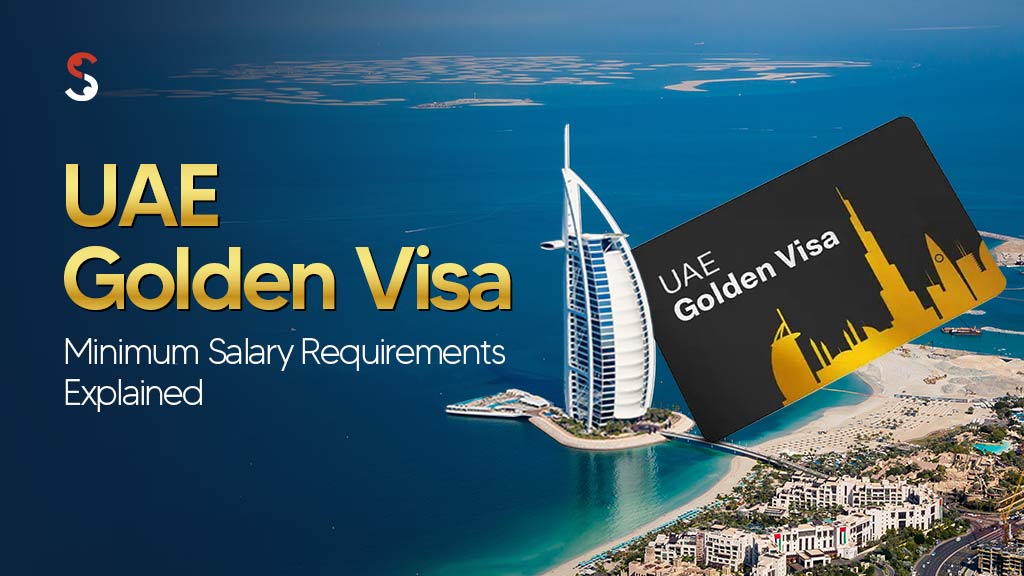
  • UAE Golden Visa Salary Requirement

    UAE Golden Visa Salary Requirement

    Offering long-term residency, the UAE Golden Visa is designed for investors, talented professionals, and outstanding individuals across various fields. It is a highly sought-after option for individuals aiming to build a future in the Emirates. Income is one of the primary eligibility factors for obtaining the UAE Golden Visa.

    Understanding the Salary Requirements for the Golden Visa in the UAE is essential for applicants, especially those employed in the private or public sectors. This blog breaks down the Salary Requirements for Golden Visa Dubai, helping you determine whether your current earnings qualify you for this prestigious visa. 

    What is a Golden Visa in the UAE? 

    A Golden Visa in the UAE grants long-term residency to foreign nationals, enabling them to reside, work, and study without the requirement of a local sponsor. It is typically given for 5 or 10 years, depending on the applicant’s eligibility, and is automatically renewable. 

    Key Features of the UAE Golden Visa: 

    • Long-term residency (5 or 10 years) 
    • No need for a local sponsor 
    • Full ownership of a mainland business 
    • Ability to sponsor family members, including spouse, children, and even domestic help 
    • Multiple entries are allowed during the visa issuance process 
    • Renewable as long as the eligibility criteria are met 

    Who Is Eligible? 

    Eligibility for the UAE Golden Visa is limited to specific categories of individuals, such as: 

    • Investors (in real estate or business) 
    • Entrepreneurs 
    • Skilled professionals (doctors, engineers, scientists, etc.) 
    • Outstanding students and graduates 
    • Creative individuals in culture and art 
    • Frontline workers 
    • Humanitarian pioneers 

    Its purpose is to attract and retain skilled individuals and investors who actively contribute to the growth and development of the UAE. 

    What is the new rule for the UAE Golden Visa?

    The UAE introduced new updates to the Golden Visa program in 2026, making long-term residency more accessible for property investors. Here’s what’s new: 

    1. Simplified Eligibility 

    To secure a Golden Visa, individuals must own property worth AED 2 million or more, regardless of whether it’s off-plan, completed, mortgaged, or unmortgaged. The emphasis is now on overall property value, not payment structure. 

    2. No More Minimum Down Payment 

    The previous requirement of a minimum AED 1 million down payment has been scrapped. Investors can now qualify without needing to pay a fixed upfront amount. 

    3. 10-Year Renewable Residency 

    Successful applicants receive a 10-year residency visa, which is renewable under the same conditions, offering long-term stability and peace of mind. 

    4. Wider Property Inclusions 

    The new rules allow applicants to choose from a broader selection of real estate assets that meet the AED 2 million threshold. This provides investors with greater flexibility to align their residency goals with their property choices. 

    These revisions reflect the UAE’s commitment to attracting global investors and fostering a more inclusive, investment-friendly environment for long-term residents. 

    What is the Minimum Salary Requirement for a Golden Visa in the UAE? 

    As of 2026, the minimum monthly salary required to apply for the UAE Golden Visa under the skilled worker category is AED 30,000. 

    This applies to professionals classified under the first or second occupational level by the Ministry of Human Resources and Emiratisation (MOHRE). These typically include doctors, engineers, executives, IT professionals, and other highly specialised professionals. 

    However, Dubai’s immigration and free zone authorities may request additional documentation, such as: 

    • Attested employment contracts 
    • Proof of salary through bank statements or pay slips 
    • Academic qualification certificates (bachelor’s degree or higher) 

    Golden Visa Categories and Salary Criteria 

    Here’s a quick look at how salary factors into different Golden Visa categories: 

    Category  Salary Requirement 
    Skilled Professionals  AED 30,000/month 
    Real Estate Investors  No salary requirement 
    Entrepreneurs  No fixed salary, but business revenue may be evaluated 
    Outstanding Students/Graduates  No salary requirement 
    Scientists & Researchers  No salary requirement 

    Can I Apply If I Earn Less Than AED 30,000? 

    If your salary is below AED 30,000, you may not qualify under the skilled professional route, but you can explore alternative Golden Visa categories, such as: 

    • Property investment (minimum property value AED 2 million) 
    • Business establishment and ownership 
    • Exceptional talent (subject to recommendations or endorsements)

    Understanding the salary requirements for Golden Visa UAE is crucial if you’re applying under the skilled employment route. Dubai, being a global hub, offers a streamlined process, but it’s essential to meet the eligibility benchmarks to maximise your chances. 

    To ensure a smooth application, consult with business setup or immigration professionals who can help align your salary documents and qualifications with the current Golden Visa guidelines in Dubai and the wider UAE. 

    UAE Golden Visa Requirements: Eligibility Criteria 

    The UAE Golden Visa provides long-term residency to individuals who make significant contributions to the country’s economy and development.  

    The requirements vary based on the applicant’s category: investor, entrepreneur, exceptional talent, student, or humanitarian contributor. Below is a detailed breakdown of eligibility criteria for each category. 

    1. Investors in Public Investments (10-Year Visa) 

    Eligibility may apply if you invest in a UAE-approved investment fund and provide the following documents: 

    • A letter from a certified investment fund confirming a deposit of at least AED 2 million, or 
    • A commercial or industrial license accompanied by a memorandum of association that reflects a capital of at least AED 2 million, and 
    • A letter from the Federal Tax Authority proving an annual tax contribution of AED 250,000 or more. 

    Additional Conditions: 

    • You must fully own the invested capital (not financed by a loan). 
    • Proof of valid medical insurance for yourself and dependents. 

    2. Real Estate Investors (5-Year Visa, Renewable) 

    You may qualify if: 

    • You own property or properties worth AED 2 million or more (verified by a letter from the relevant emirate’s Land Department). 
    • The property can be financed, but only through specific local banks that local authorities have approved. 

    3. Entrepreneurs (5-Year Visa) 

    Eligibility is granted if you own a project of a technical or future-oriented nature based on innovation and risk-taking. Required documents include: 

    • An auditor’s confirmation that the project is valued at AED 500,000 or more. 
    • An approval letter from local authorities confirming the project’s future or technical nature. 
    • An endorsement from a certified UAE business incubator. 

    4. Outstanding Specialised Talents (10-Year Visa) 

    Eligible categories include doctors, scientists, inventors, creatives, executives, athletes, and specialists in key scientific fields. 

    Requirements by Talent Type: 

    • Doctors: Approval from the UAE Ministry of Health and Prevention. 
    • Scientists: Recommendation from the Emirates Council of Scientists or the Mohammed bin Rashid Medal for Scientific Excellence. 
    • Inventors: Patent recognised by the Ministry of Economy with proven economic value. 
    • Artists & Cultural Figures: Approval from the relevant emirate’s Department of Culture and Arts. 
    • Executives: 
    • Accredited bachelor’s degree or higher. 
    • Minimum 5 years’ experience in a similar role. 
    • Salary certificate (minimum AED 50,000). 
    • Valid employment contract.
    • Athletes: Recommendation from the General Sports Authority or local sports council. 
    • Engineering & Science Specialists: Bachelor’s/Master’s degree (certified) + valid employment contract. 

    Engineering/Science Fields Include: 

    • AI, big data, software/electronics/computer engineering 
    • Epidemiology & virology 
    • Electrical engineering 
    • Genetics & biotechnology 

    5. Outstanding Students 

    High School Students (5-Year Visa, Renewable) 

    Eligibility is: 

    • UAE national topper with 95%+ in public/private school. 
    • Recommendation from the Ministry of Education. 

    University Students (10-Year Visa) 

    • Enrolled in a UAE university rated A or B class by the Ministry of Education. 
    • GPA ≥ 3.5 (A class) or ≥ 3.8 (B class). 
    • Must apply within 2 years of graduation. 

    Students from Foreign Universities (10-Year Visa) 

    • Graduated from a top 100 university (as per MoE-approved rankings). 
    • GPA ≥ 3.5. 
    • Graduation must be within the past 2 years. 
    • The certificate must be MoE-accredited. 

    6. Pioneers of Humanitarian Work (10-Year Visa) 

    You must meet at least one of the following: 

    • Worked with international or regional humanitarian organisations for 5+ years. 
    • Served in civil/public interest institutions for 5+ years. 
    • Received an award from a recognised humanitarian body. 
    • Donated/supported humanitarian work worth AED 2 million or more. 

    7. Frontline Heroes 

    Frontline professionals who served during crises like COVID-19 are eligible upon: 

    • Recommendation from the Frontline Heroes Office. 
    • Applicable to nurses, lab techs, pharmacologists, and similar medical personnel. 

    How much does a UAE Golden Visa cost?

    The cost of obtaining a UAE Golden Visa in 2026 typically starts from around AED 5,000* to AED 35,000, but the final amount can vary based on several factors. These include the applicant’s category, such as investor, skilled professional, entrepreneur, or student, as well as whether the application is being made from inside or outside the UAE.  

    Additional expenses may include medical examination fees, Emirates ID application charges for a 10-year period, and other administrative or typing service costs. Applicants applying from within the UAE may also need to pay visa status adjustment fees. 

    While the government sets the base fee, optional costs such as document translation, legal attestation, property valuation (for investors), and professional service charges can increase the overall cost. It’s always advisable to consult with an authorised business setup firm, such as Shuraa India, to obtain a customised estimate and ensure that all documents and procedures are handled correctly. 

    Get Your UAE Golden Visa with Shuraa India! 

    The UAE Golden Visa is more than just a long-term residency; it’s a gateway to a stable and prosperous future in one of the world’s most dynamic regions. Understanding the Salary Requirements for Golden Visa UAE is vital, especially for skilled professionals and executives seeking to secure their place in the Emirates.

    Whether you’re applying through employment, investment, or exceptional talent, meeting the eligibility benchmarks, such as the Salary Requirements for the Golden Visa in Dubai, is the first step to unlocking this opportunity. 

    To avoid errors and delays, it’s strongly recommended to work with a trusted advisory firm. Shuraa India offers expert guidance customised to your profile, helping you get through the application process with clarity and confidence. From assessing your salary eligibility to aligning your documentation, Shuraa ensures your Golden Visa journey is smooth and successful. 

  • How to Start a Company in Dubai from the Netherlands?

    How to Start a Company in Dubai from the Netherlands?

    Thinking about expanding your business horizons? If you’re based in the Netherlands and looking to get into the booming Middle Eastern market, Dubai offers an ideal gateway. With its investor-friendly policies, tax benefits, and top infrastructure, Dubai is a top destination for international entrepreneurs.  

    Start a company in Dubai from the Netherlands with ease by understanding the legal procedures, choosing the right business structure, and navigating the local regulations. This guide covers everything you need to know for a smooth business setup in Dubai from the Netherlands, helping you turn your global vision into reality. 

    Is it Profitable to Start a Company in Dubai from the Netherlands?  

    Yes, starting a company in Dubai from the Netherlands can indeed be profitable, given the emirate’s strategic policies, booming economy, and favourable business environment. Here’s an updated snapshot with 2025 and forecasted trends: 

    Key Advantages & Economic Drivers 

    1. Foreign Ownership & Free Zones

    • 100% foreign ownership is now permitted in most sectors, including those on the mainland, eliminating the need for a local partner. 
    • Free zones (e.g., DIFC, DMCC, Dubai Internet City) offer 0% corporate tax, full profit return, and no personal income tax.  

    2. Tax Structure

    • Corporate tax is 0% on profits up to AED 375K, then a competitive 9%; free zone profits can remain tax-free. 
    • No personal income tax, low VAT (5%), and low import duties—all enhancing net profitability. 

    3. Infrastructure & Location

    • Dubai is a gateway to Asia, Africa, and Europe, boasting world-class airports, ports, logistics, and telecommunications infrastructure that make it an ideal hub for international trade and travel. 
    • DIFC and tech parks offer legal certainty (common-law court system, English contracts) and a trusted environment for financial and tech firms. 

    2024–2025 Stats & Trends 

    1. Foreign Direct Investment (FDI) 

    • 1,117 FDI projects worth AED 52.3 billion (~US$14.2 billion), a 33% year-over-year increase.  
    • 801 greenfield projects valued AED 21.85 billion (~US$5.9 billion) — top globally for greenfield investment. 

    2. Economic Growth 

    • Non-oil GDP is projected to grow by +4% in 2024 and +5.1% in 2025. 
    • The non-oil sector now accounts for ~75% of GDP, with rising investments in technology, finance, logistics, green energy, and healthcare.

    3. Tourism & Real Estate 

    • 18.7 million tourists in 2024 (+9%) with 78% hotel occupancy—vital revenue for retail and services. 
    • Property prices up 75% since 2021 (~AED 1,750/sq ft); rental yields between 7–9% in prime areas expected to hold through 2025.

    4. Aviation & Logistics 

    • Emirates Airlines’ profit rose ~20% to Dh 21.2 billion (~US$5.8 billion) for FY ending March 2025 — aviation is 15% of Dubai’s GDP. 
    • Dubai International Airport handled ~92 million passengers in 2024, with a $35 billion new airport project underway. 

    5. Business Confidence & Tech 

    • 90% of GCC CEOs expect revenue growth in 2025; 70% believe GenAI will boost profits within 12 months. 
    • Startup funding in the UAE is accelerating, especially in AI, fintech, climate tech, and health tech.  

    Outlook: 2025–2027 

    Metric/Trend  2025 Forecast  2026–2027 Projection 
    GDP Growth  4%–5.1% annual growth  Continued 4–5% growth 
    FDI Inflows  AED 240 billion annually target by 2031  Sustained high inflows 
    Real Estate  Price stabilisation from 2025–26; rental yield stable  More supply easing prices 
    Tech Sector  Continued in AI, fintech, and green tech  Support via free zones & incentives 
    Corporate Tax  9% standard, free zone 0% + Pillar 2 top-up 15% from 2025  Compliance is aligned with the OECD 

    From the Netherlands: Benefits 

    • Tax efficiency: Netherlands–UAE double-tax treaty allows for return of profits tax-free. 
    • Sector alignment: Dutch strengths in technology, logistics, renewable energy, and finance align with Dubai’s priorities. 
    • Market access: Dubai-based unlocks MENA, Africa, South Asia markets—ideal for trade and services. 
    • Operational ease: Free zone incorporation is fast; many support services cater to European firms. 

    Final Verdict 

    • Profitability potential: Powerful, thanks to tax benefits, infrastructure, FDI inflows, and sector alignment. 
    • 2025–27 outlook: Sustained economic growth, robust investment climate, thriving real estate & tourism. 
    • Dutch entrepreneurs are well-positioned to gain, particularly in fintech, green energy, logistics, and the creative industries. 

    Benefits of Starting a Business in the UAE 

    Starting a business in the UAE offers several compelling benefits, making it a prime destination for entrepreneurs, investors, and global companies. Here’s a breakdown of the key benefits of starting a business in the UAE: 

    1. Prime Global Connectivity 

    The UAE’s geographic position makes it a gateway between Europe, Asia, and Africa. This strategic location enhances trade, logistics, and global connectivity, making it an ideal base for companies looking to access international markets efficiently. 

    2. Attractive Tax regime 

    The UAE offers a beautiful tax environment. There’s a 0% corporate tax rate on profits up to AED 375,000 and a 9% rate on income exceeding that threshold. Individuals benefit from zero personal income tax, and many free zones offer full tax exemptions for a specified period. 

    3. 100% Foreign Ownership 

    Foreign investors can now entirely own companies in most sectors, both in the mainland UAE and in free zones, without the need for a local sponsor or partner. This provides greater control and flexibility for business operations. 

    4. Strong and Diversified Economy 

    With a well-diversified economy, the UAE thrives beyond its oil sector. Industries such as tourism, real estate, finance, technology, and healthcare are experiencing significant growth, and GDP is expected to remain strong in the coming years, creating a stable environment for long-term investments. 

    5. Advanced Business Infrastructure 

    From ultramodern airports and ports to advanced road networks and smart cities, the UAE boasts infrastructure. High-speed internet, efficient public services, and premium office spaces support seamless business operations. 

    6. Easy Company Setup Process 

    Setting up a business in the UAE is a fast and streamlined process. Entrepreneurs can complete registrations, licensing, and visa applications through digital government platforms or with the support of business consultants, with minimal paperwork and delays. 

    7. Free Zones and Incentives 

    The UAE offers over 42+ free zones that serve various industries, including technology, media, logistics, and finance. These zones provide significant incentives, including 100% foreign ownership, profit repatriation, customs duty exemptions, and no currency restrictions. 

    8. Political and Economic Stability 

    The UAE has a stable political system, a strong legal framework, and strong financial institutions. It is considered one of the safest countries in the world, which boosts investor confidence and ensures long-term business continuity. 

    9. High Quality of Life 

    Business owners and employees in the UAE enjoy a high standard of living. With modern housing, world-class healthcare, international schools, and vibrant entertainment options, the country offers an exceptional lifestyle for expats and their families. 

    10. Access to Global Talent 

    The UAE attracts a diverse and skilled workforce from around the world. Visa reforms, such as the Golden Visa, facilitate the hiring and retention of top international talent across various sectors, including technology, finance, and creative industries. 

    How to Start a Company in Dubai from the Netherlands? 

    Expanding your business horizon to Dubai can be a strategic move for Dutch entrepreneurs seeking to enter a thriving international market. With its investor-friendly policies, top-notch infrastructure, and prime location, Dubai provides a lucrative environment for Dutch entrepreneurs. This guide outlines the essential steps for a successful business setup in Dubai from the Netherlands. 

    Step 1: Define Your Business Activity 

    Before initiating the setup process, clearly define your intended business activity. Dubai Department of Economy and Tourism (DET) categorises thousands of commercial, industrial, and professional activities. This step determines: 

    Step 2: Choose a Legal Structure 

    Select the most suitable legal structure for your business. Common options include: 

    For Dutch entrepreneurs, Free Zone companies are popular due to the benefits of 100% foreign ownership and tax incentives. 

    Step 3: Select the Right Jurisdiction 

    Dubai offers three main jurisdictions: 

    • Mainland: Ideal for businesses targeting the UAE market directly. 
    • Free Zone: Offers complete ownership and tax benefits. 
    • Offshore: Best for international business operations without a physical presence.

    Choosing the right jurisdiction is crucial for setting up your business in Dubai from the Netherlands, depending on your specific goals and operational needs. 

    Step 4: Register Your Company Name 

    Reserve a unique trade name through the DET or the relevant Free Zone Authority. Make sure your name: 

    • Reflects your business activity 
    • It is not offensive or religious 
    • Is not already registered 

    Step 5: Apply for Initial Approval 

    Obtain initial approval from the relevant authorities to proceed with setting up your company. This step ensures the UAE government has no objection to your business activity or identity. 

    Step 6: Lease an Office Space or Use Flexi-Desk Option 

    To start a company in Dubai from the Netherlands, you need a physical address. Free Zones offer Flexi-desk or innovative office solutions for remote operations. For mainland businesses, a tenancy contract is required. 

    Step 7: Get Approvals & Licenses 

    Depending on your activity and jurisdiction, you’ll need specific approvals: 

    • DET license for mainland companies 
    • Free Zone license (e.g., DMCC, IFZA, Dubai South, etc.) 
    • External approvals from municipalities or ministries (if applicable) 

    Once approved, your business license will be issued. 

    Step 8: Open a UAE Corporate Bank Account 

    To operate in the UAE, open a business bank account with a local or international bank. Requirements may include: 

    • Trade license copy 
    • Shareholder documents 
    • Proof of business activity 
    • Business plan and invoices 

    Some banks may require your physical presence, while others offer remote onboarding with the help of business setup consultants. 

    Step 9: Apply for Visas 

    As a business owner, you can apply for a UAE investor visa. You can also sponsor employees or family members. The visa process involves: 

    • Medical tests 
    • Emirates ID application 
    • Residency stamping 

    Step 10: Work with a Business Setup Consultant 

    Given the complexities of cross-border incorporation, it’s advisable to work with a business setup expert in Dubai who is familiar with the Netherlands. They can: 

    • Assist with documentation and approvals 
    • Help choose the right Free Zone or jurisdiction 
    • Offer banking and PRO services 
    • Speed up your license process remotely   

    Starting a company in Dubai from the Netherlands offers a gateway to the Middle Eastern, African, and Asian markets. With the proper guidance and preparation, Dutch entrepreneurs can set up a profitable and compliant business entity in the UAE — all without leaving their home country. Collaborating with experienced consultants, such as Shuraa, ensures a hassle-free experience, allowing you to focus on business growth. 

    Documents Required to Start a Business in Dubai, UAE 

    To start a company in Dubai from the Netherlands, you’ll need to prepare and submit several essential documents. These are required by UAE authorities to verify your identity, business purpose, and legal compliance. Below is a detailed list of documents typically required for business setup in Dubai:  

    1. Passport Copies 
    2. Passport-size Photographs 
    3. Residence Proof in the Netherlands 
    4. UAE Entry Stamp/Visa Copy (if you have visited the UAE before) 
    5. Certificate of Incorporation (attested) 
    6. Memorandum & Articles of Association (MOA & AOA) 
    7. Power of Attorney (PoA) 
    8. Initial Approval Certificate 
    9. Office Lease Agreement / Tenancy Contract (Ejari) 
    10. Draft Memorandum of Association (MOA) 

    All corporate documents must be attested by: 

    1. Netherlands Ministry of Foreign Affairs 
    2. UAE Embassy in the Netherlands 
    3. UAE Ministry of Foreign Affairs (MOFA) 

    Cost of Starting a Business in Dubai, UAE 

    Starting a business in Dubai can cost anywhere between AED 10,000 to AED 50,000* for Netherlands citizens. The final amount depends on various factors such as the type of business license, company size, and whether you choose a mainland or free zone setup. For an accurate quote, please feel free to contact our experts at Shuraa Business Setup. 

    Start a Company in Dubai with Shuraa! 

    Starting a company in Dubai from the Netherlands is more than just a strategic expansion — it’s a high-potential move into a thriving, innovation-led economy. With 100% foreign ownership, investor-friendly tax structures, and access to global markets, Dubai offers unmatched advantages for Dutch businesses. 

    The business setup in Dubai from the Netherlands is streamlined, especially with the support of free zones, double-taxation treaties, and digitized procedures. Whether you’re in fintech, logistics, renewable energy, or professional services, the UAE provides the infrastructure, policy environment, and profitability to scale your business efficiently. 

    Partnering with experts like Shuraa India can make your business setup journey even more seamless — from documentation and approvals to licensing, banking, and visa processing. With their deep understanding of UAE regulations and support customised for Dutch entrepreneurs, you can confidently launch and grow your venture without leaving your home country. 

  • Start a Building Materials Trading Company in Dubai

    Start a Building Materials Trading Company in Dubai

    Dubai’s skyline continues to grow, showcasing the strength of the construction industry. In 2024, the UAE’s construction market was valued at $69.5 billion and is projected to reach $108.7 billion by 2033. The demand for construction materials alone is set to grow from $16.2 billion in 2024 to $16.7 billion in 2025. 

    This growth is an excellent time for anyone considering setting up a building materials trading business in Dubai. It’s a viable business opportunity that can be incorporated into a general trading license. With proper planning, now is an ideal time to start a trading business in the UAE and capitalise on the growing construction industry. 

    Is It Profitable to Start a Building Materials Trading in the UAE?  

    Yes, starting a trading business in the UAE can be highly profitable, especially for those looking to start a Building Materials Trading Company in Dubai. The UAE’s strong, diversified, and fast-growing economy—particularly in non-oil sectors—creates a high demand for construction materials.

    Key Reasons  

    • Record-Breaking Trade: In recent years, the UAE’s non-oil foreign trade reached a record AED 3 trillion (approximately $817 billion), representing a 14.6% increase from 2023. This growth is much higher than the global average of just 2.4%.  
    • Trade Agreements Boost Business: The UAE has signed special trade deals called Comprehensive Economic Partnership Agreements (CEPAs). In 2024, trade with CEPA partner countries grew by 42.3%, adding AED 135 billion to the economy.  

    Other Economic Highlights  

    • Green Energy Growth: UAE company Masdar bought Greece’s Terna Energy to expand its clean energy projects, aiming for 100 gigawatts of capacity by 2030.  
    • Strong Financial Sector: Dubai’s financial sector is experiencing rapid growth. The Dubai Financial Services Authority (DFSA) is hiring skilled professionals worldwide.  
    • Stable Market Conditions: Gulf stock markets have remained stable despite global challenges. For example, Saudi Arabia’s stock index rose 0.4% in April 2025.  

    With strong trade growth, supportive trade agreements, and a stable economy, the UAE presents an excellent opportunity for individuals seeking to establish a trading business.  

    Benefits of Setting up a Building Materials Trading

    Dubai’s rapid development and constant construction activity make it a prime location for the trading of building materials. With easy market access, business-friendly policies, and strong demand, establishing a presence in Dubai offers significant growth potential and long-term opportunities. 

    1. Perfect Location for Business 

    Dubai is known as a global trading hub. Its location connects the East and West, making it ideal for importing building materials from manufacturers in Asia and exporting them to Africa, Europe, or the rest of the Gulf Cooperation Council (GCC). With world-class ports like Jebel Ali Port and Al Maktoum Airport, shipping and logistics are fast and reliable. 

    2. High Demand from Construction Projects 

    Dubai’s construction sector never sleeps. From luxury villas and high-rise towers to government infrastructure and smart cities, there’s always something being built. The UAE Vision 2031 and projects like Dubai’s 2040 Urban Master Plan ensure that demand for building materials, such as steel, cement, tiles, wood, aluminium, and paint, will continue for years to come. 

    3. Lots of Buyers in the Market 

    In Dubai, your potential customers are everywhere. You can supply: 

    • Construction companies 
    • Renovation contractors 
    • Interior designers 
    • Real estate developers 
    • Individual homeowners and retail shops 

    This broad target audience helps your business maintain steady sales and grow faster. 

    4. Easy Business Setup 

    Starting a building materials trading company is straightforward, either through the Dubai Department of Economy and Tourism (DET) or in a free zone. You can now enjoy:

    • 100% foreign ownership (in mainland and free zones) 
    • No personal income tax 
    • Fast license processing 
    • Access to investor visas, residence visas, and corporate bank accounts 

    5. Free Zone Options for Extra Perks 

    If you want complete control over your business and additional benefits, free zones like JAFZA, IFZA, or RAKEZ are ideal. These zones offer: 

    • Full profit return 
    • Custom-built storage and warehouse units 
    • Easy import/export process 
    • Affordable leasing options 
    • Freedom to hire international talent

    6. World-Class Storage & Transport 

    Dubai offers premium warehousing facilities equipped with temperature control, automation, and 24/7 security. You can also rely on a solid road network, air cargo services, and port connections to deliver materials within the UAE or export them quickly. 

    7. Great Networking Opportunities 

    Dubai hosts regular industry events and exhibitions, like: 

    • The Big 5 Dubai 
    • Middle East Concrete 
    • Cityscape Global 

    These platforms enable you to establish partnerships, connect with suppliers, discover new customers, and stay informed about global trends in the construction and building materials industries. 

    8. Trend Toward Eco-Friendly Materials 

    Dubai is serious about sustainability. Green Building Regulations and initiatives by Dubai Municipality encourage the use of: 

    • Solar energy systems 
    • Recycled or locally sourced materials 
    • Low-VOC paints 
    • Energy-efficient insulation 

    You can become a preferred supplier by stocking eco-certified or sustainable materials, which are increasingly being used in government and private sector projects. 

    9. Go Online and Grow 

    Digital presence matters. Launching an e-commerce platform or online catalogue can help you reach customers across the UAE and GCC. You can: 

    • Take online orders for bulk or wholesale purchases 
    • Offer delivery tracking 
    • Provide livestock availability 
    • Offer B2B invoicing and payment terms 

    10. Skilled Workers Available 

    Hiring staff is easier in Dubai. You can find professionals in: 

    • Sales and customer service 
    • Inventory and warehouse management 
    • Procurement and sourcing
    • Transport and delivery

    The multicultural workforce also brings expertise from different countries, adding value to your business. 

    Get your building materials trading license — free cost estimate

    Steps to Start a Building Materials Trading Company in Dubai

    Dubai’s rapid development and thriving construction sector offer strong opportunities for entrepreneurs looking to start a Building Materials Trading Company in Dubai. The city’s ongoing real estate projects, world-class infrastructure, and pro-business environment make it an ideal market for trading essential construction supplies.

    Below is a clear, step-by-step breakdown of the process to start a building materials trading business in Dubai, helping you understand the requirements.

    Step 1: Market Research and Business Planning 

    Begin thorough market research to understand the types of building materials in demand, such as steel, timber, cement, bricks, tiles, and insulation. Identify your customer base, whether they are contractors, construction firms, or wholesalers.  

    Decide whether you will operate as a distributor, wholesaler, or retailer. A clear and practical business plan that outlines your financial goals, operational setup, and logistics will lay the foundation for a successful business. 

    Step 2: Choose the Jurisdiction: Mainland or Free Zone 

    The next step in setting up a Building Materials Trading business in Dubai is selecting the right jurisdiction. If you want the freedom to trade directly across the UAE market and take on government projects, a Dubai Mainland license is recommended.  

    Alternatively, Free Zones such as RAKEZ, IFZA, or DAFZA offer benefits including full ownership, tax exemptions, and simplified processes. Still, they may limit onshore trading unless you appoint a local distributor. 

    Step 3: Select a Legal Structure 

    Choose a legal structure that aligns with your business vision. Most entrepreneurs opt for a Limited Liability Company (LLC), especially for mainland setups, as it allows multiple shareholders. You could also consider a sole establishment if you’re the only investor or open a branch of an existing foreign company if you’re expanding internationally. 

    Step 4: Pick the Right Business Activity 

    One of the most critical steps in setting up a Building Materials Trading in Dubai is choosing the correct business activity as per the official list provided by the Dubai Department of Economy and Tourism (DET) or your chosen free zone.  

    For a Building Materials Trading License in Dubai, you must select an activity that accurately reflects your core offerings, such as trading in construction materials, sanitary products, insulation materials, wood, or heavy equipment.  

    Step 5: Reserve Your Trade Name 

    Choose a unique business name that reflects your services. Make sure it adheres to Dubai’s naming guidelines, avoiding religious, political, or offensive terms. After approval, proceed to reserve it through the DET or the respective free zone authority.  

    Step 6: Apply for Initial Approval 

    Submit your initial approval request to get a no-objection certificate from the authorities. This allows you to proceed with the incorporation process. Required documents typically include copies of passports for all shareholders, visa pages, a trade name reservation certificate, and a certificate confirming the chosen business activity. 

    Step 7: Draft the MOA and Secure a Business Location 

    For mainland setups, draft the Memorandum of Association (MOA) that defines the roles of each partner and the nature of the business. This document must be signed in front of a notary public in Dubai. 

    Simultaneously, you must lease a physical office or warehouse space and obtain an Ejari tenancy contract. Free zone companies often offer flexible workspace options, including shared desks and virtual offices. 

    Step 8: Apply for the Building Materials Trading License in Dubai 

    Compile and submit all required documents—MOA, passport copies, initial approval, and trade name reservation—to the DET (for mainland) or the respective free zone authority. Once everything is approved, you’ll receive your Building Materials Trading License in Dubai, enabling you to commence operations officially. 

    Step 9: Get Additional Approvals if Required 

    Depending on the specific materials you plan to trade, additional approvals may be necessary. For example, if you’re dealing with chemicals, adhesives, or fire-rated materials, you might need clearance from Dubai Municipality, Civil Defence, or the Environment Department. 

    Step 10: Open a Corporate Bank Account 

    After your license is issued, open a corporate bank account in Dubai. Select a reputable bank and submit the required documents, including your license, Memorandum of Association (MOA), passport copies, and a copy of your tenancy contract. Most banks will conduct due diligence checks, so ensure your paperwork is complete and precise. 

    Step 11: Apply for Visas and Hire Employees 

    You can now apply for your investor visa, followed by employment visas for your team. Set up your company’s labour file, obtain an establishment card, and register with the Ministry of Labour and Immigration to facilitate smooth employee onboarding. 

    Step 12: Set Up Accounting and Operations 

    Ensure your business complies with UAE tax laws by registering for VAT with the Federal Tax Authority (FTA) if your turnover exceeds the threshold. Invest in accounting software or hire a local accountant to manage finances. At the same time, arrange logistics for importing and storing materials, whether through owned or third-party warehousing and transportation services. 

    Step 13: Launch and Scale Your Business 

    Once all formalities are complete, focus on expanding your network, establishing B2B partnerships, and exploring marketing strategies to enhance your brand visibility. You can also explore e-commerce platforms for bulk sales and consider exporting to other countries in the region. 

    Get Expert Support 

    While starting a Building Materials Trading Company in Dubai is a promising venture, it can be complex without expert help. Business setup consultants, such as Shuraa India, provide comprehensive support—from documentation and licensing to visa processing and bank account opening—ensuring a smooth, compliant, and efficient setup process. 

    Documents Required for Building Materials Trading

    If you’re planning to start a building materials trading company in Dubai, you must prepare and submit several key documents. Whether you’re setting up a building materials trading in Dubai on the mainland, in a free zone, or offshore, here’s a general list of the required documents: 

    • Passport copies 
    • Visa copies 
    • Emirates ID 
    • Passport-sized photographs with a white background 
    • Initial trade name reservation certificate 
    • Initial approval from DET (for mainland) or the Free Zone Authority 
    • Memorandum of Association (MoA) 
    • Lease Agreement / Tenancy Contract (E-office for mainland) 
    • No Objection Certificate (NOC) 
    • Business Plan 

    These documents are essential for establishing legal and operational compliance when you start a building materials trading company in Dubai. Proper documentation ensures a smoother process when setting up a building materials trading business in Dubai. 

    Cost of Building Materials Trading License in Dubai 

    The Cost of obtaining a Building Materials Trading License in Dubai typically costs between AED 15,000 to AED 50,000 (approximately), depending on several factors, including the business location, warehouse, and office space. Whether you’re setting up a Building Materials Trading in Dubai or expanding an existing venture, getting an accurate estimate customised to your needs is crucial.  

    For this, consulting with Shuraa India is highly recommended. If you’re ready to start your Building Materials Trading Company in Dubai, the proper guidance will ensure a smooth and cost-effective setup process. 

    We’ve licensed 300+ construction material & trading companies in Dubai — get a free setup plan in INR today

    Start your Building Materials Trading Company with Shuraa India! 

    Dubai is experiencing rapid growth, particularly in the construction sector. This creates a massive demand for essential supplies. If you’re planning to start a building materials trading company in Dubai, now is the perfect time to enter the market. 

    Setting up a general trading business in Dubai is simple and rewarding. The city offers countless benefits, like a strong economy, global connectivity, and a business-friendly environment. With the right support from Shuraa India, you can smoothly start your trading company and take advantage of this growing demand in the construction sector. 

  • Shuraa Dubai Business Associates Programme

    Shuraa Dubai Business Associates Programme

    Are you a Chartered Accountant, Lawyer, Legal Associate, or Business Consultant with clients looking to establish their business in Dubai, UAE? If so, you have the perfect opportunity to expand your service offerings and earn up to AED 3,000 per referral by partnering with Shuraa India, Dubai’s leading business setup consultancy. 

    With Dubai’s business-friendly policies, tax advantages, and booming economy, global entrepreneurs and investors are flocking to the UAE to start their businesses. As a trusted advisor, your clients look up to you for expert guidance. 

    Why not offer them a seamless business setup solution through Shuraa and get rewarded for it? 

    Why Choose Shuraa India as Your Channel Partner?

    As a CA, lawyer, consultant, or business professional, your clients trust you to guide them in the right direction when it comes to business setup in Dubai. But with so many complex regulations, hidden costs, and lengthy processes, choosing the right setup partner is crucial. 

    Shuraa India simplifies the process, offers the best pricing, and ensures a hassle-free experience, so your clients can start their business smoothly, and you can earn great rewards. 

    Here’s why Shuraa is a smart choice for you and your clients: 

    1. Competitive Pricing & Exclusive Deals

    We understand that pricing is a key factor in business formation. That’s why we offer: 

    • The most competitive pricing in the market 
    • Exclusive discounted packages for Free Zone, Mainland, and Offshore setups 
    • Tailored business solutions that fit your client’s budget and needs 

    We have strong partnerships with Dubai’s top free zones, including: 

    • IFZA (International Free Zone Authority) – Known for its flexible business setup options. 
    • RAKEZ (Ras Al Khaimah Economic Zone) – Ideal for cost-effective company registration. 
    • Ajman Free Zone – One of the most affordable and investor-friendly free zones in the UAE. 

    And many more as per your business needs. 

    With these collaborations, we ensure that your clients get the best value for their investment while you earn attractive referral incentives. 

    2. End-to-End Business Setup Services 

    When you introduce your clients to Shuraa, you can be confident that they will receive comprehensive business setup services from start to finish, including: 

    We take care of all legalities, documentation, and regulatory approvals, allowing your clients to focus on running their business successfully. 

    3. Earn Up to AED 3,000 & More for Every Successful Referral 

    Why not get rewarded for referring your clients to the right business setup experts? Our referral program allows you to earn commissions starting from AED 3,000 per successful company formation. 

    • Multiple referrals = Higher earnings 
    • Hassle-free payout process 
    • Earn commissions without additional work 

    All you need to do is introduce your clients to Shuraa, and we take care of everything else. you earn; they succeed. 

    4. Trusted & Experienced – 25+ Years of Excellence 

    Shuraa Business Setup has been at the forefront of business consulting in the UAE for over two decades, helping over 100,000 businesses establish themselves in Dubai. 

    With a team of legal experts, business consultants, and tax advisors, we ensure: 

    • Fastest business setup process 
    • 100% transparency & ethical business practices 
    • Strong government connections for smooth processing 

    Your clients are in safe hands when they choose Shuraa. 

    5. Faster Business Setup with Hassle-Free Execution

    In Dubai’s fast-paced business environment, time is money. Entrepreneurs don’t want to waste weeks or months dealing with complex paperwork. That’s why Shuraa ensures a seamless and rapid setup process: 

    • Company registration completed in record time 
    • Legal approvals and paperwork handled efficiently 
    • Personalized consultation for the best business setup approach 

    By choosing Shuraa, your clients can start their dream business in Dubai within days. 

    6. Bank Account Opening Made Easy 

    One of the biggest pain points for new businesses in Dubai is opening a corporate bank account. UAE banks have strict compliance policies, and many applications get rejected due to incomplete paperwork or lack of guidance. 

    Shuraa simplifies the process by: 

    • Connecting clients with the right banks based on their business activity. 
    • Preparing all necessary documents to avoid rejections. 
    • Offering expert guidance on compliance & financial regulations. 

    Your clients won’t struggle with banking issues, they’ll have everything handled smoothly. 

    7. Compliance Services Post-Business Setup – We Keep Your Clients Stress-Free 

    Setting up a business in Dubai is just the beginning. To avoid penalties and legal troubles, businesses must stay compliant with UAE laws, tax regulations, and government policies. Many entrepreneurs, especially those from foreign countries, struggle with ongoing compliance due to a lack of local knowledge. 

    Shuraa provides comprehensive legal and taxation compliance services that align with your client’s home country policies, whether they are from India, Malaysia, Singapore, Australia, or anywhere else in the world. 

    • VAT & Corporate Tax Registration & Filing: With the introduction of corporate tax in the UAE, businesses must register, file returns, and maintain proper records. Our expert taxation team ensures your clients meet all tax obligations and avoid penalties. 
    • Financial Reporting & Audits: Businesses in Dubai are required to maintain proper accounting records and undergo audits based on their industry. Shuraa provides end-to-end financial compliance support, ensuring your clients are always ready for regulatory inspections. 
    • Cross-Border Compliance: Many international entrepreneurs must comply with both UAE laws and their home country’s financial regulations. Our team provides expert guidance on double taxation, cross-border transactions, and regulatory reporting, keeping businesses legally sound. 
    • Ongoing Legal Support & Business Amendments: The UAE frequently updates its business laws and policies. Our legal advisors monitor changes and proactively guide businesses on new regulations, license renewals, visa amendments, and other legal formalities. 
    • With Shuraa, your clients don’t just get a business setup, they get a long-term partner ensuring compliance and peace of mind. 

    Who Should Partner with Shuraa for Business Referrals? 

    Our Dubai Business Associates Programme 2026 is designed for professionals who regularly deal with entrepreneurs, investors, and business owners looking to expand into Dubai. 

    This program is perfect for: 

    • Chartered Accountants (CAs): Providing clients with business registration and financial planning support. 
    • Lawyers & Legal Advisors: Assisting in business structuring, compliance, and legal documentation. 
    • Business Consultants & Advisors: Expanding their service portfolio by offering UAE company formation. 
    • Corporate Service Providers: Helping international clients establish businesses in Dubai seamlessly. 
    • Tax Consultants & Financial Experts: Supporting businesses with tax registration and compliance. 

    Just connect us with potential business owners, and we’ll do the rest! 

    Bring Clients, Earn Rewards – It’s That Simple 

    Shuraa India is your trusted partner in helping entrepreneurs and businesses establish themselves in Dubai seamlessly. When you refer your clients to us, you’re not only giving them the best business setup experience, but you’re also building a profitable income stream for yourself. 

    Whether you’re a professional, entrepreneur, or simply someone with great connections, this is your chance to turn referrals into rewards while giving businesses the best setup experience in the UAE. 

    Success is best when shared; help others build their dream business in Dubai and grow with them. 

    Frequently Asked Questions 

    1. How much can I earn from referring clients to Shuraa?

    You can earn up to AED 3,000 or more per successful referral, depending on the business setup package and services selected by your client. 

    2. What services does Shuraa Business Setup offer?

    Shuraa provides end-to-end services, including company registration, licensing, PRO services, visa processing, legal compliance, document handling, office space, and bank account opening. We also assist with future amendments and renewals. 

    3. Is Shuraa’s pricing competitive in the market?

    Yes, Shuraa offers transparent, competitive pricing with no hidden costs. We have partnerships with top free zones like IFZA, RAKEZ, DWTC and Ajman Free Zone, ensuring the best prices for our clients. 

    4. How long does it take to set up a business in Dubai with Shuraa?

    The setup process typically takes between 2-5 days for Free Zones and 7-10 days for Mainland companies, depending on the type of business and necessary documentation. 

    5. Why should I refer my clients to Shuraa instead of other business setup firms?

    Unlike other consultants, Shuraa offers the most competitive pricing, transparent processes, government partnerships, and end-to-end business support, including licensing, PRO services, taxation, and beyond. Plus, our referral rewards are among the best in the industry. 

  • How to Register a Company in UAE from Malaysia

    How to Register a Company in UAE from Malaysia

    Expanding your business from Malaysia to the UAE offers numerous opportunities in a rapidly growing market. The UAE has become a global business hub, attracting entrepreneurs worldwide. The UAE has also seen remarkable growth in its business sector. For instance, during the first nine months of 2024, the Dubai Chamber of Commerce welcomed over 51,000 new companies, marking a 4% increase compared to the previous year. 

    Additionally, the value of exports and re-exports by its members reached AED 224 billion, reflecting a 7% year-over-year growth. 

    Abu Dhabi has also experienced significant business growth. The Abu Dhabi Global Market (ADGM) reported a 31% surge in company registrations during the first half of 2024, with assets under management increasing by 226% compared to the same period in the previous year. 

    For Malaysian businesses, expanding into the UAE means tapping into a dynamic market with a strategic location, favourable tax policies, and a supportive business environment. The UAE’s commitment to economic diversification and innovation further enhances its appeal as a destination for international business expansion. 

    Why Malaysian Businesses Are Expanding to the UAE

    Expanding from Malaysia to the UAE is increasingly seen as a smart move for entrepreneurs, and there are strong, practical reasons why. Below are the biggest attractions that draw Malaysian businesses toward the UAE market today. 

    1. 100% Foreign Ownership 

    Recent reforms now allow full foreign ownership in many business sectors, giving Malaysian entrepreneurs complete control over their businesses. 

    2. Easy and Fast Business Setup 

    Compared to many other countries, the UAE offers a quick and streamlined company registration process. In some free zones, businesses can be set up within 1-2 days with minimal paperwork. 

    3. Residency Visa for Entrepreneurs 

    By setting up a business in the UAE, Malaysian investors can apply for a residence visa, allowing them to live and work in the country while enjoying the benefits of UAE residency. 

    4. Lower Corporate Tax Rate than Malaysia 

    Corporate tax is only 9%, and it applies only to businesses earning above AED 375,000 (~MYR 480,000) per year. Many free zones still offer zero corporate tax for specific sectors. Whereas corporate tax in Malaysia is 17% for profits up to MYR 600,000 and 24% for profits above that, which is significantly higher than in the UAE. 

    5. Better Banking System for Foreign Entrepreneurs

    UAE banks offer multi-currency accounts, digital banking, and international transactions with no restrictions. 

    6. No Currency Restriction

    UAE businesses can trade freely in multiple currencies with no restrictions. Whereas, Malaysia has foreign exchange controls, requiring approvals for large transactions. 

    Business Structures Available for Malaysians in the UAE

    When setting up a business in the UAE, choosing the right business structure is crucial. The UAE offers three main types of business setups, each with its own advantages depending on your business goals. 

    1. Mainland Company

    A Mainland Company is registered under the Department of Economic Development (DED) and allows businesses to operate across the UAE and internationally. 

    Key Benefits: 

    • Ideal for businesses looking to trade directly in the UAE market. 
    • 100% foreign ownership is allowed in most business activities. 
    • Can bid for government contracts, unlike Free Zone or Offshore companies. 
    • No restrictions on office location—businesses can open branches anywhere in the UAE. 

    2. Free Zone Company

    A Free Zone Company operates within a designated economic zone and is ideal for businesses targeting international markets. 

    Key Benefits: 

    • 100% foreign ownership without needing a local partner. 
    • 0% corporate and personal income tax in most free zones. 
    • No customs duties on imports and exports within the free zone. 
    • Faster setup process, with some licenses issued in 1-2 days. 

    Documents Required for UAE Company Registration

    If you’re a Malaysian entrepreneur looking to set up a business in the UAE, you’ll need to prepare certain documents to complete the company registration process. This typically includes: 

    • Passport copies 
    • Visa copy (if the applicant is already in the UAE) 
    • Emirates ID (if applicable, for UAE residents) 
    • Trade name reservation certificate 
    • Memorandum of Association (MOA) (for Mainland companies) 
    • Bank reference letter 
    • Office lease agreement (Ejari or free zone lease contract) 
    • Business plan 
    • No Objection Certificate (NOC) 
    • Power of Attorney (POA) (If appointing a representative to handle registration on your behalf) 

    Types of Business Licenses Available in UAE

    To register a company in the UAE from Malaysia, choosing the right business license is crucial. Here are the main types of business licenses available in the UAE: 

    1. Commercial License

    The Commercial License is for businesses involved in trading activities, including import/export, retail, and e-commerce. It allows entrepreneurs to engage in the sale and distribution of goods within the UAE and internationally. 

    2. Industrial License

    The Industrial License is required for businesses engaged in manufacturing and production. This includes factories, food production units, and textile or machinery manufacturing companies that require industrial facilities and raw materials. 

    3. Professional License

    The Professional License is ideal for service-based businesses such as consultancy firms, freelancers, artisans, and healthcare professionals. It is issued to individuals or companies providing specialized services based on their expertise. 

    4. Freelance Permit

    The Freelancer Permit is suitable for self-employed professionals in fields like digital marketing, content writing, IT, and photography. It allows individuals to operate independently without the need for a local sponsor or a physical office. 

    Step-by-Step Guide: How to Register a Company in the UAE from Malaysia

    Registering a company in the UAE from Malaysia involves several steps, from selecting a business activity to obtaining the necessary approvals. Here’s a step-by-step process: 

    1. Choose a Business Activity

    The first step is to determine the nature of your business, whether it involves trading, consulting, manufacturing, or other services. The UAE offers various business licenses based on the activity you select. 

    2. Select a Jurisdiction

    You can set up your business in one of three jurisdictions: 

    • Mainland: Allows you to operate anywhere in the UAE and internationally. 
    • Free Zone: Offers full foreign ownership, tax benefits, and easier company setup. 
    • Offshore: Suitable for international business and asset protection, but you cannot operate within the UAE market. 

    3. Choose a Company Structure

    Select a suitable legal structure, such as a Sole Proprietorship, LLC (Limited Liability Company), Branch Office, or Free Zone Establishment, depending on your business type and ownership preferences. 

    4. Register the Trade Name

    You must choose a unique trade name that complies with UAE regulations and register it with the Department of Economic Development (DED) or the relevant Free Zone authority. 

    5. Obtain Initial Approvals

    Certain business activities require pre-approvals from specific government entities, such as the UAE Central Bank, Municipality, or Health Authority, depending on the industry. 

    6. Get the Business License 

    After submitting the required documents and approvals, you can obtain your Commercial, Industrial, Professional, or Tourism License from the relevant authority. 

    7. Apply for a UAE Residence Visa 

    As a Malaysian entrepreneur, you can apply for a UAE investor visa to reside and operate your business in the country. You can also sponsor visas for your employees and family members. 

    8. Open a Corporate Bank Account 

    Once your company is registered, you can open a business bank account with a UAE bank to manage transactions. Different banks have specific requirements, and choosing the right one is essential for smooth operations. 

    Shuraa Business Setup can assist you in the entire process, handling documentation, approvals, and company formation, ensuring a smooth and hassle-free setup. 

    Cost of Starting a Business in the UAE from Malaysia

    The cost of registering a company in the UAE from Malaysia varies based on the business structure and location. For mainland companies, the commercial license fee starts from AED 12,900 annually. In free zones, the license cost ranges between AED 10,000 to AED 50,000 per year, depending on the selected free zone and business type. Additional costs may include trade name registration, visa fees, office space rental, and administrative charges. 

    Note: It is advisable to consult with a professional business setup consultant at Shuraa to obtain accurate and up-to-date information tailored to your specific needs. 

    How Shuraa India Supports Malaysian Entrepreneurs

    Expanding your business from Malaysia to the UAE can open doors to incredible opportunities navigating a new country’s business laws, licensing requirements, and banking regulations can be overwhelming. This is where Shuraa Business Setup becomes your trusted partner.

    With more than 26+ years of experience helping international entrepreneurs establish companies in the UAE, Shuraa provides Malaysian investors with end-to-end support, ensuring a smooth and stress-free business setup journey. Whether you’re opening a mainland company, a free zone entity, or planning a long-term expansion, Shuraa takes care of everything on your behalf.

    Here’s how Shuraa supports Malaysian entrepreneurs at every step:

    Complete Company Formation Assistance

    Shuraa handles the entire company setup process—from selecting the right business activity to obtaining your trade license.
    They guide you through:

    • Choosing the ideal jurisdiction (Mainland, Free Zone, or Offshore)
    • Deciding the best legal structure (LLC, FZE, Sole Proprietorship, Branch, etc.)
    • Drafting and submitting all mandatory paperwork
    • Securing all government approvals
    • Trade Name Registration & Licensing Support
    • Visa Processing for Investors & Employees
    • Corporate Bank Account Opening
    • Office Space & Flexi-Desk Solutions
    • PRO & Government Liaison Services
    • Dedicated Business Setup Consultants for Malaysians
    • Cost-Efficient & Transparent Pricing
    • Post-Setup Support to Grow Your UAE Business

    This ensures your UAE business is fully compliant and legally protected from day one.

    Frequently Asked Questions

    1. Can Malaysians own 100% of a UAE company?

    Yes, Malaysians can own 100% of a UAE company in both mainland and free zone jurisdictions. The UAE has removed the old requirement for a local sponsor in most business sectors, giving foreign investors full control over their company. Only a few strategic or government-regulated activities still require local involvement.

    2. Do I need to live in the UAE to open a company?

    No, you don’t need to live in the UAE to open a company. Many Malaysian entrepreneurs register their businesses remotely. However, if you wish to manage operations locally or enjoy UAE residency benefits, you can apply for an investor visa later. Living in the UAE is optional, not mandatory.

    3. How long does company registration take?

    The setup process is surprisingly fast. In many free zones, a company can be registered within 1–3 working days, provided that all documents are ready. Mainland setups may take 3–7 days, depending on approvals. Compared to many other countries, UAE registration is one of the quickest and most efficient.

    4. Can I open a UAE bank account as a Malaysian entrepreneur?

    Yes, Malaysian business owners can open a corporate bank account in the UAE. The bank will require standard documents such as your passport, trade license, company documents, and a business profile. Since compliance checks are strict, working with an expert (like Shuraa) can make the process faster and smoother.

    5. What is the cheapest way to start a business in the UAE?

    The most affordable option is usually setting up a company in a free zone that offers a flexi-desk or virtual office package. These can start from around AED 10,000–15,000 per year. This option is ideal for startups, freelancers, and small Malaysian businesses looking for a budget-friendly UAE entry.

    6. Can I get a residency visa through business setup?

    Yes, setting up a company in the UAE gives you the right to apply for a UAE residency visa. Investors can also sponsor visas for their spouse, children, and employees. Depending on your investment level, you may also qualify for longer-term residency options like the 5-year or 10-year Golden Visa.

    7. Is a Malaysian business allowed to trade in multiple currencies in the UAE?

    Absolutely. One of the big advantages of doing business in the UAE is no currency restrictions. You can trade in different currencies, hold multi-currency bank accounts, and make international transfers without limitations. This makes UAE especially appealing for Malaysian companies that deal with global markets.

  • How to Start a Manufacturing Business in Dubai?

    How to Start a Manufacturing Business in Dubai?

    Dubai’s manufacturing sector is booming, making it the perfect time to invest in this industry. The UAE government is actively pushing for industrial growth to diversify the economy and reduce reliance on oil.  

    In 2026, key manufacturing sectors like pharmaceuticals, food processing, and aerospace components are gaining momentum. Additionally, Dubai’s prime location, investor-friendly policies, and access to advanced infrastructure position it as an ideal manufacturing hub. 

    With new initiatives like the China-UAE Industrial Capacity Cooperation Zone and growing interest in green industries, the future of manufacturing in Dubai looks promising. Whether you’re looking to start a Manufacturing Business in Dubai or scale up operations, now is the time to leverage these opportunities.  

    Is it Profitable to Start a Manufacturing Business in Dubai?

    Yes, starting a manufacturing business in Dubai is profitable in the UAE. This industry is growing fast, contributing over AED 133 billion ($36 billion) yearly to the UAE’s economy. It is a profitable venture because Dubai offers 100% foreign ownership, Limited corporate tax, access to global markets, and strong government support through initiatives like “Operation 300bn.” Starting a manufacturing company in Dubai can be a great business opportunity with the right plan. 

    Benefits of Starting a Manufacturing Company in Dubai 

    Dubai is a top choice for manufacturing businesses due to its business-friendly environment, strong infrastructure, and government support. If you’re planning to start a manufacturing company in Dubai, here’s why it’s a great decision: 

    1. Special Business Zones for Manufacturers

    Dubai has dedicated free zones, such as Dubai Industrial City and Jebel Ali Free Zone (JAFZA), where manufacturers can enjoy benefits such as 100% foreign ownership, tax exemptions, and simplified import/export procedures. These zones are designed to support industrial businesses by offering ready-to-use facilities and easy company setup.

    2. Support for New Technology

    The UAE government encourages businesses to use advanced technologies like AI, automation, and robotics. These help manufacturers improve efficiency, reduce costs, and stay competitive globally. Companies that adopt these innovations can receive special incentives and grants. 

    3. Easy Access to Raw Materials

    Dubai is a central trading hub, making it easy and affordable to import raw materials worldwide. The city’s well-connected ports and airports ensure businesses get their supplies quickly, reducing production delays and costs. 

    4. Affordable Energy Costs

    Manufacturing requires a lot of energy, and Dubai offers competitive electricity and gas rates compared to other industrial regions. This helps businesses save on production costs and increase profitability. 

    5. Government Programs to Help Businesses

    The UAE’s “Operation 300bn” initiative aims to increase the manufacturing sector’s contribution to the national economy by offering manufacturers financial aid, resources, and incentives. This makes it easier for new businesses to grow and succeed. 

    6. Flexible Business Setup Options

    Entrepreneurs can choose between free zone, mainland, or offshore company setups depending on their business needs. Free zones offer tax benefits and foreign ownership, while mainland businesses allow direct trade within the UAE market. 

    7. Large Market with High Demand

    Dubai has a growing population with high purchasing power, making it a great place to sell locally manufactured products. The demand for food, electronics, textiles, and construction materials is especially strong. 

    8. Easy Export Process

    Dubai has strong trade agreements with many countries, making exporting products to international markets easy. Businesses can ship goods quickly through well-developed ports, airports, and highways, allowing them to expand globally. 

    9. Strong Protection for Your Business Ideas

    The UAE has strict intellectual property laws, ensuring that your trademarks, patents, and product designs are protected from competitors’ copying. This is essential for businesses creating unique or innovative products. 

    10. Green and Sustainable Business Support

    Dubai promotes eco-friendly and sustainable manufacturing by incentivising businesses to use renewable energy, recycle, and use energy-efficient production methods. This helps companies reduce costs and meet global sustainability standards. 

    If you want start a Manufacturing Company in Dubai, now is the perfect time to take advantage of these benefits. With the right strategy, you can enter a growing market, expand globally, and build a successful industrial business in one of the world’s most business-friendly cities.

    Get your UAE industrial license — free cost estimate today

    Types of Licenses Needed to Start a Manufacturing Business in Dubai

    To start a manufacturing company in Dubai, you must obtain the appropriate licenses from the Dubai Department of Economy and Tourism (DET) or free zone authorities, depending on your business location. Here are the key permits required: 

    Industrial License

    • Mandatory for: Any business involved in manufacturing, processing, or production activities. 
    • Issued by: DET (for mainland) or relevant free zone authority. 

    Requirements: 

    • A physical warehouse or industrial facility. 
    • Environmental clearance from the Dubai Municipality and Ministry of Climate Change and Environment. 
    • Industrial units must comply with health and safety regulations. 
    • Approval from the Ministry of Industry and Advanced Technology (MoIAT). 

    Trade License (Commercial License – Optional for Trading Activities) 

    • Required if: Your business also involves trading or distributing manufactured products. 
    • Issued by: DET or free zone authority. 

    Additional Permits & Approvals 

    Depending on the type of manufacturing, you may need additional approvals, such as: 

    • Dubai Municipality: for environmental and health permits. 
    • Dubai Civil Defense (DCD): for fire safety compliance. 
    • Ministry of Health and Prevention (MOHAP): if manufacturing pharmaceuticals, cosmetics, or medical products. 
    • Food Safety Department: if manufacturing food or beverages. 
    • Hazardous Materials Permit: This is for handling chemicals or industrial waste. 

    How to Start a Manufacturing Business in Dubai, UAE

    Dubai has established itself as a global hub for manufacturing and industrial activities. It offers luxurious infrastructure, tax incentives, and access to international markets. If you want to start a manufacturing business in Dubai, follow these steps to ensure a smooth setup process. 

    Step 1: Define Your Manufacturing Business Activity

    Before starting, determine what type of manufacturing business you want to establish. Dubai’s industrial sector covers a wide range of industries, including: 

    • Food & Beverage Manufacturing (bakery, packaged foods, dairy, bottled beverages) 
    • Textile & Garment Manufacturing (Varanasi sarees, uniforms, fashion apparel) 
    • Electronics & Electrical Equipment (home appliances, cables, mobile accessories) 
    • Automotive Parts Manufacturing 
    • Plastic & Chemical Manufacturing 
    • Pharmaceuticals & Medical Equipment 
    • Construction Materials & Metal Fabrication 

    If you choose a mainland setup, your business must comply with the Dubai Department of Economy and Tourism (DET) regulations or the relevant Free Zone authority if you set up in a Free Zone. 

    Step 2: Choose a Business Location

    Dubai offers two primary options for setting up a manufacturing company: 

    Mainland Setup (DET License) 

    • Allows you to sell products freely within the UAE and international markets. 
    • Suitable for companies wanting direct access to the UAE market. 
    • Requires leasing a manufacturing facility in an approved industrial zone. 

    Free Zone Setup 

    • 100% foreign ownership. 
    • Exemptions from corporate and personal taxes. 
    • Import/export duty benefits. 
    • Requires operations within the specific Free Zone. 
    • Ideal for businesses focused on exports. 

    Popular Free Zones for manufacturing include: 

    • Jebel Ali Free Zone (JAFZA): Suitable for large-scale industries. 
    • Dubai Industrial City (DIC): Ideal for heavy manufacturing. 
    • Dubai Silicon Oasis (DSO): Perfect for tech and electronics manufacturing. 
    • Dubai South Free Zone: This is Good for logistics and aviation-related industries. 

    Step 3: Obtain the Necessary Licenses & Approvals

    To legally start a manufacturing company in Dubai, you need an Industrial License, issued by: 

    • DET for Mainland businesses. 
    • The respective Free Zone authority for Free Zone businesses. 

    Additional Approvals Required 

    • Dubai Municipality: Environmental and safety approval. 
    • Ministry of Industry & Advanced Technology (MoIAT): Industrial production compliance. 
    • Dubai Civil Defense (DCD): Fire and safety approval. 
    • Federal Environment Agency: Waste management and pollution control. 

    Step 4: Secure a Manufacturing Facility

    Manufacturing businesses need a dedicated industrial space. You can lease or build a factory in industrial zones like: 

    • Al Quoz Industrial Area 
    • Jebel Ali Industrial Area 
    • Dubai Industrial Park 

    The facility must comply with: 

    • Zoning Regulations (Only specific areas allow industrial activities) 
    • Health & Safety Standards (Workers’ safety, ventilation, and emergency exits) 
    • Environmental Laws (Waste disposal and pollution control) 

    Step 5: Purchase Equipment and Install Machinery

    Your manufacturing business requires machinery, tools, and equipment based on the industry. Ensure that: 

    • Machines meet UAE standards and safety regulations. 
    • Energy efficiency is considered to reduce operational costs. 
    • You obtain customs clearance for imported machinery. 

    Step 6: Apply for Visas and Hire Employees

    Manufacturing businesses require a skilled workforce. The UAE’s labor law requires employers to: 

    • Obtain work permits and residency visas for employees. 
    • Provide accommodation for workers (if needed). 
    • Ensure compliance with UAE labor laws, including salaries and benefits. 

    Hiring an HR manager or working with a recruitment agency is beneficial for large-scale industries. 

    Step 7: Register for VAT & Open a Corporate Bank Account

    • Businesses with annual revenue exceeding AED 375,000 must register for VAT with the Federal Tax Authority (FTA). 
    • To manage financial transactions, open a corporate bank account with Emirates NBD, Mashreq, or ADCB. 

    Step 8: Ensure Compliance with Industry Regulations

    Manufacturing businesses in Dubai must comply with: 

    • Dubai Municipality: Product labeling and consumer safety. 
    • Ministry of Industry & Advanced Technology (MoIAT): Industrial activity approval. 
    • Dubai Customs: Import/export regulations. 
    • Emirates Authority for Standardization and Metrology (ESMA): Quality certifications. 

    For food manufacturing, additional health and safety certifications may be required. 

    Step 9: Market and Distribute Your Products

    Once your manufacturing company in Dubai is operational, focus on the following: 

    • Building a Distribution Network (retailers, wholesalers, or direct sales) 
    • Developing an E-commerce Presence (for global reach) 
    • Attending Trade Exhibitions (like Gulfood for F&B or Arab Health for pharmaceuticals) 

    Starting a manufacturing business in Dubai requires careful planning, approvals, and compliance with regulations. Working with Shuraa business setup experts can simplify the process and ensure a successful launch.

    We’ve helped 200+ manufacturing businesses set up in UAE industrial zones — get a free setup plan for your factory

    Cost of Setting Up a Manufacturing Business in the UAE

    The cost of starting a manufacturing business in the UAE typically ranges between AED 25,000 and AED 50,000. This includes expenses such as business license fees, trade name registration, government approvals, initial setup costs, and, if required, office or warehouse rental.  

    The exact cost may vary depending on factors such as the nature of your manufacturing activities, the location of your business, and any additional permits required. Contact Shuraa Business Setup for a precise cost breakdown and expert guidance. 

    Get started with your business with Shuraa today!

    Starting a manufacturing business in Dubai presents a lucrative opportunity, thanks to the city’s prime location, strong government support, and investor-friendly policies. With the rise of key industries like pharmaceuticals, food processing, and aerospace components, there has never been a better time to enter the manufacturing sector. 

    Dubai offers a range of benefits, including 100% foreign ownership, tax incentives, advanced infrastructure, and access to global markets. By setting up in a free zone or the mainland, businesses can leverage these advantages to scale efficiently.  

    To ensure a smooth and hassle-free setup, partnering with Shuraa India can help you handle legal formalities, licensing, and business structuring. Our experts guide you through every step, from securing approvals to finding the right industrial location. 

  • Best Products to Export from India to Dubai, UAE

    Best Products to Export from India to Dubai, UAE

    India and the UAE have built one of the most active trade corridors in the world and the numbers keep getting bigger. In 2025–26, bilateral trade between the two countries crossed $101.25 billion for the second consecutive year, cementing what was once an ambition into a consistent reality. India’s exports to the UAE alone touched $37.36 billion during this period, with growth recorded across gems and jewellery, engineering goods, electronics, and agriculture. 

    For Indian businesses, whether you’re a manufacturer, a trader, or an entrepreneur just exploring options, Dubai remains the most strategic entry point into this market. It’s not just a city; it’s a distribution hub that connects Asia, Africa, the GCC, and parts of Europe through a single gateway. 

    This guide covers the best products to export from India to Dubai right now, why this trade corridor is more accessible than ever, and what you need to know before getting started. 

    Why Export from India to Dubai? 

    Before diving into the product categories, it helps to understand what makes Dubai such a compelling destination for Indian exporters specifically. 

    • CEPA has changed the maths. The India–UAE Comprehensive Economic Partnership Agreement (CEPA), in force since May 2022, gives more than 80% of Indian exports duty-free or reduced-duty access to the UAE market. Since the agreement came into effect, over 240,000 Certificates of Origin have been issued for exports worth nearly $19.87 billion and utilisation is growing every year. Non-oil trade between India and the UAE grew 34% year-on-year in just the first half of 2025. 
    • Dubai is a re-export launchpad. Goods that enter Dubai can move onward to Saudi Arabia, Oman, Qatar, Bahrain, Kuwait, East Africa, and beyond through established logistics networks. A single well-managed export line into Dubai can open multiple markets at once. 
    • A large, loyal buyer base already exists. With over 3.5 million Indians living in the UAE, there’s a built-in audience for Indian food products, textiles, consumer goods, and cultural products that doesn’t need to be educated or convinced. 
    • The infrastructure is world-class. Jebel Ali Port, the largest in the Middle East, and Dubai International Airport handle massive freight volumes with efficient customs clearance. Transit times from major Indian ports average 5–12 days by sea. 
    • A $200 billion target is now on the table. India and the UAE have formally set a bilateral trade target of $200 billion by 2032 — double current levels. That’s a clear signal from both governments that the trade relationship is being actively expanded. 

    India to Dubai Export Items List: Best Products to Export in 2026

    Here’s a detailed look at the top categories on the Dubai import from India list – what sells, why it sells, and what you need to know about each. 

    1. Gems, Jewellery, and Precious Stones 

    This is India’s single largest export category to the UAE. India cuts and polishes approximately 90% of the world’s diamonds, and Dubai’s status as a global gold trading hub makes it the natural destination. Gems and jewellery exports from India reached $30.47 billion globally in FY 2024–25, with the UAE and US as the two dominant markets. 

    Under CEPA, customs duties on jewellery were eliminated almost entirely, and the impact has been immediate, exports in this category jumped from around $4.9 billion to $8 billion between the agreement’s implementation and FY 2024. Gold jewellery, cut diamonds, gemstones, and silver articles all perform strongly. Buyers in Dubai’s Gold Souk and global wholesale networks operating out of the UAE are consistent, repeat customers for quality Indian suppliers. 

    What to note: Hallmarking, BIS certification, and Kimberley Process compliance (for diamonds) are essential for export. Secure air freight and comprehensive insurance coverage are standard in this category. 

    2. Textiles, Garments, and Ethnic Wear 

    Textiles are one of the most consistent entries on any India to Dubai export items list, and for good reason. India exported approximately $36 billion worth of textiles and apparel globally in FY 2024–25, with the UAE among the top five destinations. Cotton fabrics, ready-made garments, silk, home textiles, and synthetic fabrics all find strong buyers in Dubai’s retail and wholesale markets. 

    Ethnic wear like sarees, lehengas, anarkalis, kurta sets, and Indo-western fusion styles occupies a special position. The UAE’s large South Asian population, combined with the high frequency of weddings, festivals, and cultural events in the city, creates year-round demand. Dubai-based buyers also re-export ethnic wear into Africa and Central Asia. 

    What to note: CEPA immediately eliminated tariffs on 80% of labour-intensive textile products. This makes Indian garments significantly more price-competitive compared to Chinese and Bangladeshi alternatives in the UAE market. 

    3. Food Products, Spices, and Agricultural Goods 

    Dubai imports the vast majority of its food. India, with its agricultural diversity, large-scale production, and long coastline, is a natural supplier across almost every food subcategory. 

    Basmati rice is the flagship product, but the list of Dubai imports from India in this category goes much further: wheat flour, lentils, sugar, tea, coffee, onions, mangoes, fresh vegetables, dairy products, and processed foods all move in significant volumes. Packaged ready-to-eat meals, masalas, pickles, chips, namkeen, and frozen parathas ship extremely well, particularly to Indian grocery stores and supermarket chains with a large South Asian customer base. 

    Spices deserve special mention. Indian cardamom, turmeric, cumin, coriander, chilli, and blended masala products dominate Dubai’s spice souks. The demand is consistent and driven by both household consumption and the city’s booming restaurant and catering industry. 

    What to note: Food exports require FSSAI compliance on the Indian side and UAE food safety approvals and labelling requirements on arrival. Halal certification is mandatory for meat and poultry products. 

    4. Pharmaceuticals and Healthcare Products 

    India is the world’s pharmacy, supplying over 20% of global generic medicines by volume and 40% of generic drugs consumed in the UAE. Indian pharmaceutical exports globally reached a record $30.47 billion in FY 2024–25, and the UAE is a key destination for generic medicines, OTC products, Ayurvedic formulations, wellness supplements, surgical instruments, and diagnostic equipment. 

    CEPA has simplified pharmaceutical trade considerably, with streamlined customs procedures and better regulatory alignment. Importantly, Dubai serves as a healthcare hub for the broader GCC and parts of Africa — meaning Indian pharma products sold into the UAE frequently move on to hospitals and pharmacies across the region, creating scalable repeat order cycles rather than one-off transactions. 

    What to note: Product registration with the UAE Ministry of Health and Dubai Health Authority is required before market entry. This can take time but, once cleared, tends to generate long-term consistent orders. 

    5. Engineering Goods and Machinery 

    Engineering goods account for approximately 26.67% of India’s total export basket, the largest single share of any category, and the UAE is consistently among the top five destinations. Products in this category include industrial machinery, pumps, valves, auto components, electrical equipment, structural steel, and construction-related hardware. 

    Dubai’s ongoing infrastructure development, Expo City expansion, renewable energy projects, and logistics hub construction create sustained demand for Indian engineering products. Automobile parts such as engine components, tyres, batteries, and electrical systems are particularly active, as Dubai serves as a regional distribution centre for auto parts across the GCC. Indian engineering goods are valued for combining reasonable quality with significantly lower price points than European or Japanese alternatives. 

    What to note: UAE’s infrastructure ambitions show no sign of slowing. Engineering goods exporters who establish relationships with Jafza-based distributors or direct project contractors can build long-term supply contracts. 

    6. Electronics, Smartphones, and Consumer Tech 

    Electronics is now India’s fastest-growing export category. Mobile phone exports alone went from ₹1,500 crore in 2014–15 to ₹2 lakh crore in 2024–25, a 127-fold increase in a decade, driven primarily by the Production-Linked Incentive (PLI) scheme and the arrival of Apple, Samsung, and Foxconn manufacturing in India. Smartphones from Indian factories generated $2.57 billion in exports to the UAE in FY 2023–24. 

    Beyond phones, consumer electronics, solar components, and other tech products are gaining ground in the UAE’s retail and re-export channels. The bilateral trade data officially confirmed electronics as one of the four fastest-growing sectors under CEPA, alongside gems, engineering goods, and agriculture. 

    What to note: UAE’s ESMA standards apply to consumer electronics. UPI–AANI payment interlinking (activated October 2024) has reduced transaction friction for Indian electronics SMEs selling into UAE retail channels. 

    7. Seafood and Marine Products 

    India’s extensive coastline, combined with a growing aquaculture industry, makes it one of the world’s top seafood exporters. Fish, crustaceans, molluscs, and processed seafood are significant components of the UAE import products list from India, with exports valued at around $157 million annually to the UAE. Frozen and processed varieties, particularly shrimp and fish fillets, are in consistent demand for both domestic UAE consumption and regional re-export. 

    8. Halal Meat and Animal Products 

    India exports substantial volumes of halal-certified frozen buffalo meat and related animal products to the UAE, driven by the country’s large Muslim population and well-established halal supply chain. This category has consistently ranked among the top export segments by volume in recent trade data. Major Indian exporters in this space, including Allanasons and Fair Exports India, have long-standing relationships with UAE importers. 

    9. Chemicals, Plastics, and Organic Fertilisers 

    Organic and inorganic chemicals, speciality chemicals, plastics, and agricultural fertilisers form a sizeable part of the most exported products from India to Dubai. These materials support the UAE’s industrial manufacturing, infrastructure, and growing sustainability and urban agriculture initiatives. India’s cost-competitive chemical production, backed by companies like Aarti Industries, Tata Chemicals, and Deepak Nitrite, makes it a preferred supplier for UAE industrial buyers. The chemical sector globally reached $12–15 billion in Indian exports in FY 2024–25. 

    10. Handicrafts, Furniture, and Home Décor 

    Dubai’s thriving tourism, hospitality, and luxury retail sectors create a natural market for Indian handcrafted goods. Wooden furniture, brassware, pottery, hand-woven textiles, decorative items, and artisanal pieces are sourced by Dubai’s hotel and resort interior contractors, retail gift stores, and international trade buyers looking for distinctive, high-quality products at competitive prices. Handicrafts exports from India reached $3.89 billion globally in FY 2024–25, with Middle Eastern markets (particularly the UAE) among the key destinations. 

    How CEPA Has Transformed the India-UAE Export Equation 

    The India–UAE CEPA is worth understanding in more detail, because it’s actively reshaping which products are now viable to export and at what margins. 

    • Duty-free access for 80%+ of Indian goods: Tariffs that previously added cost to Indian products in the UAE market have been eliminated for the majority of categories. 
    • Labour-intensive sectors got immediate relief: Textiles, garments, leather, footwear, furniture, key Indian export industries, saw immediate tariff elimination on 80% of their UAE-bound products the moment CEPA came into force. 
    • Pharma and medical devices: Simplified customs and automatic registration processes have reduced the time and cost of market entry for Indian healthcare exporters. 
    • Certificates of Origin are growing fast: India issued 122,036 Certificates of Origin under CEPA in FY 2024–25, a 24.7% increase over the previous year, a clear sign that more exporters are actively claiming CEPA benefits. 
    • Dubai as a springboard: The UAE government officially positions the UAE as a re-export gateway to Africa, GCC, CIS, and European markets. India’s commerce ministry acknowledges this in its own export strategy, encouraging Indian businesses to use the UAE as a regional distribution base. 

    Key Steps to Export from India to Dubai 

    If you’re ready to move beyond research and into action, here’s a practical summary of what the process involves: 

    1. Get an Import Export Code (IEC): Issued by the Directorate General of Foreign Trade (DGFT), this is mandatory for all Indian exporters. The process is online and relatively straightforward. 
    2. Identify your HS Code: Harmonised System codes classify your product and determine the applicable duty rates in both India and the UAE. Getting this right is essential for claiming CEPA tariff benefits. 
    3. Register with FIEO: Federation of Indian Export Organisations registration adds credibility and gives you access to government export support schemes, trade fair subsidies, and market access initiatives. 
    4. Prepare your documentation: Standard export docs include a commercial invoice, packing list, bill of lading or airway bill, and a Certificate of Origin (CoO). The CoO is specifically required to claim CEPA benefits at UAE customs. Product-specific certificates (phytosanitary, halal, FSSAI, etc.) are additional requirements depending on your category. 
    5. Understand UAE import standards: Products entering Dubai must meet Dubai Municipality and ESMA (Emirates Authority for Standardisation and Metrology) requirements. Non-compliance leads to shipment holds and returns, which are costly. 
    6. Choose your shipping route: Most Indian goods enter Dubai via Jebel Ali Port (sea freight) or Dubai International Airport (air freight). Work with a reliable freight forwarder who knows both the Indian export process and UAE customs clearance. 
    7. Connect with distributors and buyers: Key trading areas in Dubai include Deira (food, textiles, gold), Al Quoz Industrial Area (machinery, building materials), and Jebel Ali Free Zone (manufacturing, re-export businesses). Many Indian exporters build their first relationships through UAE trade fairs and the FIEO’s market access programmes. 

    Should You Set Up a Business in Dubai as an Indian Exporter? 

    Many experienced Indian exporters take a step beyond shipping goods: they set up a UAE-registered entity to handle local distribution, client relationships, and re-exports. It’s a move that increasingly makes commercial sense. 

    A UAE trade licence makes you a local business partner to Dubai buyers, which simplifies contracts, speeds up payments, and builds the kind of trust that repeat orders depend on. Free zone entities in Jebel Ali Free Zone (Jafza), DMCC, or DWTC offer full foreign ownership, zero import duties, and 100% profit repatriation. Jafza alone welcomed 283 new Indian companies in 2024, a 15% year-on-year increase, which gives you a sense of how quickly this trend is growing. 

    If you’re thinking about this route (whether that’s a free zone company, a mainland entity, or understanding which licence type fits your export model) Shuraa India can walk you through the process. We help Indian businesses through company formation in Dubai, from choosing the right structure to completing the setup and staying compliant. 

  • How to Start a Jewellery Business in Dubai?

    How to Start a Jewellery Business in Dubai?

    If you want to Start a jewellery business in Dubai, it offers a promising opportunity, especially with the city’s dynamic luxury market. In fact, the UAE’s jewellery industry was valued at over USD 4.4 billion in 2025, and it’s expected to grow at a rate of 5.2% annually in the coming years.

    As Dubai continues to establish itself as a global hub for luxury, the demand for unique and high-quality jewellery is on the rise. However, before you move on this exciting journey, it’s essential to understand the steps involved in how to start a jewellery business in UAE. This includes securing a jewellery license in Dubai, crucial to ensuring your business operates legally and smoothly.  

    In this guide, we will break down everything you need to know, from the legal requirements to key industry insights, helping you set up and succeed in the competitive jewellery market. Let’s explore the essential steps together! 

    Is Starting a Jewellery Business in Dubai Profitable? 

    Yes, starting a jewellery business in Dubai can be highly profitable, given the city’s position as a global hub for luxury and high-end goods. Dubai’s growing jewellery market is fueled by local demand and tourism.  

    To start a jewellery business, you will benefit from a strong consumer base that values quality and craftsmanship and an established market for gold, diamonds, and other precious materials. 

    However, the competition in the jewellery market can be intense, so offering something unique or catering to niche markets is crucial. You can establish a successful and profitable jewellery business by providing high-quality products, a solid marketing strategy, and exceptional customer service in UAE. 

    Benefits of starting a Jewellery Business in Dubai 

    Starting a jewellery business in Dubai offers various advantages. Here are some key benefits to consider: 

    1. Prime Global Location 

    Dubai’s strategic location connects Europe, Asia, and Africa, providing easy access to global markets and making it an ideal place.

    2. Booming Luxury Market 

    Dubai’s reputation as a luxury destination consistently raises the demand for high-end jewellery, offering excellent opportunities for business growth in the sector. 

    3. Tax Advantages 

    Dubai offers tax incentives, including no personal income tax and limited VAT on jewellery sales in several free zones. Thus, it is financially attractive to launch a jewellery Business. 

    4. Affluent Customer Base 

    Dubai’s population of wealthy residents and high-spending tourists creates a strong market for luxury goods, especially jewellery, ensuring a solid customer base for your business. 

    5. Business-Friendly Environment 

    Dubai is known for its efficient business setup processes. Getting a jewellery license in Dubai is straightforward, allowing you to start your business with minimal delays. 

    6. Global Expansion Potential 

    Dubai’s role as a key trading hub offers jewellery businesses opportunities to expand beyond local borders and quickly reach international customers. 

    7. Creative Opportunities in Design 

    Dubai’s diverse cultural influences provide the perfect environment for unique jewellery designs that appeal to various customers, offering endless creativity in your products. 

    8. Prime Retail Locations 

    Dubai features a range of premium retail spaces, from high-end malls to traditional markets, allowing you to showcase your jewellery in some of the world’s most prestigious locations. 

    These benefits make Dubai an excellent choice for those looking to start a jewellery business, offering both immediate and long-term potential for success. 

    Regulatory Requirements for Jewellery Businesses in Dubai

    Starting a UAE jewellery business involves several regulatory steps to ensure compliance with local laws and industry standards. Here are the key regulatory insights: 

    1. Business Licensing 

    • Department of Economic Development (DED): You must obtain a trade license from the DED to legally operate a jewellery business. Depending on your business model, the license may fall under retail, wholesale, or manufacturing categories. 
    • Dubai Multi Commodities Centre (DMCC): For businesses engaged in the trade of precious metals and gemstones, DMCC provides a dedicated free zone for precious commodities. This is ideal for companies dealing with raw materials and high-value products. 

    2. SIRA License (Security Industry Regulatory Agency) 

    If you’re operating a jewellery store, ensure adequate security measures, especially for high-value items. Depending on the size of your store and the nature of your operations.  

    Additionally, you may need to obtain an SIRA (Security Industry Regulatory Agency) license for your staff and security systems. 

    3. Dubai Gold and Jewellery Group 

    Jewellery businesses are often members of this group, representing Dubai’s gold and jewellery trade. While membership is not mandatory, it helps businesses align with industry standards and gain credibility. 

    4. Dubai Customs 

    Jewellery businesses importing or exporting goods must comply with Dubai Customs regulations. Register with Dubai Customs to manage importing materials like precious metals or gemstones. 

    5. Hallmarking 

    The Dubai Central Laboratory oversees the certification and hallmarking of gold jewellery. All gold jewellery sold in Dubai must be certified with a hallmark that proves its purity. This ensures that customers get the exact quality of gold as promised by the seller. 

    6. VAT (Value Added Tax) 

    Jewellery businesses are subject to VAT in Dubai. The standard VAT rate is 5%, which applies to most goods and services, including jewellery. Businesses must register for VAT if their annual turnover exceeds AED 375,000. 

    7. Consumer Protection Laws 

    Jewellery businesses must adhere to consumer protection laws, ensuring transparency regarding pricing, product quality, and return policies. All products must strictly adhere to the regulations and quality standards established by the Emirates Authority for Standardization and Metrology (ESMA). 

    8. Trade Agreements and Licensing for Precious Stones 

    If your jewellery business deals with precious gemstones, you must comply with international trading regulations. The Dubai Diamond Exchange (DDE) within the DMCC facilitates the trade of diamonds and other precious stones in Dubai. 

    9. Labour Laws 

    Businesses must adhere to UAE’s labour laws, which govern employee contracts, wages, working hours, and health and safety. If your business has employees, ensure you meet all legal requirements regarding worker rights and benefits. 

    10. Intellectual Property Protection 

    Protecting designs and trademarks is essential in the jewellery business. You may need to register your brand and product designs with the UAE’s Ministry of Economy to safeguard intellectual property. 

    In conclusion, a jewellery business must comply with a mix of licensing, customs regulations, consumer laws, and industry standards. To ensure you meet all local regulatory requirements, consult with Shuraa India consultants. 

    Get your Dubai jewellery business license — free DMCC plan

    How to Start a Jewellery Business in Dubai (Step-by-Step Guide)

    Starting a jewellery business in Dubai is an exciting opportunity due to the city’s growing market and status as a global trading hub. To ensure a smooth process, here are the key steps to take: 

    Step 1: Conduct Market Research 

    Before you start, it’s crucial to understand the jewelry market in Dubai. Identify your target audience, whether it’s luxury buyers, fashion enthusiasts, or mass-market consumers. Study trends, customer preferences, and your competitors to refine your business plan. 

    Step 2: Choose Your Business Activity 

    You need to decide on the specific type of jewelry business you want to run, such as: 

    • Jewelry manufacturing 
    • Wholesale trading of jewelry 
    • Retail jewellery store 
    • Online jewellery business 

    Each type of business may require different licenses and approvals. 

    Step 3: Select a Business Location 

    In Dubai, you can choose to start your jewellery business in a free zone or on the mainland: 

    • Mainland: You can trade with both local and international clients. 
    • Free zones: Several free zones, such as the Dubai Multi Commodities Centre (DMCC) and Dubai Silicon Oasis, offer specific benefits for jewellery businesses, including tax exemptions and full foreign ownership. 

    Step 4: Obtain a Jewelry License in Dubai 

    A jewellery license in Dubai is required for any jewellery business. The process involves: 

    • Registering your company with the Department of Economic Development (DED) or the relevant free zone authority. 
    • Choosing a trade name that reflects your business type and complies with Dubai’s naming conventions. 
    • Obtaining the necessary approvals, including those from Dubai Municipality, for product safety and authenticity. 

    Step 5: Get the Right Visas and Permits 

    You will need an employment visa for yourself and any employees. Depending on your business setup, this may include permits for importing precious metals or gemstones. 

    Step 6: Set Up Your Store or Online Presence 

    • If opening a physical store, find a suitable location in high-traffic areas such as shopping malls or jewellery districts. 
    • For an online jewellery business, set up an e-commerce website and establish a presence on social media to market your products. 

    Step 7: Comply with Dubai’s Jewelry Regulations 

    Dubai has strict regulations regarding selling jewellery, especially gold, diamonds, and precious stones. Ensure that you are: 

    • Certified by the Dubai Gold & Jewellery Group if dealing with gold. 
    • Compliant with weight and purity standards set by the government. 

    Step 8: Market Your Jewelry Business 

    • Utilise digital marketing strategies, such as social media advertising, SEO, and influencer partnerships. 
    • Attend jewellery trade shows and exhibitions to network and showcase your designs. 

    By following these steps and ensuring compliance with local regulations, you can confidently start a Dubai jewellery business. Whether manufacturing, wholesaling, or retailing, obtaining the proper jewellery license in Dubai is essential to operating legally and successfully. 

    Shuraa India has helped 100+ jewellery businesses set up in DMCC and mainland Dubai — expert guidance, transparent pricing

    Documents Required 

    To start a jewellery business, you’ll need to gather the following documents: 

    • Passport Copy 
    • UAE Residence Visa 
    • Emirates ID 
    • No Objection Certificate (NOC) 
    • Business Plan  
    • Trade Name Registration 
    • Initial Approval Certificate 
    • Tenancy Agreement 
    • Customs Registration 
    • Jewelry Trade License 
    • SIRA Certification 
    • Health and Safety Clearance 
    • Trade License Fees 

    The exact requirements may vary depending on whether you are in a free zone or mainland Dubai. Working with a business setup consultant like Shuraa India is advisable to ensure that you meet all legal and regulatory requirements. 

    Cost of a Jewellery License in Dubai 

    The cost of obtaining a jewellery license in Dubai typically ranges between AED 15,900 to AED 28,500, depending on factors like business size, selected activities, and location. Contact Shuraa India experts today for professional guidance, a more precise estimate, and a detailed breakdown of all associated costs. 

    Starting a Jewelry Business in Dubai with Shuraa India 

    Starting a jewellery business in Dubai offers excellent potential due to the city’s booming luxury market, prime location, and tax benefits. However, you can only succeed by understanding the key steps, such as obtaining the proper licenses and complying with regulations.  

    Whether in manufacturing, retail, or online sales, Dubai provides an ideal environment for growth. For a smooth setup process and to ensure all legal requirements are met, Shuraa India can offer expert guidance and support, making your journey to success more straightforward and efficient. 

  • How to Start an Electronics Trading Company in Dubai, UAE

    How to Start an Electronics Trading Company in Dubai, UAE

    Suppose you want to Start an electronics trading company in Dubai. In that case, it presents an exciting business opportunity, with the city positioning itself as a leading global hub for commerce and innovation.  

    In recent years, the UAE’s electronics market has consistently grown, driven by increased consumer demand, technological advancements, and a thriving digital economy. The UAE’s electronics sector is expected to continue expanding at a rate of 6.5% annually, with Dubai being a central player in this growth.  

    In this guide, we’ll walk you through everything you need to know to successfully start an electronics trading company in Dubai, including key steps, legal requirements, and market insights for the upcoming year. Whether you’re an entrepreneur looking to enter the booming tech industry or expand your business, Dubai offers many opportunities. 

    Is it profitable to Start an Electronics Trading Company in Dubai? 

    Yes, starting an electronics trading company in Dubai can be highly profitable, considering the city’s strategic location, business-friendly environment, and growing demand for electronics in the Middle East and surrounding regions.  

    Dubai’s position as a global trade hub makes it an ideal location to start an electronics trading company, with easy access to international markets, modern infrastructure, and a diverse consumer base. 

    Several factors contribute to the profitability of starting an electronics trading company in Dubai: 

    Market Demand 

    Dubai has a high demand for consumer electronics and industrial electronic products, driven by technological advancements and the growing adoption of intelligent technologies across various sectors like retail, hospitality, and government.

    Tax Incentives 

    Dubai offers several incentives to businesses, such as low taxes, free zones with 100% foreign ownership, and exemptions from VAT for some goods. Additionally, it can increase the profitability of your electronics trading company. 

    Access to Global Markets 

    Dubai’s prime location provides easy access to Asian, European, and African markets. As a result, electronics traders can take advantage of Dubai’s ports and logistics networks to import and export goods efficiently. 

    E-Commerce Growth 

    With the rise of e-commerce in the region, there is an increasing opportunity to enter online electronics sales. This can be a profitable avenue if integrated with local retail outlets. 

    Supportive Business Ecosystem 

    Dubai offers a strong business infrastructure, including various logistics and warehousing facilities, well-established distribution networks, and a favourable regulatory environment for businesses.

    However, competition is high in the electronics market, and success will depend on product differentiation, sourcing strategies, marketing efforts, and building relationships with suppliers and distributors. 

    Business Setup Options to Start an Electronics Trading Company 

    Starting an electronics trading company in Dubai involves several steps and decisions based on the type of business structure you wish to establish. Here are the main options for setting up an electronics trading company in Dubai: 

    Mainland Company Setup: 

    • Location: Your company can operate anywhere in Dubai. 
    • Ownership: Historically, mainland companies required a local sponsor to hold 51% of the shares. However, recent changes have allowed for 100% foreign ownership in most sectors. 
    • Licensing: A commercial license is required for trading activities. 
    • Requirements: 
    • Office space is needed as part of the business setup. 
    • You must obtain a trade license from the Dubai Department of Economy and Tourism (DET). 
    • A business plan, proof of financial capacity, and other legal documents are required. 

    Free Zone Company Setup: 

    • Location: There are 40 Free zones like Dubai Silicon Oasis, Dubai Airport Freezone (DAFZA), and Jebel Ali Free Zone, which are ideal for electronics trading. 
    • Ownership: 100% foreign ownership is permitted in free zones. 
    • Licensing: A trading license can be issued for importing and exporting electronics. 
    • Requirements: 
    • No requirement for a local sponsor. 
    • Free zone authority handles company registration and licensing. 
    • The company can only operate within the free zone or internationally; it cannot trade directly in the UAE mainland. 
    • Free zones provide various benefits like tax exemptions, simplified visa processes, and access to logistics infrastructure. 

    Offshore Company Setup: 

    • Location: This option is ideal for companies seeking to open a trading company without needing a physical presence in Dubai. 
    • Ownership: 100% foreign ownership is allowed. 
    • Licensing: A trading license is available but limited to international markets. 
    • Requirements: 
    • Typically, no physical office space or employees are required. 
    • The company can trade globally but cannot conduct business within the UAE. 
    • Offshore companies are usually used for tax optimisation and asset protection. 

    Key Considerations: 

    • Trade License: Whether set up in a free zone or on the mainland, you must apply for a commercial license for trading electronics. 
    • Customs and Import Regulations: Importing electronics to Dubai involves complying with UAE’s customs regulations and ensuring the products meet local standards (e.g., safety and quality certifications). 
    • Visa and Staffing: Setting up a company will allow you to apply for resident visas for employees and investors. 

    For precise guidance, consulting with a business setup consultant like Shuraa India can help you navigate the process and make an informed decision based on your specific needs. 

    How to Start an Electronics Trading Company in Dubai?

    Starting an electronics trading company in Dubai offers excellent potential due to the city’s prime location, growing economy, and status as a global trade hub. Here are the detailed steps to guide you on how to start an electronics trading company in Dubai: 

    Step 1: Research and Plan Your Business 

    Conducting thorough market research is essential before starting your electronics trading company in Dubai. Identify the types of electronic products you want to trade, whether consumer electronics, gadgets, industrial equipment, or accessories.  

    Understand your target market, competitors, and potential suppliers. Developing a business plan will help you set goals and navigate the various stages of setting up your electronics trading business in Dubai. 

    Step 2: Choose a Business Structure 

    Decide on the legal structure for your electronics trading business in Dubai. You can opt for the following types: 

    • LLC (Limited Liability Company): Suitable for businesses looking to trade within the UAE.  
    • Free Zone Company: If you want 100% foreign ownership and tax exemptions, you can set up in one of Dubai’s many free zones, such as the Dubai Airport Freezone or Jebel Ali Freezone. This is ideal for import/export businesses. 
    • Branch Office: For foreign companies that want to operate in Dubai without setting up a separate legal entity. 

    Step 3: Register Your Business Name 

    Once you’ve chosen your business structure, register your business name with the Dubai Department of Economy and Tourism (DET) or the respective free zone authority if you opt for a free zone setup. The name should accurately reflect the essence of your business while complying with Dubai’s naming conventions and regulations. 

    Step 4: Obtain Necessary Licenses and Permits 

    To start an electronics shop in Dubai, you must apply for an appropriate trading license. For an electronics trading company, you’ll require a commercial license from the DET if you’re setting up in the mainland or a trade license from the relevant free zone authority.  

    The license will encompass electronics import, export, and wholesale distribution. The licensing requirements may differ depending on the business location, whether mainland or free zone. 

    • You will also need a SIRA License for security-related products for mainland operations. 
    • You may also need specific approvals from authorities like the Dubai Municipality and Emirates Authority for Standardization and Metrology (ESMA), depending on the type of electronic products you intend to trade. 

    Step 5: Set Up Your Business Premises 

    If you plan to start an electronics shop in Dubai or operate a showroom, you must rent a commercial space. If you focus on wholesale, this space should be in an area with high foot traffic for a retail store or a suitable warehouse or office area. 

    If you set up in a free zone, you can access state-of-the-art business facilities for trading businesses. Free zones provide access to ready-made office spaces, warehouses, and logistical support that can streamline your setup process. 

    Step 6: Obtain Your Visas and Work Permits 

    You’ll need to apply for a residence visa, and work permits for yourself and your employees. Dubai offers visa packages allowing you to sponsor employees, depending on the size of your business and your facilities.  

    Free zones also offer visa packages with varying capacities, which could be more convenient depending on your operations. 

    Step 7: Open a Corporate Bank Account 

    You will need a corporate bank account to set up a business in Dubai. Select a bank that aligns with your business needs and financial goals. When applying for your business bank account, you must have all the necessary documents, including your trade license, passport copies, and proof of address. 

    Step 8: Start Your Trading Operations 

    You can begin importing and distributing electronics with your business and your license. Establish relationships with reliable suppliers and manufacturers of electronics, either locally or internationally.  

    Your business can focus on wholesale trading, direct retail sales, or both. Ensure you have proper storage facilities and transportation logistics in place. 

    Step 9: Marketing Your Electronics Trading Business 

    Once your electronics shop in Dubai is ready, you’ll need to promote it. Use digital marketing strategies such as SEO optimisation, social media marketing, and online advertising to reach your target audience.  

    Establish an online store for e-commerce sales and make your presence felt in the competitive Dubai electronics market. 

    Step 10: Consult with Shuraa India for a Smooth Process 

    Starting an electronics trading company in Dubai involves complex procedures and legal requirements. To ensure everything is handled accurately and efficiently, consider consulting with Shuraa India for expert guidance. 

    They specialise in providing end-to-end business setup services, including licensing, visa processing, and legal formalities. Their expertise can help you quickly guide Dubai’s regulatory environment and set up your electronics trading business. 

    By partnering with Shuraa India, you can save time, avoid unnecessary delays, and ensure your business setup process is smooth and compliant with all local regulations. 

    Documents required to Start an Electronics Trading Company in Dubai 

    To start an electronics trading company in Dubai, you will need the following documents mentioned below: 

    • Passport Copy  
    • Visa Copy  
    • Emirates ID Copy 
    • No Objection Certificate (NOC) 
    • Trade Name Reservation Certificate 
    • Business Plan 
    • Proof of Address 
    • Import/Export License  
    • Bank Reference Letter  
    • Shareholder Details (if applicable, depending on the business structure) 

    The requirements can vary depending on the business structure (e.g., LLC, Free Zone, or branch of a foreign company) and the type of electronics you plan to trade.  

    It’s always recommended to consult with a business setup consultant or legal expert to ensure compliance with all local regulations. 

    Cost to Start an Electronics Trading Company in Dubai 

    The cost of an Electronics Trading Company in Dubai starts from AED 17,000 to AED 50,000. However, the final cost can vary based on several factors, including the company’s size, operations, the specific licenses required, and any additional services or permits needed for your business.  

    If you want to know the exact cost of starting an Electronics Shop in Dubai, you can contact Shuraa’s business setup.  

    How Shuraa India Can Help You Start Your Electronics Trading in Dubai 

    Starting an electronics trading business in Dubai can be complex, but you can navigate it smoothly with the right guidance. Shuraa India offers wide services to help entrepreneurs establish their electronics trading businesses in Dubai, ensuring all legal requirements are met and operations are streamlined.  

    They also help process resident visas and work permits for you and your employees, simplifying the procedure. Additionally, Shuraa supports opening a corporate bank account by guiding you through the process and ensuring you have all the required documentation. With their expertise in customs and import regulations, Shuraa ensures that your electronic products comply with local safety and quality standards. 

    Beyond the initial setup, Shuraa India offers ongoing services like bookkeeping, tax assistance, and consultancy to help your electronics trading business thrive in the competitive Dubai market. By partnering with Shuraa India, you can confidently start your business, knowing you have the right support to ensure a smooth and efficient setup.