Category: Business Dubai

  • Business Activity List in Dubai

    Business Activity List in Dubai

    Business setup in Dubai begins with a single, defining choice: your business activity. The Business Activity List in Dubai is an official list that shows all the business types approved by the Department of Economy and Tourism (DET) and Free Zone authorities. Your chosen activity defines what your company is legally allowed to do. 

    Every business in Dubai must be registered under a specific activity. Whether you plan to trade products, offer professional services, run an online business, or open a factory, the activity you select decides your license type, visa options, banking approval, and tax responsibilities. Picking the wrong one can lead to delays, extra costs, and compliance issues later on. 

    That’s why understanding the list of business activities in Dubai is so essential before you start. 

    What Is a Business Activity in Dubai? 

    A business activity in Dubai simply means what your company is allowed to do legally. It clearly explains the nature of your work, whether you are selling products, offering services, running an online business, or manufacturing goods. Every company in the UAE must select one or more approved activities from the official government list while applying for a trade license. You can only operate within the activities mentioned on your license. 

    For example, if you say you want to “open a restaurant,” the Department of Economy and Tourism (DET) needs to know if your specific activity is: 

    “Restaurant” (selling food to seated customers) 

    “Floating Restaurant” (on a boat) 

    “Cafeteria” (selling small snacks) 

    Difference Between Business Activity and Business License 

    Many people think a business activity and a business license are the same, but they are actually different. 

    • A business activity explains what your business does (for example, IT consultancy, restaurant, or general trading). 
    • A business license gives you legal permission to operate that activity in Dubai. 

    Example: If you choose the activities “Accounting Services” and “Tax Consultancy,” the government will issue you a Professional License. You do not get an “Accounting License”; you get a Professional License that lists those two specific activities. 

    Who Regulates Business Activities in Dubai? 

    Regulation depends entirely on where your business is registered (Mainland vs. Free Zone) and what you are doing. 

    The Primary Regulators (Issuing Authorities): 

    • Mainland Dubai: Regulated by the Department of Economy and Tourism (DET) (formerly the DED). They manage the master list of over 2,000 permitted activities. 
    • Free Zones: Regulated by the specific Free Zone Authority (e.g., IFZA, DMCC, JAFZA, DIFC). Each Free Zone has its own list of permitted activities, often tailored to specific industries (e.g., Dubai Internet City focuses on tech activities). 

    The External Regulators (Sector-Specific): 

    Some activities are considered “sensitive” or “regulated” and require a No Objection Certificate (NOC) from a third-party government body before the DET or Free Zone can issue the license. 

    • Healthcare Activities: Regulated by Dubai Health Authority (DHA). 
    • Education/Training: Regulated by Knowledge and Human Development Authority (KHDA). 
    • Construction/Engineering: Regulated by Dubai Municipality. 
    • Financial Services: Regulated by the Central Bank of UAE or SCA. 
    • Food Trading/Manufacturing: Regulated by the Food Safety Department. 

    Complete List of Business Activities in Dubai, UAE 

    Dubai offers thousands of approved business activities across different industries. To make it easy to understand, these activities are divided into categories based on the nature of the business. Below is a simplified, category-wise Dubai business activity list: 

    Commercial Business Activities: 

    These activities mainly involve buying, selling, and trading of goods. 

    1. General Trading 
    2. Import & Export Trading 
    3. Wholesale & Retail Trading 
    4. Food & Beverage Trading 
    5. Electronics & Mobile Trading 
    6. Computer & IT Equipment Trading 
    7. Furniture & Home Décor Trading 
    8. Garments, Textiles & Fabric Trading 
    9. Perfumes & Cosmetics Trading 
    10. Watches & Jewellery Trading 
    11. Toys & Baby Products Trading 
    12. Stationery & Office Supplies Trading 
    13. Building Materials Trading 
    14. Hardware & Tools Trading 
    15. Sanitary Ware & Plumbing Materials Trading 
    16. Auto Spare Parts & Accessories Trading 
    17. Tyres & Battery Trading 
    18. Medical Equipment Trading 
    19. Safety & Security Equipment Trading 
    20. Agricultural Products Trading 
    21. Cleaning Materials Trading 
    22. Used Goods Trading 
    23. Scrap Trading 
    24. Cold Store & Refrigerated Goods Trading 

    Professional Business Activities: 

    These are service-based activities where skills, knowledge, or expertise are offered. 

    1. Business & Management Consultancy 
    2. Marketing, Advertising & PR Services 
    3. IT & Software Consultancy 
    4. Web Design & App Development 
    5. Accounting, Auditing & Bookkeeping 
    6. HR & Recruitment Services 
    7. Legal Consultancy 
    8. Real Estate Consultancy 
    9. Engineering Consultancy 
    10. Educational & Training Services 
    11. Immigration & Visa Consultancy 
    12. Interior Design & Decoration Services 
    13. Architecture Services 
    14. Translation & Typing Centres 
    15. Project Management Consultancy 
    16. Media Production Services 
    17. Photography & Videography Services 
    18. Security Consultancy 
    19. Environmental Consultancy 
    20. Market Research & Data Analysis 
    21. Corporate Training Services 
    22. Event Planning & Management 
    23. Quality Control & Testing Services 

    Industrial Business Activities: 

    These activities involve manufacturing, production, and processing. 

    1. Food Processing & Manufacturing 
    2. Bakery & Confectionery Manufacturing 
    3. Beverage & Mineral Water Production 
    4. Plastic Products Manufacturing 
    5. Paper & Packaging Manufacturing 
    6. Garment & Textile Manufacturing 
    7. Furniture Manufacturing 
    8. Carpentry & Wood Products Manufacturing 
    9. Metal Fabrication & Steel Works 
    10. Aluminium & Glass Manufacturing 
    11. Cement Products Manufacturing 
    12. Chemical & Cleaning Products Manufacturing 
    13. Soap & Detergent Manufacturing 
    14. Printing Press & Publishing 
    15. Bottle & Container Manufacturing 
    16. Rubber Products Manufacturing 
    17. Electrical Equipment Manufacturing 
    18. Cable & Wire Manufacturing 
    19. Prefabricated Building Manufacturing 
    20. Industrial Machinery Manufacturing 

    Tourism & Hospitality Activities: 

    These activities are related to travel, tourism, and guest services. 

    1. Travel Agency 
    2. Tour Operator 
    3. Inbound & Outbound Tourism 
    4. Holiday Homes Rental 
    5. Hotel & Resort Management 
    6. Guest House Operations 
    7. Desert Safari Services 
    8. Cruise & Yacht Charter Services 
    9. Car Rental Services 
    10. Tourism Consultancy 
    11. Event & Exhibition Management 
    12. Catering & Outdoor Catering Services 
    13. Restaurant, Café & Food Truck Operations 
    14. Party Planning Services 
    15. Recreational Activity Centres 

    E-Commerce & Online Business Activities: 

    These activities cover businesses that operate digitally or sell online. 

    1. E-commerce Trading 
    2. Online Store for Products 
    3. Online Service Marketplace 
    4. Digital Marketing Agency 
    5. SEO & Social Media Management 
    6. Influencer Marketing Services 
    7. Website Design & Development 
    8. Mobile App Development 
    9. Software Development 
    10. IT Support & Maintenance 
    11. Cloud Computing Services 
    12. Online Education & Coaching 
    13. Dropshipping Business 
    14. Subscription-Based Online Services 
    15. Digital Content Distribution 

    Freelance & Creative Business Activities: 

    This is ideal for independent professionals and creative entrepreneurs. 

    1. Freelance Photography 
    2. Videography & Film Production 
    3. Graphic Design 
    4. Content Writing & Copywriting 
    5. Social Media Influencer 
    6. Fashion Designing 
    7. Animation & Motion Graphics 
    8. Game Design 
    9. Music Composition & Production 
    10. Voice Over Services 
    11. Makeup Artist 
    12. Wedding & Lifestyle Event Planning 
    13. Visual Arts & Illustration 
    14. UI/UX Designing 
    15. Creative Direction Services 

    Healthcare & Medical Activities (Special Approval Required): 

    These activities require additional government approvals. 

    1. Medical Clinics & Polyclinics 
    2. Dental Clinics 
    3. Physiotherapy & Rehabilitation Centres 
    4. Diagnostic & Pathology Labs 
    5. Pharmacies 
    6. Medical Equipment & Surgical Devices Trading 
    7. Home Healthcare Services 
    8. Healthcare Consultancy 
    9. Wellness & Alternative Therapy Centres 
    10. Fitness & Rehabilitation Studios 

    Education & Training Activities (Special Approval Required): 

    These include teaching and skill development services. 

    1. Schools & Nurseries 
    2. Training Institutes 
    3. Vocational Training Centres 
    4. Professional Skill Development Centres 
    5. Online Learning Platforms 
    6. Language Training Centres 
    7. Test Preparation Institutes 
    8. Corporate Training Services 
    9. Special Education Centres 
    10. Music, Dance & Art Academies 

    Financial & Investment Activities (Special Approval Required): 

    Highly regulated business activities in Dubai. 

    1. Financial Consultancy 
    2. Investment Advisory 
    3. Insurance Brokerage 
    4. Stock Brokerage 
    5. Commodity Trading Brokerage 
    6. Forex Brokerage 
    7. Fintech Services 
    8. Crypto Asset Services 
    9. Crowdfunding Platforms 
    10. Wealth Management Services 

    Transport, Logistics & Construction Activities: 

    For infrastructure, logistics, and transport services. 

    1. Transport & Passenger Transport Services 
    2. Cargo & Freight Forwarding 
    3. Courier & Delivery Services 
    4. Logistics & Supply Chain Services 
    5. Warehouse & Storage Facilities 
    6. Shipping Agency 
    7. Construction Contracting 
    8. General Maintenance Services 
    9. Heavy Equipment & Crane Rental 
    10. Road, Bridge & Infrastructure Contracting 
    11. Scaffolding Services 
    12. Demolition Services 

    Note: Not all business activities are available in every Mainland and Free Zone jurisdiction. Some activities also require external government approvals before the license is issued. 

    How to Choose the Right Business Activity in Dubai? 

    Selecting the right business activity in Dubai is the most critical step in your company setup because it dictates your legal liability, cost, and operational limits. 

    1. Understand What Your Business Will Actually Do 

    Start by clearly defining your business model. Ask yourself: 

    • Will you be selling products or providing services? 
    • Will your business be online, offline, or both? 
    • Are you targeting local customers, international clients, or both? 

    Your business activity should match your actual operations, not just what sounds profitable. 

    2. Choose Between Trading, Professional, or Industrial 

    Your activity will fall under one of these main categories: 

    • Commercial (Trading): Buying and selling goods 
    • Professional: Service-based businesses 
    • Industrial: Manufacturing and production 

    3. Check the Location Compatibility 

    • Local Market Focus: If you want to open a shop, restaurant, or trade directly with Dubai consumers, you generally need a Mainland license. 
    • International/Remote Focus: If you are a consultant or online business targeting clients globally or outside the UAE, a Free Zone license is often cheaper and easier. 

    4. Identify Regulated Activities  

    Ask yourself: Does my business involve health, money, food, or education? If yes, you cannot just “pick” the activity. You must factor in 1–3 months extra for approvals from bodies like the DHA (Health), KHDA (Education), or SCA (Finance). 

    5. Verify Visa Requirements  

    Some activities (like construction or cleaning services) allow you to hire unlimited staff (labourers). Others (like home-based consultancies) may cap you at 0–2 visas. Ensure the activity code grants the visa quota you need. 

    6. Consider Banking & Tax Requirements 

    Certain business activities face stricter: 

    • Bank account checks 
    • VAT registration rules 
    • Corporate Tax obligations 

    For example, trading businesses often need VAT registration once they cross the threshold, while professional services may have different tax planning needs. 

    7. Get Expert Guidance Before Finalising 

    Dubai has thousands of approved activities, and many of them sound similar but come with very different rules. A small mistake in activity selection can lead to: 

    • License rejection 
    • Banking issues 
    • Compliance penalties  

    This is why taking help from business setup experts like Shuraa India, before finalising your business activity, is always a smart move. 

    Can You Add Multiple Business Activities Under One License? 

    Yes, you can add multiple business activities under one license in Dubai, as long as the activities are related, compatible, and approved by the authorities. This is a popular option for entrepreneurs who want to offer more than one product or service without opening multiple companies. 

    When Is It Allowed? 

    You can add more than one business activity under a single license if: 

    • The activities fall under the same license category (Commercial, Professional, or Industrial), or 
    • The authorities approve a mixed-activity license 
    • The activities are logically connected to each other 

    For example, you can combine: 

    • Electronics Trading + Mobile Accessories Trading 
    • IT Consultancy + Web Development Services 
    • Marketing Consultancy + Digital Advertising Services 

    When Is It Not Allowed? 

    You generally can’t mix unrelated business activities without special approval. For example: 

    • A restaurant + financial consultancy 
    • Medical clinic + car rental services 
    • Manufacturing + legal consultancy 

    Such combinations require extra approvals, separate licenses, or may not be allowed at all. 

    How Many Activities Can You Add Under One License? 

    • Dubai Mainland (DET): You can typically add up to 10 activities per license for one standard fee. If you go above 10, you pay a small extra fee per additional activity. 
    • Free Zones: Most standard packages come with 3 to 5 activities. If you want to add more, you usually pay a fee (e.g., AED 1,000–2,000) per extra activity. 

    How to Add a Business Activity? 

    If you already have a license and want to expand your business scope, you don’t need a new company. You can perform a “License Amendment.” 

    1. Initial Approval: Apply to the DET or Free Zone Authority to add the new activity code. 
    2. External Approval (If required): If the new activity is regulated (e.g., you are adding “Engineering” to a “Construction” license), you must get the NOC from the Municipality/relevant body. 
    3. Update MOA: If you are an LLC, you must amend your Memorandum of Association (MOA) to reflect the new scope of work (requires a notary signing). 
    4. Pay Fees: Pay the amendment fee (approx. AED 2,000–5,000 depending on jurisdiction). 
    5. New License: You receive an updated license copy with the new activities listed. 

    How Shuraa India Can Help 

    Dubai truly stands out as a place where businesses from almost every industry can grow and succeed. The key is choosing the right business activity from the start, because that single decision shapes your license, visas, banking, taxes, and overall compliance journey. 

    And if you ever feel confused about where to start, Shuraa India is here to guide you at every step. We offer a free consultation to help you choose from the list of business activities in Dubai, support you with Mainland and Free Zone licenses, take care of all documentation and approvals, and even assist with bank account and tax registration. Get a free consultation today! 
  • Business Setup In Business Bay Dubai

    Business Setup In Business Bay Dubai

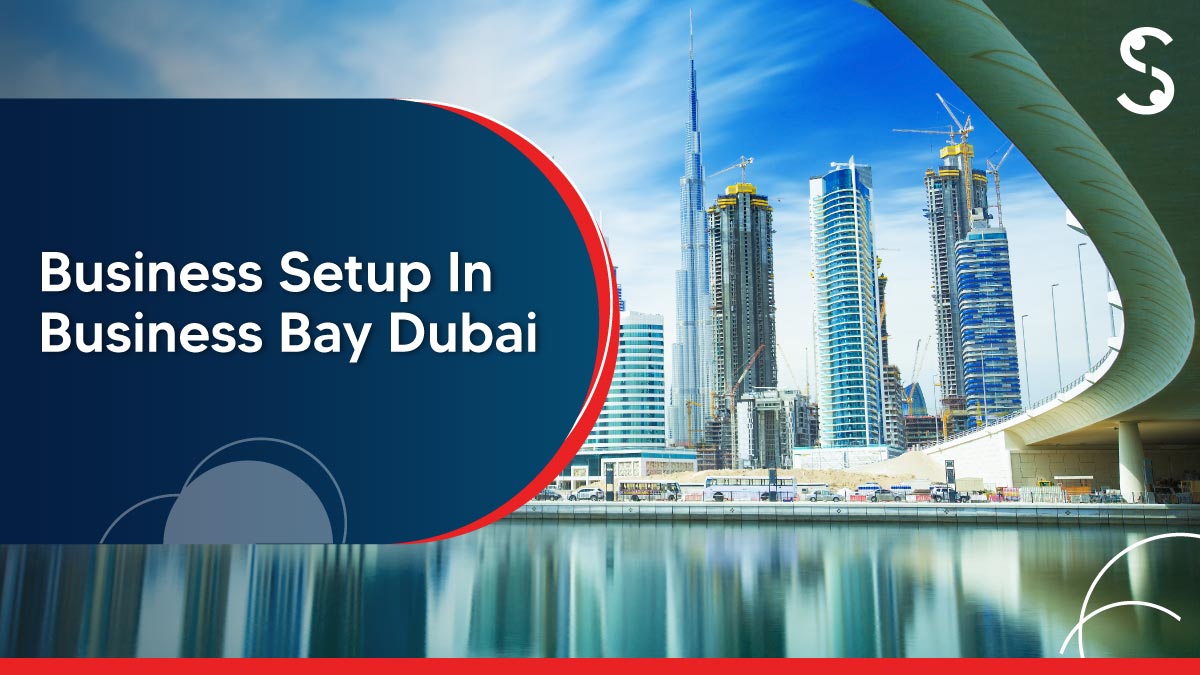
    In Dubai, Business Bay is the ideal place for businesses of all kinds. Spanning 46.9 million square feet, it gives a chance to a variety of industries, from large global companies to small local shops. Its prime location near the Burj Khalifa and the Dubai International Financial Centre makes it perfect for networking and growth. With different business zones like freezone, Freehold area, and Dubai mainland setups, it meets the needs of different businesses. Business Bay is the perfect place to start your business, whether you’re starting a new one or expanding an existing one. Let Shuraa India help you with your business setup in Business Bay Dubai 

    Benefits Of Business Setup In Business Bay Dubai

    Before setting up a business in Business Bay, Dubai, you need to know the benefits they offer entrepreneurs.  

    1. Skilled Workforce Availability

    Dubai, including Business Bay, boasts a lot of skilled people and offers access to talent across various industries and sectors. 

    2. World-Class Infrastructure

    The area features modern infrastructure, including luxurious office spaces, high-rise buildings, and advanced communication facilities. This is one of the main benefits for entrepreneurs who want to start a business setup in Business Bay Dubai. 

    3. Prime Central Location

    Most entrepreneurs are attracted to setting up their businesses in Dubai because of its luxurious business Hub. Business Bay offers easy access to major transportation networks and key commercial areas, making it a prime business hub. 

    4. International Business Center

    Business Bay is a recognised international business centre that attracts many global companies and investors. It provides ample networking opportunities and access to a worldwide market. 

    5. Easy way to set up a company

    Setting up a business in Dubai, including Business Bay, is not that difficult and efficient, making it easier to start a company. 

    How do you start a business setup in Business Bay Dubai?

    The steps to start a business setup in Dubai Business Bay are listed below:  

    1. Planning and Research

    Conduct market research and planning to understand your target market, assess competition, and grasp legal requirements. A well-defined business plan will guide you through the setup process effectively.  

    2. Select a Business Structure

    Select the appropriate business structure for yourself, and you will have many advantages and prerequisites for setting up a business in the Mainland. Shuraa Business Setup can help align your choice with your business goals.  

    3. Register Your Company with DED

    Officially register your company in Dubai Business Bay by getting the necessary licenses and permits from DED Dubai. With assistance from Shuraa Business Setup, we will comply with industry-specific regulations and simplify the process.  

    4. Select a location

    Find the perfect office space in Dubai Business Bay to start your business. Various options are available, including modern towers and coworking spaces. Consider factors like location, amenities, and lease terms to effectively meet your business requirements.  

    5. Hire Skilled Employees

    Use recruitment agencies, online portals, and networking events to attract top talent and invest in their development to foster a culture of excellence. Hire skilled employees for your business, you can even sponsor their Visas. For that, you can contact Shuraa. 

    6. Promoting Your Business

    To reach your target audience, implement a marketing strategy using digital platforms, social media, and traditional advertising. Collaborate with local businesses and participate in community activities to boost your brand visibility in Dubai Business Bay.  

    Documents Required for a Business Setup in Dubai Business Bay

    The documents required for business Setup in Dubai Business Bay are mentioned below:  

    • Completed DED registration forms. 
    • Passports of all shareholders and directors. 
    • Detailed business plan with activities, target market, and financial projections. 
    • Memorandum of Association (MOA) outlining company’s objectives, structure, and shareholder details. 
    • Copies of Emirates IDs are required for shareholders and directors. 
    • No Objection Certificate (NOC) from the property owner, if needed. 
    • Trade Name Reservation Certificate from the Department of Economic Development (DED). 
    • Valid tenancy contract for premises in Dubai Business Bay. 

    What is the cost of a Business setup in Business Bay Dubai?

    The cost of a Business Setup in Business Bay Dubai ranges from AED 10,000* to AED 40,000*. Our team of experienced Business Formation experts is here to provide detailed information and personalised assistance with your specific needs.  

    Reach out to Shuraa. We will help you get the required documents, and everything related to Business setup in Business Bay Dubai.  

    Start your business setup in Dubai Business Bay

    Starting a business in Dubai Business Bay offers good opportunities for entrepreneurs. Many entrepreneurs are attracted to Dubai because of its business hub and luxurious environment.  

    This blog has covered detailed information for business setup in Business Bay Dubai. It might seem difficult to set up a business, but with the help of Shuraa India, it can be handled smoothly. We have business experts and have been leading the Dubai business for over two decades. Contact us and start your business today.  

    FAQs

    Q1. What are the benefits of setting up a business in Business Bay? 

    Business Bay offers a strategic location, modern infrastructure, access to a diverse market, tax advantages, and a streamlined business setup process. 

    Q2. What types of businesses can be started in Business Bay? 

    Business Bay supports various businesses, including finance, retail, real estate, hospitality, and professional services. 

    Q3. What are the steps for setting up a business in Business Bay? 

    Steps include choosing a business activity, registering the trade name, getting initial approval, choosing an office space, getting necessary permits, registering with authorities, opening a bank account, and applying for visas. 

    Q4. What is the cost of setting up a business in Business Bay? 

    Costs vary based on business type, office size, and visas needed. Typical expenses include trade license fees, office rent, setup fees, and visa costs. Consult Shuraa India expert for detailed estimates. 

  • How to Start a Cleaning Company in Dubai?

    How to Start a Cleaning Company in Dubai?

    Dubai is growing fast, and so is the demand for cleaning services. With more homes, offices, and commercial spaces being built every day, people are looking for reliable cleaning companies to keep their spaces clean and hygienic. Whether it’s residential cleaning, office cleaning, industrial cleaning, or deep cleaning services, the need is everywhere. 

    Starting a cleaning company in Dubai can be a smart business move. It doesn’t require a big investment, and you can start small and grow over time. Plus, Dubai’s business-friendly rules and strong economy make it a great place to launch a new business. 

    If you’ve been thinking about starting a cleaning company in Dubai, this guide is your blueprint. From choosing your license to understanding what the market truly needs, we’ll walk you through the essentials of launching a cleaning business in Dubai. 

    Benefits of Starting a Cleaning Company in Dubai 

    Starting a cleaning company in Dubai offers exciting opportunities for entrepreneurs. The city’s booming economy and growing population create a strong demand for professional cleaning services. Here are six key benefits to consider. 

    1. High Demand for Cleaning Services 

    Dubai’s rapid urban development and booming real estate sector have led to an increased demand for cleaning services across residential, commercial, and industrial spaces. The city’s emphasis on hygiene and cleanliness further fuels this demand, ensuring a steady stream of potential clients. 

    2. Lucrative Profit Margins 

    Cleaning businesses require low startup costs compared to other industries. With affordable supplies and minimal overhead, profit margins can be high. Smart pricing strategies boost earnings potential. 

    3. Diverse Client Base 

    Dubai’s multicultural population includes households, businesses, and expats seeking quality cleaning. This variety allows companies to serve different niches. Tailored services attract loyal, long-term clients. 

    4. Easy Market Entry 

    Starting a cleaning company in Dubai involves straightforward licensing processes. The government supports small businesses with clear regulations. Entrepreneurs can launch operations quickly with proper planning. 

    5. Growth and Scalability 

    The cleaning industry in Dubai supports expansion. Businesses can grow by adding specialised services like deep cleaning or eco-friendly options. Scalability ensures long-term success and profitability. 

    6. Minimal Experience Required 

    Entering the cleaning industry doesn’t necessitate specialised training or certifications. With basic cleaning knowledge and a commitment to quality service, entrepreneurs can establish and grow a successful business. 

    Different Types of Cleaning Services in Dubai 

    Cleaning services in Dubai usually include residential, commercial, and industrial cleaning, further categorised into individual special activities.  

    1. Residential Cleaning Services 

    Residential cleaning keeps homes neat, hygienic, and inviting. It includes routine tasks like dusting furniture, vacuuming carpets, mopping floors, and deep cleaning bathrooms and kitchens. For example, a family might hire a service weekly to maintain cleanliness or before hosting guests to refresh their living space thoroughly. 

    Common services include: 

    • General house cleaning (dusting, vacuuming, mopping) 
    • Deep cleaning (kitchen, bathrooms, windows, appliances) 
    • Move-in/move-out cleaning 
    • Carpet and upholstery cleaning 
    • Sofa and mattress cleaning 

    2. Commercial Cleaning Services 

    Commercial cleaning caters to offices, retail stores, and business premises, ensuring a professional and healthy environment for staff and visitors. Tasks include cleaning desks, sanitising restrooms, emptying trash bins, and polishing floors. This generally includes: 

    • Office cleaning (desks, floors, restrooms, common areas) 
    • Retail store cleaning 
    • Cleaning for warehouses and factories 
    • Post-construction cleaning for commercial spaces 

    3. Industrial Cleaning Services 

    This involves heavy-duty cleaning in factories, warehouses, or manufacturing units where dirt, grease, and hazardous substances accumulate. Services include machinery cleaning, high-pressure floor scrubbing, and safe disposal of industrial waste. Common services include: 

    • Cleaning heavy machinery 
    • Industrial floor scrubbing and degreasing 
    • Hazardous waste cleaning 
    • High-pressure cleaning for factories 

    4. Specialised Cleaning Services 

    Specialised cleaning targets delicate or challenging surfaces like carpets, upholstery, windows, and mattresses. Techniques include steam cleaning carpets to remove deep stains or professional window cleaning for high-rise buildings. 

    Common services include: 

    • Carpet and rug deep cleaning and stain removal 
    • Window cleaning (interior and exterior, including high-rise buildings) 
    • Upholstery cleaning 
    • Mattress cleaning 
    • Pest control and fumigation (sometimes offered alongside cleaning) 

    5. Sanitisation and Disinfection Services 

    Increased health awareness has made sanitisation services essential. These services disinfect homes, offices, and public spaces using hospital-grade products to kill viruses and bacteria. For example, schools in Dubai often schedule sanitisation during holidays to keep students safe. 

    Get your Dubai cleaning company license — free cost estimate today

    Document Required to Start a Cleaning Company in Dubai 

    To apply for the license, you will need to prepare and submit several key documents. These typically include: 

    • Passport copies of the business owner(s) and partners 
    • Visa copies if you are a resident or local sponsor 
    • No Objection Certificate (NOC) from your current sponsor (if applicable) 
    • Completed application forms from the DET or Free Zone authority 
    • A detailed business plan describing your cleaning services 
    • Office lease agreement proving you have a physical business location (this can be a shared or flexi-desk office) 
    • Initial approval from the DET or Free Zone authority 

    How to Start a Cleaning Company in Dubai, UAE

    Cleaning company setup in Dubai in Dubai involves several key steps to ensure compliance with local regulations and to set a strong foundation for your business. Here’s a step-by-step process: 

    1. Define Your Business Activities 

    Choose the specific type of cleaning services your company will offer: 

    • Residential cleaning 
    • Commercial/office cleaning 
    • Industrial cleaning 
    • Specialised cleaning (carpets, upholstery, sanitisation, etc.) 

    2. Choose the Jurisdiction 

    Decide whether you want to set up in: 

    • Mainland Dubai (offers wider market access and flexibility) 
    • Free Zone (cost-effective, 100% ownership, but limited to free zone business unless a distributor is appointed) 

    Example: Dubai Mainland (through DET) is ideal for servicing clients across Dubai, including residential homes and commercial offices. 

    3. Register a Trade Name 

    Choose and reserve a unique business name that reflects your services and meets DET or Free Zone naming rules. Avoid names that include religious or political terms. 

    4. Secure Office Space 

    Obtain a physical office space, which is a requirement for business registration. The office can be a traditional workspace or a flexi-desk in a business centre, depending on your budget and operational needs. 

    5. Apply for a Cleaning Services License 

    Submit an application to the DET or the relevant free zone authority to obtain a cleaning services license. This license permits you to legally offer cleaning services within Dubai. 

    6. Register with Dubai Municipality 

    After your license is approved, you must register your cleaning company with the Dubai Municipality. This is essential, as the municipality regulates health, hygiene, and public safety standards. You may also need approvals for specific activities such as industrial or deep cleaning. 

    7. Open a Corporate Bank Account 

    After obtaining your license, open a corporate bank account to manage your business finances. Choose a bank that aligns with your business needs and offers suitable services. 

    8. Hire Staff and Procure Equipment 

    Recruit trained cleaners and support staff. Invest in cleaning supplies, eco-friendly products, uniforms, and equipment based on the services you plan to offer. 

    While the process involves paperwork and approvals, working with a business setup consultancy like Shuraa India can make obtaining licenses and completing documentation much easier and faster. 

    We’ve helped 250+ service companies get licensed in Dubai — get a free setup plan for your cleaning business

    What is the Cleaning Company License Cost in Dubai? 

    The cost of obtaining a cleaning company license in Dubai varies based on factors such as the business structure (mainland or free zone), the type of cleaning services offered, and the number of visas required. Generally, the cleaning company license cost in Dubai ranges between AED 10,000 and AED 25,000. 

    For instance, a professional license may cost around AED 14,500, while a commercial license could be approximately AED 17,900. Additional expenses such as office rent (Ejari), trade name registration, government fees, and notarization of documents may increase the total startup cost. 

    For a more accurate estimate, it’s recommended to consult with a professional business setup advisor like Shuraa Business Setup, who can guide you based on your specific requirements and budget, and help you avoid hidden charges during the process. 

    Simplify Your Cleaning Company Setup with Expert Help 

    Dubai’s cleaning market is booming, and there’s plenty of room for new businesses to shine. If you’ve been thinking about starting your own cleaning company, don’t wait; the process is easier than you might think when you have the right team behind you. At Shuraa India, we’re here to handle the tricky stuff like licenses, visas, legal formalities, PRO services, and even finding your office space. We’ll customise everything to fit your needs and goals. 

    So why stress over paperwork and rules? Reach out for a free consultation, and let’s get your cleaning business up and running, the smart, simple way. 

  • How to Start a Beauty Salon Business in Dubai?

    How to Start a Beauty Salon Business in Dubai?

    Thinking about getting into the booming beauty and grooming industry? If yes, it’s a great time to set up a beauty salon in Dubai. The city’s cosmopolitan vibe, large expat population, and high standard of living make it one of the best places in the world to launch a salon business. People in Dubai, especially women, are very particular about self-care and appearance, which keeps the demand for beauty and grooming services consistently high. 

    Whether you want to open a boutique salon or invest in a franchise, starting your own beauty salon can be an advantageous and profitable venture. However, before you take the plunge, you’ll need to understand the legal requirements, licensing process, and salon setup procedures. 

    This is where Shuraa comes in. Our experts can guide you through every step, from selecting the ideal location to obtaining your salon license in Dubai, so you can focus on expanding your business without worrying about bureaucratic hurdles. 

    Understanding Beauty Salon Business Requirements in Dubai 

    Dubai’s beauty and grooming market is booming, but before you welcome your first client, you need to understand the Beauty Salon business Requirements in Dubai. Don’t worry, it sounds complicated, but we’ll break it down step by step, so you know exactly what to do. 

    Mainland vs Free Zone: Where Should You Set Up Your Beauty Salon?

    The first decision is where you want to set up your salon: 

    1. Mainland Beauty Salon License (DET)

    If you want to serve walk-in clients, be in a busy commercial area, or expand multiple branches across Dubai, a mainland salon license is perfect for you. You’ll be licensed by the Department of Economic Development and Tourism (DET) and can operate anywhere in Dubai. 

    2. Free Zone Beauty Salon License

    Suppose your salon is more focused on serving a specific community (like inside a residential complex or a women-only facility), or you’re just starting small. In that case, a free zone salon license might be a better option. Free zones also offer 100% foreign ownership and can be easier to set up. 

    3. Choosing the Right Beauty Salon Trade License in Dubai

    Dubai is particular about salon licenses. You need to choose the correct activity type when applying: 

    • Ladies’ Salon License: For women’s hair, beauty, and grooming services. 
    • Gents’ Salon License: For men’s grooming, haircuts, shaves, etc. 
    • Spa or Wellness Centre License: If you plan to offer massages, facials, and other spa services. 

    Note: You can combine activities, but you must list all of them in your license application to avoid fines later. 

    4. Approvals Required to Open a Beauty Salon in Dubai

    Before you can open your doors, there are some essential approvals to get: 

    • DET Approval: The DET issues your trade license, ensuring you are legally permitted to operate a salon in the UAE.  
    • Dubai Municipality Approval: They will inspect your salon layout and make sure it meets hygiene and health standards (like proper ventilation, approved salon chairs, and safe equipment).

    Setting up a salon in Dubai may seem like a difficult task. Still, once you understand the basics, including location (Mainland/Free Zone), the type of trade license, and the necessary approvals, the process becomes relatively smooth. With the proper guidance, you can get your Beauty Salon License in Dubai quickly and start building your dream business. 

    Open your Dubai beauty salon — free license & permit cost estimate

    Benefits of Starting a Salon Business in Dubai 

    Dubai’s thriving beauty industry offers immense opportunities for entrepreneurs. Launching a salon business in Dubai enters a growing market fueled by the demand for premium grooming services from both residents and tourists. Here are five key benefits to consider. 

    1. High Demand for Beauty Services 

    Dubai’s diverse population prioritises personal care, driving demand for salons. From hair styling to nail art, clients consistently seek high-quality services. This creates a steady customer base for new businesses. 

    2. Rewarding Profit Margins

    Salons in Dubai can generate substantial revenue due to premium pricing. High-end services, such as spa treatments, attract affluent clients. With proper management, profit margins remain attractive, ensuring financial success. 

    3. Prime Location for Growth 

    Dubai’s global appeal makes it ideal for salon businesses. Its central location draws international visitors, boosting foot traffic. A salon business in Dubai benefits from exposure to a cosmopolitan clientele. 

    4. Supportive Business Environment 

    Dubai offers entrepreneur-friendly policies, including tax incentives and streamlined licensing. Free zones simplify setup for foreign investors. This supportive ecosystem fosters growth and minimises operational hurdles. 

    5. Access to Skilled Talent 

    The city attracts professionals from around the world, ensuring a skilled workforce. Hiring trained stylists and therapists is a straightforward process. This talent pool enhances service quality, thereby elevating customer satisfaction. 

    Types of Beauty Salon Licenses in Dubai

    There are essentially two kinds of licenses to open a beauty salon in Dubai: 

    1. Men’s Salon License (Activity Code: 930201)

    A men’s beauty salon license in Dubai is issued to perform hair care and beautification activities. Haircare primarily encompasses hair washing, cutting, dyeing, styling, and other procedures aimed at maintaining and enhancing hair quality and growth.  

    Moreover, cosmetic treatments can include skin cleansing routines, hair removal, foot care, facial care, and makeovers. The activity group comes under ‘Gent’s Salon’, activity code – 930201. 

    2. Ladies’ Salon License (Activity Code: 930203)

    To open a beauty salon, a license is issued to perform cosmetic, beautification, and hair care treatments. Haircare primarily encompasses hair washing, cutting, dyeing, straightening, henna services, and other specialised hair care treatments.  

    Furthermore, cosmetics and beautification encompass various activities, including skin purification, manicures, pedicures, makeovers, hair removal, and other facial care routines. The activity group falls under the ‘Ladies Salon’, with activity code 930203. 

    How to Set Up a Beauty Salon in Dubai, UAE

    The process for setting up a salon business in Dubai is straightforward when you’re aware of all the steps involved in the business incorporation process. Therefore, here’s a stepwise summary of the same to make it easier for you: 

    Step 1: Decide your business model & concept 

    • Select your salon type: Ladies’ salon, Gents’ salon, Unisex salon, Nail bar, Spa/wellness, or a hybrid. The type affects the license subclass and approvals needed. 
    • Define your services, including haircuts, colouring, nails, waxing, skincare, and injectables (note: medical procedures require DHA approvals). Also, outline your target customers, pricing, and brand positioning. 
    • Create a short business plan with projected revenue, startup budget, break-even, staffing needs and marketing plan. 

    Step 2: Choose Mainland or Free Zone 

    • Mainland (DET): lets you operate anywhere in Dubai, take local retail leases, and trade directly with the UAE market. Most walk-in salons choose mainland licensing. 
    • Free Zone: Simpler company formation for certain activities but may restrict retail operations and require a local distributor/third-party if you want to trade on the mainland. 

    Decide based on where you want the salon to be located (mall/high street vs. within a free zone) and whether your target is UAE residents or export/services only. 

    Step 3: Trade Name & Initial Approvals

    Trade/Professional License for Salons: Salons generally fall under a specific category of beauty, personal care, or professional activity as defined by the Department of Economic and Tourism (DET). You’ll need: 

    • Trade name reservation 
    • Initial approval from the DET (to proceed) 
    • Dubai Municipality approvals: technical plans, health & safety compliance and hygiene approvals for salons/barbers/beauty centres. 
    • Health approvals for some services (if clinical/medical) from DHA or MoHAP.  

    Salon staff must possess occupational health cards and hold valid certifications as required by Dubai Municipality (e.g., cosmetology qualifications, food-handling/hygiene certifications where applicable).  

    Step 4: Choose & secure premises (location & fit-out) 

    • Select area (mall, community centre, high street). Rent varies significantly by location; malls are costly but have high foot traffic, and neighbourhoods are cheaper.
    • Dubai Municipality has minimum space/layout, as well as technical requirements (including drainage, ventilation, water supply, disposal of salon waste, surface finishes, and separate rooms for specific treatments); your fit-out plans must comply with these requirements and be approved before operations commence. You’ll submit layout drawings for approval.

    Step 5: Obtain Dubai Municipality approvals & inspections 

    Submit technical plans and hygiene/health documents to Dubai Municipality’s Health & Safety Division. They issue technical guidance and will inspect the premises once the fit-out is complete.   

    Expect requirements around: electrical safety, plumbing, sterilisation areas, waste disposal, ventilation, and staff hygiene certificates. Plan your layout with this in mind to avoid rework.  

    Step 6: Fit-out, equipment & suppliers 

    • Order salon furniture, chairs, wash basins, sterilisers, trolleys, colour stations, lighting, mirrors, POS, and software.
    • Choose approved suppliers and buy materials that meet hygiene standards. Keep invoices and technical specs for Municipality inspections and health audits.
    • Budget for contingencies, fit-out often reveals hidden costs (electrical upgrades, drainage, landlord requirements).

    Step 7: Hire staff, training & compliance 

    • Recruit licensed stylists, therapists, and front-desk staff. Check their professional certificates and ensure they obtain the required Dubai Municipality occupational health cards. 
    • Train staff in hygiene, waste disposal, customer safety, and the use of equipment. Maintain staff files and certificates (these are often checked during inspections). 

    Step 8: Final inspections & license issuance 

    • After fit-out and staffing, schedule final inspections with Dubai Municipality and the DET (or free zone authority). Satisfactory inspections lead to the issuance of the trade license and final approvals to operate. 
    • Register for commercial signage permission (signboard approval) as needed.  

    Step 9: Visas, labour card & ongoing registrations 

    • Apply for owner/employee visas and labour cards if you sponsor staff. The cost/timelines vary depending on nationality and visa quotas.
    • Register for a corporate bank account (banks usually ask for a trade license, tenancy, passport copies, and board resolution) and consider POS/payment gateway integration for the salon.

    Step 10: Marketing, soft launch & operations 

    • Plan opening promotions, loyalty programs, appointment booking systems and social media pages. Consider local listing (Google Business), collaborations with influencers, mall promotions (if applicable) and digital ads. 
    • Conduct a soft launch for friends/family to test operations, timings, and customer flow before the grand opening. 

    Step 11: Renewal, compliance & expansion 

    • Trade licenses are annual; set reminders for renewals, municipal inspections and staff health card renewals. Keep records of waste disposal, sanitisation logs and training certificates to stay compliant. 
    • When profitable, plan for service expansion (e.g., adding advanced treatments, retail product lines); some expansions may require amendments to your license activity. 

    Key Legal & Safety points to remember 

    • Some beauty or medical procedures (such as laser and injectables) require a DHA/MOHAP licence or a licensed clinical operator; don’t offer regulated medical services without the necessary approvals. 
    • Follow Dubai Municipality technical guidelines (they specify hygiene, space, equipment & staff health rules). Non-compliance can delay opening or result in fines. 

    We’ve helped 100+ beauty & wellness entrepreneurs get DHA-approved and trade-licensed in Dubai — get expert help

    Documents Required to Open a Salon in Dubai

    Typical documents required: 

    • Trade name reservation document. 
    • Business Plan 
    • Emirates ID 
    • Passport copy & visa (for owner/s) or national ID. 
    • Ejari/lease agreement for premises (tenancy contract). 
    • No Objection Certificate (NOC) from the sponsor if required. 
    • Technical drawings/fit-out plans stamped by an architect (for Dubai Municipality). 
    • Staff qualification certificates (cosmetology, therapists). 
    • Application forms and payment of fees (including name reservation fee, initial approval fee, and license issuance).  

    Beauty Salon License Requirements in Dubai

    When planning to start your dream salon business, it’s crucial to understand the Beauty Salon License Requirements that the Dubai authorities have in place. These requirements ensure your salon is safe, hygienic, and fully compliant with Dubai Municipality (DM) regulations. Here’s a breakdown of what you need to consider before launching your salon: 

    1. Staff Requirements 

    Your staff must have an occupational health card issued by the Dubai Municipality. Additionally, providing proper uniforms for all staff members is mandatory to maintain hygiene and professionalism. 

    2. Location Approval from DM 

    The Planning Department of Dubai Municipality must approve your salon’s location. The signboard should be clearly visible at the entrance. The minimum salon size should be 3.0m width x 3.5m length for one dressing chair. If you plan to add multiple chairs, ensure at least 1 meter of space is maintained between each chair for customer comfort and safety. 

    3. Furniture & Interiors 

    Furniture must be clean, well-maintained, and suitable for use in a salon. Ensure there is sufficient lighting throughout the salon for a welcoming and professional atmosphere. 

    4. Water Supply & Drainage 

    A proper water source and drainage facility are a must. This is one of the critical Beauty Salon License Requirements Dubai enforces to maintain hygiene standards. 

    5. Floor & Ceiling Standards 

    The floor should be non-slippery and easy to clean. The ceiling height in the work area must be at least 2.30 meters to allow proper ventilation. 

    6. Separate Service Areas 

    Plan to offer additional services, such as manicures, pedicures, hair removal, henna design, or facials. Each section must be a minimum of 2.50 × 1.50 meters with proper partitions for client privacy. 

    7. Fire Safety 

    Any area used for preparing cosmetic materials that are prone to catching fire must be constructed using fireproof materials to ensure the safety of both clients and staff. 

    Cost to Open a Beauty Salon in Dubai

    The cost of a men’s and ladies’ salon license in Dubai typically ranges from AED 10,000* to AED 30,000, depending on the type of services offered. Additionally, the annual market fee is calculated as a percentage of your salon’s rent, which may vary depending on the location and size of your salon. Choosing the right spot and setup can help you reduce costs and maximise profits in Dubai’s thriving beauty industry. 

    Looking for more ideas? Browse our guide to profitable business ideas for ladies in Dubai.

    Start Your Beauty Salon in Dubai with Shuraa India

    Setting up a beauty salon in Dubai can be overwhelming for an expat, as it involves numerous documents and approval procedures in addition to other business-related tasks. Therefore, it’s better to get help from company formation experts. 

    The business consultants at Shuraa India assist you in obtaining the desired license at a nominal cost and help you set up your business in Dubai, relieving you of all your business concerns. Simply get in touch with us, and we’ll take care of the rest. 

  • Best Countries to start a Business as a Foreigner

    Best Countries to start a Business as a Foreigner

    Starting a business in the right country can make all the difference, whether it’s access to funding, ease of registration, or a welcoming environment for entrepreneurs. With globalisation on the rise, more people are looking beyond their home countries to launch their ventures.  

    In this blog, we’ll explore some of the best countries to start a business, especially if you’re planning to expand internationally.  Whether you’re a first-time entrepreneur or an experienced founder, we’ll help you discover the best country to start a business as a foreigner and why these destinations consistently rank among the best countries to do business worldwide. 

    What Makes a Country Business-Friendly?

    When evaluating where to launch or expand a business, it’s not just about low taxes or fast registration—it’s about the whole ecosystem that supports sustainable business growth. Here’s a breakdown of the most crucial factors that determine whether a country is truly business-friendly: 

    1. Ease of Starting a Business 

    This includes how simple, quick, and cost-effective it is to register and operate a business legally. Countries with streamlined procedures, digital registration systems, and minimal red tape are often favoured by entrepreneurs. 

    2. Tax Policies and Incentives 

    A favourable tax environment can significantly reduce operational costs and boost profit margins. This includes low corporate tax rates, tax exemptions for startups, and incentives for research and development (R&D). 

    3. Access to Funding and Capital 

    Startups and small businesses rely on strong financial support to scale and succeed. A country with a strong venture capital presence, government-backed funding schemes, and active angel investor networks provides firms with a strong foundation. 

    4. Infrastructure and Digital Connectivity 

    Modern infrastructure—both physical and digital—is crucial for seamless operations. High-speed internet, reliable utilities, efficient transport systems, and smart logistics hubs all contribute to a favourable environment. 

    5. Skilled and Diverse Workforce 

    A readily available, well-educated, and skilled labour pool can make hiring easier and more cost-effective. Countries with diverse, multilingual talent pools are especially valuable for global-facing businesses. 

    6. Regulatory Transparency and Legal Protections 

    Countries with transparent governance and strong legal frameworks provide stability and protect entrepreneurs’ rights. This includes protections for intellectual property, enforceable contracts, and anti-corruption policies. 

    7. Openness to Foreign Ownership and Investment 

    For foreign entrepreneurs, it is essential to operate in a country that allows or encourages full or majority foreign ownership and offers residency or visa options tailored for investors. 

    The most business-friendly countries combine practical benefits, such as fast registration and low taxes, with long-term advantages, including funding opportunities, legal stability, and a high quality of life. When choosing where to start your business, consider not just cost, but how each country supports growth, innovation, and global connectivity. 

    Best Countries to Start a Business: Top Destinations for Entrepreneurs 

    When considering where to start a business, choosing the right country can significantly impact your company’s growth, legal requirements, and market opportunities. The best countries to start a business offer advantages such as business-friendly regulations, access to financing, a skilled workforce, and a strong infrastructure.  

    Below are some of the best countries to start a business, ideal for entrepreneurs, including those seeking the best country to establish a business as a foreigner, as well as countries with the most favourable conditions for doing business. 

    1. United Arab Emirates (UAE) 

    The UAE, particularly Dubai and Abu Dhabi, has become a hub for international entrepreneurs seeking to establish a business.  

    With its tax-free zones, top-class infrastructure, and cosmopolitan business environment, it’s one of the best countries to start a business, especially for those involved in technology, trade, and finance. The ease of starting a business and the availability of resources for foreign entrepreneurs make it a highly attractive destination. 

    Why it’s the best: 

    • No personal income tax 
    • Strong infrastructure and connectivity 
    • Access to markets in the Middle East and Africa 
    • Open to foreign investment and ownership 
    • Business-friendly legal framework 

    2. Singapore 

    Ranked consistently as one of the best countries to start a business, Singapore offers an efficient business registration process, low taxes, and a highly developed economy. The government provides numerous incentives to foreign entrepreneurs, making it a top choice for international business owners.  

    A transparent legal system enhances the ease of doing business in the country, and it has a reputation for being one of the best places to conduct business. 

    Why it’s the best: 

    • Easy business setup and low administrative burdens 
    • Low corporate tax rates 
    • Prime location for trade in Asia 
    • Access to international markets 
    • Strong intellectual property protection 

    3. New Zealand 

    New Zealand stands out as one of the best countries to start a business as a foreigner. The country’s government has streamlined the process of starting a business, with minimal red tape and a transparent legal environment.  

    It’s also known for its welcoming attitude toward foreign investment. With a stable economy and high ease of doing business, New Zealand is a prime destination for entrepreneurs worldwide. 

    Why it’s the best: 

    • One of the easiest countries to start a business in 
    • Quick and straightforward business registration process 
    • Low corruption and transparent regulations 
    • High standard of living and work-life balance 
    • Access to a wide range of industries, including agriculture, tech, and tourism 

    4. United States 

    The United States remains one of the best countries in which to start a business, particularly in sectors such as technology, healthcare, and finance. The large market size, diverse consumer base, and access to funding make it an attractive destination for both domestic and international entrepreneurs.  

    While the regulatory environment can be complex, certain states, such as Delaware and Nevada, offer business-friendly environments with tax advantages. 

    Why it’s the best: 

    • Large, diverse market with opportunities for innovation 
    • Access to venture capital and angel investors 
    • Flexible corporate structure options (e.g., LLC, C-Corp) 
    • Leading global trade hub 
    • Diverse and highly skilled workforce 

    5. United Kingdom 

    The United Kingdom remains a leading country for entrepreneurs, especially for foreign business owners. With a strong economy and global trade ties, the UK provides access to a wealth of opportunities. 

    It is home to a vibrant startup ecosystem, particularly in industries such as fintech, creative industries, and e-commerce. The UK also has a relatively straightforward process for registering a business, even for non-residents. 

    Why it’s the best: 

    • Easy company formation process 
    • Strong legal framework and IP protection 
    • Access to global markets 
    • Highly educated and skilled workforce 
    • Excellent infrastructure for business growth 

    6. Switzerland 

    Known for its stable economy and high quality of life, Switzerland is one of the best countries in which to start a business, particularly for those focused on finance, technology, or innovation.  

    The country offers low corporate tax rates, a skilled labour force, and a favourable business environment. Entrepreneurs can also benefit from the protection of intellectual property rights and a strong banking sector. 

    Why it’s the best: 

    • Low taxes and a stable economy 
    • Strong financial sector and investment opportunities 
    • Business-friendly environment with low bureaucracy 
    • Highly skilled workforce 

    Excellent infrastructure and access to global markets

    7. Canada 

    Canada is one of the top choices for foreign entrepreneurs looking to start a business, offering an open and transparent regulatory environment. With a high standard of living and proximity to the United States, it’s an ideal location for companies looking to expand into North America.  

    The country also provides various government incentives for businesses, particularly in sectors such as tech, healthcare, and clean energy. 

    Why it’s the best: 

    • Low barriers to entry for foreign entrepreneurs 
    • Strong economic growth and high quality of life 
    • Proximity to the U.S. market 
    • Access to skilled labour and diverse industries 
    • Strong government support for startups 

    8. Australia 

    Australia is a prime destination for entrepreneurs starting a business. The country boasts a stable economy, a skilled workforce, and an innovative culture that supports startups.  

    The business environment is open and welcoming to foreign entrepreneurs, and the country’s favourable tax system and government incentives make it an attractive destination for setting up a business. 

    Why it’s the best: 

    • Business-friendly tax policies and low corporate tax rates 
    • Open to foreign investment 
    • Strong economic growth and diverse industries 
    • Access to a skilled labour force 
    • High standard of living

    9. Estonia 

    Estonia has gained recognition as one of the best countries in which to start a business, thanks to its innovative digital economy and ease of doing business. The country offers an e-residency program, which enables foreign entrepreneurs to establish and manage their businesses online, making it a standout option for digital companies and tech startups. Estonia’s tax system is favourable, especially for startups that reinvest their profits. 

    Why it’s the best: 

    • Digital business-friendly environment and e-residency program 
    • Low taxes for reinvested profits (0% corporate tax) 
    • Transparent and efficient government processes 
    • Access to European Union markets 
    • Innovative tech-driven economy 

    10. Hong Kong 

    With its vibrant and open business landscape, Hong Kong is a premier choice for aspiring entrepreneurs. It’s particularly ideal for businesses focused on international trade, finance, and technology.  

    The region boasts one of the lowest tax rates in the world and offers easy access to China and other Asian markets, positioning it as one of the best countries for business. 

    Why it’s the best: 

    • Low corporate taxes and zero VAT 
    • Prime location for global trade, especially with China 
    • Transparent and efficient regulatory environment 
    • Access to international markets and funding 
    • Strong infrastructure and business-friendly policies 

    The best countries to start a business depend on factors such as the type of business you plan to start, your target market, and the resources available in the country. Whether you are looking for the best country to start a business as a foreigner or the best countries to do business in, these nations offer diverse opportunities. From tax incentives and government support to access to skilled labour and international markets, each country provides unique advantages that can propel your business forward. 

    Make the Right Move with Expert Guidance 

    Choosing the right destination among the best countries to start a business can set the stage for long-term success. Whether you’re drawn to the innovation-driven markets of Singapore and Estonia, the vast opportunities in the United States, or the investor-friendly environment of the UAE, it’s essential to align your business goals with the strengths of each region.

    For those specifically seeking the best country to start a business as a foreigner, the UAE stands out with its zero-tax benefits, modern infrastructure, and streamlined business setup process. 

    If you’re considering the UAE as your launchpad, Shuraa India is here to support your journey. With years of experience and in-depth knowledge of the UAE’s legal and commercial landscape, our experts will guide you through every step, from selecting the right jurisdiction to licensing, visa processing, and opening a bank account.

    As you explore the best countries to do business, let Shuraa India be your trusted partner in turning your business dream into reality in one of the world’s most business-friendly destinations.

  • How to Start a Limited Liability Company in Dubai?

    How to Start a Limited Liability Company in Dubai?

    Dubai has become one of the top places in the world to start a business. Thanks to its great location between Europe, Asia, and Africa, excellent infrastructure, and business-friendly rules, it attracts entrepreneurs and investors from all over. In fact, almost 95% of companies in Dubai are small and medium-sized businesses. And with the city’s population growing to over 4 million by the end of 2025, it’s clear that both the market and talent pool are expanding fast.  

    One of the most popular ways to set up a business here is through an LLC or Limited Liability Company. LLC company formation in Dubai is a top choice for both UAE nationals and expats (especially among Indians) because it offers many benefits: limited liability for owners, flexibility in business activities, access to the local (mainland) market, and now even up to 100% foreign ownership in many sectors. It’s ideal for trading, services, and other commercial businesses. 

    What is an LLC Company in Dubai?

    An LLC in Dubai (Limited Liability Company) is the most common type of business structure for both local and foreign investors in the UAE. An LLC is a legal entity formed by 2 to 50 shareholders, where each shareholder’s liability is limited to the amount of capital they invest in the business.

    A Limited Liability Company (LLC) is one of the most common and flexible types of business structures in Dubai and across the UAE. It allows business owners to operate in the mainland market while limiting their personal liability to their share in the company. 

    Key Characteristics of an LLC in Dubai: 

    • Limited liability for shareholders – personal assets are protected 
    • Can conduct a wide range of business activities, including trading, manufacturing, and services 
    • Allows you to do business anywhere in the UAE and internationally 
    • Requires a physical office space (virtual offices are not permitted) 
    • 100% foreign ownership is most sectors (Certain business activities may still require local service agent or partner) 
    • Eligible to sponsor visas for employees, managers, and shareholders 
    • Corporate bank account can be opened under the company name 

    LLC vs Other Business Structures in Dubai: 

    Structure  Ownership  Market Access  Suitable for 
    LLC (Mainland)  Up to 100% foreign ownership allowed  Full UAE + International  Traders, service providers, SMEs 
    Sole Proprietorship  100% owned by one person  Limited to activity scope  Freelancers, professionals 
    Free Zone Company  100% foreign ownership  Inside free zone only*  Export/import businesses, tech startups 

    *Note: Free zone companies can’t directly trade in the mainland unless they appoint a distributor or open a branch. 

    Benefits of LLC Company Formation in Dubai

    LLC company formation in Dubai comes with many practical benefits that make it one of the most preferred business structures for both local and foreign entrepreneurs. Here’s why so many choose the LLC route: 

    1. Access to the Mainland Market 

    An LLC allows you to do business anywhere in the UAE, not just in a free zone. You can sell products or services directly to customers or other businesses across the country. 

    2. Limited Liability Protection 

    As the name suggests, an LLC protects your personal assets. Your liability is limited to the amount you’ve invested in the business, so your personal savings, home, or other assets are safe if the company faces financial issues. 

    3. No Restriction on Office Location 

    Unlike free zone companies that are limited to specific zones, an LLC gives you the freedom to choose your office location anywhere in Dubai or the UAE. This means you can pick a spot that suits your budget, target market, and operations. 

    4. Long-Term Residency Opportunities 

    With an LLC, business owners and investors can apply for long-term residence visas, including investor visas, and eventually become eligible for UAE’s 10-year Golden Visa (subject to meeting criteria). 

    5. Corporate Bank Account and Credibility 

    LLCs are recognized as formal, trustworthy business entities, making it easier to open corporate bank accounts, attract clients, and build partnerships with other companies locally and globally. 

    6. Tax Benefits 

    The UAE offers a 0% personal income tax and competitive corporate tax rates, plus several double taxation treaties with other countries. For many small to medium businesses, the overall tax burden remains low. 

    Requirements for LLC Company Formation in Dubai

    Before you begin the LLC company formation process in Dubai, it’s important to understand the basic setup requirements. Here are the key things you’ll need: 

    1. Number of Shareholders 

    An LLC in Dubai must have a minimum of 2 and a maximum of 50 shareholders. The shareholders can be individuals, corporate entities, or a mix of both. 

    2. Minimum Capital Requirement 

    There is no fixed minimum capital requirement to register an LLC in Dubai under most business activities. The Dubai Department of Economy and Tourism (DET) does not require actual capital deposit unless specified for certain regulated activities (like banking or insurance). 

    3. Local Service Agent or Emirati Partner 

    In the past, forming an LLC required a UAE national to hold 51% of the company shares. Now, 100% foreign ownership is allowed for most business activities, especially in commercial, industrial, and professional sectors. 

    4. Office Space Requirement 

    An LLC must have a physical office address in Dubai to be registered. Virtual offices or shared desks are not generally accepted for LLCs. You’ll need to sign a tenancy contract (Ejari) and submit it to the DET as part of the registration process. 

    Documents Required to Open an LLC Company in Dubai

    For Dubai LLC registration, you’ll need to prepare and submit a set of official documents to the Dubai Department of Economy and Tourism (DET) and other relevant authorities. This typically includes: 

    • Passport copies of all shareholders 
    • Emirates ID copies (if applicable) 
    • Visa page or entry stamp copy (for foreign residents in the UAE) 
    • No Objection Certificate (NOC) from current sponsor (if applicable) 
    • Trade name reservation certificate 
    • Initial approval certificate from DET 
    • Notarized Memorandum of Association (MoA) 
    • Tenancy contract (Ejari certificate) for office space 
    • External approvals (if required, based on business activity) 

    How to open an LLC company in Dubai?

    Here are the simple steps you need to follow for a smooth LLC company formation in Dubai.

    Step 1: Choose Your Business Activity 

    The UAE government allows an LLC to choose from over 2000 business activities. So, you’re more likely to find your desired business activity on the list. The chosen activity must be approved by the Dubai Department of Economy and Tourism (DET), and it will determine if any special external approvals are required. 

    Step 2: Reserve a Trade Name 

    Choose a unique name for your company that reflects your brand and follows DET naming rules (no offensive words, religious references, or names of countries unless related to your business). Submit the name to DET for approval and reservation. 

    Step 3: Draft and Notarize the Memorandum of Association (MoA) 

    Prepare the MoA, which outlines the ownership structure, profit-sharing ratio, capital investment, and roles of all shareholders. This document must be signed by all partners and notarized by a Dubai public notary. 

    Step 4: Secure an Office Space and Obtain Ejari 

    Every LLC in Dubai is required to have a physical office. Once you’ve rented your space, register the tenancy contract through Dubai’s Ejari system. The Ejari certificate is mandatory for the license issuance. 

    Step 5: Get Required External Approvals (If Applicable) 

    Some business activities, such as medical services, education, tourism, and food trading, require approval from specific government departments like: 

    • Dubai Municipality 
    • Ministry of Health 
    • Dubai Tourism (DTCM) 

    We recommend getting assistance from business setup experts at Shuraa India to identify if these are necessary for your company. 

    Step 6: Submit Final Documents to DET 

    After gathering all documents (MoA, Ejari, initial approval, and external approvals), submit them to the DET. This is the final review stage before getting your trade license. 

    Step 7: Collect Your Trade License 

    Once your documents are approved, pay the government fees for license issuance and registration. Upon payment, the DET will issue your official LLC trade license, and you are legally allowed to operate your business in Dubai. 

    Step 8: Apply for Company Establishment Card 

    Register your company with the General Directorate of Residency and Foreigners Affairs (GDRFA) to get your Establishment (Immigration) Card. This card is essential for sponsoring employees or applying for investor/partner visas. 

    Step 9: Open a Corporate Bank Account 

    Open an account with UAE banks like Emirates NBD, Mashreq, or HSBC. You’ll need the license, MOA, Ejari, passport copies, and sometimes business plan. 

    Step 10: Visa & Employee Setup 

    Apply for investor and employee visas and labour cards. This includes Emirates ID and health insurance registration. Each visa typically costs AED 3,000 –7,000 per person. 

    Cost of Setting Up an LLC in Dubai

    The LLC company formation cost in Dubai can vary based on your business activity, office location, visa requirements, and whether you need external approvals. On average, LLC license costs in Dubai can range from AED 12,000 to AED 30,000 or more in the first year. Keep in mind that some regulated business activities may also require approvals from external government bodies, which could cost an additional AED 2,000 to AED 10,000. 

    Visa and immigration costs are also part of the setup. Getting an establishment card, investor visa, Emirates ID, and medical test can add up to AED 5,000 to AED 15,000 per person. 

    Key Factors Influencing LLC Formation Costs in Dubai

    • Business Activity: Costs differ based on the nature of your business. Some industries require specialized licenses or approvals.
    • Office Location: The cost of renting office space in Dubai can vary depending on the free zone or mainland location, which can significantly impact your LLC formation expenses.
    • Visa Requirements: The number of visas you need for employees or owners will affect the cost of company formation.
    • External Approvals: If your business falls under a regulated sector, you may need approval from government bodies such as the Dubai Department of Economy and Tourism (DET), which can add additional costs.

    Additional Costs to Consider

    • External Approvals: For regulated activities, approvals from government agencies may cost between AED 2,000 and AED 10,000.
    • Office Rent: Depending on whether you set up in a free zone or on the mainland, rental costs can vary.
    • Visa Fees: A Dubai LLC company typically requires a minimum of one visa for the owner. Additional visa fees will apply based on the number of employees.

    For a more accurate cost breakdown, consult business setup experts at Shuraa Business Setup today. 

    Why Choose Shuraa for Your LLC Company Formation in Dubai? 

    LLC company setup in Dubai is a great choice if you want to grow your business in the UAE. It gives you the freedom to trade across Dubai and beyond, protects your personal assets, and now even allows 100% foreign ownership in many sectors. The process may seem a bit confusing at first, but with the right help, it’s actually quite simple. 

    That’s where Shuraa Business setup comes in. We take care of everything, from choosing the right business activity and preparing documents to getting approvals, licenses, and visas. Need help getting started? Get in touch with Shuraa for a free consultation today. We also offer legal advice, PRO services, and tax support – all in one place.

    LLC Company Dubai – Top 10 FAQs

    1. What is an LLC company in Dubai?

    A Limited Liability Company (LLC) in Dubai is a mainland business structure where shareholders’ liability is limited to their share capital. It allows you to conduct commercial, industrial, and professional activities.

    2. How many shareholders are required for an LLC in Dubai?

    An LLC in Dubai requires 1 to 50 shareholders, making it suitable for small and large businesses.

    3. Do I need a local sponsor for an LLC?

    No. Under current UAE laws, most business activities allow 100% foreign ownership, meaning a local sponsor is no longer required for many LLC activities.

    4. What is the cost of setting up an LLC in Dubai?

    The cost of forming an LLC in Dubai typically ranges from AED 12,000 to AED 30,000, depending on activity, visas, and office space.

    5. What business activities can an LLC perform?

    LLCs can engage in commercial, industrial, trading, and professional activities. Some activities may require external approvals.

    6. How long does it take to form an LLC in Dubai?

    Company formation usually takes 3 to 7 business days, depending on document approvals and activity type.

    7. Do I need an office for an LLC license?

    Yes. A physical office or flexi-desk is required in Dubai for an LLC license to be issued.

    8. Can an LLC sponsor employee visas?

    Yes. An LLC can sponsor visas for employees, partners, and dependents, based on office size and activity.

    9. Is an LLC required to have a UAE national as a manager?

    No. Foreigners can own and manage the LLC unless a specific regulated activity states otherwise.

    10. Can an LLC trade anywhere in the UAE?

    Yes. An LLC can operate and trade anywhere within the UAE, unlike free zone companies which have restrictions.

  • How to Start a Foodstuff Trading Business in Dubai?

    How to Start a Foodstuff Trading Business in Dubai?

    Starting a foodstuff trading business in Dubai from India is not only possible—it’s a smart move for entrepreneurs seeking growth in an international market. Dubai’s strategic location, world-class infrastructure, and ever-growing demand for diverse food products make it the ideal destination for Indian exporters and business owners.

    To begin, research the market thoroughly to identify high-demand products and potential competitors. Next, register your company with the Dubai Department of Economy and Tourism (DET), choosing an appropriate trade license—typically a commercial or general trading license. You’ll also need to comply with UAE food safety regulations by registering with the Dubai Municipality and obtaining necessary permits.

    Partnering with reliable logistics providers ensures smooth transportation of goods from India to Dubai. Additionally, consider establishing relationships with local distributors or setting up your own warehouse in one of Dubai’s free zones for tax benefits and simplified customs procedures.

    With careful planning and adherence to legal requirements, you can successfully start a Foodstuff Trading Business in Dubai from India, tapping into lucrative opportunities while building an international brand presence.

    Foodstuff Trading Business Market in Dubai 

    2026, the UAE’s food and beverage imports were valued at AED 142 billion (USD 38.5 billion). This is expected to grow to AED 190 billion (USD 52 billion) by 2041. 

    The UAE imports a wide range of food products, including cereals, fruits and vegetables, meat, dairy products, and processed foods. The top five food import categories in 2026 were: 

    1. Fruits and vegetables: Fruits and vegetables are the largest segment of the foodstuff trading market in Dubai. Dubai imports fruits and vegetables from all over the world, and they are re-exported to other countries in the region. 
    2. Meat and poultry: Meat and poultry are another important segment of the foodstuff trading market in Dubai. Dubai imports meat and poultry from countries such as Australia, Brazil, and India. 
    3. Dairy products: Dairy products are also a significant segment of the foodstuff trading market in Dubai. Dubai imports dairy products from countries such as New Zealand, Australia, and Europe. 
    4. Cereals and grains: Cereals and grains are another important segment of the foodstuff trading market in Dubai. Dubai imports cereals and grains from countries such as the United States, Canada, and Australia. 
    5. Processed foods: Processed foods are also a significant segment of the foodstuff trading market in Dubai. Dubai imports processed foods from all over the world, and they are re-exported to other countries in the region. 

    The foodstuff trading business in Dubai is supported by a number of factors, including: 

    • The UAE’s strategic location is at a crossroads between Europe, Asia, and Africa. 
    • The UAE’s favourable business environment with low taxes, simple regulations, and world-class infrastructure. 
    • The growing population of the UAE and the increasing demand for high-quality food products. 
    • The UAE government’s support for the foodstuff trading industry. 

    Get your Dubai food trading license — free cost estimate today

    How to Start a Foodstuff Trading Business in Dubai, UAE

    Starting a foodstuff trading business in Dubai involves several steps and careful planning to ensure a successful launch. Here is a step-by-step process to guide you through the journey: 

    1. Business Planning 

    Define your business concept and niche. Decide on the types of food products you want to trade. Create a comprehensive business plan that includes business vision, marketing strategies and financial projections. 

    2. Choose the Right Legal Form for Your Business 

    You can choose to set up your business as a limited liability company (LLC) in Dubai mainland, or a free zone company. 

    • Mainland companies are registered with the Dubai Department of Economy and Tourism (DET) and can operate anywhere in the UAE. Mainland companies are subject to all UAE laws and regulations, including taxes. 
    • Free zone companies are registered with a free zone authority and can operate within the free zone where they are registered. Free zone companies are exempt from most UAE taxes and regulations. 

    3. Register Your Business and obtain a license 

    Obtain the necessary licenses and permits from the Dubai Department of Economy and Tourism (DET) or relevant free zone authority and acquire a trade license. 

    You may also be required to obtain necessary licenses such as a foodstuff trading license in Dubai from the Dubai Municipality. This license is required for all businesses that trade in food products. To obtain a foodstuff trading license in Dubai, you also need to meet certain requirements as required by the relevant authorities. 

    4. Sourcing Suppliers and Products 

    Find reliable suppliers for the food products you intend to trade. Negotiate contracts and pricing terms with suppliers. Build strong relationships with suppliers to ensure a consistent supply of quality products. 

    5. Distribution and Logistics 

    Establish an efficient supply chain for sourcing, storing, and distributing food products. Implement effective inventory management practices. Arrange transportation and distribution strategies to deliver products to your customers promptly. 

    6. Arranging visa

    If you are a foreign entrepreneur planning to establish a foodstuff trading business in Dubai, you will need a visa to reside and conduct business in the UAE. Ensure that you have the appropriate visa to operate your business legally and without any interruptions. 

    We’ve helped 300+ food & beverage trading companies set up in Dubai — full licensing from FIRS to DED approvals

    Vegetable trade in Dubai

    Vegetable trade in Dubai is a booming area of business in Dubai mainland as most of the vegetables are imported from other countries. However, executing your vegetable business plan requires some formalities to be completed and a few conditions that have been set by the Dubai municipality have to be adhered to. Setting up a vegetable trading business in Dubai gives one a chance to reach out to a bigger consumer market.

    People from all over the world are traveling to Dubai either as tourists or immigrants, in order to set up a vegetable trading business, one needs to register the business with the relevant authorities in Dubai which otherwise accounts for a violation of the law.

    For setting up a vegetable business in Dubai one has to obtain a license from DET i.e., the Department of Economic Development. Once the license is obtained the business can be started. Afterwards, the owner has to take care of things like containers which have to have a material that can tackle the problem of contamination.

    Cost of Establishing a Foodstuff Trading Business in Dubai 

    The cost of establishing a foodstuff trading business in Dubai typically starts at around  AED 12,000 and AED 30,000, depending on several factors, including the size of the business, the type of food products being traded, and the Location of the business. 

    To know the estimated foodstuff trading license cost in Dubai, it is highly recommended to get in touch with a Dubai business setup consultant like Shuraa India who has over 26+ years of experience in assisting business setup in Dubai and the UAE. 

    Get your foodstuff trading license with Shuraa India 

    Dubai is a flourishing city with a strong economy, making it an ideal place to start a foodstuff trading business. However, company formation in Dubai can be a daunting task, but it is essential to remember that you are not alone. There are many resources available to help you start your business, including business setup experts like Shuraa India. 

    With extensive experience in company formation and business support services, Shuraa India can simplify the process. Whether you need assistance with license applications, VAT registration, PRO services, visa arrangements, or investor rights, Shuraa India is your one-stop shop for all your business establishment needs.  

    Reach out to us for a free consultation and guidance on your entrepreneurial journey. 

    Your dream of a successful foodstuff trading business in Dubai is closer than you think! 

  • How to Start a Garments Trading Company in Dubai?

    How to Start a Garments Trading Company in Dubai?

    Dubai has always been a global hotspot for fashion, retail, and international trade, making it the perfect place for Indian entrepreneurs to start a business. If you’re planning to start a garments trading company in Dubai, you’re stepping into a market that connects manufacturers, designers, and buyers from across the world.

    With its prime location, advanced logistics, and business-friendly regulations, Dubai offers everything needed to trade garments locally and export to international markets. Whether you want to deal in ready-made clothing, textiles, or fashion accessories, starting a garments trading company in Dubai can open doors to strong growth, scalability, and long-term success in the UAE’s dynamic fashion industry.

    Understanding the Garment Trading Business

    The garment trading business in Dubai, United Arab Emirates, is one of the most popular and profitable trading activities in the region, and for good reason. Dubai sits at the crossroads of global trade, connecting Asia, Europe, and Africa, making it a natural hub for fashion and textile commerce.

    What is Garment Trading?

    Garment trading simply means buying ready-made clothing, fabrics, or apparel accessories from manufacturers or suppliers and selling them to wholesalers, retailers, or directly to customers. This can include:

    • Ready-made garments (men’s, women’s, kids’ wear)
    • Ethnic and traditional clothing
    • Fashion apparel and accessories
    • Uniforms and workwear
    • Fabrics and textiles

    Why is Dubai ideal for garment trading?

    Dubai provides a powerful, business-friendly ecosystem that makes garment trading not just easy to start, but easy to grow and scale globally.

    1. Prime global location

    Positioned between Asia, Europe, and Africa, Dubai offers seamless access to major international markets, making imports and exports faster and more cost-efficient. It’s more flexible for the Indian entrepreneurs to start a business from Dubai.

    2. Advanced logistics infrastructure

    With advanced ports, international airports, free-zone warehousing, and smart supply chains, the movement of goods is smooth, reliable, and fast.

    3. Highly diverse consumer market

    Dubai attracts customers from diverse nationalities, cultures, and lifestyles, creating constant demand for a wide range of fashion segments, styles, and price ranges.

    4. Tax-friendly environment

    Zero personal income tax and a competitive corporate tax framework allow businesses to retain higher profits and reinvest in growth.

    5. Flexible business setup options

    Entrepreneurs can choose between mainland and free-zone setups, offering flexibility customised to target markets, ownership preferences, and expansion goals.

    Together, these advantages make Dubai one of the most attractive global hubs for launching, operating, and scaling a garment trading business with long-term growth potential.

    Where does garment trading happen in Dubai?

    Garment traders operate through:

    • Wholesale markets supplying bulk orders
    • Retail stores in malls or local markets
    • Online platforms and e-commerce stores
    • Export-focused businesses selling to international buyers

    Popular trading areas often include traditional souks as well as modern commercial zones.

    Is Garment Trading Profitable in Dubai?

    Yes, when done right. For Indian entrepreneurs, setting up a garment trading business in Dubai is a highly profitable opportunity, driven by strong and consistently growing market demand.

    The UAE apparel market was valued at around AED 50+ billion (USD 13.7 billion) in recent years, with over 6% year-on-year growth, driven by tourism, retail expansion, and high consumer spending.

    The wider fashion sector is projected to reach USD 40–41 billion by 2029, while fast fashion and luxury apparel continue to grow steadily. With the right product niche, competitive sourcing, trend awareness, and efficient supply chain management, garment trading remains a solid opportunity for both new and experienced entrepreneurs in Dubai.

    Types of licenses required for a garment trading Business in Dubai

    Below are the types of licenses required for Indian entrepreneurs who want to start a garment trading business in Dubai are as follows:

    1. Commercial Trade License

    This is the primary and mandatory license for any garment trading business in Dubai. It allows you to import, export, wholesale, and retail garments such as clothing, fabrics, uniforms, and fashion accessories through physical stores or warehouses.

    Best for:

    • Physical clothing stores
    • Wholesale & distribution businesses
    • Import–export of garments

    2. E-commerce License (Optional)

    If you plan to sell garments online through your own website, Instagram, or marketplaces, you’ll need an e-commerce license (or add e-commerce activity to your trade license).

    Best for:

    • Online clothing brands
    • Instagram & website-based garment stores
    • Businesses with no physical retail outlet

    This can be held on its own or combined with a commercial license.

    3. Free Zone vs. Mainland License

    You can choose where to register your garment trading business based on your goals:

    Mainland License

    • Trade directly with the UAE market
    • Open retail shops anywhere in Dubai
    • No restriction on local customers

    Free Zone License

    • 100% foreign ownership
    • Ideal for import/export & online businesses
    • Lower setup cost in some zones
    • Requires a local distributor to sell directly in the mainland (for physical sales)

    Get your garments trading license in Dubai — free setup plan

    How to Start a Garments Trading Company in Dubai, UAE

    Dubai has emerged as a leading hub for fashion and textile trading, connecting global suppliers with regional and international markets. If you’re planning to start a garments trading company in Dubai, knowing the step-by-step process will help you set up faster and avoid costly mistakes.

    Step 1: Finalise Your Business Activity

    Start by clearly defining your activity as garments trading. This typically includes buying, selling, importing, exporting, or distributing ready-made clothes, fabrics, or fashion accessories.

    Step 2: Choose the Right Jurisdiction

    Decide whether you want to operate in Mainland Dubai or a Free Zone.

    • Mainland allows you to trade freely within the UAE market.
    • Free Zones offer benefits like 100% ownership and customs advantages, especially for import/export businesses.

    Step 3: Select a Trade Name

    Pick a unique trade name that follows UAE naming rules and reflects your brand. Get it approved by the relevant authority before moving ahead.

    Step 4: Apply for a Garments Trading License

    This is the most crucial step to start a garments trading company in Dubai. Apply for a commercial license under garments or textile trading through the appropriate licensing authority.

    Step 5: Arrange Office or Warehouse Space

    Depending on your business model, you may need a physical office, warehouse, or flexi-desk facility. Some Free Zones allow virtual offices for trading startups.

    Step 6: Complete Legal Documentation

    Prepare and submit the required documents, including passport copies, visa details, application forms, and incorporation of paperwork, as per the chosen jurisdiction.

    Step 7: Open a Corporate Bank Account

    Once your license is issued, open a UAE business bank account to manage transactions, supplier payments, and international trade operations.

    Step 8: Register for VAT (If Applicable)

    If your turnover crosses the VAT threshold or you plan to import/export regularly, VAT registration becomes mandatory.

    Step 9: Start Importing & Trading

    After approval, you can begin sourcing garments, managing logistics, and officially start trading within the UAE or internationally.

    We’ve licensed 500+ textile and garments trading companies in Dubai — get a free cost plan for your fashion business

    Documents Required for Garment Trading in Dubai

    Below are the documents required to start garment trading in Dubai for Indian entrepreneurs:

    • Completed application form (provided by the relevant authority)
    • Business plan outlining your goals, operations, and financial projections
    • Passport copies of all shareholders, directors, and managers
    • Passport-size photos of shareholders and directors
    • Approvals from other government entities based on your specific business activity
    • Trade name reservation certificate
    • No Objection Certificate (NOC) from the sponsor (if applicable)
    • Bank reference letter

    Note: This list is not exhaustive; additional documents may be required depending on your specific circumstances. We highly recommend seeking professional advice from one of our business setup experts at Shuraa India.

    Garments Trading License Cost in Dubai

    Starting a garments trading business in Dubai doesn’t come with a fixed price tag; the cost depends on how and where you set it up. That said, license fees typically range between AED 12,500 and AED 50,000.

    The final amount is influenced by a few key factors, such as:

    • Jurisdiction: Mainland vs. free zone setup
    • Scope of activity: General trading or dealing in specific garment categories
    • Business structure: Sole establishment, LLC, or partnership
    • Visa quota: Number of investor or employee visas required
    • Workspace: Flexi-desk, shared office, or physical office space

    Since every business plan is different, these figures are only indicative. For a clear, customised breakdown based on your exact requirements, it’s best to consult experienced business setup advisors like Shuraa India, who can guide you through accurate cost planning and licensing options in Dubai.

    Start a Garments Trading Company in Dubai with Shuraa India

    Starting a garments trading company in Dubai is a smart move for Indian entrepreneurs looking to get into a fast-growing, globally connected fashion market. With strong consumer demand, excellent logistics, and flexible licensing options, Dubai offers an ideal ecosystem for building and scaling a successful apparel trading business. However, handling licenses, approvals, costs, and compliance can be complex without the right guidance.

    This is where Shuraa India makes the difference. From helping you start a garments trading company in Dubai to choosing the right jurisdiction, securing licenses, handling documentation, and offering end-to-end business setup support, our experts ensure a smooth, stress-free setup process.

    Whether you’re a first-time entrepreneur or an established trader expanding into the UAE, we customise solutions to match your business goals. Get in touch today and take the first confident step towards building a profitable garment trading business in Dubai.

  • Start a company in UAE to save on Taxes

    Start a company in UAE to save on Taxes

    Looking for a more innovative way to grow your business and keep more of your profits? Start a company in the UAE to save on taxes and enter one of the most attractive business environments in the world. The UAE is a prime haven for entrepreneurs and startups, with zero personal income tax, low corporate tax rates, and more than 42 free zones offering full foreign ownership. Beyond tax savings, it provides access to global markets, top infrastructure, and a streamlined setup process.  

    Effective tax planning for new businesses in the UAE can significantly reduce your financial burden while boosting your company’s long-term sustainability. Whether you’re scaling up or just starting, the UAE gives you the freedom to build smarter and grow faster, with far fewer tax headaches. 

    Top Tax Benefits of Starting a Company in the UAE 

    If you’re looking to start a company in the UAE to save on taxes, you’re not alone. The United Arab Emirates has become a global hotspot for entrepreneurs, thanks to its investor-friendly tax regime and streamlined business setup processes. Here’s why savvy investors are flocking to the UAE to optimise their tax planning. 

    Zero Personal Income Tax 

    One of the most significant tax benefits for investors in the UAE is that individuals do not pay personal income tax. This allows business owners and employees to take home more of their earnings, making the UAE an attractive option for expats and entrepreneurs. 

    Corporate Tax Advantages 

    Until recently, most companies in the UAE enjoyed a tax-free business setup. While a 9% corporate tax has now been introduced for profits above AED 375,000, many free zone companies still enjoy full tax exemptions if they meet specific regulatory requirements. This makes tax planning for new businesses in the UAE highly effective when done right. 

    Free Zones with 100% Tax Exemption 

    The UAE offers over 40 free zones where businesses can enjoy 100% foreign ownership, zero import/export duties, and total tax exemption. These zones are ideal for those looking for a tax-free business setup in the UAE with minimal regulatory hassle. 

    No Withholding Taxes 

    The UAE does not impose a withholding tax on dividends, interest, or royalties paid to non-residents. This is a significant tax benefit for investment in the UAE, especially for international companies and investors planning global expansion. 

    Double Taxation Treaties 

    The UAE has signed over 130 Double Taxation Avoidance Agreements (DTAAs) with countries worldwide. These agreements ensure that income earned in the UAE is not taxed again in the investor’s home country, supporting thoughtful tax planning for new businesses in the UAE. 

    Whether you’re a startup founder, digital nomad, or investor seeking strategic expansion, starting a company in the UAE to save on taxes can provide long-term financial benefits. The UAE is a top destination for global entrepreneurs with favourable tax laws, infrastructure, and business-friendly policies. 

    Exploring Business Setup Options in Dubai: Which One Is Right for You? 

    Are you looking to start a company in the UAE to save on taxes or expand your global footprint? Dubai offers three business setups: free zone, mainland, and offshore, each designed to meet specific strategic and financial goals.  

    Whether you’re a startup seeking a tax-free business setup in the UAE or an established investor planning to enter the regional market, understanding these options is key to smart decision-making. 

    Free Zone Company 

    Free zones in Dubai are ideal for entrepreneurs and foreign investors who want to operate within a well-regulated, tax-advantaged environment. These zones are built to support specific sectors—like tech, media, logistics, and finance—and offer powerful perks such as: 

    • 100% foreign ownership 
    • Full return of profits 
    • No import or export duties 
    • Tax benefits for investors in the UAE, including corporate tax exemptions

    If tax planning for new businesses in the UAE is your priority, free zones are one of the most efficient routes. They provide modern infrastructure, simplified regulations, and a strategic launchpad for global trade. 

    Mainland Company 

    Setting up a mainland company allows you to do business anywhere across the UAE. This setup is best for companies aiming to serve the local population, lease retail space in the city, or pursue government contracts. 

    Recent reforms allowing 100% foreign ownership in many sectors have made the mainland option even more attractive. It’s a great choice if you’re looking for: 

    • Full access to the UAE market 
    • The ability to bid on public sector projects 
    • Office presence in high-traffic commercial areas 
    • Long-term tax benefits for investment in the UAE 

    Mainland setups support strong business growth and visibility, especially for those planning a broad, market-facing presence. 

    Offshore Company 

    Offshore companies offer a lean and cost-effective model for those focused on asset protection, international trade, or holding company functions. While you can’t conduct business within the UAE with an offshore license, this structure is ideal for: 

    • Managing overseas investments 
    • Owning intellectual property or real estate abroad 
    • Conducting international business with minimal regulatory overhead

    Dubai’s offshore jurisdictions—like JAFZA and RAK ICC—provide confidentiality, flexible management structures, and key tax benefits for UAE investors. This is an optimal path for entrepreneurs looking to streamline their global operations while enjoying a tax-free business setup in the UAE. 

    Whether you’re a digital nomad, an SME, or a multinational, Dubai offers a strategic mix of business setups aligned with your growth plans. For those prioritising innovative tax strategies and efficient operations, the UAE remains a global hotspot for investment and innovation. 

    How to Start a Company in the UAE to Save on Taxes 

    Starting a company in the UAE can be a smart choice for entrepreneurs looking to optimise their taxes. The UAE offers numerous tax incentives, especially for Indian foreign investors. Here’s a detailed guide on how to start a company in the UAE to save on taxes.  

    Step 1: Understand the UAE Tax System 

    The UAE is known for its tax-free business setup options, especially in Free Zones. While the UAE introduced a 9% corporate tax in 2023 for businesses earning above AED 375,000 annually, many companies can still benefit from significant tax advantages depending on their structure. 

    • No personal income tax 
    • No capital gains tax for individuals 
    • No withholding tax 

    This provides ample tax benefits for investment in the UAE, making it one of the most attractive destinations globally for entrepreneurs. 

    Step 2: Choose the Right Business Structure 

    To fully leverage the tax benefits for investors in the UAE, choose a legal structure that aligns with your business and tax planning goals: 

    • Free Zone Company: Ideal for tax-saving. Offers 100% foreign ownership, corporate tax exemption (in many cases), and no import/export duties within the Free Zone. 
    • Mainland Company: Suitable for trading within the UAE market. May be subject to 9% corporate tax if profits exceed the threshold. 
    • Offshore Company: Primarily used for international business and tax planning for new businesses in the UAE. No local office is needed; it provides high confidentiality and asset protection.

    Step 3: Select the Right Jurisdiction (Free Zone or Mainland) 

    For optimal tax savings, consider setting up in one of the UAE’s many Free Zones, which offer: 

    • Limited corporate and no personal taxes 
    • Full returns of profits and capital 
    • Sector-specific benefits (e.g., media, tech, finance, logistics) 

    Popular Free Zones include: 

    Choosing the right Free Zone is critical to start a company in the UAE to save on taxes effectively. 

    Step 4: Register Your Business and Obtain Licenses 

    Follow these steps: 

    • Choose a business activity (e.g., consultancy, trading, services) 
    • Reserve a trade name (must be unique and compliant) 
    • Apply for the license (e.g., commercial, professional, industrial) 
    • Get initial approval from the relevant authority 
    • Sign the Memorandum of Association (MOA) 

    Step 5: Open a Corporate Bank Account 

    Once your license is issued: 

    • Choose a UAE-based bank (e.g., Emirates NBD, ADIB, Mashreq).  
    • Submit your company documents, business plan, and proof of address. 

    A proper bank setup ensures clean financial records, which is essential for maintaining tax compliance and planning. 

    Step 6: Register for Corporate Tax (if applicable) 

    • If your annual net profit exceeds AED 375,000, you must register for the 9% corporate tax 
    • Free Zone entities with qualifying income may remain exempt under specific conditions 
    • It’s crucial to understand how tax benefits for investment in the UAE apply to your particular situation 

    Step 7: Implement Tax Planning 

    Here’s how to enhance tax planning for new businesses in the UAE: 

    • Leverage Free Zone benefits 
    • Structure your international transactions to minimise tax 
    • Consider group structuring with holding companies 
    • Use double taxation treaties (DTTs) that the UAE has with over 130 countries 
    • Hire a UAE-based tax consultant to stay updated with new laws 

    Effective planning can help you start a company in the UAE to save on taxes while ensuring compliance and long-term savings. 

    Step 8: Stay Compliant with Local Regulations 

    Even in a tax-free business setup in the UAE, you must: 

    • Maintain audited financial statements (if required) 
    • File annual tax returns (if applicable) 
    • Renew licenses and visas annually 
    • Comply with ESR (Economic Substance Regulations) and AML (Anti-Money Laundering) laws 

    To start a company in the UAE to save on taxes, it’s essential to: 

    • Pick the right structure (Free Zone/Mainland/Offshore)
    • Use available tax benefits for investment in the UAE
    • Engage in thoughtful tax planning for new businesses in the UAE   

    The UAE offers one of the world’s most investor-friendly and tax-efficient environments. With careful planning and the right guidance, you can legally and effectively minimise your tax burden while getting into a booming economic hub. 

    Documents Required to Start a Company in the UAE 

    The documents you’ll need to start a company in the UAE vary depending on the location, but here’s a general overview of the most commonly required paperwork across different zones. 

    • Passport Copies 
    • Visa Copies 
    • Emirates ID  
    • No Objection Certificate (NOC) 
    • Business Plan 
    • Name Reservation Certificate 
    • Initial Approval Certificate 
    • Memorandum of Association (MOA) / Articles of Association (AOA) 
    • Office Lease Agreement 

    Cost to Start a Business in the UAE 

    Starting a business in the UAE typically costs between AED 12,500* and AED 28,500*. However, the actual cost can vary significantly based on several factors, including the type of business activity, licensing requirements, office location and size, and the number of visas needed. 

    To get an accurate estimate customised to your specific needs, connect with our experts at Shuraa India today. 

    Start Smart with Shuraa India: Save Taxes in the UAE 

    Starting a company in the UAE to save on taxes is more than just a smart financial move—it’s a strategic step toward sustainable business growth in a globally competitive market. With unmatched tax benefits for investors in UAE, from zero personal income tax to corporate tax exemptions in Free Zones, entrepreneurs gain a unique edge in building profitable ventures.

    The UAE’s strong infrastructure, supportive government policies, and access to global markets make it the perfect destination for a tax-free business setup in the UAE. 

    Whether you’re a first-time founder or an experienced investor, tax planning for new businesses in the UAE is essential to maximise returns and ensure long-term compliance. With more than 42 Free Zones, flexible business structures, and more than 130 double taxation treaties, the tax benefits for investment in the UAE are both substantial and sustainable. 

    Ready to unlock your company’s full potential? Start a company in the UAE to save on taxes and transform your vision into a tax-efficient, globally scalable business reality. 

  • Why start a business in Dubai?

    Why start a business in Dubai?

    Are you an aspiring entrepreneur ready to leap into the world of business? If you’re exploring dynamic locations to start your venture, Dubai should be at the top of your list. Known for its thriving economy, global connectivity, and investor-friendly policies, Dubai has become a magnet for ambitious entrepreneurs worldwide. 

    In recent years, the city has evolved into a global business powerhouse, offering unmatched opportunities, low tax liabilities, and a seamless process for business setup in Dubai. Whether you’re planning a startup or expanding an existing brand, company setup in Dubai gives you a competitive edge in a market that blends innovation with infrastructure. 

    So, why start your business in Dubai? Let’s break down the advantages that make Dubai the ultimate destination for your entrepreneurial dreams. However, before we delve into the benefits, let’s take a brief look at what makes Dubai’s business landscape so distinctive. 

    Is it Profitable to Start a Business in Dubai, UAE? 

    Yes, it’s profitable to start a business in the UAE, especially for foreign expats considering starting a business in Dubai. With its tax-friendly policies, global location, and strong government support for entrepreneurs, Dubai has positioned itself as one of the world’s top business destinations.  

    Whether you’re a startup founder or an established investor, a company set up in Dubai opens doors to vast regional and international opportunities. 

    Recent Stats 

    • UAE GDP Growth: Projected to reach 4.1% in 2025, up from 3.9% in 2024, indicating a stable and growing economy. 
    • New Business Licenses: Over 200,000 new companies were registered in 2024 alone, marking a significant surge in company formations in Dubai and across the UAE. 
    • Foreign Direct Investment (FDI): The UAE attracted AED 130 billion (~$35 billion) in FDI in 2024, reflecting high investor confidence. 
    • Startup Funding: Startups in the UAE raised over AED 10 billion (~$2.7 billion) in 2024, a 35% increase from 2023. 
    • Free Zones Growth: Dubai’s DIFC recorded a 37% increase in revenue in 2024, with operating profit reaching AED 1.33 billion. 

    Outlook for the Coming Year (2025–2026) 

    • Sectors such as AI, FinTech, HealthTech, and Green Energy are expected to dominate the market, driven by increased government incentives and private investments. 
    • Real estate and hospitality are expected to continue thriving due to sustained tourism and international migration. 
    • The Digital Economy is projected to contribute up to 10% of Dubai’s GDP by 2025, up from 4.3% in 2022.  

    Whether you’re planning a business setup in Dubai for a tech startup, e-commerce venture, consultancy firm, or a retail outlet, the city offers unmatched advantages—low taxes, top infrastructure, ease of doing business, and access to a global customer base.   

    A company established in Dubai not only offers profitability but also long-term sustainability in one of the world’s fastest-growing economies. 

    Top Reasons to Start Your Business in Dubai, UAE 

    If you’ve ever asked yourself why to start your business in Dubai, the answer lies in its business ecosystem, investor-friendly regulations, and unmatched global connectivity.  

    Entrepreneurs and global companies are increasingly choosing to set up businesses in Dubai, thanks to its powerful combination of opportunities, flexibility, and economic resilience. Let’s explore the most compelling reasons to consider company setup in Dubai today: 

    1. 100% Foreign Ownership 

    One of the most significant advantages of doing business in Dubai is the ability to retain complete control of your company. Recent regulatory reforms allow 100% foreign ownership in many mainland and Free Zone sectors, meaning you don’t need a local sponsor to register your business. This gives entrepreneurs more freedom and confidence in their operations and future expansion. 

    2. Attractive Tax Benefits 

    Another primary reason to start your business in Dubai is the city’s tax-friendly policies. Businesses enjoy 0% personal income tax, no withholding taxes, and 100% return of capital and profits.   

    Even with the introduction of corporate tax, Free Zone companies can still benefit from significant exemptions if they meet qualifying conditions, making business setup in Dubai a highly profitable move. 

    3. Simplified Company Registration Process 

    Setting up a business in Dubai is no longer a complex process. Government entities have introduced fast-track licensing, online portals, and one-window clearance systems that simplify the entire process of company setup in Dubai, often within just a few days. 

    4. Residency Visa with Business Setup 

    When you establish your business, you become eligible for a UAE residency visa, which can be extended to your family and employees. This opens doors to living in one of the world’s safest and most luxurious cities, along with access to banking, healthcare, education, and more. 

    5. Innovation and Technology Hub 

    Dubai has established itself as a hub for innovation, artificial intelligence, and emerging technologies. Initiatives like Dubai Silicon Oasis and Dubai Internet City attract tech startups and global giants alike, creating a vibrant ecosystem for innovation-led business setups in Dubai. 

    6. Strong Legal Framework and Investor Protection 

    Dubai offers a well-regulated, transparent legal system that protects investor rights and ensures fair business practices. Whether you’re setting up in the mainland or a Free Zone, the regulations are designed to foster trust and long-term business sustainability. 

    7. Wide Choice of Business Structures and Sectors 

    From trading and consulting to fintech, real estate, e-commerce, and manufacturing, Dubai welcomes nearly all sectors. Entrepreneurs have multiple options to choose from, including sole proprietorships, LLCs, branch offices, and Free Zone entities, each with customised benefits for setting up a company in Dubai. 

    8. High Demand for New Services and Products 

    With Dubai’s population steadily growing and a constant influx of tourists and professionals, there is always room for fresh business ideas. The demand for tech solutions, sustainable products, healthcare innovations, and consumer services continues to rise, creating endless opportunities for new businesses. 

    9. Free Zones with Specialised Benefits 

    Dubai is home to more than 42 Free Zones, each serving specific industries like logistics, healthcare, media, finance, and IT. These Free Zones offer perks such as 100% ownership, zero import and export duties, and customised licensing packages, which significantly enhance the ease of business setup in Dubai. 

    10. Global Business Events and Exposure 

    Dubai hosts numerous global expos, trade shows, and summits throughout the year, providing businesses with instant exposure to international investors, partners, and customers. For any entrepreneur wondering why to start your business in Dubai, the opportunity to grow through networking and international visibility is a huge incentive. 

    What is the process of starting a Business in Dubai? 

    Starting a business in Dubai can be an exciting adventure, but it’s essential to understand the step-by-step process to ensure a smooth and successful launch.  

    Step 1: Choose a business activity 

    The first step is to choose the type of business you want to start. You need to decide on the industry you want to operate in and the target market you want to reach. 

    Step 2: Choose a free zone or the mainland 

    You need to decide whether you want to set up your business in a free zone or on the mainland. Free zones offer a variety of tax benefits and other incentives, but they also have some restrictions. The mainland does not provide the same tax benefits, but it does not have the same restrictions. 

    Step 3: Register Your Business 

    Register your business with the relevant authority, such as the Dubai Department of Economy and Tourism (DET) for mainland businesses or the respective free zone authority for companies operating in a free zone. 

    Step 4: Obtain the necessary licenses and permits 

    You will need to obtain the necessary licenses and permits from the government before you can start your business. The specific requirements will vary depending on the type of business you are starting and its location. 

    Step 5: Open a Corporate Bank Account 

    Open a business bank account in a reputable bank in Dubai. This is essential for conducting financial transactions and managing your company’s finances. 

    Step 6: Complete Visa and Labour Approvals 

    If you plan to hire employees, obtain the necessary visas and labour approvals for your staff. The process may vary depending on the location and type of business. 

    Start Your Business in Dubai with Shuraa India 

    Starting your business journey in the UAE can be a game-changer, and there’s no better place to begin than Dubai. With its world-class infrastructure, investor-friendly policies, and global connectivity, opportunities are endless. Still wondering why start your business in Dubai? The answer lies in its strategic advantages—100% foreign ownership, zero personal income tax, and a rapidly growing economy. 

    When it comes to setting up a business in Dubai, partnering with a trusted expert can make all the difference. At Shuraa India, we simplify the process of Company Setup in Dubai—from legal documentation to licensing and beyond. With 26+ years of experience and over 100,000 entrepreneurs guided successfully, we’re here to help you build your dream business with confidence and ease. 

    Let Shuraa India be your trusted partner in this exciting venture. Your dream company in Dubai is just a consultation away.