Category: Business Dubai

  • How to Start a Dropshipping Business in Dubai?

    How to Start a Dropshipping Business in Dubai?

    The e-commerce landscape in Dubai is booming, driven by a tech-savvy population, advanced logistics infrastructure, and a pro-business regulatory environment. Starting a dropshipping business in Dubai offers entrepreneurs a low-risk, high-reward opportunity to enter the UAE’s rapidly growing digital economy.

    With 68% of UAE online shoppers preferring retail websites and a rising trend of social commerce, 2025 is the perfect time to launch a dropshipping business in the UAE. With expert guidance from Shuraa India, entrepreneurs can start with minimal upfront investment and scale efficiently.

    This comprehensive guide explains everything—from licensing and supplier selection to costs, compliance, and marketing.

    What Is Dropshipping in the UAE?

    A Dropshipping Business in the UAE, particularly in Dubai, is a retail model that enables entrepreneurs to sell products to customers without keeping inventory. Instead of stocking items, drop shippers partner with suppliers who handle warehousing, packaging, and shipping directly to customers on behalf of the business. 

    How Does Dropshipping Work in Dubai?

    Dropshipping in Dubai and the UAE is a streamlined business model where e-commerce stores sell products without holding inventory, leveraging local and global suppliers for direct-to-customer fulfilment.  

    1. Product Selection: The business owner lists products from suppliers on their e-commerce store. 
    2. Customer Orders: When a customer makes a purchase, the dropshipping store forwards the order details to the supplier. 
    3. Supplier Fulfillment: The supplier ships the product directly to the customer, managing all logistics. 

    Why Start a Dropshipping Business in Dubai?

    Dubai’s strategic location, advanced infrastructure, and supportive regulations make it an ideal hub for e-commerce. The UAE’s e-commerce market is projected to reach $8 billion by 2025, driven by high internet penetration and a growing appetite for online shopping. Dropshipping, with its low entry barriers, aligns perfectly with this vibrant ecosystem.

    • Minimal Investment: Dropshipping businesses require low initial capital since inventory management costs are minimal. 
    • Easy Market Access: Dubai’s trade and logistics hub position offers access to regional and international suppliers, making it ideal for a Dropshipping Business. 
    • No Inventory Hassle: Since suppliers handle inventory and shipping, entrepreneurs can focus on marketing and customer service. 
    • Ease of Setup: The UAE’s business-friendly regulations support quick e-commerce business setups, including drop shipping. 

    Legal Requirements for Dropshipping in Dubai

    To legally operate a Dubai Dropshipping Business, businesses need a trade license, typically under the e-commerce or general trading category. To avoid legal issues, they must also ensure compliance with UAE customs regulations, especially for imported goods. 

    In summary, a Dropshipping Business in the UAE offers a cost-effective, low-risk entry into e-commerce. With Dubai’s infrastructure and favourable business policies, it’s an attractive opportunity for entrepreneurs aiming to reach a diverse market. 

    Start dropshipping from Dubai legally — free e-commerce license plan

    Documents Required to Start a Dropshipping Business in Dubai

    You must submit some documents before you start dropshipping in the UAE. Ensure that the documents are correct and valid. This is to ensure the company formation process moves as quickly as possible. The documents listed below are just a peek of what’s required: 

    • Copies of passports and visas  
    • Two passport-size photographs  
    • Entry visa and stamp pages 

    Shuraa India professionals can help you with the required and supplemental documents you must submit to the concerned authorities.  

    How to Start a Dropshipping Business in Dubai, UAE

    After you’ve gathered the required documents, you can start dropshipping in Dubai. The steps given below will help you understand how to go through it. 

    Step 1: Register Your Dropshipping Business Name 

    Your company name will be a crucial aspect of your dropshipping business. So, take your time and develop a name that resonates with your company, its speciality, and potential clients. Then, register the name of your dropshipping company with the appropriate authorities.  

    Step 2: Decide Your Company Structure 

    An appropriate company structure for your dropshipping business is as crucial as any other decision. If your dropshipping company has the proper corporate structure, it can run more efficiently and achieve its objectives.  

    So, choose a suitable structure for your dropshipping business. The structure could be a sole proprietorship, a Limited Liability Company (LLC) or a foreign branch office. 

    Step 3: Apply for the Licence  

    Obtaining a trade license is both a legal requirement and a way of convenience for your company. Opening a corporate bank account becomes easy once you have a trade license. To apply for a dropshipping business license, submit the relevant documentation and pay the license fees. 

    Shuraa’s experts can assist you in the best way possible to ensure everything is clear about the type of license, fees and benefits included. They will ensure that you fulfil the required legal duties before setting up your dropshipping business, allowing you to sail quickly. 

    Step 4: Get Your Trade Licence 

    You’ll get your dropshipping company license once you have completed all of the steps successfully. The license will legitimise your dropshipping company and strengthen your position as a business owner in the UAE. You can even mention being licensed on your website so potential buyers know you’re trustworthy and safe. 

    Step 5: Start Your Business 

    You will have to build an eCommerce website to launch your dropshipping business. So, once you’ve obtained your trade license, choose and register your domain name as quickly as possible.  

    Then, look for reliable and communicative dropshipping suppliers who offer high-quality products at reasonable shipping rates in less time. When you have sorted all these steps, along with effective marketing, you’re good to go with your dropshipping business. 

    Launch your UAE dropshipping company with 100% foreign ownership — get a free license & bank account setup plan

    Costs of Starting a Dropshipping Business in Dubai

    The dropshipping license cost in the UAE typically ranges from AED 6,875 to AED 50,000, depending on business location and visa requirements. Shuraa India experts will assist you in starting your dropshipping company in Dubai. Below is a breakdown of key expenses:

    Expense

    Estimated Cost (AED)

    Notes

    E-Commerce License

    6,875–23,600

    Varies by free zone or mainland; IFZA, RAKEZ, and Ajman offer low-cost options.

    Visa (if required)

    1,850 per visa

    Mandatory for non-residents; discounts available in some free zones.

    Website Development

    2,000–10,000

    Depends on platform (e.g., Shopify) and customization.

    Marketing

    5,000–20,000

    Initial budget for ads, SEO, and influencer campaigns.

    Payment Gateway Setup

    500–2,000

    One-time or subscription fees for PayTabs, Ziina, etc.

    Shuraa India offers customized packages to keep costs manageable, with flexible payment plans and expert guidance to avoid overspending.

    Why Choose Shuraa India for Dropshipping Business Setup?

    Starting a dropshipping business in Dubai can be complex, but Shuraa India simplifies the journey. With over 26+ years of experience and a track record of helping 100,000+ entrepreneurs, they offer end-to-end support.

    Services Offered by Shuraa India

    • Company Registration
    • Visa and PRO Services: Hassle-free visa applications and document processing.
    • VAT and Compliance: Expert guidance on tax registration and regulatory adherence.
    • E-commerce & Dropshipping License Setup
    • Mainland & Free Zone Company Formation
    • Visa & PRO Services
    • Bank Account Assistance

    By partnering with Shuraa India, you can focus on growing your business while they handle the administrative and legal complexities.

    Start Your Dropshipping Business in Dubai with Confidence

    Starting a dropshipping business in Dubai is a lucrative opportunity for entrepreneurs seeking low-risk, high-reward ventures. With Dubai’s booming e-commerce market, strategic location, and supportive free zones, the potential for success is immense. By following the steps outlined—market research, licensing, supplier partnerships, and marketing—you can build a thriving online store.

    Shuraa India’s expertise makes the process seamless, from securing your e-commerce license to connecting with trusted suppliers. Take the first step today and launch your dropshipping business in Dubai with confidence, capitalizing on the UAE’s dynamic digital economy.

    FAQs 

    Q1. Is Dropshipping Legal in the UAE? 

    Yes, Dropshipping is legal in the UAE. You need to obtain the necessary licenses, visas and adhere to local regulations. This business model has gained popularity in the UAE due to its low overhead and accessibility.  

    Q2. Can I Dropship Internationally from the UAE? 

    Yes, you can dropship internationally from the UAE, and many businesses based in the UAE use this model to reach global markets. To do so, you must ensure compliance with both UAE export regulations and the import requirements of your target countries.  

    Q3. Can I Dropship on Amazon UAE? 

    Yes, you can dropship on Amazon UAE, but there are specific guidelines you must follow to stay compliant. Additionally, Amazon UAE allows dropshipping if you hold the necessary trade licenses and ensure that all shipments comply with Amazons policies.  

    Q4. How Do I Handle Returns and Refunds in Dropshipping? 

    Efficiently managing returns and refunds is important for maintaining customer satisfaction while minimising losses in a dropshipping business. Below are the steps which will help you to handle the returns and refunds in a Dropshipping business.  

    • Set a clear return policy 
    • Coordinate with suppliers 
    • Create a return process 
    • Refund promptly  
    • Offer store credit  
    • Quality control 
    • Use Return management apps  

    Q5. Is Shopify Allowed in the UAE? 

    Yes, Shopify is allowed in the UAE. It is a popular e-commerce platform used by businesses in the country to create online stores. Shopify offers seamless integration with local payment gateways and logistics providers. It makes it a viable option for entrepreneurs in the UAE.  

    Q6. Do You Need a License for Dropshipping in the UAE? 

    Yes, you need a license to operate a dropshipping business in the UAE. You must obtain a trade licence from a free zone or the Dubai Department of Economy and Tourism (DET), depending on your business setup.  The license ensures legal compliance and allows you to legally operate business activities, including dropshipping.  

  • How to get a Food Truck License in Dubai?

    How to get a Food Truck License in Dubai?

    Food trucks are becoming a defining feature of Dubai’s vibrant street food culture. From themed food truck parks to high-footfall tourist areas, the food truck business in Dubai is rapidly gaining popularity. Supported by low entry barriers, advanced technology, and a diverse consumer base, Dubai presents a lucrative opportunity for aspiring food entrepreneurs.

    While selling street food in Dubai may appear simple, obtaining a food truck license in Dubai involves several regulatory steps. A strong business plan, an approved central kitchen, and clearances from multiple authorities are mandatory. This guide explains everything you need to know to start a food truck business in Dubai successfully.

    Benefits of a Food Truck Business in Dubai

    Your food truck will be a big truck prepared to cook, serve, and sell food, similar to a mobile restaurant. If a location doesn’t benefit your food truck, you can move it to new areas to serve the different clientele. Besides, the benefits of starting a food truck business in Dubai are many.

    1. Growing Demand for Dining Out:

    According to a survey by Oracle, 62% of consumers said they will eat out every day to several times a week. This shows an increasing commitment to their favorite food brands, presenting a great opportunity for food trucks to tap into this trend.

    2. Lower Initial Investment:

    Your food truck will require far less capital than a conventional restaurant. Later, you can use the money you save on other aspects like marketing or menu engineering. Also, your food truck is more likely to function with only minor maintenance and repairs over time.

    3. Flexibility in Marketing:

    You can market your food truck business in several ways. For instance, you can park your food truck near offices in free zone areas or cater to major events. If you set up your food truck business in a free zone, you’ll have a better chance of drawing more customers.

    4. Advanced Technology Support:

    Your food truck should have reliable point-of-sale software. It will keep your data safe and provide detailed information about your inventory and sales. Dubai is one of the most technologically advanced Emirates, so the facilities in Dubai will enable you to access the required solid POS and other tech tools.

    5. Full Control and Tax Benefits:

    You can have complete control over your food truck business in Dubai. Moreover, profits earned and capital invested will also be repatriated completely. Dubai provides a tax-free environment, so your food truck business will not be required to pay taxes.

    Documents Required for Food Truck Business in Dubai 

    To operate legally, every food truck must obtain a valid Dubai food truck license. The following documents are generally required:

    • Passport copies of shareholders
    • UAE visa copies (if applicable)
    • Two passport-size photographs
    • Entry visa and UAE stamp pages

    Additional Approvals May Include:

    • Dubai Municipality food safety approval
    • Central kitchen approval
    • Food truck layout and design approval

    Shuraa Business Setup experts can help you with the complete list of required and supplemental documents that must be presented to the concerned authorities. In the case of a food truck, you may need additional approvals from the relevant government authorities.

    How to get a Food Truck License in Dubai, UAE

    Applying for a Dubai food truck license involves a few steps. The steps given below will help you understand how to apply for a food truck license in Dubai.

    1. Decide Your Food Truck’s Name

    The name of your food truck will be the first impression you make on potential consumers. So, your food truck’s name should represent the personality of your business. As a result, come up with a catchy and appropriate name for your food truck. It will also help you market your business. Apart from this, an appropriate name also won’t get you in trouble with the law. 

    Note.: The authorities have laid down specific rules for naming a business. Shuraa experts can help you with the rules, ensuring your name is relevant and compliant.

    2. Submit A Detailed Business Plan

    When launching a new food truck business, one of the initial steps is to plan. A comprehensive business plan will be useful for the concerned authorities who want to know if your business is on the correct track and worth approving. 

    So, create a detailed business plan for your food truck. This plan is submitted to the Dubai Department of Economy and Tourism (DET) and Dubai Municipality.

    3. Choose Your Food Truck’s Location

    Choose a business location in Dubai depending on the benefits and opportunities you look forward to, along with your budget. You have options of setting up your food truck on the mainland or in a free zone. You can also relocate your food truck as it is a mobile business.

    Choose a suitable food truck for your business. Every food truck has its own distinct characteristics and advantages for various mobile food businesses. Besides, you’ll also have to think about whether to buy or lease, what meals you’ll serve and how to store. 

    4. Obtain Approval 

    After you have decided on the food truck’s name, plan and location, you can start collecting the necessary approvals. Get approvals from the Dubai Municipality and the Department of Economy and Tourism (DET). You may also have to apply for additional permits for your central kitchen and the layout of your food truck.

    Shuraa’s consultants can assist you in the best way possible to avoid any chaos and delay in seeking approval from these relevant authorities. 

    5. Get Your Food Truck Licence

    You can obtain your food truck license once you’ve successfully concluded all the steps.

    What Is the Cost of Getting a Food Truck Licence in Dubai?

    The total cost of obtaining a food truck license in Dubai starts from AED 13,000 to 25,000 for a professional license and AED 19,000  to AED 50,000 for a commercial license. The size of your food truck business, the activities you carry out inside and outside the food truck, and other factors are all considered. As a result, presenting an exact figure is impossible. These days, a bank guarantee is no longer required. This makes obtaining a food truck license in Dubai much easier.

    The Shuraa India experts will help you comprehend the pricing of a food truck license in Dubai. They will also ensure you do not spend more than what is needed.

    Ready to Start Your Food Truck Business in Dubai

    The Shuraa India will guide you through the full process of setting up a food truck business in Dubai. Furthermore, your food truck business might have specific needs, such as creativity, interior layout or additional seating space. We can build custom-made business setup packages for you. Get in touch with us to get your food truck business started.

  • How to Start an Oil Trading Business in Dubai?

    How to Start an Oil Trading Business in Dubai?

    In the early 18th century, Dubai was nothing but a fishing and pearl-diving village. Everything suddenly changed when oil was first discovered in 1966 in Dubai at the offshore Fateh Field. With that, the late Sheik Rashid bin Saeed Al Maktoum began the development of Dubai and turned it into a modern port, city, and commercial hub. Ever since then, the country has been backed by the oil trading business in Dubai

    Today, the UAE ranks 7th on the list of top 10 oil-producing countries. Since oil is a popular commodity among entrepreneurs across the globe, the demand for oil rapidly increasing, and at volatile market prices, starting an oil business in Dubai can be highly profitable. 

    If you are an Indian entrepreneur who wants to start an oil business in Dubai, this blog will walk you through all there is to learn about the oil trading business in Dubai. Read about the benefits, the process, and the cost of setting up one. So, let’s dive in. 

    Why Choose Dubai for Your Oil Trading Business?

    Dubai’s transformation from a modest fishing village to a global economic powerhouse is largely attributed to its oil wealth. As a key player in the global energy market, the UAE ranks among the top oil-producing nations, with oil and gas contributing approximately 30% to its GDP. Entrepreneurs can leverage Dubai’s strategic advantages to establish a thriving oil trading business.

    Strategic Location for Global Trade

    Dubai’s geographic position bridges Asia, Europe, and Africa, making it a pivotal hub for international trade. Its proximity to major oil markets and efficient logistics infrastructure, including Jebel Ali Port and Dubai International Airport, facilitates seamless global transactions. This connectivity is ideal for oil traders targeting diverse markets.

    Business-Friendly Environment

    The UAE offers a low-tax regime, with no personal income tax and a corporate tax of 9% only on profits exceeding AED 375,000. Free zones provide 100% foreign ownership and tax exemptions, making it easier to start an oil trading business in Dubai. Streamlined regulations further simplify the setup process.

    Robust Infrastructure

    Dubai boasts world-class infrastructure, including advanced ports, airports, and logistics networks. The Dubai Multi Commodities Centre (DMCC) is a key hub for energy trading, offering specialized facilities for oil and gas businesses. This infrastructure supports efficient trading operations and market access.

    High Demand for Oil

    The global demand for oil remains strong, with the UAE exporting to major markets like India, China, and Japan. As a top oil-producing nation, the UAE offers traders access to vast reserves and diverse trading opportunities. This demand ensures profitability for well-planned ventures.

    Supportive Government Policies

    The UAE government actively supports foreign investment through free trade agreements and simplified licensing processes. The Department of Economy and Tourism (DET) and free zone authorities ensure quick approvals, enabling entrepreneurs to launch their businesses swiftly. These policies foster a conducive environment for oil trading.

    Key Licenses and Permits for Oil Trading

    The oil trading industry is highly regulated, requiring specific licenses and permits. Below is a table summarizing the key requirements:

    License/Permit Issuing Authority Purpose
    Commercial Trade License DET or Free Zone Authority Allows general trading activities.
    Oil and Gas Trade License DET or Free Zone Authority Specific to oil and gas trading, ensuring industry compliance.
    Environmental Approval UAE Environmental Authorities Ensures operations meet environmental standards.
    Storage and Handling License Relevant Regulatory Bodies For safe storage and handling of oil products.
    Import/Export License UAE Customs Service Required for importing/exporting oil products.
    SPC Approval Supreme Petroleum Council Mandatory for activities involving UAE oil reserves or ADNOC partnerships.

    Benefits of Starting an Oil Trading

    The oil trading industry in Dubai offers numerous advantages for entrepreneurs. Below are the key benefits, each explained in approximately 40 words.

    1. Access to Global Markets

    Dubai’s strategic location and free trade agreements provide access to major oil markets in Asia, Europe, and Africa. Efficient logistics and infrastructure ensure seamless trade, enabling entrepreneurs to expand their reach and maximize profits.

    2. Low Taxation and Financial Incentives

    The UAE’s low-tax regime, with no personal income tax and minimal corporate tax, boosts profitability. Free zones offer 100% foreign ownership and customs duty exemptions, making Dubai an attractive destination for oil trading ventures.

    3. High Profit Potential

    The global demand for oil, coupled with Dubai’s position as a top oil exporter, ensures high profit margins. Trading in crude oil, refined products, and futures contracts offers diverse revenue streams for savvy entrepreneurs.

    4. World-Class Infrastructure

    Dubai’s advanced ports, airports, and logistics networks support efficient oil trading operations. The DMCC provides specialized facilities, ensuring smooth storage, handling, and distribution of oil products, enhancing business efficiency and scalability.

    5. Supportive Regulatory Framework

    The UAE’s streamlined licensing processes and business-friendly policies simplify company setup. Authorities like the DED and SPC provide clear guidelines, while Shuraa India ensures compliance, making it easier to start an oil trading business in Dubai.

    6. Collaboration Opportunities with Industry Leaders

    Dubai’s oil market attracts global players like ADNOC and ENOC, offering networking and partnership opportunities. Establishing a presence in Abu Dhabi facilitates collaborations with ADNOC, enhancing credibility and market access for your business.

    How to Start an Oil Trading Business in Dubai in 2026

    Starting an oil trading business in the UAE requires careful planning and adherence to regulatory requirements. Below is a step-by-step guide to help you navigate the process, with expert support from Shuraa India to streamline your journey.

    Step 1: Conduct Thorough Market Research

    Before launching your business, research the oil trading market in Dubai and the UAE. Understand key players, market trends, and regulatory requirements. Analyze demand for crude oil, refined products, and trading methods like futures and contracts for difference (CFDs).

    • Tip: Study competitors and identify niche opportunities, such as trading in specific oil benchmarks or focusing on refined products.

    Step 2: Develop a Comprehensive Business Plan

    A detailed business plan is crucial for success. Outline your trading strategies, target markets, financial projections, and risk management plans. Include details on operational structure, funding requirements, and marketing approaches to attract clients.

    • With Shuraa India: Their experts can assist in crafting a tailored business plan that aligns with UAE regulations and market dynamics.

    Step 3: Choose Your Business Structure and Location

    Decide whether to establish your business on the mainland or in a free zone. Free zones like DMCC offer 100% foreign ownership and tax benefits but restrict local trading. Mainland setups allow broader market access but may require a local sponsor.

    Step 4: Select and Register a Business Name

    Choose a unique business name that complies with UAE naming regulations. Avoid offensive terms or names similar to existing businesses. Register the name with the Department of Economic Development (DED) for mainland businesses or the relevant free zone authority.

    • With Shuraa India: They ensure your chosen name meets regulatory standards and handle the registration process efficiently.

    Step 5: Apply for a Trade License

    Obtain a commercial trade license from the DET for mainland businesses or the free zone authority for free zone setups. The oil trading industry requires additional approvals from the Supreme Petroleum Council (SPC) due to its regulated nature.

    • License Types:
      • Commercial Trade License: For general trading activities.
      • Oil and Gas Trade License: Specific to oil trading, ensuring compliance with industry standards.
    • With Shuraa India: They manage license applications and SPC approvals, minimizing delays.

    Step 6: Secure Additional Approvals

    Depending on your business activities, you may need environmental approvals, storage and handling licenses, or import/export permits. For businesses partnering with ADNOC, a presence in Abu Dhabi is mandatory. Ensure compliance with all regulatory requirements.

    • With Shuraa India: Their team coordinates with relevant authorities to secure all necessary permits.

    Step 7: Obtain a UAE Residency Visa

    A UAE residency visa is required to live and work in Dubai. Apply through the DET, free zone authority, or via an investor visa for significant investments. The visa is typically valid for two years and renewable.

    • Documents Needed:
      • Passport copies of shareholders.
      • Passport-size photos.
      • Trade license and business plan.
    • With Shuraa India: They streamline visa applications for you and your employees.

    Step 8: Open a Corporate Bank Account

    A corporate bank account is essential for seamless financial transactions. Provide your trade license, passport copies, and visa details to open an account with a UAE bank. Choose a bank that supports international trade and offers robust services.

    • With Shuraa India: They connect you with trusted banks to meet your business needs.

    Step 9: Set Up Accounting and Compliance Systems

    Implement accounting and bookkeeping systems to track financial transactions and ensure compliance with UAE tax laws, including 5% VAT. Engage professionals to manage VAT registration and filing to avoid penalties.

    • With Shuraa India: Their accounting services ensure compliance and accurate financial management.

    Cost of Starting an Oil Trading Business in Dubai

    Starting an oil trading business in Dubai offers strong profit potential, thanks to the city’s strategic location and well-established energy sector. However, it also involves notable setup costs and regulatory requirements. One of the key expenses is obtaining the appropriate trade license, which typically ranges from AED 50,000 to AED 80,000.

    The exact cost depends on whether the business is established in the mainland or a free zone, as well as the scope of trading activities included in the license. Additional factors such as office space, approvals, and compliance requirements should also be carefully considered when planning the investment.

    Start Your Oil Trading Business in Dubai

    Now that you know the benefits and the process of setting up an oil trading business in Dubai, you can start with the legal formalities today. But, it may not be easy if you are doing it for the first time. Hence, it is best to consult with company formation experts before diving straight into it. 

    Company formation experts at Shuraa India are well versed in the business and market dynamics of the oil industry. They can guide you at every step, help you select the right location, and also advise you on the trading options. 

    Moreover, completing the legal formalities can be tedious, but our experts can handle it seamlessly in less time. We can gather and submit the documents along with getting approvals from concerned departments on your behalf. Also, you don’t have to worry about the license. We will get it for you at the most affordable oil trading license cost in Dubai. All you need to do is give us a call, and we will take care of the rest. 

  • Open Duty-Free Goods Business in UAE

    Open Duty-Free Goods Business in UAE

    India and the UAE have made it to the headlines of almost all leading tabloids and digital newspapers. UAE is undoubtedly the leading business hub in the world. 

    The UAE consist of seven independently unique emirates. Each with its own distinct characteristic, offering attractive economic opportunities to investors and developing countries. 

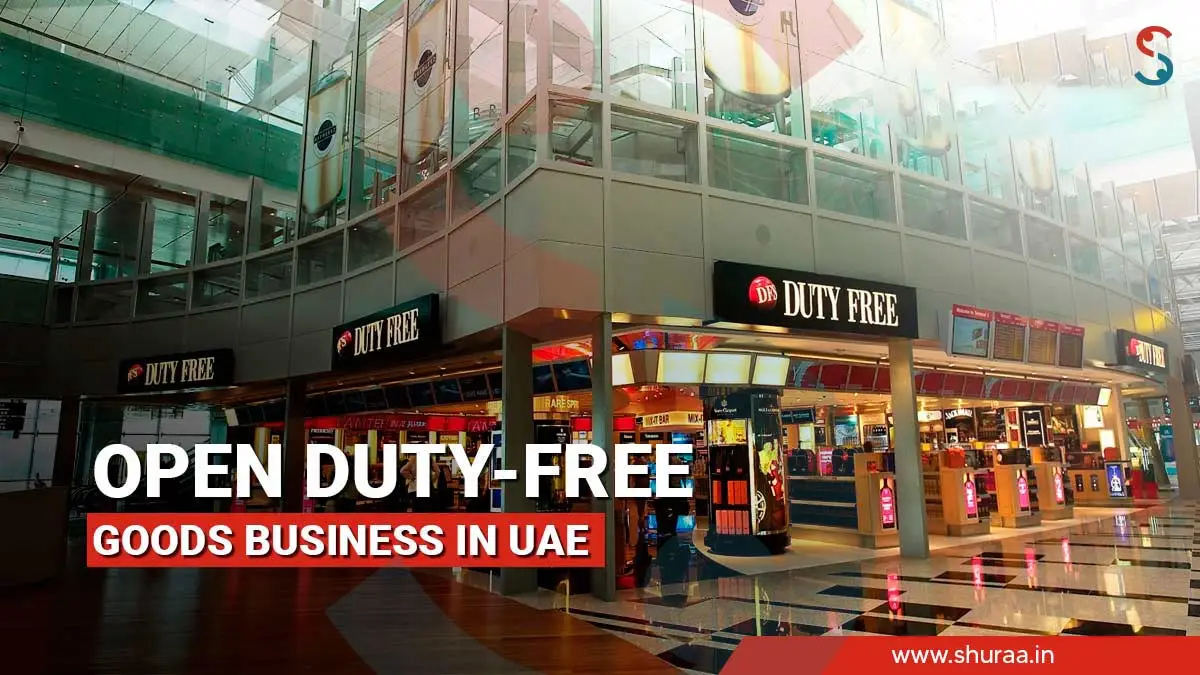
    Its intention to pursue bilateral economic agreements with countries like India, the United Kingdom, and Indonesia is a positive sign for businesses in both the UAE and the respective countries. One such bilateral economic agreement of the UAE with India has now come into force in early May 2022, allowing open duty-free goods in UAE.  

    The Comprehensive Economic Partnership Agreement (CEPA) signed by India and UAE aims to increase the bilateral trade from the present $60 billion to a whopping $100 billion in the next five years. This pact is believed to open new doors for both nations, helping them expand in the export sector and make the best of their strengths. Let’s now look at the expected trade benefits, followed by how you can make the most of them. 

    Key Sectors Benefiting from CEPA

    Amongst the many sectors that will be affected by this pact, the following are some of the prominent ones with the expected impact: 

    • Textiles and garments – The textile industry can expect extra exports worth approximately $2 billion.
    • Gems and jewelry – the export of gold jewelry, to be specific, is expected to surge to $10 billion by 2023-2024 from $1.2 billion in 2020-2021. 
    • Engineering goods – The export of engineering goods is likely to double, racing a whopping $9.2 billion. 
    • Agriculture – The agriculture sector, also the backbone of the Indian economy, is likely to witness extra exports worth $850 million.
    • Plastics – Plastic exports are expected to witness extra exports amounting to $1.3 billion. 
    • Auto – The auto industry is likely to witness additional exports worth $160 million. 
    • Pharma – The exports of the pharma sector may increase at 26 to 28% CAGR, hitting the $1 billion mark. 
    • Leather and footwear – The leather ad footwear industry is expected to witness additional exports worth $130 million.

    Trade Benefits of CEPA

    To say that the trade benefits of the Comprehensive Economic Partnership Agreement (CEPA) are attractive will be an understatement. Among other benefits, this partnership agreement may create more jobs, which will leave a lasting impact, especially on India. 

    Following are some significant benefits we can expect to see from this pact: 

    • 90% of Indian exports will now be as open duty-free goods in UAE.
    • New Delhi will permit 80% of UAE goods at zero tax.
    • Annual gold imports up to 200 tonnes, or a fourth of its buys from all nations, from the UAE, will be accepted at a concessional tariff by New Delhi. 
    • It may create 500,000 plus new jobs in India across several sectors. These include gems and jewelry, textiles, engineering products, pharma, medical devices, automobiles, leather, sports goods and furniture sectors. 
    • Duty-free access to the UAE markets for Indian gold exporters. UAE, before the pact, levied a 5% customs duty on such products.

    Why Start a Business in the UAE?

    The benefits of setting up a company or investing in a business in the UAE are many. Following are some of the many benefits: 

    1. Expanding Economy 

    In the Gulf, the UAE has the most free trade policy. Furthermore, it has been an open economy with a high per capita income and a large yearly trade surplus for the past 40 years. Also, it is home to some of the world’s biggest companies and successful startups. 

    2. Supportive Government 

    The UAE government wants to boost the economy by attracting international investment. They have also altered their legislative framework for foreign investors. The paperwork is simple, and all legal procedures are expedited. There is little to no paperwork with a straightforward licensing and registration process.

    3. Skilled Workforce 

    The UAE hosts skilled and unskilled workers from all over the world. These workers come with diverse experiences and talents. As a result, company owners in the UAE do not need to be concerned about finding workers to manage their operations. 

    It is a very favourable climate for both companies and employees because of cheap taxes and high earnings. Furthermore, you can also sponsor visas if you are hiring from outside the UAE. The process for the same is again simple and essay to complete. 

    4. Favorable Tax System

    The United Arab Emirates offers a variety of business ownership and tax structures. One that sticks out is the free zones, which offer tax breaks of 100%. There is no need to pay any further fees for clearing in the event of a corporate collapse. You have the option to withdraw your entire investment and earnings.

    5. Strategic Location

    The United Arab Emirates is strategically placed at the intersection of East-West, Europe-Asian trade lines with advanced sea and air transport firms, ports, and airports. They are connected to all of the major international transport centres and can convey products to and from anywhere.

    Furthermore, the UAE’s geographic location provides for rapid access to the nation from several countries, and residents of the UAE may easily travel to any country in Europe, Asia, or Africa.

    How to Start a Business in the UAE

    Now that most Indian goods are open duty-free goods in UAE, businesses in India and UAE are likely to skyrocket for the best. As a result, if you want to set up your own small business company or invest in a business in UAE, the right is right. 

    The process to set up a business is straightforward. Following is a general overview of the same: 

    • Select Your Business Activity: Determine your trade or professional service.
    • Choose a Company Structure: Options include LLCs, free zone companies, or branch offices.
    • Decide on a Trade Name: Ensure it complies with UAE regulations.
    • Select a Location: Mainland or free zone setup depends on your business requirements.
    • Apply for a License: Choose the appropriate license based on your activity.
    • Open a Bank Account and Hire Staff: Begin operations smoothly once all legal requirements are met

    Start Your Business in the UAE with Shuraa India

    Setting up a business or a company is a simple process. However, you must be aware of all the rules. Furthermore, since the UAE offers several licenses, you must decide which business license suits your trade activity the best. You will also have to submit a couple of documents for obtaining a license. Any small mishap in the documentation or a delay can hamper your business license. But worry not. Shuraa experts can help you. 

    Experts at Shuraa India know everything about the processes, documentation needs, and time frames. We will help you set up your business or your company in the most efficient manner. Furthermore, we will also ensure that you are not overpaying for your licenses. All you need to do is give us a call and let us take care of the rest.

  • Trade Name Registration in Dubai

    Trade Name Registration in Dubai

    Given the commendable infrastructure, diverse cultural environment, lucrative business environment, and ease of business setup in the UAE, more and more entrepreneurs are going for trade name registration in the UAE.  

    Although the process of setting up a company in Dubai may seem intimidating to a few, it is pretty straightforward, and if you get the right help and guidance, you can complete it in a matter of days.  

    One of the company formation steps is company name registration in Dubai. The process is pretty simple and only takes around one to two days. However, there are specific guidelines and naming requirements you must comply with for your company name approval. This blog will walk you through all there is to know about trade name registration in UAE 

    What Is Trade Name Registration in the UAE?

    If you want to operate a business entity legally in the UAE, trade name registration in Dubai is a mandatory requirement. Trade name registration helps distinguish companies from each other and indicates the nature of the business. You must register your company name with the Department of Economic Development, complying with the established guidelines that you will read ahead.  

    Guidelines for Trade Name Registration in Dubai

    To ensure your business name is approved by the Dubai Department of Economy and Tourism (DET), you must follow specific rules for trade name registration in Dubai. Here are the key guidelines you need to know:

    1. Avoid Duplicate Names

    Before submitting your trade name, check if it’s already in use. Duplicate names won’t be approved by the Dubai Department of Economy and Tourism (DET), and may even lead to legal issues such as copyright infringement.

    2. Skip the Abbreviations

    Using abbreviations can confuse customers and obscure what your business does. Choose a clear and descriptive name that reflects your brand identity.

    3. No Offensive or Inappropriate Words

    Your trade name should not contain foul language or anything that could offend public morals or sentiments. Keep it professional, clean, and respectful.

    4. Avoid Religious or Cultural References

    Trade names must not include references to God, religion, caste, community, or gender. Stick to neutral, business-relevant terminology.

    5. Include Your Business Structure

    Your company name should end with a legal business acronym like LLC, FZE, or Services to indicate your structure and avoid rejection during registration.

    6. Premium Names Cost Extra

    If your trade name includes special words like “Gulf,” Arabic names, or geographical regions, DET will classify it as a premium trade name—which means higher fees.

    7. No “Universal” or “International” Starters

    Avoid starting your name with words like “International,” “Middle East,” “Global,” or their Arabic equivalents. These are restricted and could lead to disapproval.

    8. Using Personal Names

    You can name your company after a person, but it must include the full name. Using only a surname is not allowed, though using a full first and last name is acceptable.

    Step-by-Step Process of Trade Name Registration in Dubai

    Step-by-step guide for Trade Name Registration in Dubai, UAE:

    1. Choose a Suitable Name:

    Select a name reflecting your business activity. Ensure it’s unique and complies with DET guidelines. Avoid religious, political, or offensive terms to prevent rejection.

    2. Check Name Availability:

    Verify the name’s availability through the DET’s online portal or service centers. This step confirms no other business uses your chosen name. It’s quick and prevents future conflicts.

    3. Submit Application:

    Apply online via the Invest in Dubai platform or in person at DET offices. Include the required documents and pay the registration fee. The process is streamlined for efficiency.

    4. Await Approval:

    The DET reviews your application within a few days. Upon approval, you receive a trade name certificate. This certificate is valid for six months, requiring renewal if unused.

    5. Complete Licensing:

    Use the approved name to proceed with trade license formalities. This step finalizes your business setup. Ensure timely action to avoid name cancellation.

    Cost of Trade Name Registration in Dubai

    The cost of registering your trade name depends on the emirate in which you want to incorporate your business. Also, it depends on the type of trade name that you choose. In Dubai, for reference, the Department of Economy and Tourism (DET) handles trade name registration.  

    The best part? Trade name registration costs in Dubai are affordable. It can be anywhere between AED 620 and AED 2000, depending on the use of foreign names, numerical words, or regional references. 

    If you wish to register a trademark for your company, it can cost you anywhere near AED 8,700 in the UAE. This cost does not include the publishing fee. You must pay an additional fee of AED 1,000 for publishing the trademark in the official journal. 

    Validity of a Registered Trade Name

    A registered trade name is valid for six months in the UAE. After six months, the trade name certificate will expire, and you must reserve the trade name again. Note that you have to pay the registration fee again to get it renewed.  

    Fast-Track Trade Name Registration with Shuraa India

    Now that you’ve read this blog, you know that the process is quite simple and easy to follow. All you need to do is make sure to follow the steps carefully and ensure the information you submit to DET is accurate.

    Moreover, comply with the established guidelines, you can easily register your company name in Dubai. You can fasten the process of trade name registration in Dubai by partnering with company formation experts. They’re well-versed in the process and can complete it much faster than you would by yourself. 

    The company formation experts at Shuraa India have a thorough knowledge of all the steps involved in the company formation process. If you partner with them, they will walk you through the process, explain all the legal guidelines of trade name registration and acquire necessary permission on your behalf.  

    Moreover, they will complete the process in just a few hours, which could otherwise take up to 2 days. What’s best is that they will get it done at the least possible cost. To seek help from the Shuraa, all you need to do is call us, share all your business details and requirements, and we will take care of the rest.  

  • How to Setup a Yoga Center in Dubai?

    How to Setup a Yoga Center in Dubai?

    Yoga has gained immense popularity over the years, and today, over 300 million people practice yoga worldwide. The capital city of the UAE is not behind in this trend, and given the health-oriented population of Dubai, there is a massive business opportunity for new yoga centers. With more and more people drawn toward yoga each passing day, setting up a yoga studio in Dubai seems like a good idea. 

    There are numerous reasons and advantages to setting up a yoga studio in Dubai. This blog will walk you through the benefits, procedures, and costs of opening a yoga studio in Dubai. Let’s dive in. 

    Understanding Legal Requirements

    Opening a yoga studio in Dubai requires a clear understanding of the legal requirements to operate smoothly and avoid any regulatory issues. The first and foremost step is obtaining a Yoga license in Dubai, which ensures your business is legally recognized and compliant with local laws. Without this license, running a yoga studio in the UAE can lead to fines or business closure.

    Yoga Studio License in Dubai

    A Yoga license in Dubai is mandatory for all yoga centers. This license involves approvals from relevant authorities, including the Dubai Municipality and the Ministry of Public Health. Additionally, your studio may need authorization from the Yoga and Sports Welfare Department since yoga is considered a recognized sport in the UAE.

    Types of Business Structures

    Choosing the right business structure is crucial. Most yoga entrepreneurs in Dubai prefer an LLC (Limited Liability Company) because it allows broader business operations and future expansion. Alternatively, sole proprietorships or partnerships are options for smaller setups, though they may have limitations in scaling your yoga business.

    Free Zone vs Mainland Setup

    You can register your yoga studio either in a free zone or on the mainland. Free zones offer 100% foreign ownership and simplified setup procedures, while mainland setups provide access to a larger local audience and the ability to operate across Dubai without restrictions.

    Compliance and Regulations

    Maintaining health, safety, and hygiene standards is essential. Your yoga studio must adhere to UAE regulations regarding fire safety, sanitation, and instructor qualifications. Following these rules not only ensures smooth operations but also builds trust among clients.

    By understanding and fulfilling these legal requirements, obtaining a Yoga license in Dubai becomes a straightforward process, setting a solid foundation for your yoga business.

    Open your Dubai yoga studio — free license & permit cost plan

    Benefits of Setting up a Yoga Studio in Dubai

    If you are a well-trained yoga professional and wish to open a yoga studio in Dubai, you will enjoy various benefits. Here are a few prominent ones: 

    1. High Demand for Fitness:

    The population of Dubai tends to be aware of their looks, and yoga is one of the things that keeps them looking fit and healthy. Therefore, yoga centers are in high demand in Dubai.

    2. Large Indian Community:

    Approximately 27.5% of Dubai’s population is Indian. You can leverage this, as many Indians choose yoga as their mode of exercise because of its Indian roots, creating a vast market for yoga studios.

    3. Global Popularity of Yoga:

    Yoga is not just an Indian thing. It has become a necessity and way of life in Western culture for people across the globe, including Dubai. Hence, you will easily find an extensive clientele if you set up a yoga center in Dubai.

    4. Post-COVID Demand:

    After the COVID-19 pandemic, yoga has drawn many followers as it includes breathing exercises to increase lung capacity. This is why many yoga instructors and centers expanded to an online presence, attracting even more customers.

    5. Government Support and Incentives:

    Since yoga comes under health and wellness, yoga centers are considered health-related organizations. Thus, they get immense support from the Dubai government along with exciting incentives.

    6. Expansion Potential:

    Another perk of getting a yoga license in Dubai is that you can extend the branches of your center to other emirates of the UAE in the future with ease.

    Now that you know the benefits, check out the yoga studio setup process. 

    Documents Required to Open a Yoga Studio in Dubai

    Here’s a list of documents required to open a yoga studio in Dubai:

    • Passport copies of owner(s)
    • UAE residence visa copies of the owner(s)
    • No Objection Certificate (NOC) from the landlord
    • Yoga instructor professional certification
    • Experience certificates or letters (if applicable)
    • Detailed business plan
    • Proposed studio layout/floor plan
    • Health & safety approvals (hygiene, fire safety, MOHAP approval)
    • Trade name approval from Dubai Department of Economy and Tourism (DET)
    • Passport-size photographs of owner(s)
    • Bank reference letter (optional)
    • Power of Attorney (if using a consultant)

    How to Set Up a Yoga Center in Dubai, UAE

    The process of setting up a yoga studio in Dubai is quite straightforward. Here is what you need to do: 

    1. Decide the Legal Structure

    The first step is to decide the legal structure of your yoga studio. Although you can choose to set up a yoga center in Dubai as a partnership or a proprietorship, an LLC is considered the best business unit in the UAE. This is because LLC gives you a broader scope to do business and further establish it in other cities.  

    2. Choose Your Location

    Next, you must choose an appropriate location for your yoga center. It is best to do some research and find out where yoga is high in demand among people. Residential areas with less competition are the best in this case. You can choose to open a yoga studio in the Dubai mainland region.  

    3. Get Approval

    Once you have selected the right location, you need to get the necessary approvals. To open a yoga studio in Dubai, you must get approvals from two different departments. The first department is the Yoga and Sports Welfare department since yoga is classified as a sport.  

    Furthermore, you need a second approval from the Ministry of Public Health, considering the health and wellness advantages of yoga for the general public. Depending on the third-party operation approvals, it takes about 2 to 3 weeks to complete the configuration process.  

    4. Gather Necessary Documents

    After getting the approvals, you must gather other necessary documents. The list of documents includes your professional experience certificate or any other recognition letter, passport, visa copies, and a couple of other documents.  

    A business consultant can help you with all the required documents and also help you get them approved to get your yoga license in Dubai. 

    5. Open A Bank Account

    You must open a corporate bank account now that you have submitted the documents and got the necessary approvals. If your business is licensed, you’ll have to make sure your customers can easily make cash and online payments.  

    Therefore, a corporate bank account can help with seamless transactions and help you keep a record of them all. Note that it can take up to 4 weeks to open a bank account in Dubai.  

    Shuraa India has helped 100+ fitness and wellness centres get licensed in Dubai — from DHA to trade license, full support

    What is The Cost of Opening a Yoga Studio in Dubai? 

    Starting a yoga studio in Dubai is a profitable venture with relatively low investment. The total cost to set up a yoga studio, including obtaining a yoga license, ranges from AED 25,000 to AED 50,000, depending on the location, size, and facilities of your studio.

    While some yoga instructors prefer open-air sessions with minimal setup, many customers prefer air-conditioned studios for comfort. This makes a well-equipped yoga studio more appealing and can attract a larger clientele.

    Investing in proper space, equipment, and licenses ensures your yoga business is professional, compliant, and ready to grow in Dubai’s booming wellness market.

    Connect With Shuraa India

    Given yoga’s positive growth and rising popularity, set up a yoga studio in Dubai will help you reap significant profits. And now that you are well aware of the process of setting up a yoga studio in Dubai, you can establish one of your own within a few weeks. You can reduce this time further by seeking help from a business setup consultant.  

    The business setup professionals at Shuraa India are highly experienced and can help you establish a yoga center in Dubai with ease. They will guide you at every step, help you prepare a proper business plan, and even clear all your doubts if you have any.  

    Moreover, they will also help you gather all the essential documents and get the necessary approvals from the concerned departments. It usually takes around 6 to 8 weeks to set up a yoga center in Dubai.  

    However, the business consultants at Shuraa India can speed up the process, and you can set up your studio in a comparatively lesser time. All you need to do is call us, tell us all your requirements, and we will take care of it.  

  • How to Start Interior Design Company in Dubai?

    How to Start Interior Design Company in Dubai?

    A business setup in Dubai is always lucrative. The advanced technology, seamless connectivity to different parts of the world, and top-notch and driven professionals with outstanding foreign investments make it a favorite spot for starting a business. As a result, Dubai is home to some of the world’s most successful businesses and organizations! 

    Dubai is also a city with one of the most iconic architectures of all time. Art and design have drawn attention because of the improved standard of living and increased income. No wonder the Interior Design Business in Dubai is picking up its pace. 

    So if you want to start an Interior Design Company in Dubai, the time is ripe! The process of acquiring an interior design business license is simple and straightforward. 

    What is an Interior Design Business?

    An interior design business creates functional and aesthetically pleasing spaces for clients, including homes, offices, or commercial properties. It involves planning, designing, and executing projects to meet clients’ needs and preferences.

    Types of Interior Design

    • Residential: Focuses on homes, apartments, and villas, emphasizing comfort and personalization.
    • Commercial: Designs offices, retail spaces, and restaurants for functionality and brand identity.
    • Hospitality: Creates inviting spaces for hotels, cafes, and resorts to enhance guest experiences.
    • Sustainable: Prioritizes eco-friendly materials and energy-efficient designs for environmentally conscious clients.

    Benefits of starting an Interior Design Company in Dubai

    The benefits of setting up a business in Dubai are many. The following are some of the advantages of establishing an interior design company in Dubai: 

    1. High Demand for Luxury Design

    Dubai is synonymous with opulence, driving demand for high-end interior design. From lavish villas to sleek corporate offices, clients seek bespoke solutions. This creates a steady stream of projects for skilled designers.

    2. Booming Real Estate Market

    The city’s real estate sector is flourishing, with new developments constantly emerging. Interior designers are essential for transforming properties into stunning, functional spaces. This growth ensures a consistent client base.

    3. Tax-Free Business Environment

    Dubai offers a tax-free business setup, maximizing profits for new companies. Low operational costs and government incentives further ease the financial burden. Entrepreneurs can reinvest earnings to scale their ventures.

    4. Global Exposure and Networking

    Dubai attracts a diverse, international clientele, offering global exposure. Events like Dubai Design Week foster networking with industry leaders. This visibility helps build a strong brand reputation.

    Launch your Dubai interior design firm — free license cost plan

    Documents Required

    Documents Required to Start an Interior Design Company in Dubai in 2026

    • Passport copies of business owners and partners
    • Business plan outlining services and goals
    • Trade license application form
    • Memorandum of Association (MOA) for LLCs
    • Lease agreement for office space
    • No Objection Certificate (NOC) from the sponsor, if applicable
    • Approvals from Dubai Municipality or other authorities

    How to Start an Interior Design Company in Dubai?

    Steps to Start an Interior Design Company in Dubai, UAE:

    Step 1: Define Your Interior Design Services

    Decide on the services you’ll offer, such as residential design, commercial projects, or space planning. Consider including consultations, 3D renderings, or project management. Clear service offerings attract the right clients.

    Step 2: Identify Your Niche and Style

    Choose a niche like luxury residential, eco-friendly designs, or corporate interiors to stand out. Develop a signature style that reflects Dubai’s modern and opulent aesthetic. A focused niche builds brand recognition.

    Step 3: Choose and Register a Business Name

    Select a unique, memorable name that reflects your brand’s vision. Ensure it’s available through the Dubai Department of Economy and Tourism (DET). Register the name to secure your business identity.

    Step 4: Select Your Business Structure

    Choose between a sole proprietorship, LLC, or free zone setup based on your goals. Free zones like Dubai Design District (D3) offer tax benefits. Consult a legal expert for guidance.

    Step 5: Obtain Initial Approval and Register Your Business

    Apply for initial approval from the DET or relevant free zone authority. Submit your business plan and required documents. Once approved, finalize registration to obtain your trade license.

    Step 6: Secure a Business Location and Office Space

    Select a strategic location, such as Dubai Design District or Business Bay, for visibility. Rent or purchase office space that suits your budget. Ensure it’s accessible for clients and staff.

    Step 7: Obtain Additional Approvals

    Secure approvals from authorities like the Dubai Municipality for office fit-outs. If offering specialized services, check for additional permits. Compliance ensures smooth operations and avoids legal issues.

    Step 8: Open a Corporate Bank Account

    Open a business bank account with a reputable UAE bank. Provide your trade license and other documents. A corporate account simplifies financial management and transactions.

    Step 9: Build a Professional Website and Portfolio

    Create a user-friendly website showcasing your services, portfolio, and contact details. Include high-quality images of past projects or mock-ups. A strong online presence builds credibility and attracts clients.

    Step 10: Set Pricing and Promote Your Business

    Research market rates to set competitive pricing for your services. Use social media, SEO, and networking events to market your brand. Offer promotions to attract initial clients and build momentum.

    Step 11: Establish Industry Connections

    Network with architects, contractors, and suppliers to build partnerships. Join organizations like the Dubai Interior Design Association for credibility. Strong connections lead to referrals and collaborative opportunities.

    We’ve licensed 400+ creative & design businesses in Dubai — get a free setup plan for your interior design company

    Cost of an Interior Design License in Dubai

    The cost to obtain an interior design license in Dubai typically ranges from AED 15,000 to AED 20,000, depending on the business setup, location (mainland or free zone), and additional services included in the package. This investment allows you to legally operate and offer interior design services across the UAE.

    Get Your Interior Design License With Shuraa India

    Interior design is a booming field and is expected to grow in leaps and bounds. Although the process for applying for a license is simple and ironed out, you must not take any risks. A small mishap with the documentation or information can negatively impact your business plans. Hence, it is better to consult the experts and let them help you in the licensing process. 

    Experts at Shuraa India are well-versed with the details, process, documentation requirements, and rules of the Dubai government. They will assist you in every step in the process of obtaining a license to start an Interior Design Company in Dubai. Get in touch with us, and let us take care of the rest! 

  • How to start a cloud kitchen in Dubai

    How to start a cloud kitchen in Dubai

    Thinking about how to start a cloud kitchen in Dubai? With the city’s Succeeding food delivery market and increasing demand for quick, delicious meals, now is the perfect time to dive into this innovative business model. Cloud kitchens, also known as ghost kitchens, operate without a dine-in space, focusing entirely on delivery, significantly reducing overhead costs. 

    Did you know that Dubai’s food delivery market is projected to grow by over 8% annually? This makes it an ideal hotspot for cloud kitchens to thrive. Whether you’re an aspiring chef, a seasoned restaurateur, or an entrepreneur looking to dive into the F&B sector, this guide will walk you through every step to start a cloud kitchen in Dubai and turn your culinary dream into a reality. 

    What is a Cloud Kitchen? 

    A Cloud Kitchen, a virtual kitchen, is a delivery-only restaurant model without a traditional dine-in space. It focuses solely on preparing food for delivery and leverages online platforms and delivery services to reach customers. Suppose you’re looking to start a cloud kitchen in Dubai.  

    In that case, you’ll need to focus on key elements like obtaining the correct licenses, finding a cost-effective kitchen space, partnering with food delivery platforms, and maintaining a strong online presence to attract customers. 

    Is It Profitable to Start a Cloud Kitchen in Dubai? 

    Yes, it is highly profitable to start a cloud kitchen in Dubai, thanks to the city’s quick food delivery market and supportive business environment. Here’s why this business model thrives in Dubai: 

    1. Lower Operating Costs 

    Cloud kitchens eliminate the need for dine-in facilities, significantly reducing rental, utility, and staffing costs. This lets business owners focus on efficient kitchen operations and high-quality food preparation. 

    2. Rising Demand for Food Delivery 

    Dubai’s fast-paced lifestyle has increased the demand for food delivery services. Partnering with platforms like Deliveroo, Talabat, and Zomato helps reach a large customer base without needing a physical restaurant. 

    3. Diverse Culinary Market 

    Dubai’s multicultural population creates opportunities to cater to various tastes and preferences. When you set up a cloud kitchen in Dubai, you can explore specialised cuisines, such as vegan, gluten-free, and international dishes, to meet specific market demands. 

    4. Scalability and Flexibility 

    One significant advantage of a cloud kitchen is the ability to operate multiple virtual restaurant brands under one roof. This flexibility allows you to experiment with different menus and expand your offerings with minimal additional costs. 

    5. Streamlined Setup Process 

    Starting a cloud kitchen in Dubai is straightforward, especially with the guidance of business setup consultants like Shuraa India. We help you quickly navigate trade licenses, Dubai Municipality approvals, and food safety regulations. 

    Key Challenges: 

    The key challenges are as follows:  

    • High Competition: A well-planned marketing and branding strategy is crucial to stand out. 
    • Delivery Fees: Delivery platforms charge commissions that can impact your margins. 
    • Strict Compliance: Following food safety and hygiene standards is mandatory to avoid fines. 

    To start a cloud kitchen in Dubai, focus on innovation, streamlined operations, and partnerships with reliable delivery platforms. With careful planning, this business model offers excellent potential for growth and profitability in Dubai’s thriving food market. 

    Benefits of Starting a Cloud Kitchen in Dubai  

    The cloud kitchen format offers many opportunities to Indian entrepreneurs while keeping operating costs under control. Obtaining a cloud kitchen license in Dubai has some benefits.  

    1. Cost-Effective Startup Model 

    Cloud kitchens have much-reduced startup expenses compared to typical brick-and-mortar restaurants. Moreover, they require less space, fewer employees, and fewer extras like signage and advertising.  

    2. Minimised Risk for New Concepts 

    Cloud kitchens can also provide a low-risk platform for existing restaurants to test new foods or concepts before introducing them in their physical locations.  

    3. Diverse Expansion Potential 

    A cloud kitchen allows restaurateurs to try out alternative concepts and forms. It has inspired many food delivery business models, including multi-brand kitchens, aggregator-managed cloud kitchens, and co-working spaces.  

    4. Enhanced Menu Flexibility 

    Unlike a restaurant, the menu in a cloud kitchen can be changed more quickly. There’s no need to spend time and money replacing physical menus when you can change them digitally in minutes. Besides, you can quickly adjust the menu if a specific item is insufficiently in stock.   

    5. Streamlined Operational Efficiency 

    Cloud kitchens are more popular than restaurants. Restaurants find catering to dine-in guests and delivery requests during busy hours challenging. On the other hand, the cloud kitchen business is more efficient because it focuses on the delivery-only strategy. The delivery process is much quicker and simpler.  

    Types of Cloud Kitchen License in the UAE 

    Depending on the specific operations and jurisdiction, several licenses are required to establish a cloud kitchen in the UAE. Here are the main types: 

    Food License 

    • Issued by: Dubai Municipality or equivalent authority in other emirates. 
    • Purpose: Ensures compliance with food safety and hygiene regulations. 
    • Requirements: 
    • Approval of kitchen layout. 
    • Proper ventilation and waste management systems. 
    • Adherence to food storage and preparation standards. 

    Trade License 

    • Issued by: Dubai Department of Economy and Tourism (DET) or free zone authorities. 
    • Purpose: Allows the operation of the cloud kitchen business. 
    • Types: 
    • Mainland Trade License: For operating in the UAE mainland. 
    • Free Zone Trade License: For operating within a specific free zone. 

    Foodstuff Supply License 

    • Issued by: Municipality or Dubai Department of Economy and Tourism (DET). 
    • Purpose: Permits the purchase, storage, and sale of food supplies. 

    Delivery Service Permit 

    • Issued by: Roads and Transport Authority (RTA) or relevant authorities. 
    • Purpose: Required if the cloud kitchen manages its delivery fleet. 
    • Requirements: Vehicle registration and adherence to delivery safety guidelines. 

    Central Production Unit License (Optional) 

    • Issued by: Municipality or Free Zone Authority. 
    • Purpose: For kitchens producing large quantities of food for multiple brands or outlets. 

    Halal Certification (if applicable) 

    • Issued by: UAE Halal Certification Authority. 
    • Purpose: Ensures food products comply with halal standards. 

    Additional Permits and Approvals 

    Additional permits and approvals are as follows:  

    • NOC from Civil Defense: For fire safety compliance. 
    • Signage Permit: This is for advertising the cloud kitchen. 
    • Third-party Aggregator Registration: To list your kitchen on platforms like Deliveroo or Talabat. 

    Key Considerations 

    The key considerations are as follows:  

    • The location of the kitchen (mainland or free zone) affects the type of trade license required. 
    • Some free zones, such as Dubai Production City or Dubai Silicon Oasis, specialise in F&B businesses and offer dedicated packages for cloud kitchens. 

    How to start a cloud kitchen in Dubai, UAE

    To start a cloud kitchen in Dubai, follow these detailed steps to ensure a smooth and legal process: 

    Step 1: Conduct Market Research 

    Before you start a cloud kitchen in Dubai, it’s essential to understand the market. Research the types of food people are ordering, the delivery trends, and what your competitors are offering.  

    This will help you decide what kind of menu to create and how to stand out. You can gather this information through online surveys, social media, or analysing popular food delivery apps in Dubai. 

    Step 2: Choose a Business Structure 

    To start a cloud kitchen in Dubai, choose a business structure that fits your goals.  

    Here are some options: 

    Shuraa India can help you pick the best option based on your needs. 

    Step 3: Select a Location 

    When you start a cloud kitchen in Dubai, location still matters, even though you won’t have a physical restaurant. Look for a spot close to high-demand areas for food delivery.  

    You can rent a commercial kitchen or partner with a shared kitchen space. Make sure the location has the proper licenses and is accessible for delivery drivers. 

    Step 4: Obtain Necessary Licenses 

    You need a few essential licenses to set up a cloud kitchen in Dubai legally. These usually include: 

    • Food License: Issued by the Dubai Municipality. 
    • Trade License: Issued by the Dubai Department of Economy and Tourism (DET). 
    • Food Safety Certification: To make sure your kitchen meets hygiene standards. 

    Consult with a local consultant like Shuraa India to ensure you get all the proper licenses. 

    Step 5: Register Your Business 

    Once you have your licenses, you must register your cloud kitchen with the authorities in Dubai. You’ll provide your business name, structure, and ownership details. Make sure your business name is unique and complies with Dubai’s naming rules. 

    Step 6: Design and Equip the Kitchen 

    The kitchen layout is crucial for a cloud kitchen. It should be equipped with cooking, storing, and packaging appliances.  

    Invest in high-quality kitchen tools and organise everything to cook efficiently. Dubai regulations mandate that your kitchen must meet hygiene and safety standards. 

    Step 7: Create a Menu and Pricing Strategy 

    Your menu is key to attracting customers when starting a cloud kitchen. Keep it simple yet appealing. Offer popular dishes, but avoid having too many items that complicate kitchen operations.  

    Pricing should cover food costs and delivery charges while giving you a good profit margin. Make sure your pricing is competitive but still reflects the quality of your food. 

    Step 8: Partner with Delivery Platforms 

    You must partner with delivery platforms to get your food out there. Major apps like Uber Eats, Zomato, and Talabat can help you reach a wider audience.  

    These platforms handle the logistics, allowing you to focus on food preparation. You can also consider creating your delivery system if you have the budget. 

    Step 9: Comply with Health and Safety Standards 

    Dubai has strict health and safety regulations. Therefore, following all food safety guidelines is essential when starting a cloud kitchen in Dubai.  

    This includes keeping the kitchen clean, storing food properly, and ensuring hygiene. The Dubai Municipality will inspect you to ensure you meet these standards, so train your staff correctly. 

    Step 10: Market Your Cloud Kitchen 

    To get customers when you start a cloud kitchen in Dubai, you need to market your business. Use social media platforms like Instagram and Facebook to show off your food and engage with your audience.  

    You can also use Google ads or partner with food bloggers to get the word out. Offering discounts or special deals is a good way to attract first-time customers. 

    Step 11: Hire Staff 

    Even though you won’t have customers dining in, you still need a strong team. Hire chefs, kitchen assistants, and delivery staff to ensure everything runs smoothly.  

    The quality of food and service is essential for getting repeat customers, so pick your staff carefully. You can also consider working with a third-party delivery service to handle the delivery side. 

    Step 12: Maintain Financial Records 

    Managing your finances is crucial when starting a cloud kitchen in Dubai. Track all expenses, including rent, salaries, food ingredients, and delivery commissions.  

    Having an accountant or using accounting software can help you stay organised and ensure you’re making a profit. Accurate financial records will also help with tax compliance. 

    By following these simple steps, you can successfully start a cloud kitchen in Dubai and take advantage of the city’s growing demand for food delivery. Stay compliant with regulations, keep your operations efficient, and market your business well to ensure long-term success. 

    Documents required to start a cloud kitchen in Dubai 

    Below are the documents required to start a cloud kitchen in Dubai, UAE: 

    • Emirates ID 
    • A valid Passport 
    • Passport-sized photographs 
    • Business plan  
    • Trade Name Approval 
    • Food License 
    • Health and Safety Inspection Approval 

    Consulting with a local business setup consultant or legal professional is recommended to ensure you meet all the requirements for your specific case. 

    Cost to Start a Cloud Kitchen in Dubai, UAE 

    Setting up a cloud kitchen in Dubai involves government and licensing fees between AED 15,000 and AED 25,000. This covers your DET trade license, Dubai Municipality food license, safety certifications, Civil Defense approval, and mandatory registrations.

    Your actual cloud kitchen license cost depends on business structure, kitchen capacity, and operational needs. Getting the right permits is crucial for a smooth cloud kitchen startup in Dubai. Missing approvals can delay your launch and increase expenses.

    Need clarity on licensing fees? Connect with our consultants for a detailed, customized cost breakdown and hassle-free setup guidance.

    Start a Cloud Kitchen in Dubai with Shuraa India!  

    In conclusion, starting a cloud kitchen in Dubai is an excellent opportunity due to the city’s growing demand for food delivery. With lower operating costs and the ability to scale quickly, cloud kitchens allow entrepreneurs to experiment with different food concepts. Following the steps outlined in this guide and ensuring compliance with local laws, you can set up a successful cloud kitchen in Dubai’s thriving food market. 

    Shuraa India can make the process easier by providing expert guidance on obtaining the necessary licenses, navigating Dubai’s regulations, and ensuring a smooth setup. Their team can help you choose the proper business structure, secure the appropriate permits, and handle all legal requirements so you can confidently focus on growing your cloud kitchen business. 

  • How to Start a Textile Business in Dubai

    How to Start a Textile Business in Dubai

    The UAE is a famous destination for Indian businessmen and investors to start a textile business in Dubai. From manufacturing, producing, and selling, every business in Dubai is one of the best profit-making grounds in the world. Furthermore, starting a business in the UAE has become very easy after the announcement of full ownership for foreign investors and business owners. Moreover, the textile sector has been flourishing in recent years and is highly profitable.  

    Dubai’s textile industry is the 2nd largest industry after the oil-based industry in UAE. With this, the textile business has opened many opportunities for local and international investors. So, if you are an Indian investor or entrepreneur having expertise in the textile sector, Textile Business Setup in Dubai is the perfect fit for you. In this blog, you will get details on the benefits, step-by-step process, documents needed, and cost of doing a textile business in Dubai.  

    Benefits of Starting a Textile Business in Dubai

    There are several benefits that Indian investors and businessmen can enjoy in establishing a textile-based business in Dubai. Have a look at the 6 key advantages of doing Textile Business Setup in Dubai.  

    1. Mass Population

    Dubai is one of the favorite tourist destinations among people all over the world. Furthermore, Dubai is home to foreign investors coming from varied nationalities with different tastes. Businessmen in Dubai enjoy catering to the needs of people with different choices. With a big audience, diverse markets, and increased business turnovers, the textile business in Dubai is an excellent option among Indian and foreign investors and businessmen.  

    2. Attaining a Textile License is Easy 

    A trade license is a legal necessity that has to be owned by any business set-up that wants to carry out its activities. The textile or any business license in Dubai is issued by the Dubai Department of Economy and Tourism (DET) after complete verification of proposed documents.  

    3. Absolute Repatriation of Capital & Profits 

    Most entrepreneurs stress over the additional capital that they have to pay at the time of establishing or exiting their business. However, Dubai offers full repatriation of capital invested and profits made. So, when it is to the textile business setup in Dubai, you can be stress-free. 

    4. Benefits in Taxation 

    With 0% personal, business, or income taxation, the UAE serves as one of the most tax-friendly places around the globe. So, when it is about payment of textile business tax, Indian investors stay tension-free as Dubai offers complete tax relief.  

    5. Easy Business Setup Procedure 

    Dubai’s government has been taking several steps to make the business establishing process easy for its Indian and foreign investors. With help of business consultancy firms, you can ease the setting up of your textile business. Nowadays, many Indian investors prefer to choose business setup professionals as it is advantageous and time-effective.  

    6. Excellent location on the World Map 

    Dubai has one of the world’s best locations which makes global investors prefer this city. Furthermore, Dubai never cuts the supply of products or goods from the neighboring countries. All thanks to its ideal location on the world map, this city serves as a pathway to the surrounding countries and connects itself with the rest of the world. Business owners enjoy easy export-import processes. This further benefits textile businesses to not only grow in Dubai but also scale their business across other countries nearby. 

    Documents Required to Start a Textile Business in Dubai 

    Any businessman wishing to start a textile-based company in Dubai must have the given documents:  

    • Passport copies of the shareholders.  
    • Entry stamp or Visa page.  
    • Passport-size photograph.  

    For more information, reach out to our experts. 

    How to Start a Textile Business in Dubai, UAE

    Starting a textile business in Dubai requires careful planning and adherence to legal requirements. Shuraa India, with over 25 years of experience, simplifies the process by handling documentation, licensing, and more. Follow these steps to establish your venture.

    Step 1: Conduct Market Research

    Understanding Dubai’s textile market is crucial for success. Assess consumer preferences, competitor strategies, and emerging trends. Focus on key areas like market size, growth projections, and demand for specific products such as luxury fabrics or technical textiles.

    • Analyze Demand: Identify high-demand products like knitwear, home textiles, or readymade garments.
    • Study Competitors: Examine established brands and niche players to find market gaps.
    • Explore Trends: Stay updated on fashion trends and sustainable practices to differentiate your offerings.

    Step 2: Define Your Business Activity

    Decide the scope of your textile business. Options include manufacturing, trading, retailing, or e-commerce. Each activity requires specific licenses and approvals, which Shuraa India can help you secure.

    • Manufacturing: Producing fabrics or garments for wholesale or private labels.
    • Trading: Importing and exporting textiles or raw materials.
    • Retail: Operating a physical boutique or online store.
    • E-commerce: Selling textiles via platforms like Shopify or WooCommerce.

    Step 3: Choose a Business Structure

    Select a legal structure that aligns with your goals. Dubai offers several options, each with distinct benefits. Shuraa India’s experts can guide you in choosing the right structure.

    Step 4: Select a Jurisdiction

    Decide whether to set up in Dubai’s mainland, a free zone, or offshore. Each jurisdiction has unique advantages, and Shuraa India can help you evaluate the best fit.

    • Mainland: Allows unrestricted trading across the UAE and internationally. Requires a physical office.
    • Free Zones: Zones like Dubai Textile City or IFZA offer tax exemptions and simplified setups. Ideal for export-focused businesses.
    • Offshore: Suited for holding companies or international trading with no physical presence in the UAE.

    Step 5: Register Your Business Name

    Choose a unique and compliant trade name for your textile business. The UAE has strict naming guidelines, and Shuraa India ensures your name meets all requirements.

    • Avoid offensive, religious, or political terms.
    • Use full names if naming after a person (e.g., “Ahmed Textiles LLC” instead of “A.T. LLC”).
    • Ensure the name is available and aligns with your brand identity.

    Submit the name to the Dubai Department of Economy and Tourism (DET)or relevant free zone authority for approval.

    Step 6: Obtain a Trade License

    A trade license is mandatory for operating a textile business in Dubai. The DET issues licenses for mainland businesses, while free zone authorities handle their respective zones. Shuraa India streamlines the licensing process.

    The license cost ranges from AED 21,000 to AED 25,000, depending on the jurisdiction, business size, and visa quotas. Additional approvals may be required for specific activities like importing or manufacturing.

    Step 7: Secure Necessary Documents

    Prepare and submit the required documents to the DET or free zone authority. Shuraa India ensures all paperwork is accurate and complete to avoid delays.

    Document

    Description

    Passport Copies

    For all shareholders, directors, and managers.

    Visa/Entry Permit

    If applicable, for non-residents.

    Passport-Size Photos

    For shareholders and directors.

    Business Plan

    Outlining goals, operations, and financial projections.

    Memorandum of Association

    Notarized for LLCs or branch offices.

    Trade Name Reservation

    Proof of approved business name.

    Lease Agreement

    For office or warehouse space (EJARI for mainland).

    Initial Approval

    From DET or free zone authority.

    Additional documents may be needed based on your business activity or jurisdiction. Shuraa India’s consultants provide a tailored document checklist.

    Step 8: Arrange Office or Warehouse Space

    Secure a physical location for your business, such as an office, retail store, or warehouse. Mainland businesses require an EJARI (lease agreement), while free zones offer flexible options like virtual offices. Shuraa India assists in finding cost-effective spaces.

    • Mainland: Rent office space in commercial hubs like Sheikh Zayed Road or Business Bay.
    • Free Zones: Use shared facilities in zones like IFZA, RAKEZ, and Ajman.
    • E-commerce: Opt for virtual offices to minimize costs.

    Step 9: Apply for Visas

    Obtain visas for yourself, partners, and employees. The number of visas depends on your license’s visa quota. Shuraa India handles visa applications through the Ministry of Human Resources and Emiratisation (MOHRE).

    Step 10: Open a Corporate Bank Account

    A corporate bank account is essential for business transactions. Dubai offers numerous banks with tailored services for entrepreneurs. Shuraa India facilitates account opening with minimal hassle.

    • Provide your trade license, passport copies, and business plan.
    • Choose banks like Emirates NBD, Mashreq, or HSBC for business-friendly services.
    • Ensure compliance with UAE banking regulations.

    Step 11: Register for VAT (If Applicable)

    If your annual taxable supplies exceed AED 375,000, register for VAT with the Federal Tax Authority. The standard VAT rate is 5%, applied to sales within the UAE. Shuraa India guides you through VAT registration and compliance.

    Step 12: Build a Supply Chain

    Establish a reliable supply chain to ensure smooth operations. Source materials from trusted suppliers and arrange efficient transportation. Shuraa India can connect you with regional suppliers and logistics partners.

    • Suppliers: Partner with manufacturers in India, China, or Bangladesh for cost-effective materials.
    • Quality Control: Implement strict quality checks to meet UAE standards.
    • Logistics: Use Dubai’s world-class ports and airports for seamless distribution.

    Cost to start a textile business in Dubai

    Starting a textile business in Dubai typically costs AED 21,000 to AED 25,000 (around ₹4.7 lakh to ₹5.6 lakh for Indians), depending on the business setup, location, and license type. This cost includes company registration, initial government approvals, and basic licensing, making it an affordable entry point for launching a textile business in the UAE.

    • Business name registration fee 
    • Government fee 
    • Private sponsor fee  
    • Types of textile you wish to manufacture or trade (basic or luxury) 
    • Tenancy security and lease cost.  

    Why Choose Shuraa India for Your Textile Business Setup?

    Shuraa India, with over 26+ years of experience and 100,000+ successful company setups, is your trusted partner for starting a textile business in Dubai. Their comprehensive services ensure a hassle-free process, allowing you to focus on growth.

    • Expert Guidance: Tailored advice on jurisdiction, licensing, and business structure.
    • Documentation Support: Accurate preparation and submission of all paperwork.
    • Cost Optimization: Affordable packages and negotiation with service providers.
    • Ongoing Assistance: PRO services, visa processing, and compliance management.
    • Local Expertise: In-depth knowledge of UAE regulations and market dynamics.

    Get your UAE Textile license with Shuraa India

    Dubai’s garment sector is growing fast, with high demand for luxury products in the market. The UAE’s strong purchasing power and immense affection for luxury create opportunities for Indian entrepreneurs and investors to set up textile companies in Dubai. So, to get an estimate of your business setup needs, it is ideal to approach a professional business consultancy agent. By doing so, you will easily be able to set up a textile business in the UAE from scratch and make it run in a week or so. 

    Click here to book a free consultation with our experts at Shuraa India and know more about setting up your textile business in Dubai.

  • How to Start a Car Wash Business in Dubai

    How to Start a Car Wash Business in Dubai

    Dubai, a thriving hub of luxury and innovation, is home to a booming automotive culture. With over 1.8 million registered vehicles and a growing population of car enthusiasts, the demand for professional car cleaning services is soaring. Launching a car wash business in Dubai offers entrepreneurs a lucrative opportunity to tap into this vibrant market.

    This comprehensive guide, crafted with insights from Shuraa India, outlines the essential steps, costs, and regulations for starting a successful car wash business in Dubai. From obtaining a car wash license in Dubai to choosing the right location, we’ll cover everything you need to know to get your venture off the ground.

    Why Start a Car Wash Business in Dubai?

    Dubai’s unique environment and affluent population make it an ideal location for a car wash business. The city’s desert climate leads to frequent dust accumulation, prompting car owners to seek regular cleaning services. Additionally, the high number of luxury vehicles creates a demand for premium detailing and eco-friendly solutions.

    Key Reasons to Enter the Market

    • High Vehicle Ownership: Dubai has one of the highest car ownership rates globally, with approximately one car per two residents.
    • Luxury Car Culture: The city’s love for high-end vehicles fuels demand for specialized cleaning services.
    • Tourism Boost: Tourists and rental car fleets contribute to the need for frequent car washes.
    • Sustainability Focus: Dubai’s emphasis on eco-friendly practices opens opportunities for waterless or green car wash models.

    By capitalizing on these factors, a car wash business in Dubai can thrive with the right strategy and execution.

    How to Start a Car Wash Business in Dubai, UAE

    Setting up a car wash business in Dubai requires careful planning and adherence to local regulations. Below, we outline the key steps to establish your venture, ensuring compliance and operational success.

    Step 1: Conduct Market Research

    Before diving in, analyze the local car wash industry to understand demand, competition, and customer preferences. Research potential locations, target audiences, and innovative service models like mobile or waterless car washes. This groundwork will shape your business plan and help you stand out in a competitive market.

    • Identify Target Customers: Focus on individual car owners, corporate fleets, or luxury vehicle owners.
    • Evaluate Competitors: Study existing car wash businesses to identify gaps in services or pricing.
    • Explore Trends: Consider eco-friendly solutions or automated systems to align with market demands.

    Step 2: Choose Your Business Model

    Deciding on the type of car wash business in Dubai is critical, as it impacts costs, licensing, and operations. Dubai offers flexibility to operate in mainland or free zone jurisdictions, each with distinct advantages. Select a model that aligns with your budget and target market.

    Popular Car Wash Business Models

    • Mobile Car Wash: Offers door-to-door services, ideal for convenience-driven customers.
    • Automatic Car Wash: Uses machines for quick, high-volume cleaning but requires significant equipment investment.
    • DIY Car Wash: Provides facilities for customers to wash their own vehicles, reducing labor costs.
    • Eco-Friendly Car Wash: Focuses on waterless or sustainable cleaning methods, appealing to environmentally conscious clients.

    Each model has unique setup requirements, so choose one that matches your resources and vision.

    Step 3: Develop a Business Plan

    A well-crafted business plan serves as a roadmap for your car wash business in Dubai. It should outline your goals, financial projections, marketing strategies, and operational details. Collaborate with business consultants like Shuraa India to ensure your plan is robust and tailored to Dubai’s market.

    Key Components of Your Business Plan

    • Executive Summary: Summarize your business concept, goals, and unique selling points.
    • Market Analysis: Detail your target audience, competitors, and market trends.
    • Financial Projections: Estimate startup costs, revenue, and break-even points.
    • Marketing Strategy: Plan how to attract and retain customers through digital and traditional channels.
    • Operational Plan: Define staffing, equipment, and daily operations.

    A strong business plan will also help secure funding or partnerships if needed.

    Step 4: Choose a Business Name

    Selecting a unique and compliant business name is a crucial step. The UAE has strict naming guidelines to ensure names are respectful and distinctive. Work with Shuraa India to navigate these regulations and secure approval from the Dubai Department of Economy and Tourism (DET).

    Naming Guidelines

    • Avoid offensive or religious references.
    • Use full names instead of abbreviations if including personal names.
    • Ensure the name reflects your car wash services (e.g., “Sparkle Car Care LLC”).
    • Submit 3-4 name options to the DET for approval.

    A catchy, compliant name enhances brand recognition and sets a professional tone.

    Step 5: Select a Business Jurisdiction

    Decide whether to establish your car wash business in Dubai on the mainland or in a free zone. Each option has distinct benefits and requirements, impacting licensing, ownership, and trading capabilities.

    Mainland vs. Free Zone

    Aspect

    Mainland

    Free Zone

    Ownership

    100% foreign ownership allowed

    100% foreign ownership

    Trading

    Direct access to UAE market

    Limited to free zone or via local agent

    Location

    Near gas stations or industrial areas

    Designated free zone areas

    License Cost

    AED 15,000–25,500

    AED 6,000–15,000

    Approvals

    Additional permits required

    Fewer approvals needed

    Mainland setups are ideal for broad market access, while free zones like Fujairah Creative City offer cost-effective options. Consult Shuraa India to choose the best jurisdiction for your goals.

    Step 6: Obtain a Car Wash License in Dubai

    Securing a car wash license in Dubai is mandatory to operate legally. The license is issued by the Dubai Department of Economy and Tourism (DET) for mainland businesses or the relevant free zone authority. Shuraa India can streamline this process, ensuring all documentation and approvals are in place.

    Types of Licenses

    • Professional License: Suitable for service-based businesses like car washes, allowing 100% foreign ownership.
    • Parking Car Wash License: Required for mobile or parking lot-based services, costing AED 10,500–14,000 annually.

    Documents Required

    • Passport copies of shareholders.
    • Visa copies (residence, tourist, or investor visa).
    • Emirates ID (if applicable).
    • Tenancy contract or Ejari registration.
    • Business plan and trade name approval.

    Car Wash License Cost in Dubai

    The car wash license cost in Dubai typically ranges from AED 10,500 to AED 14,000, depending on the business model and jurisdiction. Additional costs include trade name registration, Ejari, and external approvals, bringing the total startup cost to approximately AED 18,500 or more. Annual license renewal is required to maintain compliance.

    Additional Permits

    • Dubai Municipality Approval: For environmental and health compliance, including water recycling systems.
    • Water Usage Permits: Mandatory due to Dubai’s strict water conservation laws.
    • Waste Disposal Permits: Ensure proper disposal of chemicals and wastewater.

    Shuraa India’s expertise ensures you navigate these requirements efficiently, avoiding delays or penalties.

    Step 7: Secure a Location

    Choosing the right location is critical for your car wash business in Dubai. Mainland businesses must be near gas stations or industrial areas, while free zone setups are restricted to designated areas. Ensure the site is accessible, visible, and spacious enough to handle vehicle flow.

    Location Tips

    • High Traffic Areas: Proximity to malls, fuel stations, or corporate hubs boosts visibility.
    • Space Requirements: Allocate space for washing bays, waiting areas, and equipment storage.
    • Utilities: Confirm access to water, electricity, and drainage systems.

    Register your tenancy contract with Ejari to obtain a unique code, a prerequisite for licensing.

    Step 8: Arrange Visas

    To operate your business and reside in the UAE, you’ll need appropriate visas for yourself, employees, and dependents. The number of visas depends on your company’s size and investment. Shuraa India can assist with visa applications, ensuring compliance with UAE immigration laws.

    Visa Process

    • Submit passport copies, photographs, and application forms.
    • Obtain initial approval from the relevant authority.
    • Complete medical tests and Emirates ID registration.
    • Receive residency visas upon verification.

    Visa costs vary based on the number of employees and dependents, typically ranging from AED 3,000–5,000 per visa.

    Step 9: Open a Corporate Bank Account

    A corporate bank account is essential for managing transactions. Most UAE banks require a valid business license, tenancy contract, and minimum balance (AED 10,000–150,000). Shuraa India can guide you in selecting a bank and preparing the necessary documentation.

    Recommended Banks

    Account opening typically takes 2–4 weeks, depending on the bank’s requirements.

    Step 10: Purchase Equipment and Hire Staff

    Invest in high-quality equipment to deliver efficient and professional services. The type of equipment depends on your business model, but eco-friendly and water-saving technologies are highly recommended. Hire trained staff to ensure excellent customer service and operational efficiency.

    Essential Equipment

    • High-pressure washers
    • Water recycling systems
    • Vacuum cleaners
    • Eco-friendly cleaning agents
    • Drying tools

    Staffing Needs

    • Wash technicians
    • Customer service representatives
    • Manager (optional for small setups)

    Ensure staff are trained in UAE regulations, including water conservation and waste disposal.

    Step 11: Implement a Marketing Strategy

    To attract customers, develop a robust marketing strategy that leverages digital and traditional channels. Highlight your unique offerings, such as eco-friendly services or premium detailing, to differentiate your car wash business in UAE.

    Marketing Ideas

    • Social Media: Promote on Instagram, Facebook, and LinkedIn with visuals of sparkling clean cars.
    • SEO and Google Ads: Optimize your website for keywords like “car wash business in Dubai” to rank higher.
    • Loyalty Programs: Offer discounts for repeat customers or fleet contracts.
    • Partnerships: Collaborate with malls, hotels, or car rental companies for exclusive deals.

    A strong online presence and word-of-mouth referrals will drive customer acquisition.

    Benefits of Starting a Car Wash Business in Dubai

    There are several factors that drive the demand for the car wash business in the UAE –

    1. Status

    The people of Dubai live a luxurious lifestyle, which is why they give emphasis to the appearance of their vehicles. A clean and well-presented car will affect their personal image and prestige. That is why, providing quality cleaning and detailing services has become an integral part of the car wash business in Dubai.

    2. Time limitations

    The residents of Dubai live busy lives, managing their work and family commitments equally. This scarcity and constraint of time have increased the demand for professional car wash services that can offer them convenience and save time as well.

    3. Tourism

    Millions of visitors flock to the UAE every year, contributing significantly to the tourism sector and increasing the demand for car wash services. Car rental agencies who rent cars to tourists require regular car washing and maintenance to keep their fleets in perfect condition

    4. Climate

    The high temperatures, dust, sandstorms, and dry climate encourage car owners to maintain their vehicle’s appearance and protect its paintwork. Regular washing will ensure longevity and preserve their aesthetic appeal.

    Why Choose Shuraa India for Your Car Wash Business?

    Shuraa India, a trusted business setup consultant, specializes in guiding entrepreneurs through the complexities of starting a car wash business in Dubai. With extensive experience in UAE regulations, Shuraa India offers end-to-end support, from licensing to visa processing.

    Benefits of Working with Shuraa India

    • Expert Guidance: Navigate licensing, permits, and compliance with ease.
    • Cost Optimization: Receive accurate cost estimates tailored to your business model.
    • Time Efficiency: Fast-track setup processes to launch your business sooner.
    • Ongoing Support: Access advice on regulations, marketing, and expansion.

    Contact Shuraa India today to turn your car wash business vision into reality.

    Future Outlook for Car Wash Businesses in Dubai

    The car wash industry in Dubai is poised for growth, driven by increasing vehicle ownership and demand for premium services. By 2028, the number of cars per 1,000 residents is expected to rise by 8.19%, further boosting the market. Innovations like automated systems, waterless washes, and online booking platforms will shape the industry’s future.

    Entrepreneurs who prioritize sustainability, customer convenience, and quality will thrive in this dynamic market. With the right strategy and support from Shuraa India, your car wash business in Dubai can become a leader in the industry.

    Conclusion

    Starting a car wash business in Dubai, UAE, is a rewarding venture with immense potential. By following the steps outlined—conducting market research, securing a car wash license in Dubai, choosing a strategic location, and complying with regulations—you can build a profitable enterprise. Partnering with Shuraa India ensures a smooth setup process, allowing you to focus on delivering exceptional services.

    With Dubai’s thriving car culture and growing demand for cleaning services, now is the perfect time to enter the market. Take the first step today and establish your car wash business in UAE with confidence.